

Negotiations over the European Union's next shared budget are entering a critical phase as member states prepare for the first draft of a seven-year framework due to start in 2028. The proposal is expected to test divisions between countries seeking to protect traditional spending and others pushing deeper cuts to preserve funding for defence, competitiveness and growth.
Highlights
- Cyprus will present a 'negotiating box' this week outlining EU budget spending priorities as a basis for talks before the upcoming summit.
- The European Commission's €2tn, seven-year budget plan aims to reallocate funds toward defence and competitiveness while reducing agricultural subsidies and cohesion funds, with Cyprus proposing only modest overall cuts.
- Divisions persist among member states over the size of budget cuts and financing methods, with net contributors pushing for larger, more even reductions and an agreement targeted before year-end.
Cyprus proposal shapes next stage of talks
As first reported by Financial Times, the Cypriot presidency of the Council of the EU is expected this week to present a "negotiating box" outlining how funding should be distributed across priorities before a summit of EU leaders next week.The European Commission proposed a €2tn framework last year for the bloc's next seven-year budget, with spending due to begin in 2028. The plan shifts resources toward areas such as defence and economic competitiveness, while reducing support for long-established items including agricultural subsidies and cohesion funds.
Diplomats expect Cyprus to suggest only a modest cut, in the low decimals, to the overall budget. Those reductions are expected to fall more heavily on defence, competitiveness and the EU's external role than on traditional policies.
EU diplomats describe the initial draft as a "sacrificial lamb" that will ultimately be torn apart in negotiations, but still set the framework for the bargaining that follows. One diplomat says the document is not the final outcome but remains a decisive milestone in pushing member states to begin adjusting their opening positions.
Member states split on cuts and financing
That approach broadly matches the preferences of a majority of member states, including many net recipients of EU funds as well as Italy and Spain, which called last month for stronger backing for traditional priorities.Net contributors including Germany, Austria, the Netherlands, Sweden and Denmark are seeking larger reductions and argue that cuts should be spread more evenly across spending areas. Their position is aimed at protecting resources for security and growth rather than shielding older budget lines from reform.
The camps are also divided over how EU spending should be financed. One side wants pandemic-era common debt to be rolled over and the contribution rebates for several net contributors to be scrapped, while opponents say the savings would be limited and insist those rebates should stay in place.
The bloc is aiming to secure an agreement by the end of the year, before a crowded 2027 election calendar in France, Italy and Poland complicates the political timetable. The response from national capitals to Cyprus's draft is expected to offer an early signal of whether that deadline remains realistic.
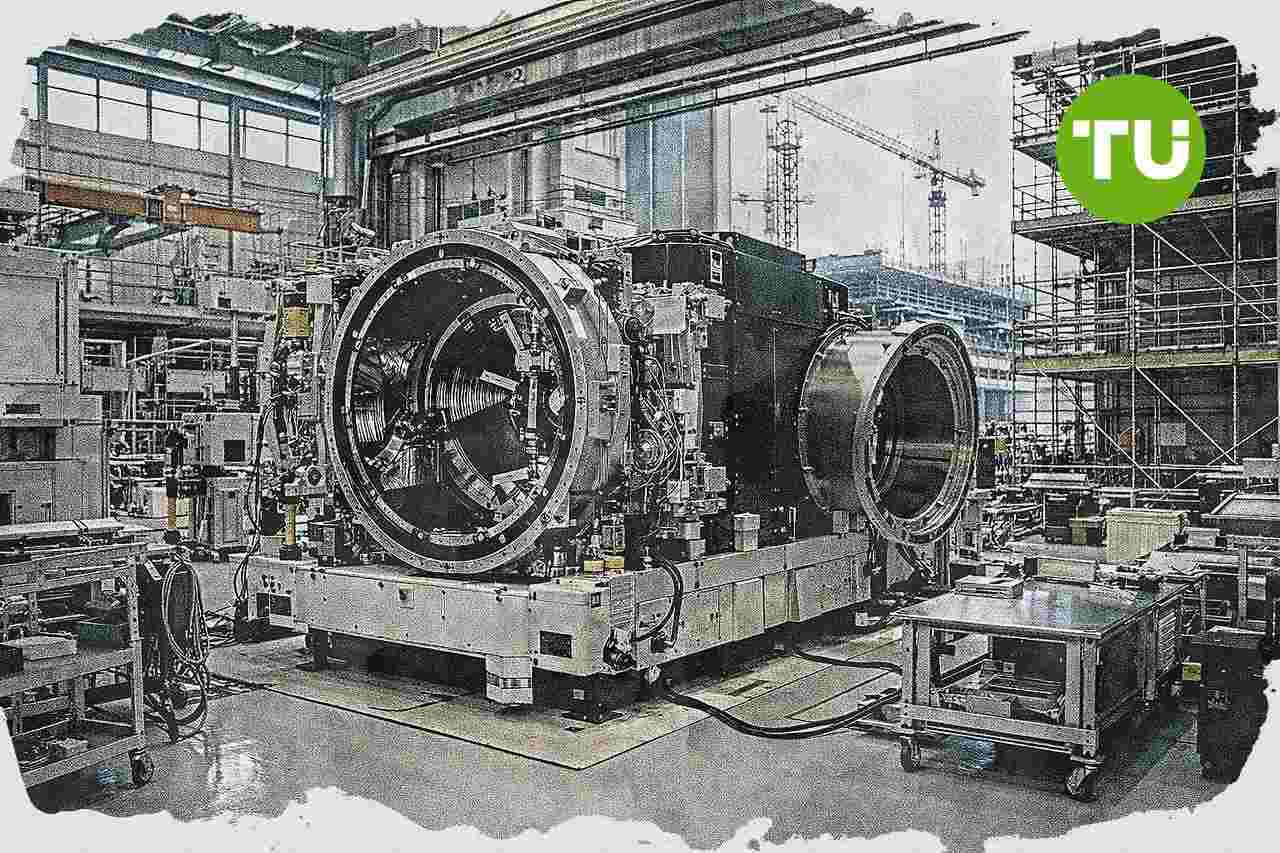
Our earlier article on ASML’s critique of the EU’s chip strategy highlighted warnings that emergency powers to steer semiconductor supplies won’t work without a stronger domestic industrial base and more competitive European suppliers. It also noted ASML’s plans to expand capacity in the Netherlands amid rising AI-driven demand, while pointing to obstacles such as permitting delays, access to capital and regulatory burdens that can slow Europe’s tech ambitions.


Latest Europe News





-
 Afghanistan
-
 Albania
-
 Algeria
-
 Angola
-
 Argentina
-
 Armenia
-
 Australia
-
 Austria
-
 Azerbaijan
-
 Bahamas
-
 Bahrain
-
 Bangladesh
-
 Belarus
-
 Belgium
-
 Bolivia
-
 Botswana
-
 Brazil
-
 Brunei
-
 Bulgaria
-
 Cambodia
-
 Cameroon
-
 Canada
-
 Chile
Chile
-
 China
China
-
 Colombia
-
 Congo
Congo
-
 Costa Rica
-
 Cote d'Ivoire
-
 Croatia
-
 Cuba
Cuba
-
 Cyprus
-
 Czechia
-
 DR Congo
-
 Denmark
-
 Dominican Republic
-
 Ecuador
-
 Egypt
Egypt
-
 El Salvador
-
 Estonia
-
 Eswatini
-
 Ethiopia
-
 Finland
-
 France
-
 Georgia
-
 Germany
-
 Ghana
Ghana
-
 Greece
-
 Haiti
Haiti
-
 Hong Kong
-
 Hungary
-
 India
India
-
 Indonesia
-
 Iran, Islamic republic
-
 Iraq
Iraq
-
 Ireland
-
 Israel
-
 Italy
Italy
-
 Jamaica
-
 Japan
Japan
-
 Jordan
-
 Kazakhstan
-
 Kenya
Kenya
-
 Korea
Korea
-
 Kuwait
-
 Kyrgyzstan
-
 Laos
Laos
-
 Latvia
-
 Lebanon
-
 Lesotho
-
 Libya
Libya
-
 Lithuania
-
 Luxembourg
-
 Madagascar
-
 Malaysia
-
 Malta
Malta
-
 Mauritius
-
 Mexico
-
 Moldova
-
 Mongolia
-
 Montenegro
-
 Morocco
-
 Mozambique
-
 Myanmar
-
 Namibia
-
 Nepal
Nepal
-
 Netherlands
-
 New Zealand
-
 Nigeria
-
 North Macedonia
-
 Norway
-
 Oman
Oman
-
 Pakistan
-
 Palestine
-
 Panama
-
 Papua New Guinea
-
 Paraguay
-
 Peru
Peru
-
 Philippines
-
 Poland
-
 Portugal
-
 Puerto Rico
-
 Qatar
Qatar
-
 Reunion
-
 Romania
-
 Rwanda
-
 Saudi Arabia
-
 Serbia
-
 Singapore
-
 Slovakia
-
 Slovenia
-
 Somalia
-
 South Africa
-
 Spain
Spain
-
 Sri Lanka
-
 Sweden
-
 Switzerland
-
 Syria
Syria
-
 Taiwan
-
 Tajikistan
-
 Tanzania
-
 Thailand
-
 Trinidad and Tobago
-
 Tunisia
-
 Turkey
-
 UAE
UAE
-
 Uganda
-
 Ukraine
-
 United Kingdom
-
United States
-
 Uruguay
-
 Uzbekistan
-
 Venezuela
-
 Vietnam
-
 Yemen
Yemen
-
 Zambia
-
 Zimbabwe
- Forex
- Crypto












