
Interior Department lease sale faces doubts over Arctic drilling viability

The latest U.S. auction of drilling rights in the Arctic National Wildlife Refuge is drawing scrutiny over whether it reflects a durable energy strategy or a political message. The sale covers environmentally sensitive land on Alaska’s northern coastal plain and is being presented by the administration as part of a broader push for domestic oil development.
Highlights
- The Interior Department's lease sale for Arctic National Wildlife Refuge oil rights is promoted as restoring American Energy Dominance and boosting Alaskan and U.S. revenues.
- Critics highlight a lack of demonstrated commercial interest and accuse the announcement of relying on political messaging rather than evidence of industry momentum for Arctic drilling.
- Sector analysts question whether government backing will result in tangible industry participation or economically viable oil production in Alaska's environmentally sensitive northern coastal plain.
Lease sale messaging and policy claims
As reported by Bloomberg, the Department of the Interior presents the auction as "another important step toward restoring American Energy Dominance," saying it will create jobs and generate significant revenue for Alaska and the U.S. as a whole.The department also says the lease sale underscores a shared vision between industry and government on the viability of development in ANWR. That framing is at the center of criticism that the announcement relies more on celebratory political language than on evidence of strong commercial momentum.
Regional and sector implications
The offering involves oil leases on environmentally sensitive land in Alaska's northern coastal plain, keeping the long-running conflict between resource development and conservation at the forefront of U.S. energy policy.For the oil sector, the key issue is whether official support can translate into credible industry participation and economically viable production in the Arctic. For Alaska and federal policymakers, the broader implication is that projected employment and revenue benefits remain tied to a disputed case for development in one of the country's most contested drilling regions.
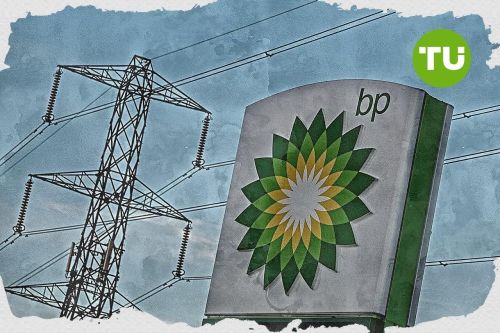
Our earlier report on investor pressure building on BP after the departure of chair Helge Lund focused on shareholder demands for greater transparency around the board’s decision-making and leadership stability. We noted that the episode amplified concerns about BP’s strategic direction and governance standards as the oil and gas sector navigates the energy transition. The story underscored how credibility and clear communication can shape market confidence when companies and policymakers make big claims about long-term energy plans.











-
 Afghanistan
-
 Albania
-
 Algeria
-
 Angola
-
 Argentina
-
 Armenia
-
 Australia
-
 Austria
-
 Azerbaijan
-
 Bahamas
-
 Bahrain
-
 Bangladesh
-
 Belarus
-
 Belgium
-
 Bolivia
-
 Botswana
-
 Brazil
-
 Brunei
-
 Bulgaria
-
 Cambodia
-
 Cameroon
-
 Canada
-
 Chile
Chile
-
 China
China
-
 Colombia
-
 Congo
Congo
-
 Costa Rica
-
 Cote d'Ivoire
-
 Croatia
-
 Cuba
Cuba
-
 Cyprus
-
 Czechia
-
 DR Congo
-
 Denmark
-
 Dominican Republic
-
 Ecuador
-
 Egypt
Egypt
-
 El Salvador
-
 Estonia
-
 Eswatini
-
 Ethiopia
-
 Finland
-
 France
-
 Georgia
-
 Germany
-
 Ghana
Ghana
-
 Greece
-
 Haiti
Haiti
-
 Hong Kong
-
 Hungary
-
 India
India
-
 Indonesia
-
 Iran, Islamic republic
-
 Iraq
Iraq
-
 Ireland
-
 Israel
-
 Italy
Italy
-
 Jamaica
-
 Japan
Japan
-
 Jordan
-
 Kazakhstan
-
 Kenya
Kenya
-
 Korea
Korea
-
 Kuwait
-
 Kyrgyzstan
-
 Laos
Laos
-
 Latvia
-
 Lebanon
-
 Lesotho
-
 Libya
Libya
-
 Lithuania
-
 Luxembourg
-
 Madagascar
-
 Malaysia
-
 Malta
Malta
-
 Mauritius
-
 Mexico
-
 Moldova
-
 Mongolia
-
 Montenegro
-
 Morocco
-
 Mozambique
-
 Myanmar
-
 Namibia
-
 Nepal
Nepal
-
 Netherlands
-
 New Zealand
-
 Nigeria
-
 North Macedonia
-
 Norway
-
 Oman
Oman
-
 Pakistan
-
 Palestine
-
 Panama
-
 Papua New Guinea
-
 Paraguay
-
 Peru
Peru
-
 Philippines
-
 Poland
-
 Portugal
-
 Puerto Rico
-
 Qatar
Qatar
-
 Reunion
-
 Romania
-
 Rwanda
-
 Saudi Arabia
-
 Serbia
-
 Singapore
-
 Slovakia
-
 Slovenia
-
 Somalia
-
 South Africa
-
 Spain
Spain
-
 Sri Lanka
-
 Sweden
-
 Switzerland
-
 Syria
Syria
-
 Taiwan
-
 Tajikistan
-
 Tanzania
-
 Thailand
-
 Trinidad and Tobago
-
 Tunisia
-
 Turkey
-
 UAE
UAE
-
 Uganda
-
 Ukraine
-
 United Kingdom
-
United States
-
 Uruguay
-
 Uzbekistan
-
 Venezuela
-
 Vietnam
-
 Yemen
Yemen
-
 Zambia
-
 Zimbabwe
- Forex
- Crypto












