
JPMorgan flags inflation risk to consumer health as loan growth outlook stays strong
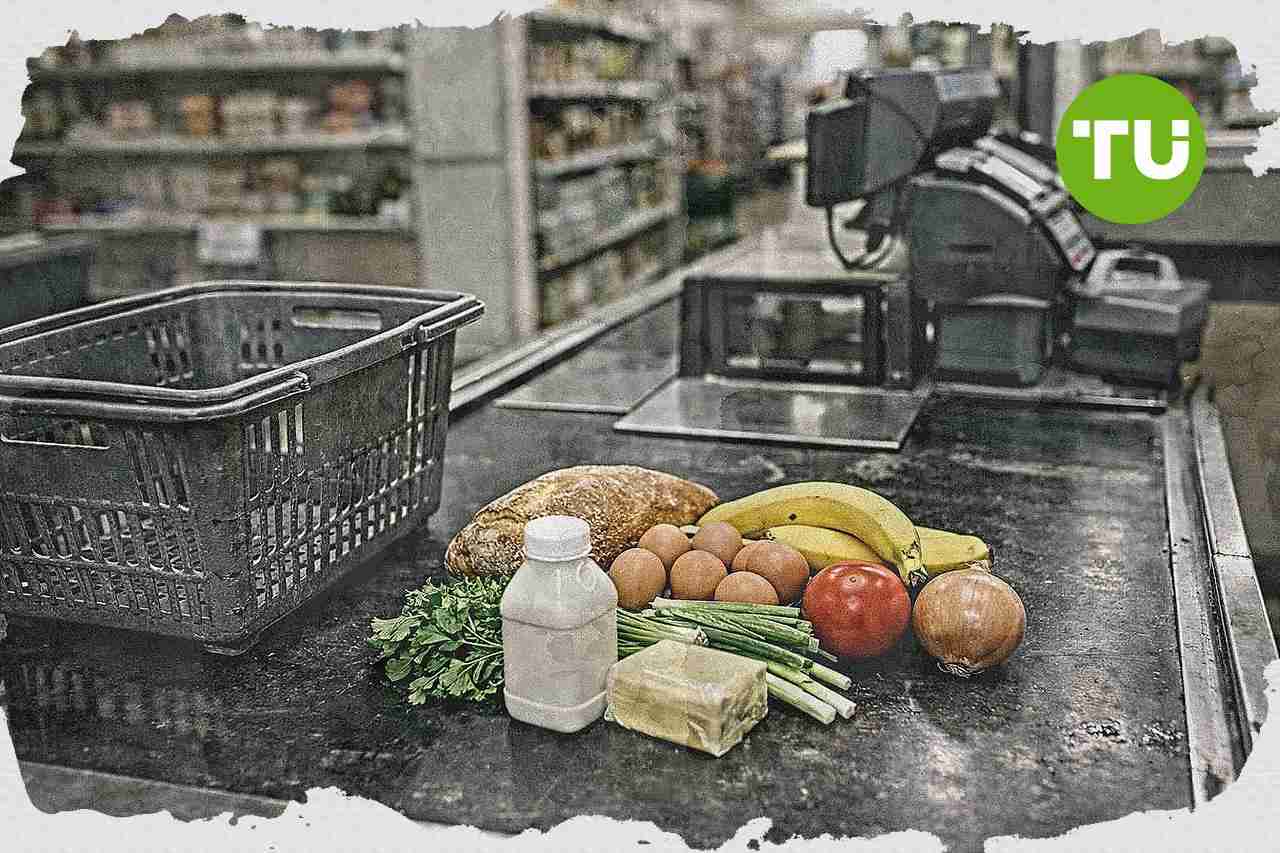
Persistently high prices are prompting large banks to track whether U.S. households can keep absorbing higher living costs without cutting back spending. JPMorgan says most consumers remain resilient, but it is watching a growing pocket of lower-income customers whose wage gains are no longer fully keeping pace with inflation.
Highlights
- JPMorgan's Marianne Lake warns that persistent inflation is putting pressure on a growing subset of consumers, with wages lagging price increases as post-pandemic cash buffers normalize.
- U.S. inflation accelerated in April at its fastest pace in three years, driven by rising energy prices linked to the Iran war, prompting rapid spending of 20%-25% of higher tax refunds by lower-income customers.
- Despite inflation risks, JPMorgan forecasts its loan growth in 2026 will outpace the industry average, reflecting current strong product demand while remaining alert to consumer health concerns.
Consumer trends and inflation pressures
As reported by Reuters, Marianne Lake, chief executive of JPMorgan's consumer and community banking division, says the bank is closely monitoring consumer health as inflation concerns persist. Speaking at the Morgan Stanley U.S. Financials Conference in New York, she says spending remains solid overall, but a small and increasing group of consumers is beginning to feel more pressure as wages fail to keep up with prices.Lake says JPMorgan is not yet seeing clear signs of deterioration, but remains highly alert to the risk that a longer period of elevated inflation could weaken household finances. She also says the post-pandemic cash cushion has normalized, leaving consumers with less built-in resilience to absorb future shocks.
She adds that, while unemployment remains low, labor demand is softening somewhat. Higher tax refunds and lower tax bills have also helped offset part of the hit from elevated energy prices, especially for lower-income customers.
Implications for U.S. banking and household demand
Lake says that for lower-income customers, about 20% to 25% of the incremental money from higher tax refunds has been spent during the first two months of higher energy prices, underscoring how quickly pressure can build if inflation stays elevated. Her comments come as U.S. inflation accelerates in April at its fastest pace in three years, with the Iran war pushing energy prices higher and adding strain on household income.That backdrop is raising concerns across the banking sector about whether consumer behavior could weaken later in 2026. Goldman Sachs chief executive David Solomon says last week that he expects consumer behavior to change in the second half of 2026 if inflation rises further.
Even so, Lake says JPMorgan is seeing strong demand for its products and expects its loan growth in 2026 to outpace the broader industry average. That suggests the bank still sees room for expansion, even as it prepares for potential stress among more price-sensitive households.
Our earlier article on the American Dream affordability survey showed that a majority of U.S. adults believe the American Dream is out of reach for most people as everyday costs keep rising. It highlighted cost of living—especially housing, along with healthcare and lagging wages—as the main barriers, underscoring how prolonged affordability strain is reshaping consumer sentiment even as inflation has eased from prior peaks.


Latest JPMorgan Chase News







-
 Afghanistan
-
 Albania
-
 Algeria
-
 Angola
-
 Argentina
-
 Armenia
-
 Australia
-
 Austria
-
 Azerbaijan
-
 Bahamas
-
 Bahrain
-
 Bangladesh
-
 Belarus
-
 Belgium
-
 Bolivia
-
 Botswana
-
 Brazil
-
 Brunei
-
 Bulgaria
-
 Cambodia
-
 Cameroon
-
 Canada
-
 Chile
Chile
-
 China
China
-
 Colombia
-
 Congo
Congo
-
 Costa Rica
-
 Cote d'Ivoire
-
 Croatia
-
 Cuba
Cuba
-
 Cyprus
-
 Czechia
-
 DR Congo
-
 Denmark
-
 Dominican Republic
-
 Ecuador
-
 Egypt
Egypt
-
 El Salvador
-
 Estonia
-
 Eswatini
-
 Ethiopia
-
 Finland
-
 France
-
 Georgia
-
 Germany
-
 Ghana
Ghana
-
 Greece
-
 Haiti
Haiti
-
 Hong Kong
-
 Hungary
-
 India
India
-
 Indonesia
-
 Iran, Islamic republic
-
 Iraq
Iraq
-
 Ireland
-
 Israel
-
 Italy
Italy
-
 Jamaica
-
 Japan
Japan
-
 Jordan
-
 Kazakhstan
-
 Kenya
Kenya
-
 Korea
Korea
-
 Kuwait
-
 Kyrgyzstan
-
 Laos
Laos
-
 Latvia
-
 Lebanon
-
 Lesotho
-
 Libya
Libya
-
 Lithuania
-
 Luxembourg
-
 Madagascar
-
 Malaysia
-
 Malta
Malta
-
 Mauritius
-
 Mexico
-
 Moldova
-
 Mongolia
-
 Montenegro
-
 Morocco
-
 Mozambique
-
 Myanmar
-
 Namibia
-
 Nepal
Nepal
-
 Netherlands
-
 New Zealand
-
 Nigeria
-
 North Macedonia
-
 Norway
-
 Oman
Oman
-
 Pakistan
-
 Palestine
-
 Panama
-
 Papua New Guinea
-
 Paraguay
-
 Peru
Peru
-
 Philippines
-
 Poland
-
 Portugal
-
 Puerto Rico
-
 Qatar
Qatar
-
 Reunion
-
 Romania
-
 Rwanda
-
 Saudi Arabia
-
 Serbia
-
 Singapore
-
 Slovakia
-
 Slovenia
-
 Somalia
-
 South Africa
-
 Spain
Spain
-
 Sri Lanka
-
 Sweden
-
 Switzerland
-
 Syria
Syria
-
 Taiwan
-
 Tajikistan
-
 Tanzania
-
 Thailand
-
 Trinidad and Tobago
-
 Tunisia
-
 Turkey
-
 UAE
UAE
-
 Uganda
-
 Ukraine
-
 United Kingdom
-
United States
-
 Uruguay
-
 Uzbekistan
-
 Venezuela
-
 Vietnam
-
 Yemen
Yemen
-
 Zambia
-
 Zimbabwe
- Forex
- Crypto












