
Senate Judiciary Republicans attack Democratic Supreme Court expansion push
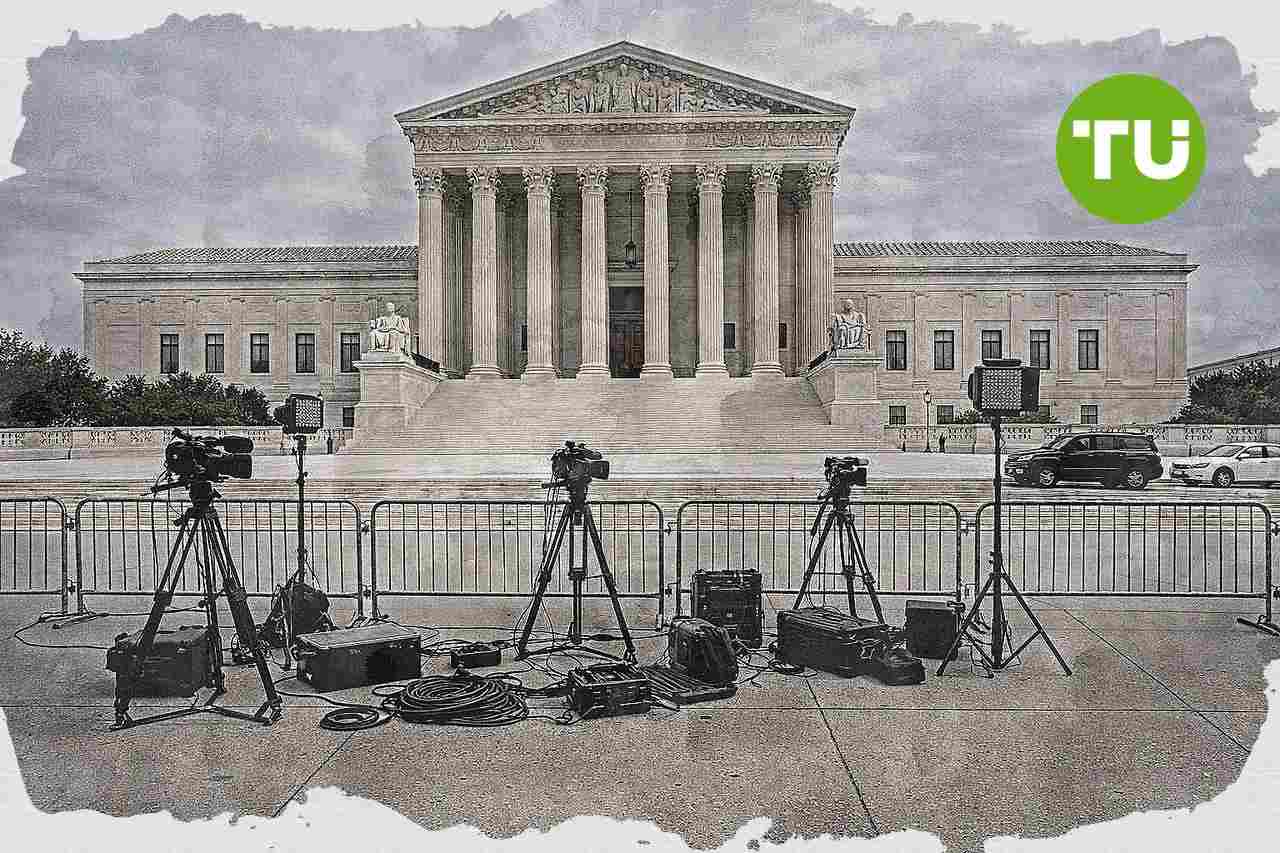
A new clash over the future of the U.S. Supreme Court is intensifying as Republicans frame Democratic proposals to expand the bench as a threat to judicial independence. The dispute centers on calls to add four justices if Democrats regain control of Congress, an idea critics say is aimed at reshaping the court’s ideological balance.
Highlights
- Senator Chuck Grassley asserts Democrats' proposal to add four justices, expanding the Supreme Court from nine to thirteen members, is motivated by ideological dissatisfaction with recent rulings.
- Grassley highlights Democrats' delayed expansion efforts, noting statements like 'everything is on the table' indicate partisan timing linked to the November Congressional elections.
- Changes in the Supreme Court’s composition, driven by political maneuvering, present significant implications for regulation, labor, antitrust, administrative law, and the broader U.S. legal environment.
Political fight over court expansion
As reported by the Senate Committee on the Judiciary, Senator Chuck Grassley says Democratic lawmakers are advancing Supreme Court expansion not as institutional reform but as an effort to secure a more favorable ideological majority on the bench.Grassley argues that House Democrats’ proposal to add four justices, taking the court from nine members to 13, is tied to dissatisfaction with recent rulings rather than concerns about judicial ethics or governance. He says the stated justification, aligning the number of justices with the number of federal appellate circuits, does not hold up because the Supreme Court has operated with nine justices since 1869, while additional circuits have existed for decades without prompting expansion.
The statement also points to comments by Democratic leaders that “everything is on the table” if the party regains Congress in November. Grassley says the timing shows Democrats are not seeking immediate expansion because any near-term appointments would be made by President Trump, reinforcing his argument that the push is driven by partisan calculations.
Judicial oversight and broader implications
Grassley links the debate to a broader argument over how lawmakers approach court oversight, saying Democrats are willing to challenge the Supreme Court’s structure while staying quiet about alleged misconduct elsewhere in the judiciary.He cites a federal judge in Georgia who, according to his statement, was the subject of an official judicial investigation that found misconduct including an extramarital affair, false statements to investigators and attendance at a partisan political event. Grassley says the response, a private reprimand, contrasts with Democratic criticism of the Supreme Court and undermines their claims of concern about judicial integrity.
The comments underscore how the Supreme Court remains a central political and policy flashpoint in the U.S., with control of Congress and the White House shaping expectations for future judicial battles. For businesses and investors, shifts in the court’s composition can carry implications for regulation, labor, antitrust, administrative law and the broader legal environment.
Our earlier article on Senate Democrats’ objections to Todd Blanche’s nomination for U.S. Attorney General described how Sen. Dick Durbin argued Blanche would weaken the Justice Department’s independence by prioritizing loyalty to President Trump over institutional credibility. We outlined Durbin’s claims about Blanche’s use of DOJ powers and the issues Democrats said they would press at his confirmation hearing, framing the nomination fight as part of a broader partisan struggle over the justice system’s integrity.


Latest USA News









-
 Afghanistan
-
 Albania
-
 Algeria
-
 Angola
-
 Argentina
-
 Armenia
-
 Australia
-
 Austria
-
 Azerbaijan
-
 Bahamas
-
 Bahrain
-
 Bangladesh
-
 Belarus
-
 Belgium
-
 Bolivia
-
 Botswana
-
 Brazil
-
 Brunei
-
 Bulgaria
-
 Cambodia
-
 Cameroon
-
 Canada
-
 Chile
Chile
-
 China
China
-
 Colombia
-
 Congo
Congo
-
 Costa Rica
-
 Cote d'Ivoire
-
 Croatia
-
 Cuba
Cuba
-
 Cyprus
-
 Czechia
-
 DR Congo
-
 Denmark
-
 Dominican Republic
-
 Ecuador
-
 Egypt
Egypt
-
 El Salvador
-
 Estonia
-
 Eswatini
-
 Ethiopia
-
 Finland
-
 France
-
 Georgia
-
 Germany
-
 Ghana
Ghana
-
 Greece
-
 Haiti
Haiti
-
 Hong Kong
-
 Hungary
-
 India
India
-
 Indonesia
-
 Iran, Islamic republic
-
 Iraq
Iraq
-
 Ireland
-
 Israel
-
 Italy
Italy
-
 Jamaica
-
 Japan
Japan
-
 Jordan
-
 Kazakhstan
-
 Kenya
Kenya
-
 Korea
Korea
-
 Kuwait
-
 Kyrgyzstan
-
 Laos
Laos
-
 Latvia
-
 Lebanon
-
 Lesotho
-
 Libya
Libya
-
 Lithuania
-
 Luxembourg
-
 Madagascar
-
 Malaysia
-
 Malta
Malta
-
 Mauritius
-
 Mexico
-
 Moldova
-
 Mongolia
-
 Montenegro
-
 Morocco
-
 Mozambique
-
 Myanmar
-
 Namibia
-
 Nepal
Nepal
-
 Netherlands
-
 New Zealand
-
 Nigeria
-
 North Macedonia
-
 Norway
-
 Oman
Oman
-
 Pakistan
-
 Palestine
-
 Panama
-
 Papua New Guinea
-
 Paraguay
-
 Peru
Peru
-
 Philippines
-
 Poland
-
 Portugal
-
 Puerto Rico
-
 Qatar
Qatar
-
 Reunion
-
 Romania
-
 Rwanda
-
 Saudi Arabia
-
 Serbia
-
 Singapore
-
 Slovakia
-
 Slovenia
-
 Somalia
-
 South Africa
-
 Spain
Spain
-
 Sri Lanka
-
 Sweden
-
 Switzerland
-
 Syria
Syria
-
 Taiwan
-
 Tajikistan
-
 Tanzania
-
 Thailand
-
 Trinidad and Tobago
-
 Tunisia
-
 Turkey
-
 UAE
UAE
-
 Uganda
-
 Ukraine
-
 United Kingdom
-
United States
-
 Uruguay
-
 Uzbekistan
-
 Venezuela
-
 Vietnam
-
 Yemen
Yemen
-
 Zambia
-
 Zimbabwe
- Forex
- Crypto












