
Binance NFT Marketplace Review (2026)


Editorial Note: While we adhere to strict Editorial Integrity, this post may contain references to products from our partners. Here's an explanation for How We Make Money. None of the data and information on this webpage constitutes investment advice according to our Disclaimer.
Binance NFT is a digital marketplace within the Binance ecosystem that enables users to create, buy, sell, and trade non-fungible tokens (NFTs) directly on the platform. NFTs, or non-fungible tokens, are unique digital assets recorded on the blockchain that represent ownership of a specific item, artwork, collectible, or virtual asset. Unlike cryptocurrencies such as Bitcoin or BNB, each NFT on Binance is one of a kind and cannot be swapped or divided.
Binance’s NFT Marketplace brings together creators, collectors, and traders in one ecosystem. Users can create an NFT on Binance, list them for sale, or buy them using cryptocurrencies such as BNB, ETH, or USDT. Once listed, NFTs are stored in the NFT Wallet hosted by Binance, where they can also be traded or withdrawn to external wallets that support the Binance Smart Chain.
Binance’s NFT market stands out for its low minting fee, strong liquidity, and seamless integration with other Binance products. It also provides verified drops, gaming NFTs, and exclusive collections from global creators.
In this review, you’ll learn how Binance NFT works, its advantages and drawbacks, and a step-by-step guide on how to buy NFTs on Binance and sell them.
What is NFT in Binance

Binance’s NFT Marketplace is an integral part of the Binance ecosystem, one of the largest and most trusted cryptocurrency exchanges in the world. Founded in 2017, Binance has grown into a global trading hub offering access to over 400 cryptocurrencies and tokens, alongside DeFi tools, staking, and Web3 integrations.
By 2026, Binance’s NFT Marketplace has evolved into a multi-chain digital asset platform where users can create, buy, sell, and trade NFTs with improved functionality, cross-chain compatibility, and deeper integration with the platform’s Web3 Wallet. The marketplace supports collections from leading artists, game developers, and major brands, hosting thousands of verified NFTs across multiple categories from gaming and art to metaverse and sports collectibles.
Any verified user can mint and list NFTs on Binance without administrative approval. Transactions are conducted in BNB, ETH, or USDT, and users can access both their cryptocurrency and NFT portfolios through a single NFT Wallet. This seamless experience continues to position Binance’s NFT marketplace as one of the most efficient and user-friendly marketplaces for digital assets.
How to start trading Binance NFTs
Using Binance’s NFT Marketplace in 2026 is simple, even if you are new to NFTs. The platform is directly integrated into your Binance account, so you can trade NFTs without setting up any additional wallet or application. Below is a step-by-step guide on how to access, buy, and sell NFTs on Binance safely and efficiently.
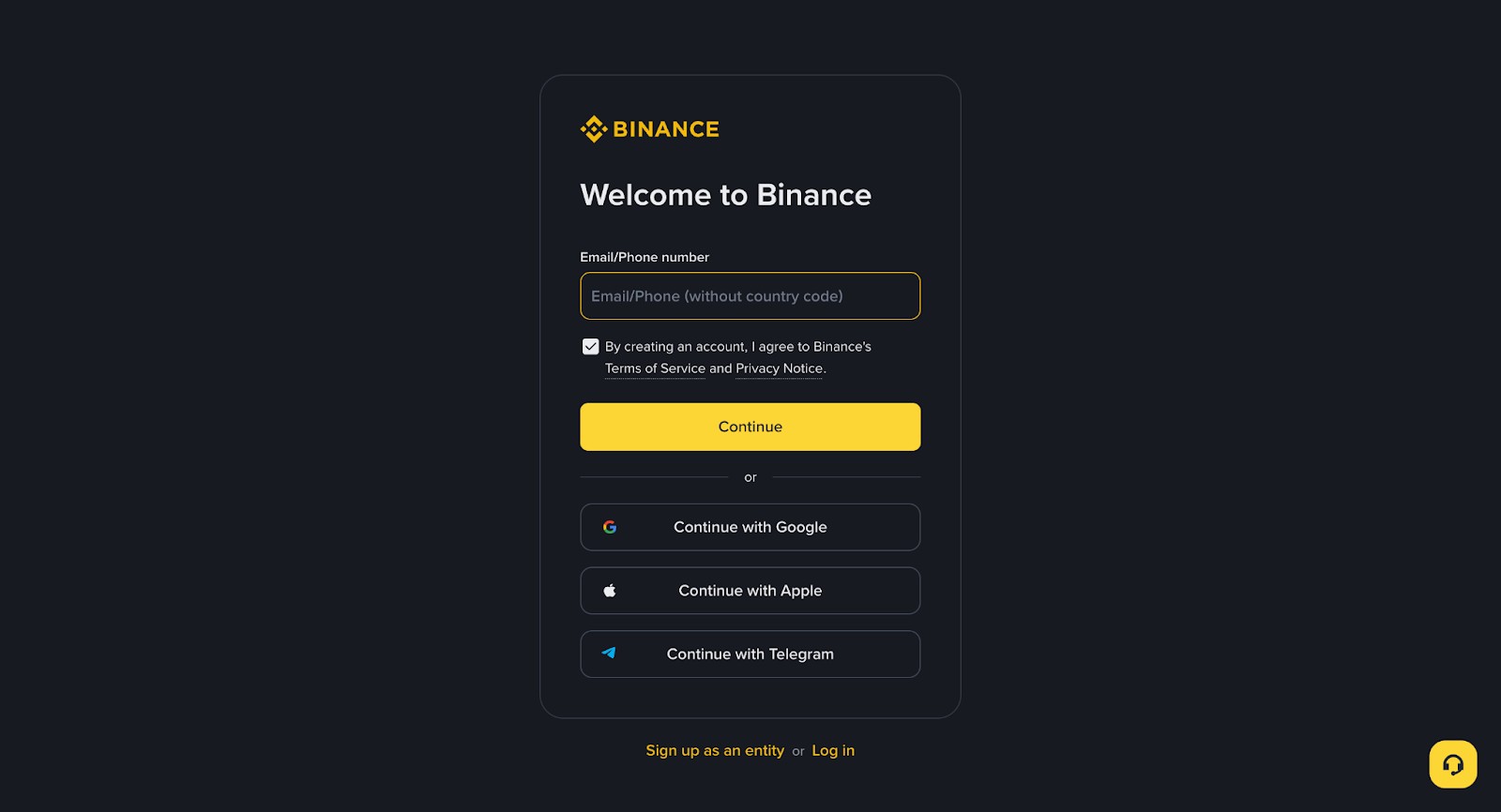
Step 1. Create and verify your Binance account
To start, sign up or log in to your Binance account. If you’re a new user, registration takes just a few minutes. Completing KYC (Know Your Customer) verification is required to unlock full access to the marketplace, including NFT trading and withdrawals.
Once your account is verified, you can instantly connect to the NFT section through the Binance Web3 Wallet.
Step 2. Add crypto funds to your Binance wallet
Before you buy an NFT, you need to deposit cryptocurrency into your Binance Wallet (that you use for spot trading). The marketplace primarily supports BNB, ETH, and USDT for NFT purchases.
You can buy these coins directly on Binance using your local currency or transfer them from another crypto exchange or wallet. Make sure you have enough balance to cover the marketplace fees and any applicable gas fees.
Step 3. Access the BinanceNFT marketplace
Once your wallet is funded, go to the NFT section:
On Desktop: visit Binance.com, open the top menu, and select “NFT”.
On mobile app: open the Binance app, tap “More”, then scroll down to “NFT Marketplace.”

From there, you’ll enter Binance’s NFT dashboard, where you can browse collections, view top creators, or start minting your own NFT.
Step 4. Explore and choose: NFTBinance market
Browse through thousands of digital collectibles by category such as art, gaming, sports, or metaverse NFTs. You can use filters to sort by price, blockchain, creator, or popularity.

Each NFT includes detailed information about the project, price history, and blockchain network, helping you make an informed decision before buying.
Step 5. Buy NFTs on Binance
When you find an NFT you want, there are several purchase options:
Fixed Price: click “Buy Now” and confirm the payment if you have enough funds.
Auction: select “Place a Bid” and enter your offer. The highest bid at the end of the auction wins.
Offer: choose “Make Offer” to propose your own price to the seller.

All purchases are processed instantly through the BinanceNFT Wallet, and your NFT will appear in your account once the transaction is confirmed.
Step 6: Sell NFTs on Binance
To sell your NFT on Binance, go to your NFT collection, choose the item, and click “List NFT.”
You can sell it at a fixed price or via auction. Set your desired price, select a preferred currency (BNB, ETH, or USDT), and confirm your listing.
Binance charges a 1% service fee per successful NFT sale, deducted automatically after the transaction. Once approved, your NFT becomes visible to all marketplace users and can be purchased immediately.
How to create an NFT on Binance
Creating an NFT on Binance is simple and fast. First, log in to your verified Binance account and open the BinanceNFT Marketplace section. Click “Create” to start minting your digital item. Upload your artwork or file, add a title, description, and select a blockchain such as BNB Smart Chain or Ethereum.
Next, choose between single or multiple editions and set royalty fees. Review all details, then confirm to mint your NFT. Once minted, it appears in your Binance NFT Wallet, ready for sale or transfer.
Binance NFT fees
The Binance NFT Marketplace fees are among the most competitive in the NFT industry. Users may pay small charges when they trade, deposit, withdraw, create, list, or burn NFTs. These fees depend on blockchain network conditions, transaction type, and platform rules. Binance displays all costs before confirmation, ensuring full transparency for both creators and traders.
Binance NFT marketplace fees
Binance supports both in-house NFTs and third-party platform NFTs. When trading NFTs from external platforms, buyers must pay network gas fees, while sellers pay a flat 1% platform fee on each sale. Royalty fees may also apply, depending on the NFT collection. These fees reward creators and vary between 0% and 10%, as set during minting.
There are no listing fees for posting NFTs on the Binance NFT Marketplace, allowing users to test prices and relist assets without extra cost. However, deposits, withdrawals, and burning NFTs require blockchain gas payments.
Binance NFT listing fee
There is no NFT listing fee on Binance. Users can freely list their NFTs for sale at fixed or auction prices. Fees only apply when the NFT is sold, and Binance automatically deducts a 1% platform service fee from the total sale amount.
Binance NFT minting fee
When you create NFT on Binance, a minting fee applies. The fee depends on the blockchain used:
BNB Smart Chain (BSC): 0.005 BNB per NFT
Ethereum: 0.001 ETH per NFT
Creators must also pay a collection minting fee when deploying a new smart contract:
BSC: 1.00 BNB
Ethereum: 0.50 ETH
These costs prevent spam and ensure high-quality NFT collections.
Binance NFT gas fee
This fee applies when you deposit, withdraw, or burn NFTs. This charge goes to blockchain validators, not Binance. The gas price varies with network traffic on BNB Smart Chain or Ethereum. Always check the estimated gas fee on the confirmation page before finalizing any transaction.
Pros and cons of Binance NFT
Before diving into the details of fees and trading mechanics, it’s important to understand the main advantages and drawbacks of Binance’s NFT Marketplace. In 2026, Binance NFT continues to be one of the most popular and secure platforms for buying, selling, and creating NFTs, offering users low fees, cross-chain compatibility, and access to exclusive collections. However, as competition in the NFT space grows, the platform also faces new challenges and regional limitations.
- Pros
- Cons
Multi-chain and Web3 compatibility. BinanceNFT now supports assets on BNB Smart Chain, Ethereum, and Polygon, offering users more flexibility for NFT trading and staking. Integration with the Binance Web3 Wallet enables faster transfers, secure storage, and easier interaction with decentralized apps.
Expansive NFT collections. The Binance NFT Marketplace hosts a vast selection of digital collectibles, including exclusive collaborations with top creators and global entertainment brands. In 2026, Binance also expanded its gaming NFT and metaverse partnerships, reinforcing its position as a leading NFT hub.
Low NFT fees. Binance remains one of the most cost-effective platforms in the market. Its NFT listing fee and minting fee are competitive, while gas fees have been optimized for BNB Chain users.
High liquidity and strong demand. With Binance’s massive user base exceeding 180 million users in 2025, NFT sellers enjoy unparalleled liquidity. This means faster transactions, stable pricing, and access to a larger pool of buyers compared to most competing marketplaces.
Proven security and ecosystem trust.Binance continues to invest heavily in compliance and user protection. Two-factor authentication, advanced anti-phishing tools, and cold storage protocols safeguard both crypto and NFT assets. The exchange’s global reputation as a secure exchange further enhances confidence in its NFT ecosystem.
Regional restrictions and compliance updates. While Binance continues to expand its regulatory coverage, NFT trading remains unavailable in certain jurisdictions due to local laws or licensing limitations.
Market competition and saturation. The rapid growth of NFT platforms such as Blur, Magic Eden, and OKX NFT has intensified competition, slightly reducing Binance’s dominance in niche markets like gaming or art collectibles.
Is The Binance NFT marketplace legit and safe in 2026?
Yes, the Binance NFT Marketplace is considered one of the safest and most legitimateNFT platforms in 2026. As a core part of Binance, the world’s largest and most trusted cryptocurrency exchange, it operates under the same strict security framework that protects millions of users daily.
The platform uses multiple layers of protection, including real-time transaction monitoring, cold wallet storage, and multi-factor authentication to prevent unauthorized access. All NFT and crypto transactions are protected by advanced encryption and anti-phishing systems integrated into the Binance Web3 ecosystem.
Binance maintains its well-known SAFU (Secure Asset Fund for Users), an emergency insurance fund designed to cover potential user losses in the rare event of a major security incident. This provides an additional layer of confidence for NFT traders and collectors who rely on Binance’s infrastructure for safety and transparency.
In short, Binance NFT is a legitimate, regulated, and secure marketplace that follows the same global standards applied to Binance’s main trading operations.
Binance NFT marketplace: supported and restricted countries
The Binance NFT Marketplace is accessible in the majority of regions where Binance operates in more than 180 countries worldwide. This includes major markets such as France, Germany, India, Brazil, Australia, and South Africa, where users can easily buy, sell, and trade NFTs using BNB, ETH, or USDT.
However, due to local regulatory frameworks and compliance laws, BinanceNFT remains restricted or partially unavailable in several regions. These include the United States, where residents must use the separate Binance.US platform, which operates under different rules and offers limited NFT functionality.
Other restricted jurisdictions include Canada, the United Kingdom, the Netherlands, Iran, Cuba, Syria, North Korea, and the Crimean region of Ukraine, where Binance’s NFT services are either blocked or subject to strict limitations.
Binance regularly updates its compliance policies to align with global financial regulations, meaning availability may vary depending on evolving regional laws. Users are advised to verify NFT trading access directly on the official Binance website before registration or asset transfers.
Different types of NFTs on Binance
The Binance NFT Marketplace offers a wide range of NFT formats and experiences, making it one of the most dynamic digital collectible platforms in the crypto industry. Instead of being limited to standard buy-or-bid models, users can explore several unique NFT categories that enhance both utility and engagement.
1. Standard NFT sales (fixed price and auctions)
At the core of NFT trading on Binance are two primary formats: fixed-price sales and timed auctions.
With fixed-price NFTs, collectors can instantly purchase digital assets without waiting for bids to close.
Meanwhile, auction-based NFTs allow users to compete by placing bids within a set timeframe, with the highest bidder securing the collectible once the auction ends.
This flexible approach accommodates both beginners looking for quick purchases and experienced traders seeking rare or undervalued pieces.
2. Premium and exclusive NFT drops
For collectors seeking high-value digital art or brand collaborations, premium events on Binance NFT provide access to limited-edition releases. These drops often feature partnerships with world-renowned artists, gaming studios, and entertainment brands, giving users the chance to acquire rare and officially verified collectibles.
Premium drops are usually time-sensitive and available in limited quantities, making them highly sought after by serious investors and NFT art enthusiasts.
3. Binance NFT Mystery Boxes
One of the most popular and unique features of the BinanceNFT Marketplace is the Mystery Box system, a first-of-its-kind innovation introduced by Binance.
Each Mystery Box contains a random NFT from a curated collection, which can include common, rare, super-rare, or even ultra-rare items. This element of surprise adds a layer of gamification and excitement to NFT collecting, as users never know what exact digital item they’ll receive until the box is opened.
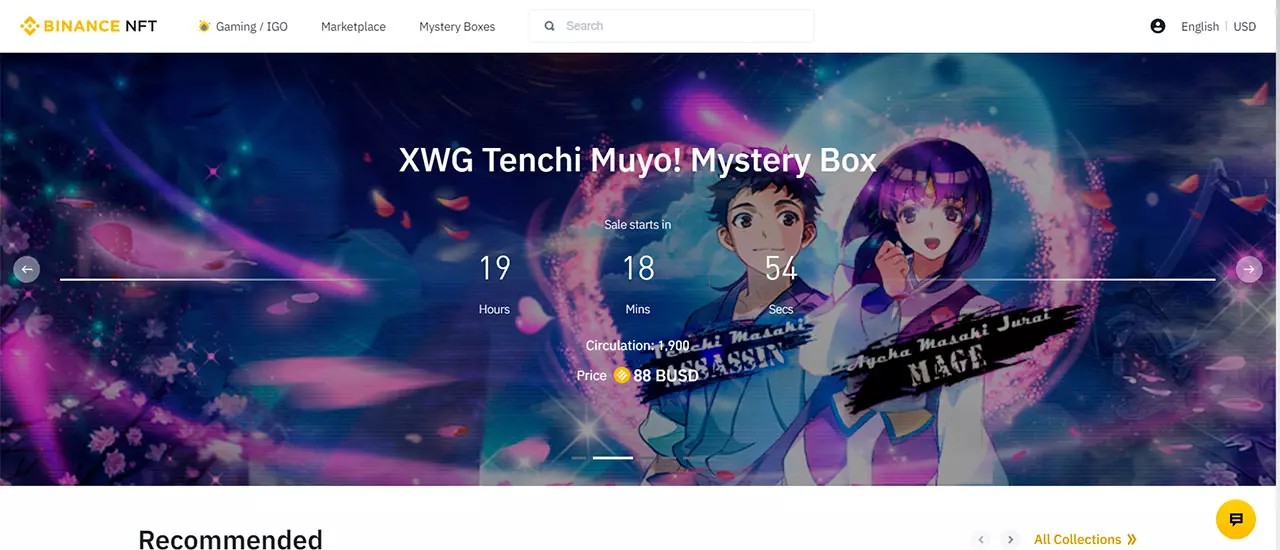
Binance continues to expand the Mystery Box collections, featuring collaborations with major Web3 projects and gaming ecosystems. Unlike most NFT marketplaces where similar boxes are offered by third-party sellers, Binance’s Mystery Boxes are officially supported and verified within the platform ensuring authenticity and fair distribution.
Binance NFT works best when you approach it like a marketplace, not a gamble

From my experience trading NFTs since 2021, Binance NFT feels more like a structured market than a speculative playground. Its strength is in how easily you can move between crypto trading and NFTs without leaving the ecosystem. I’ve tested most major NFT platforms, and few match Binance in terms of liquidity and user trust. What truly stands out is the balance between accessibility and protection. Even beginners can mint or sell NFTs within minutes, but the platform still feels safe thanks to its verification layers and the SAFU fund. If you treat NFTs here as digital assets, not quick flips, BinanceNFT becomes a reliable part of a broader investment strategy.
Conclusion
Binance NFT has grown into a complete marketplace that merges creativity with finance. It remains secure, accessible, and deeply connected to the broader Binance ecosystem. With improved cross-chain support, transparent fees, and a growing community of artists and traders, it continues to attract long-term investors rather than short-term speculators. While regulation and competition remain challenges, the platform’s maturity in 2026 shows how NFTs can evolve beyond hype into something more stable and valuable.
FAQs
How to convert NFT to USDT in Binance?
Sell your NFT on BinanceNFT Marketplace, receive crypto (like BNB or ETH), then swap it to USDT via Binance Spot Trading.
How to withdraw NFT from Binance?
Go to Binance NFT → User Center → NFTs, select the NFT you want, click “Withdraw”, choose the network and wallet address (e.g., MetaMask), confirm, and pay the gas fee.
Are NFTs on Binance connected to gaming or metaverse projects?
Yes, many collections are tied to GameFi and metaverse ecosystems, giving NFTs real in-game utility beyond collectibles.
Is it possible to transfer NFTs from Binance to another wallet?
Yes, NFTs can be withdrawn to compatible external wallets on supported blockchains such as BNB Smart Chain, Ethereum, or Polygon.
Related Articles
Team that worked on the article
Andrey Mastykin is an experienced author, editor, and content strategist who has been with Traders Union since 2020. As an editor, he is meticulous about fact-checking and ensuring the accuracy of all information published on the Traders Union platform.
Dan Blystone began his trading career in 1998 as an arbitrage clerk on the floor of the Chicago Mercantile Exchange (CME). He later traded bond and Eurex futures at proprietary firms such as Altea Trading, gaining valuable experience in high-frequency trading and risk management.
Chinmay Soni is a financial analyst with more than 5 years of experience in working with stocks, Forex, derivatives, and other assets. As a founder of a boutique research firm and an active researcher, he covers various industries and fields, providing insights backed by statistical data.
-
 Afghanistan
-
 Albania
-
 Algeria
-
 Angola
-
 Argentina
-
 Armenia
-
 Australia
-
 Austria
-
 Azerbaijan
-
 Bahamas
-
 Bahrain
-
 Bangladesh
-
 Belarus
-
 Belgium
-
 Bolivia
-
 Botswana
-
 Brazil
-
 Brunei
-
 Bulgaria
-
 Cambodia
-
 Cameroon
-
 Canada
-
 Chile
Chile
-
 China
China
-
 Colombia
-
 Congo
Congo
-
 Costa Rica
-
 Cote d'Ivoire
-
 Croatia
-
 Cuba
Cuba
-
 Cyprus
-
 Czechia
-
 DR Congo
-
 Denmark
-
 Dominican Republic
-
 Ecuador
-
 Egypt
Egypt
-
 El Salvador
-
 Estonia
-
 Eswatini
-
 Ethiopia
-
 Finland
-
 France
-
 Georgia
-
 Germany
-
 Ghana
Ghana
-
 Greece
-
 Haiti
Haiti
-
 Hong Kong
-
 Hungary
-
 India
India
-
 Indonesia
-
 Iran, Islamic republic
-
 Iraq
Iraq
-
 Ireland
-
 Israel
-
 Italy
Italy
-
 Jamaica
-
 Japan
Japan
-
 Jordan
-
 Kazakhstan
-
 Kenya
Kenya
-
 Korea
Korea
-
 Kuwait
-
 Kyrgyzstan
-
 Laos
Laos
-
 Latvia
-
 Lebanon
-
 Lesotho
-
 Libya
Libya
-
 Lithuania
-
 Luxembourg
-
 Madagascar
-
 Malaysia
-
 Malta
Malta
-
 Mauritius
-
 Mexico
-
 Moldova
-
 Mongolia
-
 Montenegro
-
 Morocco
-
 Mozambique
-
 Myanmar
-
 Namibia
-
 Nepal
Nepal
-
 Netherlands
-
 New Zealand
-
 Nigeria
-
 North Macedonia
-
 Norway
-
 Oman
Oman
-
 Pakistan
-
 Palestine
-
 Panama
-
 Papua New Guinea
-
 Paraguay
-
 Peru
Peru
-
 Philippines
-
 Poland
-
 Portugal
-
 Puerto Rico
-
 Qatar
Qatar
-
 Reunion
-
 Romania
-
 Rwanda
-
 Saudi Arabia
-
 Serbia
-
 Singapore
-
 Slovakia
-
 Slovenia
-
 Somalia
-
 South Africa
-
 Spain
Spain
-
 Sri Lanka
-
 Sweden
-
 Switzerland
-
 Syria
Syria
-
 Taiwan
-
 Tajikistan
-
 Tanzania
-
 Thailand
-
 Trinidad and Tobago
-
 Tunisia
-
 Turkey
-
 UAE
UAE
-
 Uganda
-
 Ukraine
-
 United Kingdom
-
United States
-
 Uruguay
-
 Uzbekistan
-
 Venezuela
-
 Vietnam
-
 Yemen
Yemen
-
 Zambia
-
 Zimbabwe
- Forex
- Crypto












