
Best Stocks To Invest In In Growing Indian Economy


Editorial Note: While we adhere to strict Editorial Integrity, this post may contain references to products from our partners. Here's an explanation for How We Make Money. None of the data and information on this webpage constitutes investment advice according to our Disclaimer.
The best 12 Indian stocks to buy for long-term are:
Power Grid Corporation of India
Adani Ports and Special Economic Zone Ltd
Divi’s Laboratories Ltd
Infosys
Kotak Mahindra Bank
Hindustan Unilever
Larsen & Toubro
Tata Consultancy Services (TCS)
ICICI Bank
Bajaj Finance
Godrej Consumer Products Limited (GCPL)
ITC Limited
In the dynamic landscape of the Indian economy, identifying suitable stocks for investment involves both opportunity and complexity. The country’s strong economic growth, supported by demographic trends, technological progress, and policy developments, creates a favorable environment for long-term investors. This article explores stock opportunities in a growing Indian economy, highlighting key sectors, leading companies, and important strategic considerations.
Best Indian stocks to buy for long-term
| Name | Stock Ticker | Market Cap | EPS (Rs.) | Dividend Yield |
|---|---|---|---|---|
Power Grid Corporation of India | POWERGRID | 1.955T INR | 16.81 | 5.33% |
Adani Ports and Special Economic Zone | ADANIPORTS | 1.747T INR | 29.32 | 0.62% |
Divi’s Laboratories | DIVISLAB | 955.941B INR | 50.77 | 0.85% |
Infosys | INFY | 5.9635T INR | 0.73 | 2.45% |
Kotak Mahindra Bank | KOTAKBANK | 3.523T INR | 85.76 | 0.08% |
Hindustan Unilever | HINDUNILVR | 5.942T INR | 44.51 | 1.61% |
Larsen & Toubro | LT | 4.273T INR | 87.67 | 0.77% |
Tata Consultancy Services (TCS) | TCS | 12.816T INR | 121.89 | 1.03% |
ICICI Bank | ICICIBANK | 6.461T INR | 56.33 | 0.87% |
Bajaj Finance | BAJFINANCE | 4.459T INR | 215.91 | 0.42% |
Godrej Consumer Products Limited (GCPL) | GODREJCP | 1.02T INR | 17.45 | 2.04% |
ITC Limited | ITC | 5.478T INR | 16.21 | 3.07% |
Tata Consultancy Services
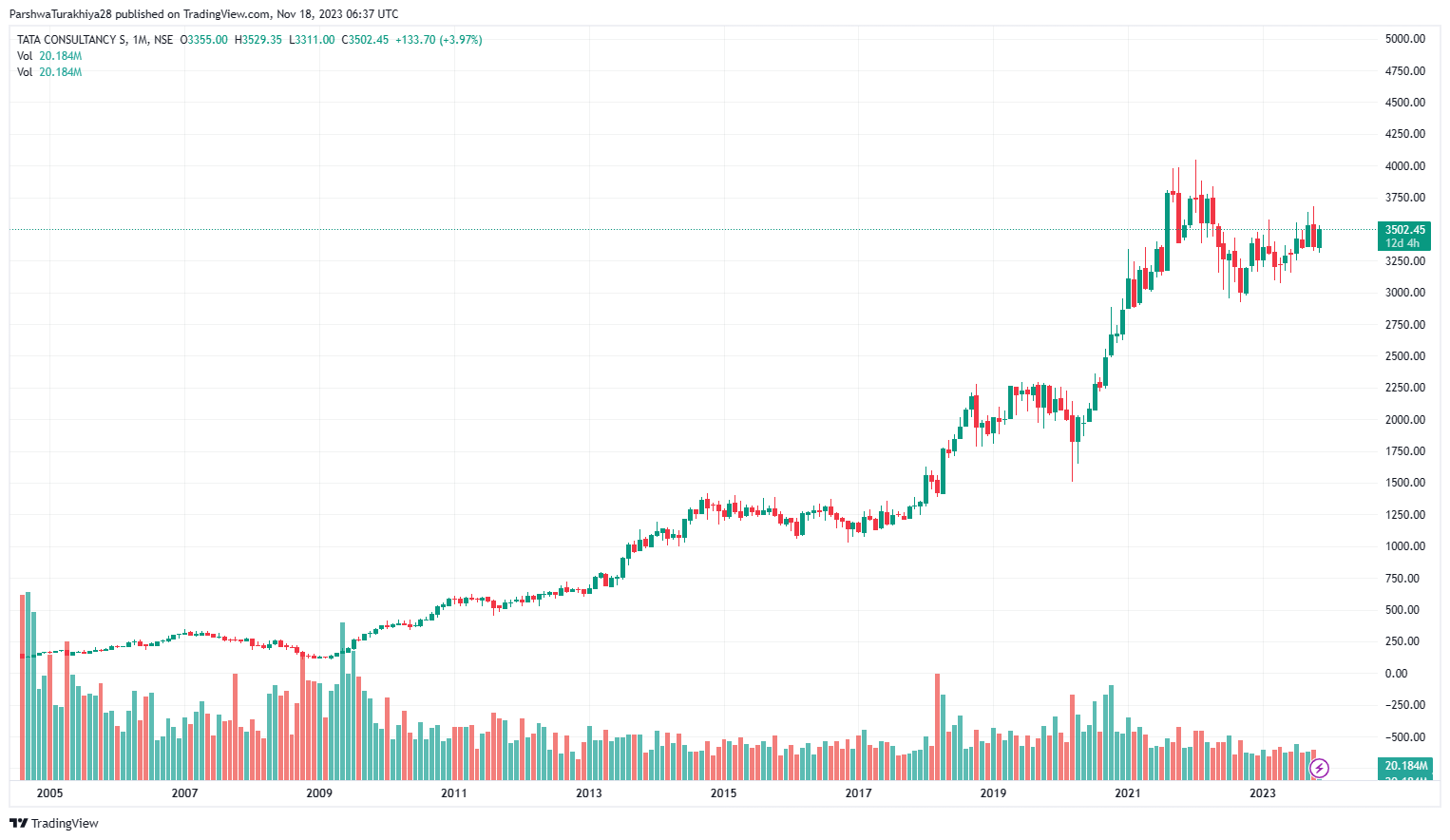 Tata Consultancy Services
Tata Consultancy Services (TCS) is a standout choice for long-term investors. Despite the recent correction in the IT sector, TCS holds a prominent position with superior execution metrics, a comprehensive portfolio, and industry-specific drivers. Notably, the average order book size has experienced significant growth, reaching the US $8.1 billion in FY 2023 from the US $6-7 billion range in FY 2021. Further, the company boasts the highest operating margins at 26.2%, along with the lowest attrition rate in the industry at 14.9% as of Q2FY23, enhancing its stability and sustainability.
The company's strategic focus on digital transformation deals, while not discretionary, showcases resilience even in economic down-cycles. Key factors contributing to TCS's potential include improvements in utilization, operation, and realization, along with a decline in attrition. However, it's essential to acknowledge the inherent risks associated with global macro-economic uncertainties and cross-currency headwinds.
ICICI Bank
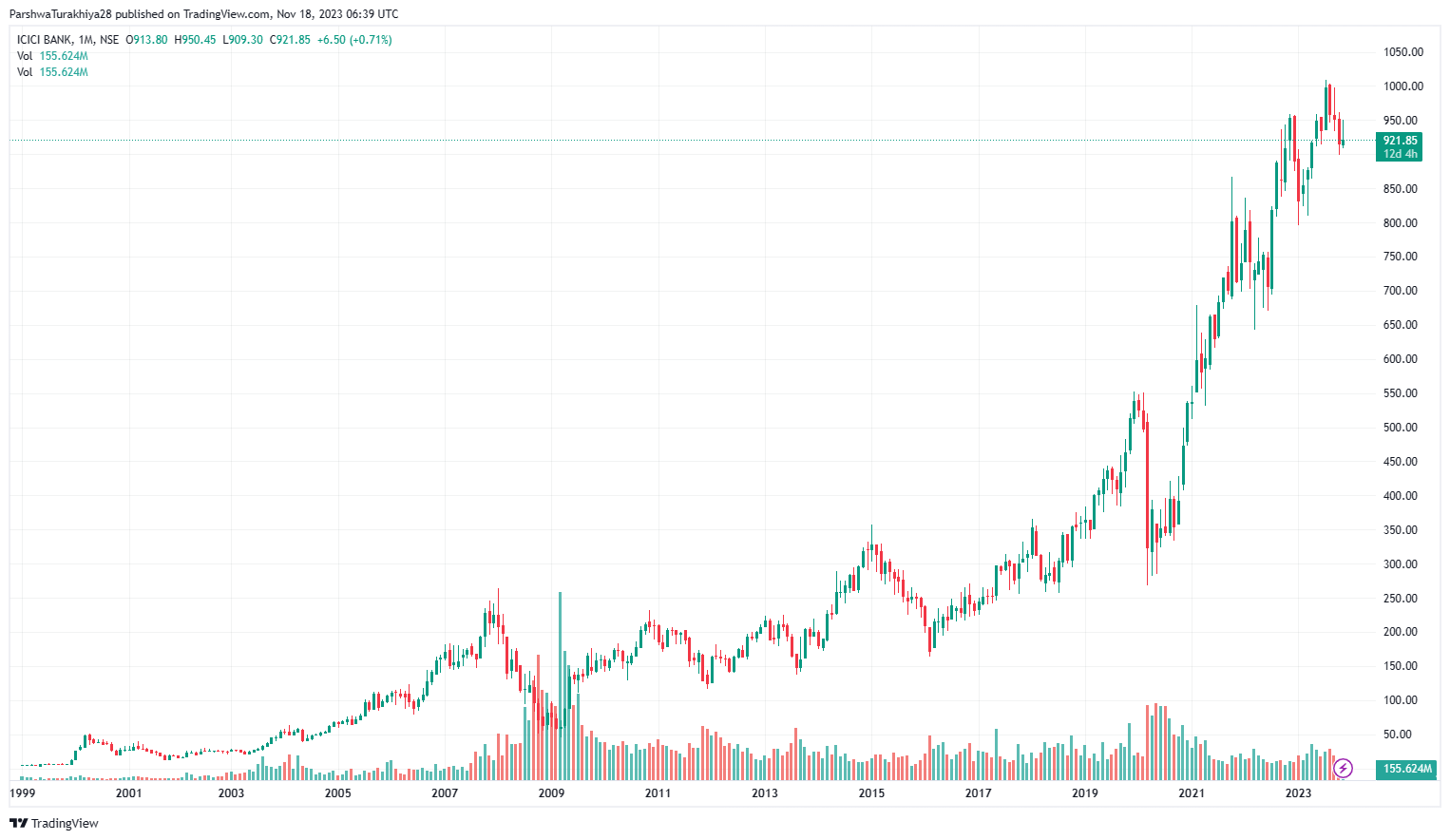 ICICI Bank
As one of India's premier private-sector banks and after undergoing a transformative journey since the appointment of Mr. Sandeep Bakshi in Oct 2018, ICICI bank has significantly enhanced its underwriting practices, leading to a notable improvement in asset quality. Shifting focus from a corporate-centric approach to a retail-oriented strategy over the last six years has contributed to a sustainable lower-risk, high-yield lending book.
With a robust Net Interest Margin (NIM) and a consistent rise in credit growth, ICICI Bank is well-positioned to capitalize on the industry's upward trajectory. The bank's emphasis on asset quality improvement, increased focus on the retail book, and strong core operating profit bode well for healthy earnings growth in the foreseeable future.
Bajaj Finance
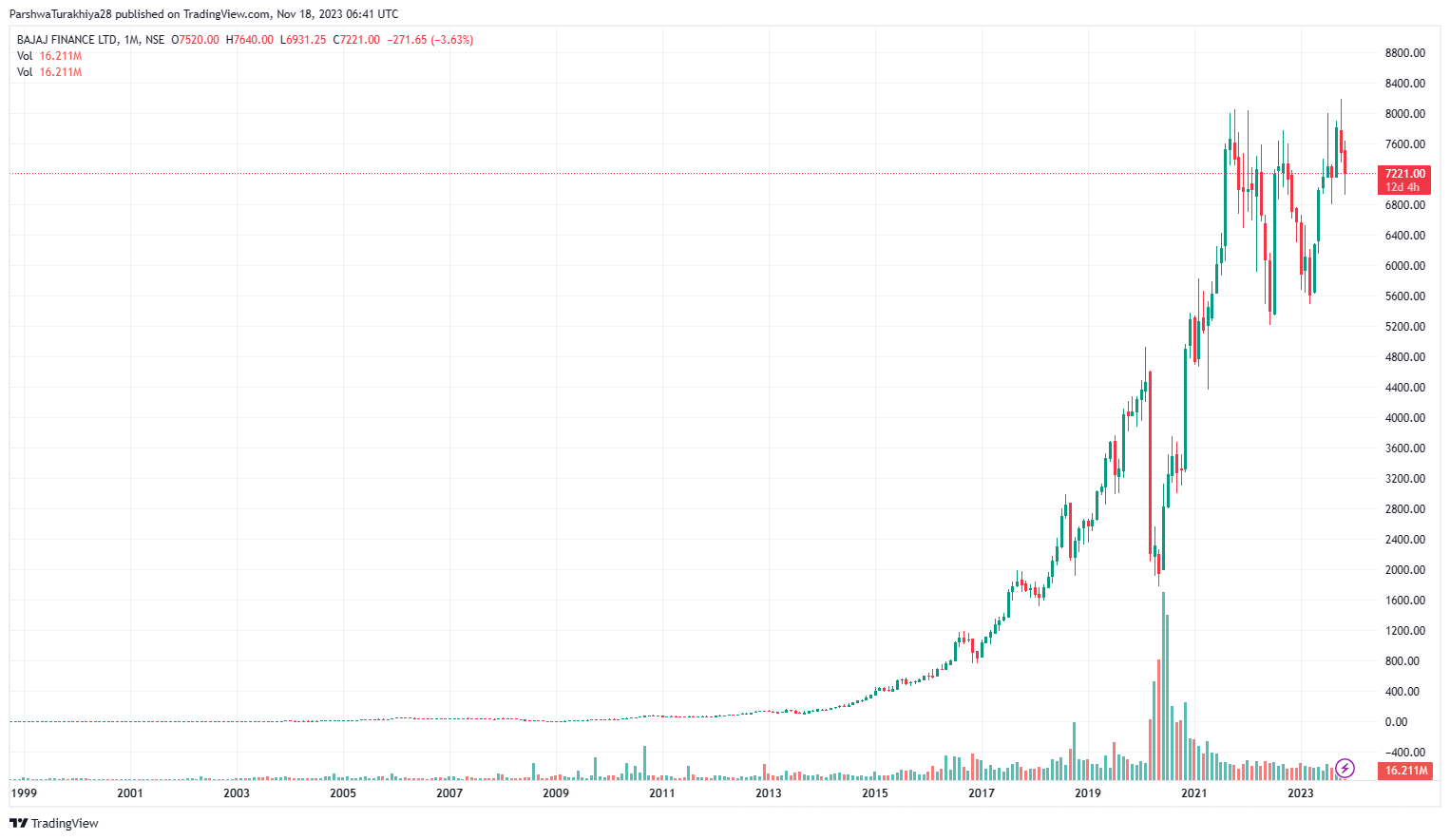 Bajaj Finance
As one of the leaders of the NBFC sector, Bajaj Finance stands out as a key choice for long-term investors. Operating primarily in consumer lending, Bajaj Finance has experienced rapid growth driven by an extensive distribution network and a diverse product mix. The company's focus on retail, coupled with prudent liability management and effective risk management, has resulted in strong financial performance.
Along with a robust Return on Equity (ROE) of 17.7% and a consistent growth in Net Profits, Bajaj Finance also maintains a quality loan book with a low net Non-Performing Asset (NPA) of 0.68% for FY22. While the company faces potential risks from customer defaults and interest rate fluctuations, its strategic approach to maintaining a longer duration for liabilities than assets has proven effective in sustaining net interest income growth.
Godrej Consumer Products Limited
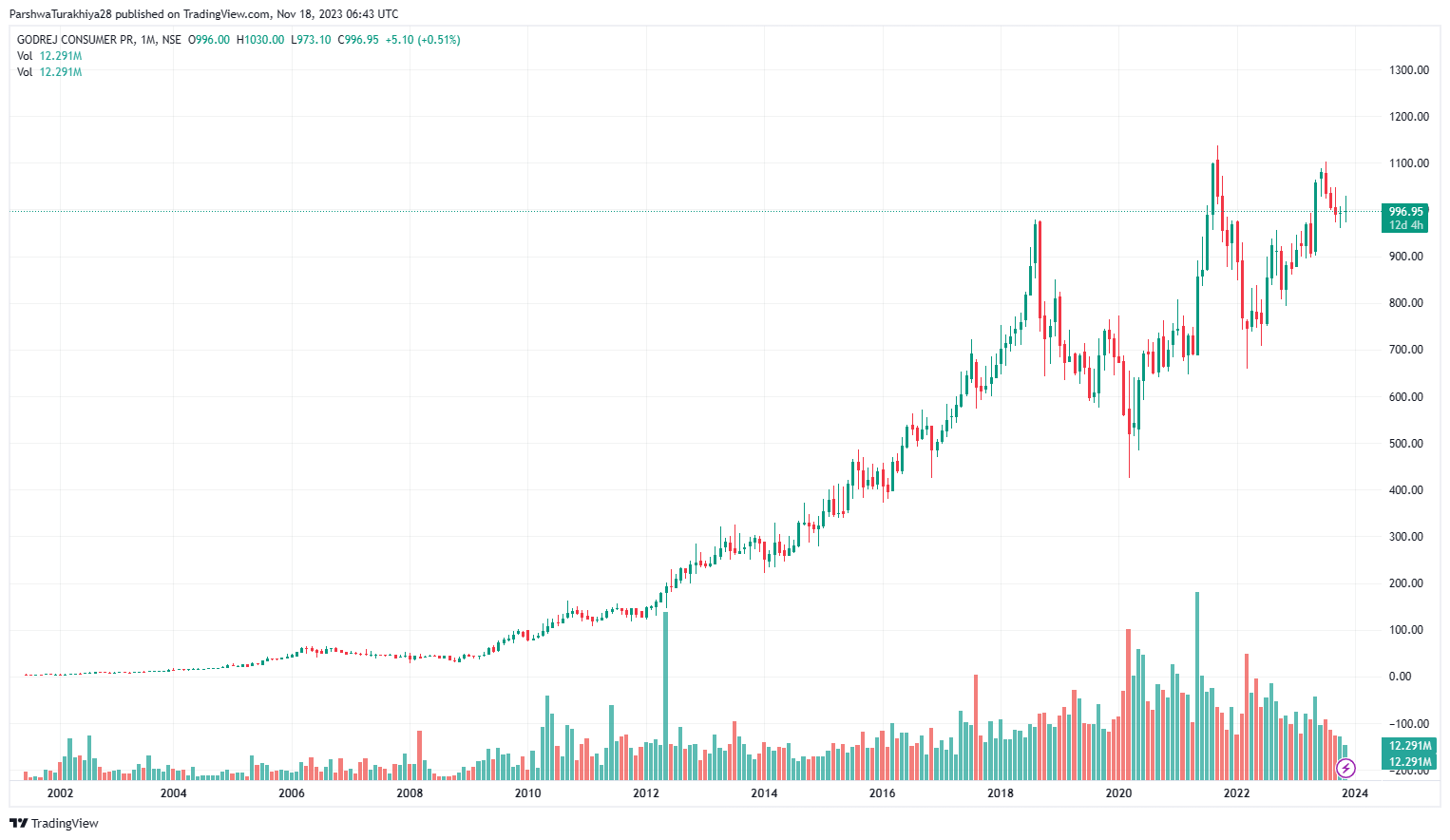 Godrej Consumer Products Limited
Godrej Consumer Products Limited (GCPL), a leading company in the consumer goods sector, presents a promising prospect for long-term investors. Strategically aligning itself with the dynamic markets of emerging economies, GCPL focuses on category development and innovation-led growth to disrupt its product segments positively.
Under the leadership of Mr. Sudhir Sitapati, the company is poised for a turnaround, emphasizing volume growth, especially in household insecticides and the Indonesian market. While the company faces challenges such as competitive market conditions and potential aggressive pricing strategies, its renewed strategic approach positions it for a potential double-digit volume growth in the medium term.
ITC Limited
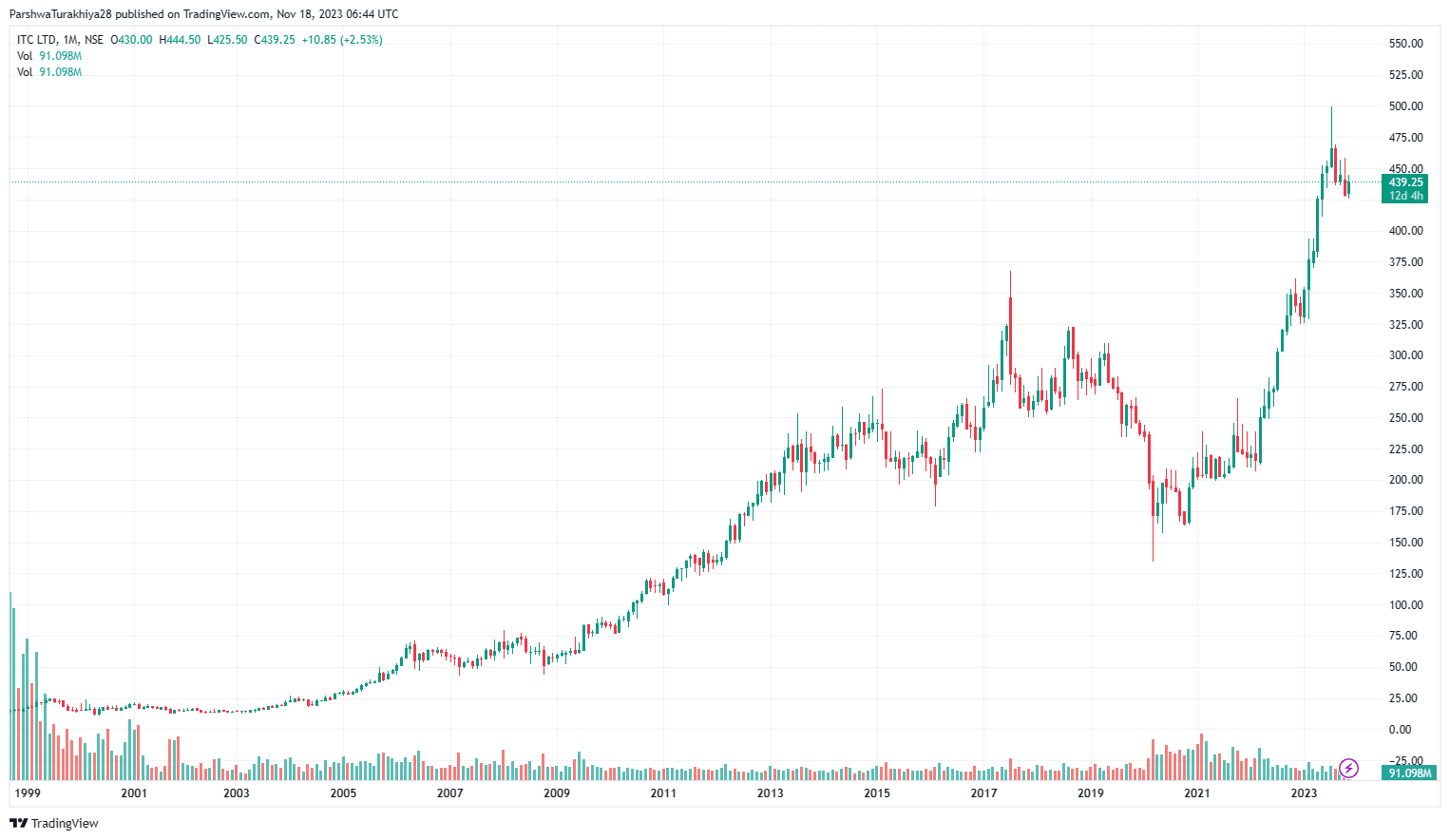 ITC Limited
Engaging in diverse consumer businesses, ITC Limited emerges as a multifaceted investment opportunity for the long term. With a substantial market share in cigarettes and strategic efforts to bolster its FMCG segment, ITC showcases resilience and growth amid global economic uncertainties.
Benefiting from structural drivers of long-term growth, including rising disposable incomes and consumer awareness, ITC has consistently delivered strong operational performance. With a robust Return on Equity (ROE) of 29.1% and a solid dividend yield of 3.46%, ITC stands as a formidable choice for investors seeking stability and growth in their long-term portfolios.
Power Grid Corporation of India
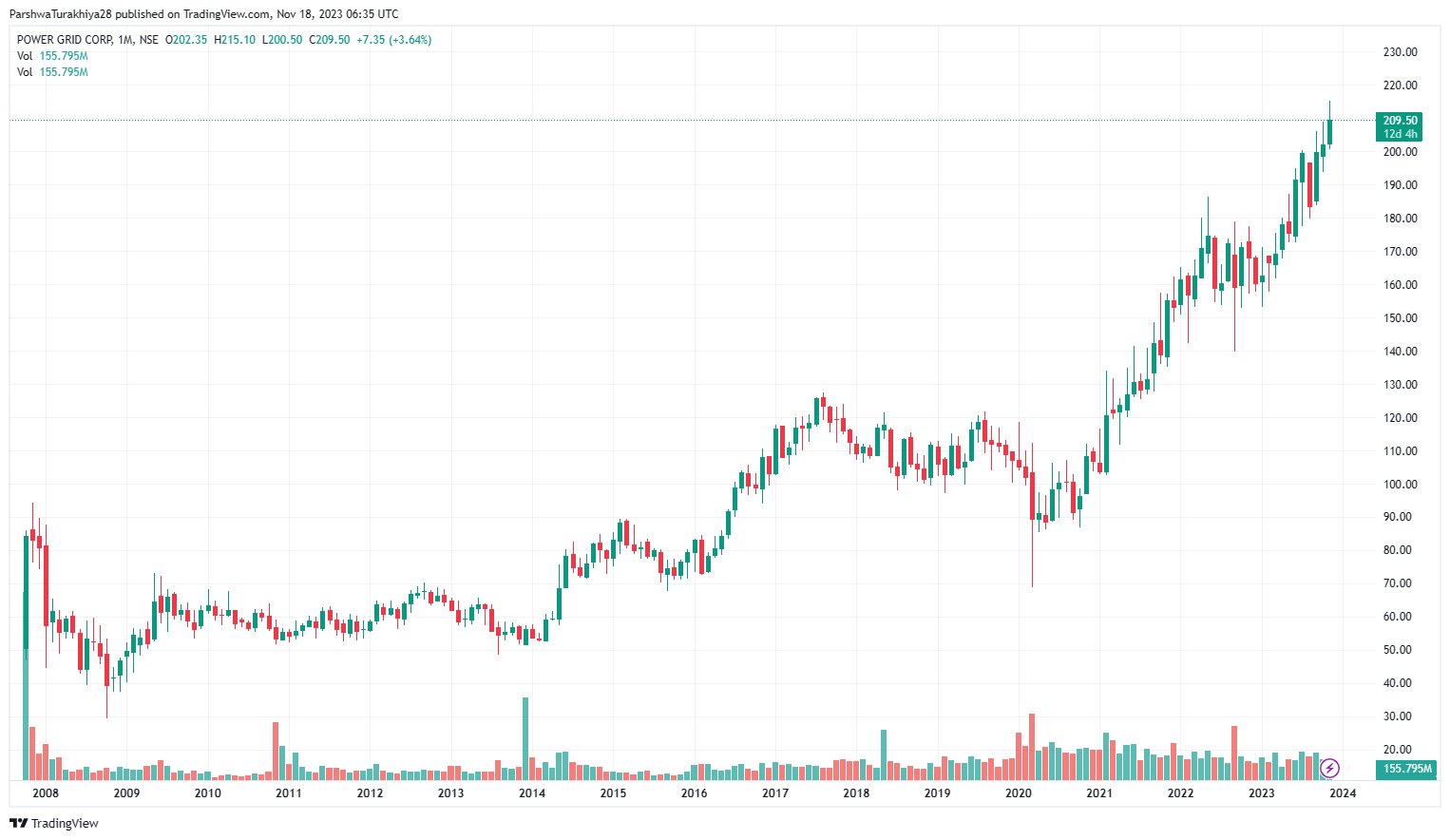 Power Grid Corporation of India
Power Grid Corporation of India, positioned as the backbone of the nation's power transmission infrastructure, assures stability and growth potential for long-term investors. Its pivotal role in the energy sector coupled with a commitment to expanding renewable energy connections speaks volumes of its strategic significance. With moderate risk characterized by 2.17x volatility compared to Nifty, the stock boasts a substantial market cap of ₹1,95,500 crores. This combination of resilience, forward-looking initiatives, and considerable market presence makes Power Grid Corporation a compelling choice for investors seeking enduring value in their portfolios.
Adani Ports and Special Economic Zone Ltd
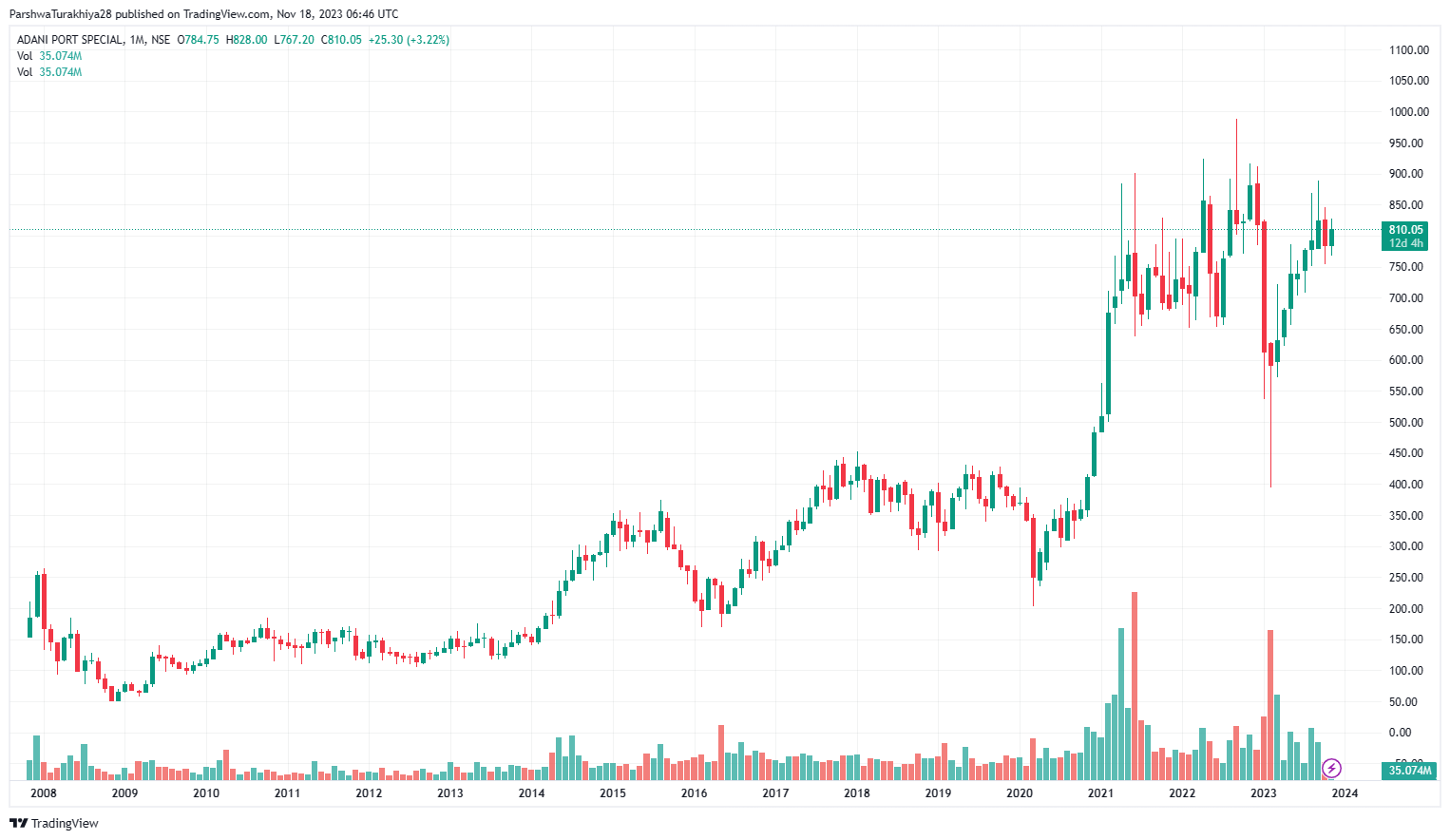 Adani Ports and Special Economic Zone Ltd
Adani Ports and Special Economic Zone Ltd stands at the forefront of logistics and port operations, positioning itself as a promising prospect for long-term investors. Its robust presence in India's growing trade landscape, strategic expansions, and modern infrastructure add layers of attractiveness to this investment opportunity. Despite the high risk associated with 4.14x volatility compared to Nifty, the stock's large market cap of ₹1,74,700 crores highlights its considerable market influence. For investors seeking exposure to the evolving dynamics of trade and logistics, Adani Ports emerges as a strategic and promising choice.
Divi’s Laboratories Ltd
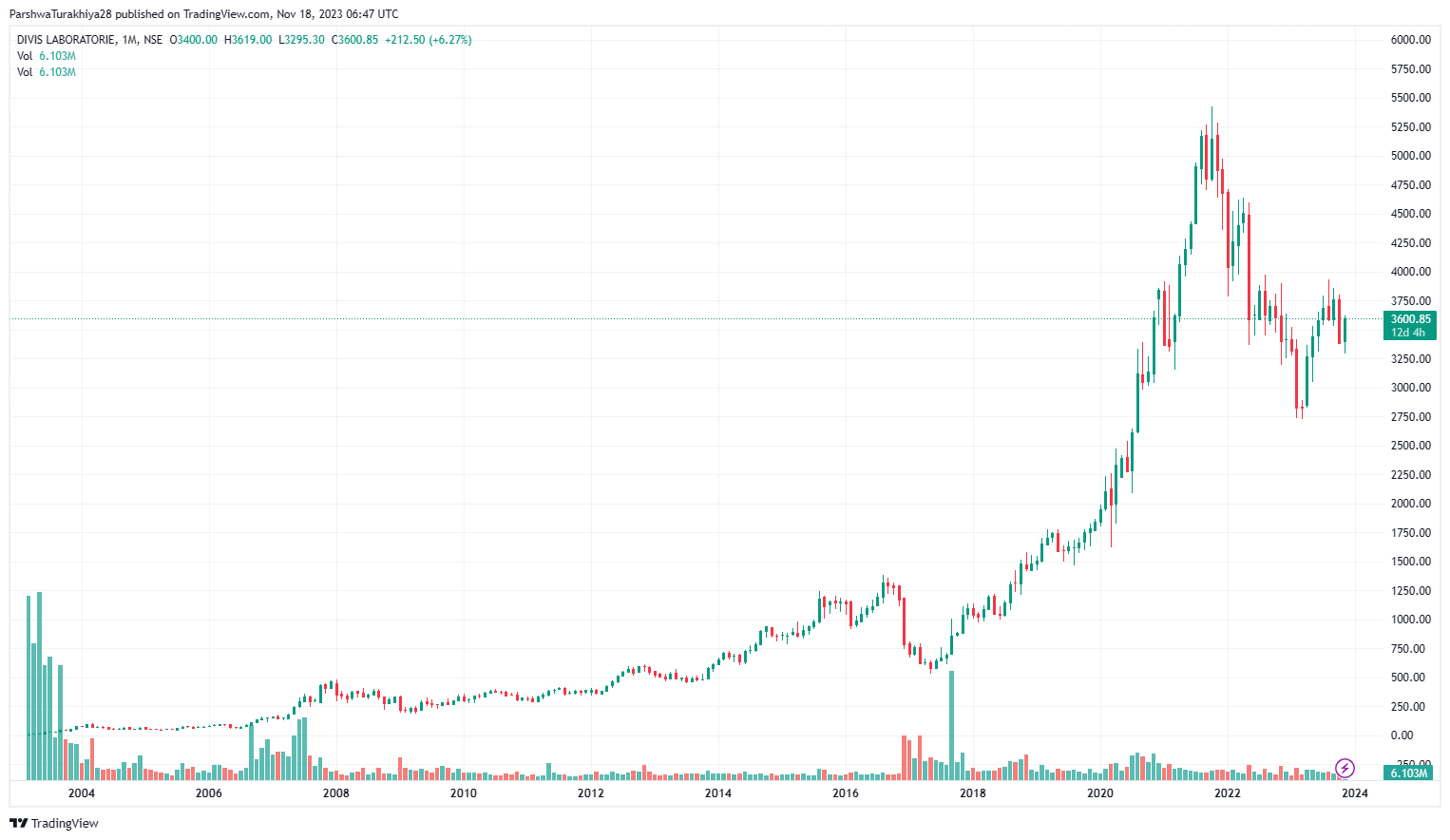 Divi’s Laboratories Ltd
Divi’s Laboratories, a pharmaceutical powerhouse, not only demonstrates consistent growth but also drives innovation in its field. With a 5-year average cash flow margin of 23.91%, the company has strengthened its market share from 37.72% to 46.1% over the last 5 years. The moderate risk profile, characterized by 2.73x volatility compared to Nifty, adds a layer of stability to the investment. The company boasts a large market cap of ₹95,594 crores and is positioned as a notable player in the pharmaceutical landscape, offering investors a blend of growth, innovation, and market prominence.
Infosys
 Infosys
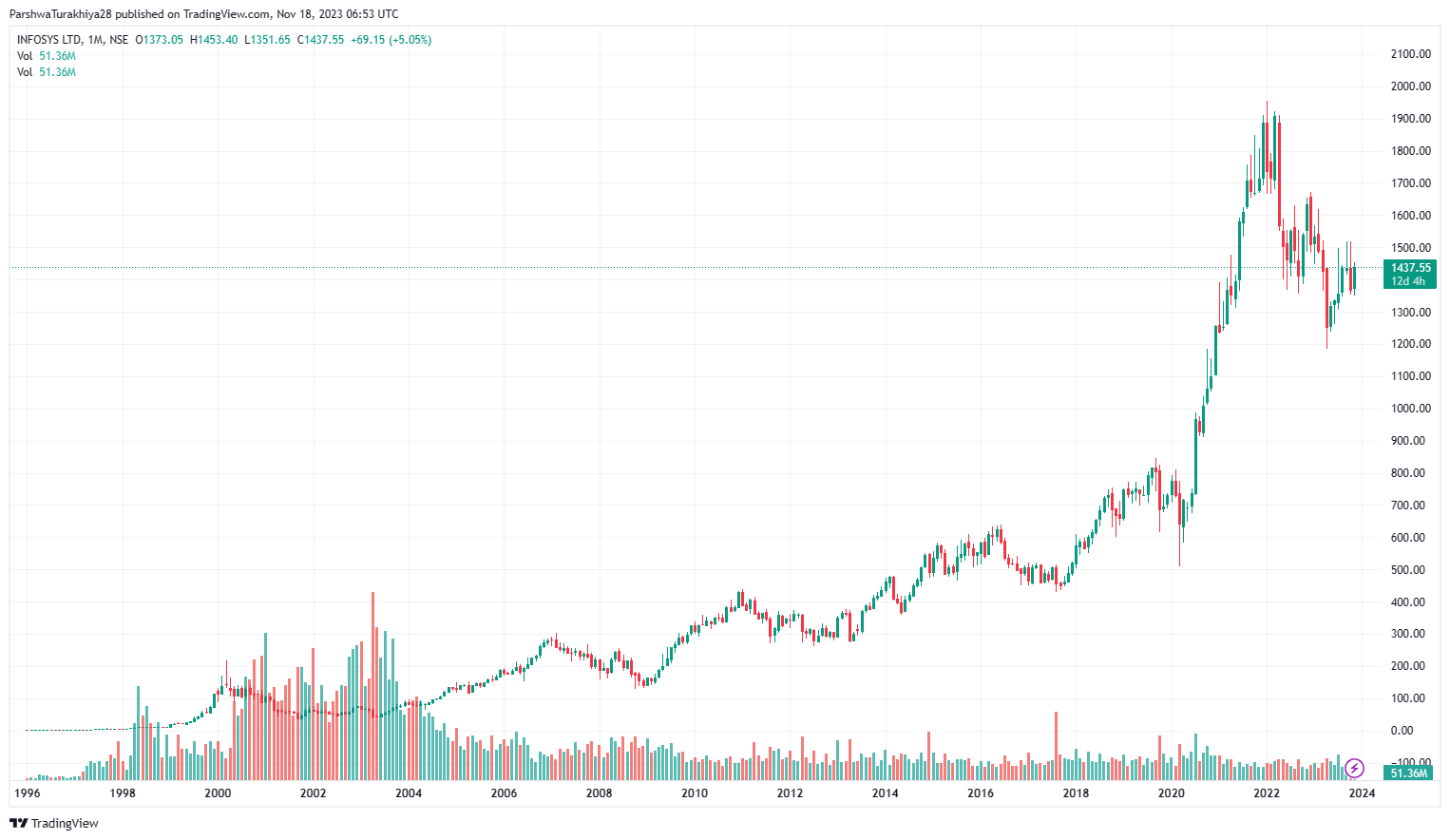
Infosys, a global IT services and consulting giant, commands investor attention for its commitment to innovation, strong corporate governance, and sustainability. With a market capitalization exceeding ₹5,96,350 crore in 2023, Infosys is among the largest and most reputed IT companies globally. Its extensive presence in over 50 countries, serving diverse industries such as finance, healthcare, retail, and manufacturing, positions Infosys as a cornerstone in the tech sector.
The company stands out as a top-performing stock in the technology sector, showcasing strong fundamentals and an impressive price rally. Even those who haven’t already capitalized on the current share-price appreciation are now considering it as an opportune time to add Infosys to their portfolio. The company's stellar performance over the past 12 months reflects its resilience and growth potential. With robust fundamentals, Infosys appears well-positioned to maintain its positive momentum in the foreseeable future, making it an attractive choice for investors looking for a promising addition to their portfolios in the technology sector.
Kotak Mahindra Bank
 Kotak Mahindra Bank
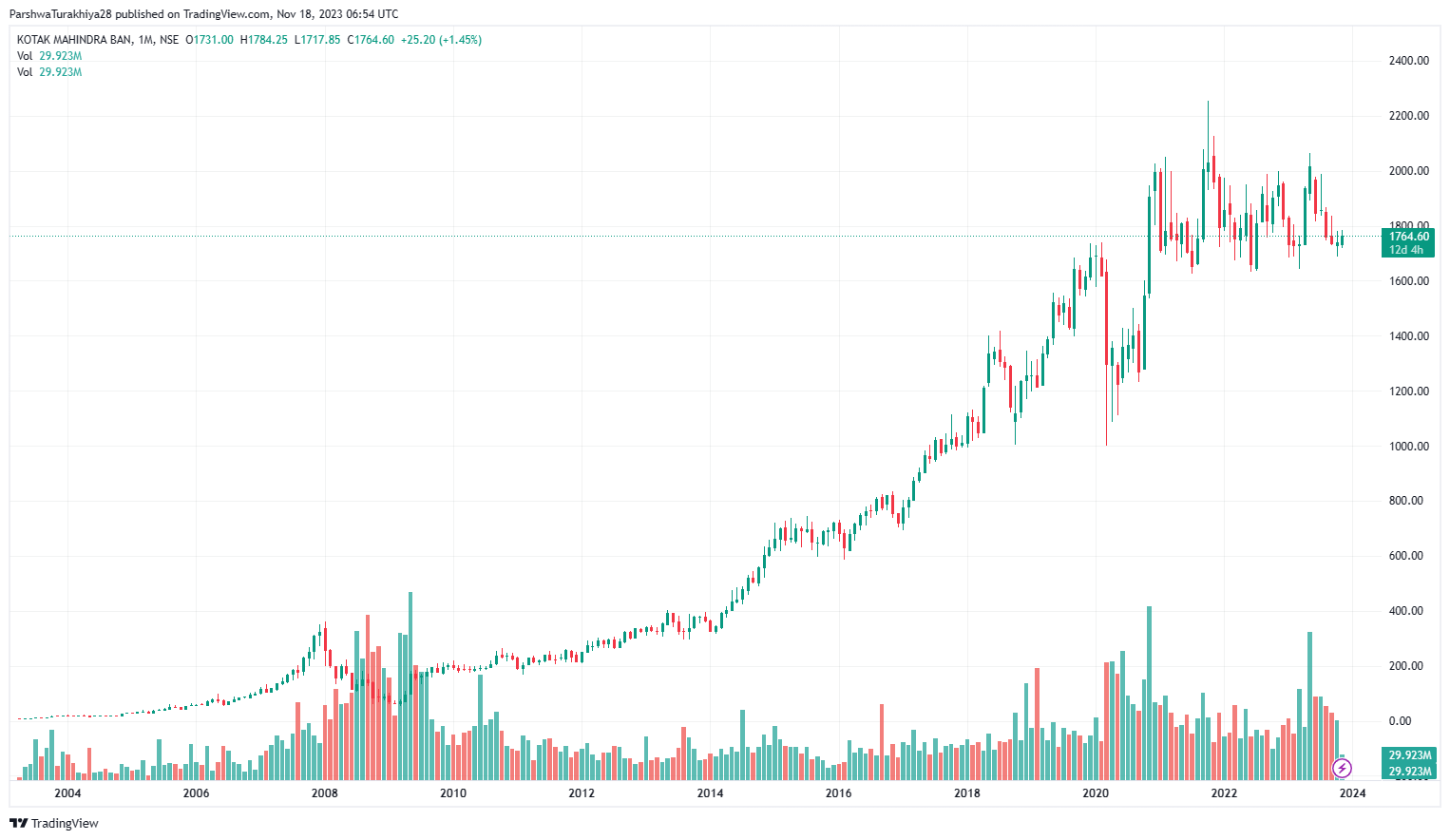
Kotak Mahindra Bank, recognized as one of India's fastest-growing private sector banks, offers a dynamic and forward-thinking investment option. With a diversified loan book and a relentless focus on customer service, the bank has rapidly grown, maintaining a network of over 1,600 branches and 2,500 ATMs across India. The bank's innovative products and technology-driven solutions underscore its commitment to staying ahead in the financial services landscape.
Hindustan Unilever
 Hindustan Unilever
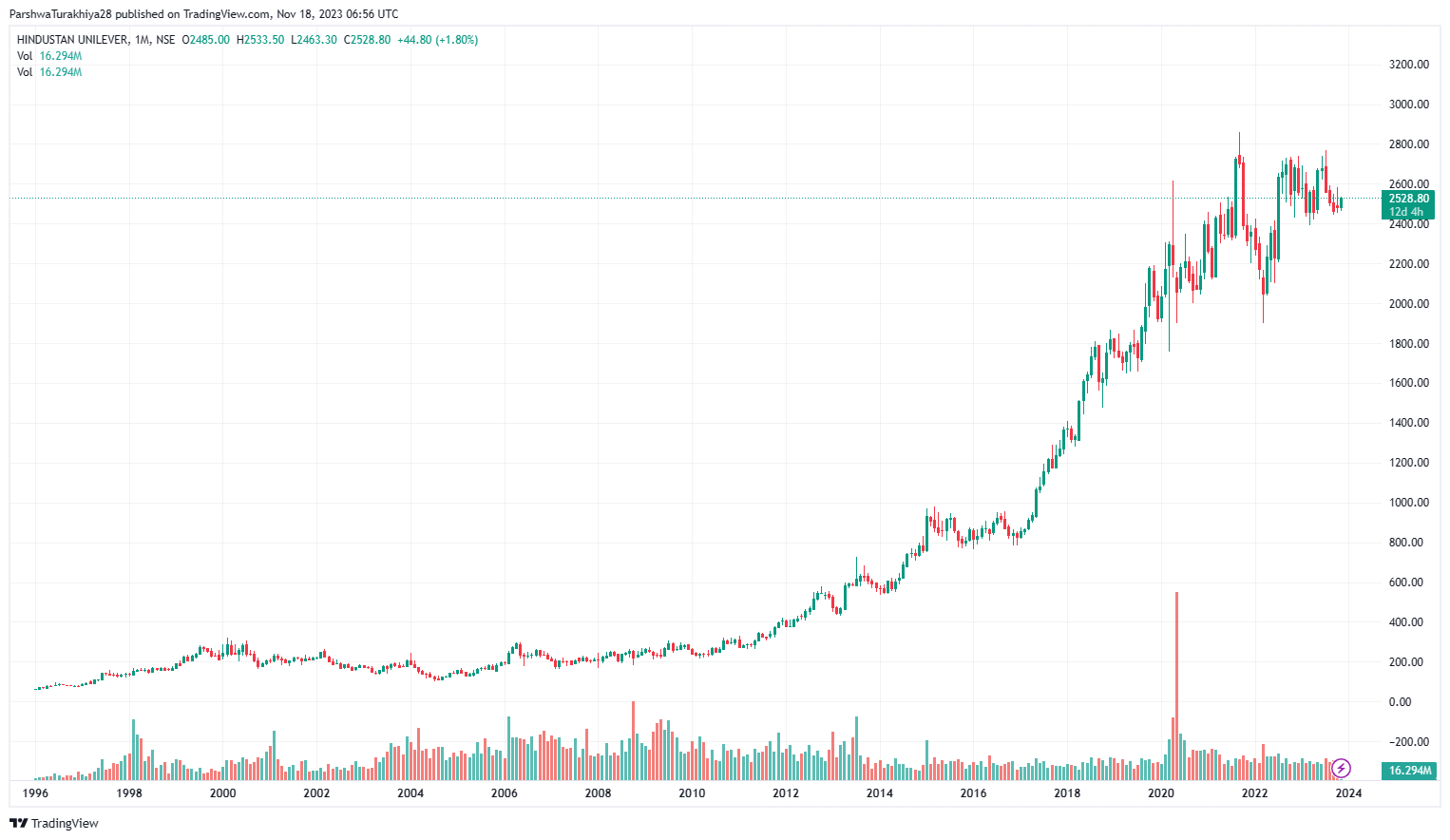
Hindustan Unilever, a subsidiary of the global consumer goods giant Unilever, holds a dominant position as one of India's leading FMCG companies. Enjoying a strong market presence and brand loyalty, the company offers a diverse range of popular brands across personal care, home care, and food and beverages. Its commitment to delivering quality products at accessible price points aligns with the evolving consumer preferences in India. For investors seeking stability in the evergreen FMCG sector, Hindustan Unilever emerges as a reliable choice, underpinned by a legacy of market leadership and consumer trust.
Larsen & Toubro
 Larsen & Toubro
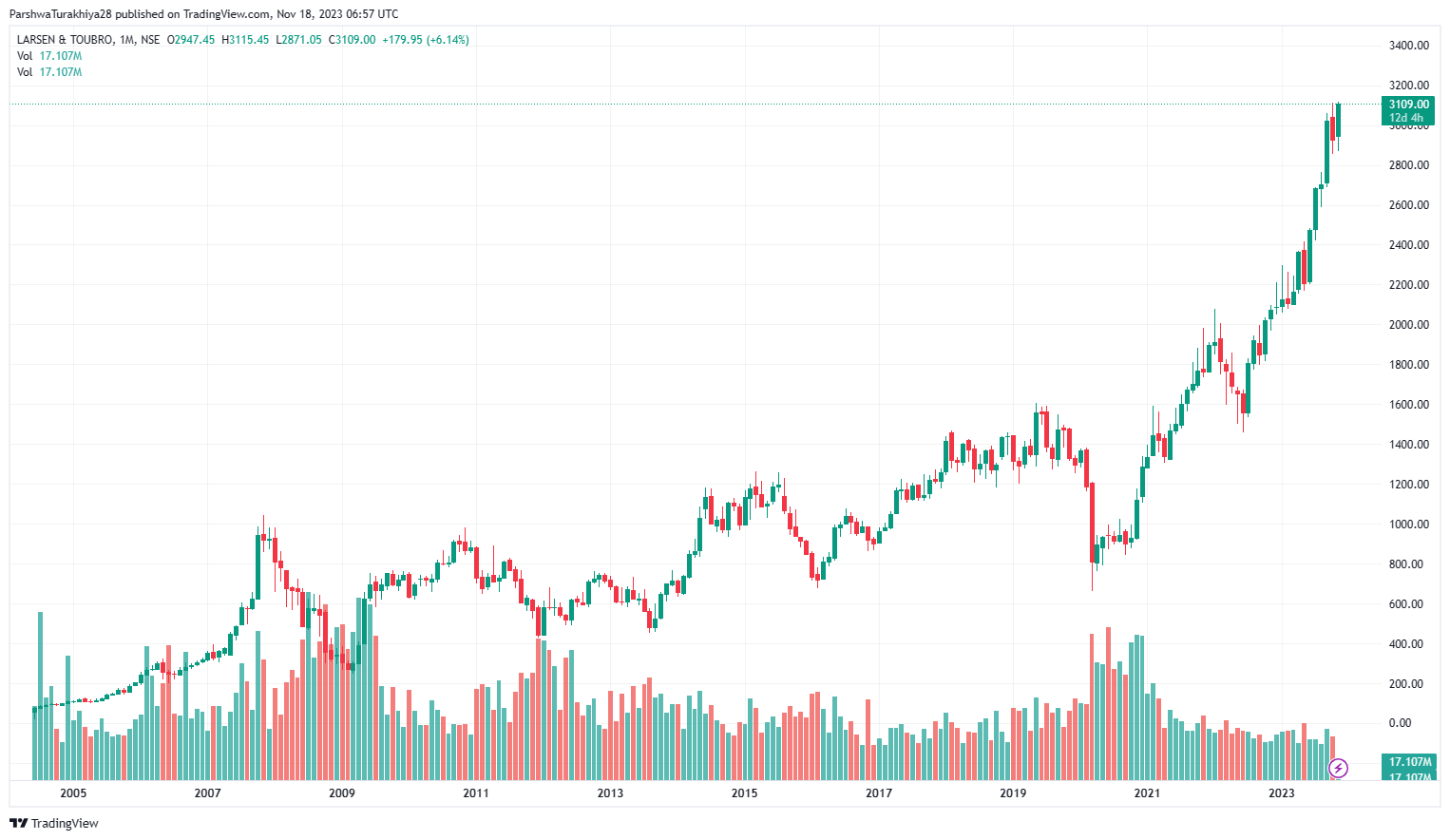
Larsen & Toubro (L&T), positioned as a major beneficiary of recent infrastructure proposals, stands out with a history of strong execution and financial strength. Consistently delivering ROEs of 14% over the last decade, coupled with operating margins exceeding 15%, L&T exhibits resilience and value creation. Despite attractive valuations with a PE under 15x, the company continues to trade as an appealing value-buy option. For investors seeking exposure to India's infrastructure development and a history of consistent performance, Larsen & Toubro emerges as a compelling long-term investment.
What are long-term stocks?
Long-term stocks represent a strategic investment approach where investors commit to holding assets for an extended period, typically for more than a year. This investment philosophy necessitates a combination of discipline and patience, requiring investors to navigate and endure market fluctuations to reap higher returns over an extended horizon.
For those turning to long-term investing, various asset classes come into play, each contributing its unique characteristics to a diversified portfolio. Growth stocks, known for their potential to outperform the market due to substantial earnings growth, form a crucial component.
Stock funds, another branch of long-term investments, provide investors with exposure to a diversified portfolio of stocks, mitigating the risks associated with individual stock selection. Bond funds, on the other hand, offer a more stable income stream through fixed-income securities, providing a balance to the portfolio and reducing overall volatility and market risks.
Dividend stocks, a favored choice for long-term investors, involve holding shares in companies that consistently distribute a portion of their profits to shareholders. This not only offers a steady income stream but also adds an element of resilience to the investment.
Value stocks, characterized by stocks trading at a lower price relative to their fundamentals, are often considered long-term opportunities. These stocks may be temporarily undervalued, presenting investors with the potential for significant future gains.
Target-date funds, designed to automatically adjust the asset allocation mix based on an investor's time horizon, risk tolerance, and financial goals, provide a hands-off approach to long-term investing. These funds evolve over time, aligning with an investor's changing needs as they approach a specific target date, such as retirement.
Pros and cons of buying long-term stocks in India
Investing in long-term stocks in India comes with a set of promising benefits, offering investors a strategic avenue for wealth-building.
- Pros
- Cons
- Potential for higher returns. Historically, the Indian stock market has delivered stronger long-term returns than many traditional asset classes, including bonds, cash, and real estate.
- Time in the market, not timing the market. Long-term investing reduces the need to predict short-term market movements and helps investors benefit from overall market growth over time.
- Lower taxes. Long-term capital gains are generally taxed at lower rates than short-term gains, which can improve net investment returns.
- Power of compounding. Holding investments for longer periods allows returns to compound, potentially leading to significant wealth accumulation over time.
- Market volatility. Stock prices can fluctuate significantly in the short term due to economic conditions, market sentiment, and company-specific developments.
- Limited liquidity. Long-term investing may tie up capital for extended periods, making it less accessible for immediate financial needs.
- Company-specific risks. Investing heavily in a single stock exposes investors to risks such as poor management decisions, regulatory issues, or increased competition. Diversification can help mitigate these risks.
Best stock brokers in India
Before choosing a broker, Indian investors should compare factors such as regulatory oversight, brokerage fees, trading platforms, available investment products, research tools, customer support, and account opening requirements. The best stock brokers combine competitive pricing with reliable execution, user-friendly platforms, and access to a wide range of investment opportunities. The table below highlights some of the leading stock brokers in India, helping you compare their key features and find the option that best matches your investment goals and trading style.
| SpeedTrader | EXANTE | TradeZero | Freedom24 | UTEX | |
|---|---|---|---|---|---|
|
Foundation year |
1999 | 2011 | 2008 | 2013 | 2020 |
|
Account min. |
2,500 | EUR10,000 | 500 | 1 | 10 |
|
Interest rate |
No | Varies | 9% | 7,08 | No |
|
Basic stock/ETF fee |
$0.0025/$0,0009 | From $0.02 | $0,005 | 0,02$/€+2 EUR / 0,25%+10HK$ | 0,02-0,04% |
|
Min. stock/ETF fee |
$0 | $1 | $0.99 | 0,25% | 0,02% |
|
Basic futures fee |
Not specified | From $1.5 | Not specified | Varies | Not provided |
|
Min. futures fee |
Not specified | Not specified | Not specified | Varies | Not provided |
|
Open an account |
Go to broker |
Go to broker Your capital is at risk. |
Go to broker Your capital is at risk. |
Go to broker Your capital is at risk.
|
Go to broker Your capital is at risk.
|
Tips to keep in mind while buying long-term stocks in India
When starting your journey of buying long-term stocks in India, a strategic approach is essential to maximize potential returns and mitigate risks. Consider the following tips to keep in mind before buying long-term stocks.
Independent research is key
Regardless of the credibility of the source, never blindly follow stock market tips without conducting thorough personal research. Proper analysis of a company's performance and overall market conditions is crucial. While some tips may yield significant benefits, others may expose you to unnecessary risks. Invest time in understanding the fundamentals before making informed decisions.
Identify underperforming stocks
Acknowledge that there is no guarantee of a stock rebounding after a significant fall. If a stock in your portfolio consistently underperforms, it's prudent to accept the situation, learn from the mistake, and sell the stock to avoid further losses. Regularly assess and adjust your portfolio to align with your investment goals.
Adhere to your investment budget
While long-term investments offer stability, resist the temptation to hastily exceed your investment budget. Opt for a systematic approach by dividing your budget across various well-performing stocks. Diversification helps spread risk and ensures that the impact of a single stock's performance does not disproportionately affect your overall portfolio.
Do assessments beyond the P/E ratio
Avoid overemphasizing the Price-to-Earnings (P/E) ratio when selecting long-term stocks. Consider a comprehensive evaluation, including factors such as Return on Equity, Market Capitalization, Net Worth, and Past Performance. A holistic approach provides a more accurate representation of a stock's potential for sustained growth.
Adopt and stick to an investment strategy
With various methods for selecting stocks, it's crucial to adopt a strategy aligned with your goals. Conduct fundamental and technical analyses, leverage stock screeners, and tailor your approach to your risk profile. While no strategy guarantees perpetual success, understanding your long-term objectives helps curate a strategy that aligns with your risk tolerance and financial goals.
Know your risk profile
Understanding your risk profile aids in selecting stocks that match your risk tolerance. Tailor your strategy to your risk appetite, keeping in mind that no single strategy works universally. Align your long-term goals and include diversification in your portfolio to weather market fluctuations while aiming for steady returns.
Embrace diversification
Incorporate diversification into your stock portfolio by including a variety of stocks and investment instruments with different expected risks and returns. This strategy safeguards against events that may impact specific stocks, offering a balanced risk-return profile. Diversification contributes to solid returns over the long term, enhancing the resilience of your portfolio.
Use time as an ally
Extend your time horizon for investments to reduce risk. Committing to longer holding periods allows your portfolio to withstand market volatility. Harness time as a significant ally in your investment journey, enabling you to navigate market fluctuations and capitalize on the compounding effect for sustained growth.
How to buy long-term stocks in India?
Investing in long-term stocks in India demands a strategic approach that goes beyond mere speculation. Successful investors prioritize thorough research, in-depth analysis, and consideration of various factors to make informed decisions. Experts have discussed below factors to be considered before buying long term stocks in India.
Research and analysis
Begin with thorough research on potential long-term stocks. Dive into the company's financial health, growth prospects, industry trends, and competitive positioning. Moreover, Analyze historical performance and scrutinize financial statements to measure the stability and potential of the selected stocks.
Selecting stocks
Identify companies with a robust track record, sustainable business models, and the potential for long-term growth. Examples of such stocks in the Indian market include Tata Consultancy Services Ltd, Kotak Mahindra Bank Ltd, Power Grid Corporation of India Ltd, Reliance Industries, and HDFC Bank. Look for companies with a history of consistent performance and a strategic position in their respective industries.
Investment horizon
Long-term investing involves holding stocks for more extended periods, typically exceeding three years. Align your investment decisions with your long-term financial goals avoiding impulsive reactions to short-term market fluctuations. This approach allows investors to ride out market volatility and capitalize on the compounding effect for sustained growth.
Diversification
Mitigate risk and capture growth opportunities by constructing a diversified portfolio. Spread your investments across different sectors, ensuring that the portfolio is not overly concentrated in a specific industry. Diversification enhances resilience against sector-specific downturns while optimizing the potential for overall portfolio growth.
Brokerage account
Open a brokerage account with a reputable and reliable brokerage firm that provides access to the Indian stock market. Choose a platform that aligns with your trading preferences, offering user-friendly interfaces, research tools, and a secure environment for executing trades. The brokerage account serves as your gateway to the stock market, facilitating seamless transactions.
Purchase process
Once the research is complete, and a brokerage account is established, initiate the purchase process. Place buy orders for the selected long-term stocks through the brokerage platform. Ensure that you understand the order types, such as market orders or limit orders, and their implications. Regularly monitor your portfolio and stay informed about market developments that may impact your investment.
Stay informed and reassess
Actively stay informed about the performance of your chosen stocks and the broader market. Periodically reassess your portfolio in alignment with your long-term goals. Be prepared to adjust your holdings based on changes in market dynamics, company performance, and shifts in economic trends.
Monitor tax implications
Keep an eye on the tax implications of your long-term investments. Understand the tax treatment of capital gains and dividends, and optimize your investment strategy accordingly. Tax efficiency is a critical aspect of maximizing returns over the long term.
Where I see the real opportunities in Indian stocks

I see the strongest long-term opportunities in sectors that benefit directly from India’s structural growth, such as banking, infrastructure, and technology. Companies with strong balance sheets, consistent earnings growth, and clear competitive advantages tend to perform more reliably over time. It is not just about picking popular names, but about identifying businesses that can sustain growth through different market cycles.
I would also focus on diversification and realistic expectations. Even high-quality stocks can experience periods of volatility, so building a balanced portfolio across sectors can help manage risk. Rather than trying to predict short-term price movements, a disciplined approach based on fundamentals and long-term trends is more likely to deliver consistent results.
Conclusion
In the dynamic Indian market, the key to successful long-term investing is choosing fundamentally strong companies that thrive on economic growth and exhibit a proven track record of performance. Leaders like Tata Consultancy Services and ICICI Bank exemplify the kind of stability, innovation, and strategic positioning investors should prioritize. Staying diversified across sectors and remaining committed to disciplined investing—rather than chasing short-term trends—can help weather market fluctuations and unlock true wealth-building potential. Ultimately, the path to lasting gains lies in patience, research, and trusting in the compounding power of well-chosen Indian stocks.
FAQs
What key sectors are represented among the top 12 Indian stocks for long-term investment?
How does diversification benefit investors choosing from the top 12 Indian stocks for the long term?
What are the main risks associated with investing in long-term Indian stocks?
Which financial metrics should be prioritized when evaluating the top Indian stocks for long-term investing?
Editors' Top Picks and Insights






Related Articles
Team that worked on the article
Parshwa is a content expert and finance professional possessing deep knowledge of stock and options trading, technical and fundamental analysis, and equity research. As a Chartered Accountant Finalist, Parshwa also has expertise in Forex, crypto trading, and personal taxation.
Dr. BJ Johnson is a PhD in English Language and an editor with over 15 years of experience. He earned his degree in English Language in the U.S and the UK.
Mirjan Hipolito is a journalist and news editor at Traders Union. She is an expert crypto writer with five years of experience in the financial markets.
A margin call is a demand made by a broker or a financial institution to a trader or investor who is using margin (borrowed funds) to cover potential losses in a trading account. It occurs when the value of the securities or assets held in the account falls below a certain threshold, known as the maintenance margin or margin requirement, as specified by the broker.
Cryptocurrency is a type of digital or virtual currency that relies on cryptography for security. Unlike traditional currencies issued by governments (fiat currencies), cryptocurrencies operate on decentralized networks, typically based on blockchain technology.
Crypto trading involves the buying and selling of cryptocurrencies, such as Bitcoin, Ethereum, or other digital assets, with the aim of making a profit from price fluctuations.
A brokerage fee, also known as a commission, is a fee charged by a brokerage or financial institution for facilitating and executing financial transactions on behalf of clients. Brokerage fees are typically associated with services related to buying or selling assets such as stocks, bonds, commodities, or mutual funds.
Options trading is a financial derivative strategy that involves the buying and selling of options contracts, which give traders the right (but not the obligation) to buy or sell an underlying asset at a specified price, known as the strike price, before or on a predetermined expiration date. There are two main types of options: call options, which allow the holder to buy the underlying asset, and put options, which allow the holder to sell the underlying asset.

-
 Afghanistan
-
 Albania
-
 Algeria
-
 Angola
-
 Argentina
-
 Armenia
-
 Australia
-
 Austria
-
 Azerbaijan
-
 Bahamas
-
 Bahrain
-
 Bangladesh
-
 Belarus
-
 Belgium
-
 Bolivia
-
 Botswana
-
 Brazil
-
 Brunei
-
 Bulgaria
-
 Cambodia
-
 Cameroon
-
 Canada
-
 Chile
Chile
-
 China
China
-
 Colombia
-
 Congo
Congo
-
 Costa Rica
-
 Cote d'Ivoire
-
 Croatia
-
 Cuba
Cuba
-
 Cyprus
-
 Czechia
-
 DR Congo
-
 Denmark
-
 Dominican Republic
-
 Ecuador
-
 Egypt
Egypt
-
 El Salvador
-
 Estonia
-
 Eswatini
-
 Ethiopia
-
 Finland
-
 France
-
 Georgia
-
 Germany
-
 Ghana
Ghana
-
 Greece
-
 Haiti
Haiti
-
 Hong Kong
-
 Hungary
-
 India
India
-
 Indonesia
-
 Iran, Islamic republic
-
 Iraq
Iraq
-
 Ireland
-
 Israel
-
 Italy
Italy
-
 Jamaica
-
 Japan
Japan
-
 Jordan
-
 Kazakhstan
-
 Kenya
Kenya
-
 Korea
Korea
-
 Kuwait
-
 Kyrgyzstan
-
 Laos
Laos
-
 Latvia
-
 Lebanon
-
 Lesotho
-
 Libya
Libya
-
 Lithuania
-
 Luxembourg
-
 Madagascar
-
 Malaysia
-
 Malta
Malta
-
 Mauritius
-
 Mexico
-
 Moldova
-
 Mongolia
-
 Montenegro
-
 Morocco
-
 Mozambique
-
 Myanmar
-
 Namibia
-
 Nepal
Nepal
-
 Netherlands
-
 New Zealand
-
 Nigeria
-
 North Macedonia
-
 Norway
-
 Oman
Oman
-
 Pakistan
-
 Palestine
-
 Panama
-
 Papua New Guinea
-
 Paraguay
-
 Peru
Peru
-
 Philippines
-
 Poland
-
 Portugal
-
 Puerto Rico
-
 Qatar
Qatar
-
 Reunion
-
 Romania
-
 Rwanda
-
 Saudi Arabia
-
 Serbia
-
 Singapore
-
 Slovakia
-
 Slovenia
-
 Somalia
-
 South Africa
-
 Spain
Spain
-
 Sri Lanka
-
 Sweden
-
 Switzerland
-
 Syria
Syria
-
 Taiwan
-
 Tajikistan
-
 Tanzania
-
 Thailand
-
 Trinidad and Tobago
-
 Tunisia
-
 Turkey
-
 UAE
UAE
-
 Uganda
-
 Ukraine
-
 United Kingdom
-
United States
-
 Uruguay
-
 Uzbekistan
-
 Venezuela
-
 Vietnam
-
 Yemen
Yemen
-
 Zambia
-
 Zimbabwe
- Forex
- Crypto












