
China Crypto Portfolio For 2026


Editorial Note: While we adhere to strict Editorial Integrity, this post may contain references to products from our partners. Here's an explanation for How We Make Money. None of the data and information on this webpage constitutes investment advice according to our Disclaimer.
China holds significant digital assets despite strict regulations:
Bitcoin (BTC). Over 200,000 BTC seized from scams.
Ethereum (ETH). Used in enterprise and blockchain projects.
NEO (NEO). China’s smart contract platform.
Filecoin (FIL). Decentralized storage mining hub.
Conflux (CFX). China’s government-approved blockchain.
Digital Yuan (e-CNY). Official central bank digital currency (CBDC).
China may restrict crypto trading, but it still holds a strong presence in the industry. The country invests heavily in blockchain technology and key crypto projects, maintaining influence through government-backed initiatives. This article breaks down China’s crypto portfolio, major investments, and how its policies continue to shape the market.
How China’s crypto portfolio has evolved
China’s stance on cryptocurrency has shifted over time. The country has moved from bans to strategic blockchain investments while underground adoption persists.
2017. China banned initial coin offerings (ICOs) and shut down cryptocurrency exchanges, pushing platforms like Binance and OKEx to move overseas.
2019. The government supported blockchain technology, focusing on its use in industries.
2021. China cracked down on crypto mining, leading miners to relocate their operations to other countries.
2022-present. Despite restrictions, China remains active in the crypto world through investments in Hong Kong-based projects and blockchain developments.
Breakdown of China’s cryptocurrency holdings
While China officially restricts cryptocurrency trading, entities affiliated with the country still hold considerable influence in the sector. Here’s a closer look at China’s crypto-related holdings:
Bitcoin (BTC)
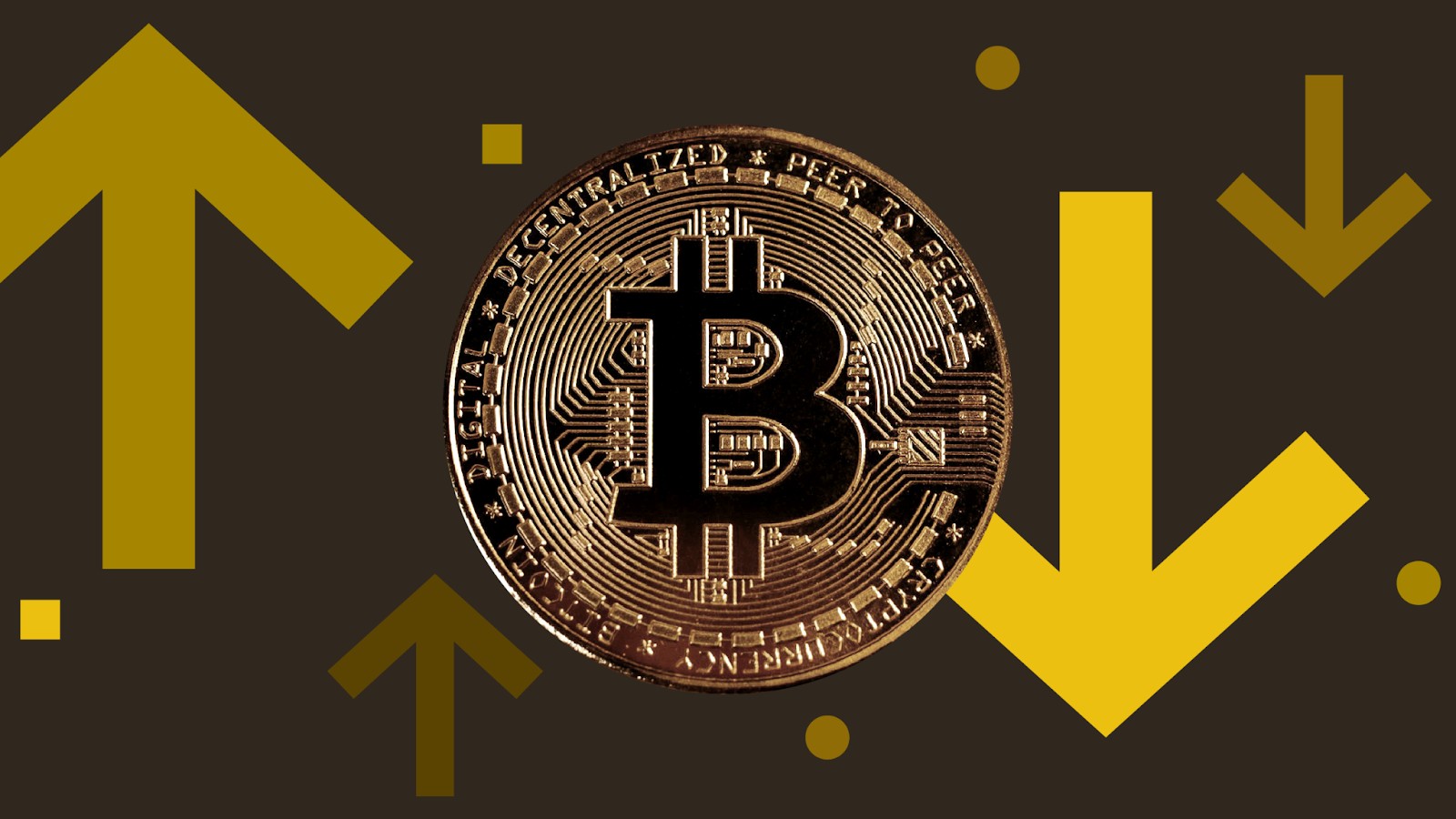
Estimated holdings. Over 200,000 BTC, seized from Ponzi schemes like PlusToken and controlled by government authorities.
Market impact. These holdings provide China with significant leverage over Bitcoin’s price movements.
China’s Bitcoin reserves continue to be a debated topic, as their potential liquidation could affect global markets.
Bitcoin mining. Despite bans, underground mining operations persist, contributing to global hash rates.
Ethereum (ETH)

Total holdings. Indirect investments via companies supporting Ethereum-based projects.
Strategic importance. China has invested in Ethereum-based blockchain solutions, particularly in finance and enterprise applications.
Ethereum adoption in China demonstrates the nation’s broader interest in blockchain despite its strict crypto regulations.
Enterprise use. Many Chinese corporations use Ethereum’s smart contracts for decentralized applications (dApps).
NEO (NEO)
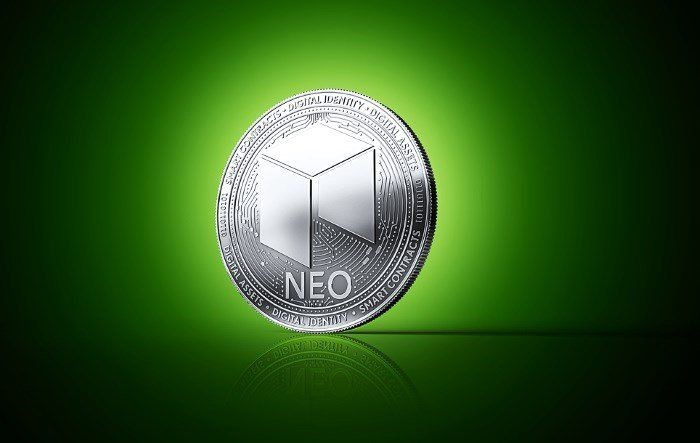
China’s “Ethereum equivalent”. Developed with backing from Chinese entities, focusing on smart contracts and regulatory compliance.
Government alignment. Designed to integrate with China’s digital economy vision.
NEO’s role in China’s crypto landscape remains a key project within China’s blockchain infrastructure.
Adoption and innovation. Ongoing updates and partnerships enhance NEO’s appeal for developers.
Filecoin (FIL)

Chinese mining dominance. Many of Filecoin’s largest mining operations are based in China, making it a critical asset for decentralized storage.
Regulatory impact. Despite crypto restrictions, Filecoin mining remains prevalent.
Filecoin's presence in China’s blockchain sector has contributed to the network’s overall growth and security.
Data storage. Filecoin is used for decentralized cloud storage solutions in China.
Conflux (CFX)

China’s public blockchain. One of the few crypto projects with regulatory approval to operate in China.
Use case. Designed to support government and enterprise blockchain applications.
Conflux's role in China’s blockchain strategy serves as a bridge between decentralized and regulated blockchain ecosystems.
Cross-border capabilities. Conflux facilitates blockchain applications in China and international markets.
Digital Yuan (e-CNY)
Central Bank Digital Currency (CBDC). Officially launched by China’s central bank.
Controlled circulation. Unlike decentralized cryptocurrencies, e-CNY is fully regulated.
International expansion. China is testing cross-border use cases for the digital yuan.
China’s indirect crypto influence
China’s role in crypto may seem restricted, but its influence continues in ways that are not always obvious. While direct bans exist, China’s financial strategies, blockchain investments, and offshore activities continue shaping the crypto world in unexpected ways.
Hong Kong as China’s regulatory loophole. While China bans crypto trading, Hong Kong has emerged as a testing ground for crypto-friendly regulations. Many Chinese firms establish a presence there, allowing them to access global markets while technically complying with China’s domestic policies.
Chinese banks quietly facilitating crypto transactions. Despite the ban, some Chinese banks have been reported to facilitate transactions for offshore crypto exchanges. These services often operate through intermediary firms, allowing liquidity to flow between China and international markets.
State-backed blockchain projects influencing DeFi. China is investing heavily in blockchain but focusing on centralized control. Projects like the Blockchain Service Network (BSN) aim to integrate with global DeFi applications while maintaining regulatory oversight. Understanding how BSN interacts with DeFi protocols can reveal where China’s influence is growing.
Mainland developers shaping the global crypto ecosystem. Many top blockchain projects have key developers from China, even if the projects themselves are registered elsewhere. Their work indirectly influences the direction of crypto innovation, from layer-2 scaling solutions to AI-driven smart contracts.
China’s grip on rare earth metals affecting mining. While crypto mining has been pushed overseas, China still controls the supply of rare earth metals critical for mining hardware. This monopoly gives China an indirect influence over the costs and availability of crypto mining equipment worldwide.
Despite strict regulations on the mainland, cryptocurrency trading activity linked to China continues through offshore hubs, over-the-counter (OTC) desks, and regulated markets such as Hong Kong. For global investors and traders observing China’s indirect crypto exposure, access to digital assets typically comes through international crypto exchanges. The table below compares popular platforms used for trading major cryptocurrencies.
| Coinbase | OKX | BTCC | Cryptohopper | Crypto.com | |
|---|---|---|---|---|---|
|
Demo account |
No | Yes | Yes | No | No |
|
Coins Supported |
400+ | 600+ | 399 | 1000 | 400+ |
|
Min. Deposit, $ |
10 | 10 | 10 | No | 1 |
|
Spot leverage |
1:3 | 1:10 | 1:1 | No | 1:3 |
|
Spot Maker Fee, % |
0.5 | 0.08 | 0.2 | 0 | 0.25 |
|
Spot Taker fee, % |
0.5 | 0.1 | 0.3 | 0 | 0.5 |
|
TU overall score |
8.5 | 8.46 | 8.08 | 7.8 | 7.76 |
|
Open an account |
Go to broker Your capital is at risk. |
Go to broker Your capital is at risk. |
Go to broker Your capital is at risk.
|
Go to broker Your capital is at risk. |
Go to broker Your capital is at risk. |
China’s role in Central Bank Digital Currencies (CBDCs)
China’s digital yuan (e-CNY) is not just a cash replacement but a blueprint for financial dominance. While many focus on its role in everyday transactions, a key advantage lies in how it reshapes financial surveillance and liquidity control.
Unlike traditional banknotes, the e-CNY allows the People’s Bank of China (PBOC) to adjust the velocity of money in real time. This means they can program the currency to expire after a certain period or restrict its usage to specific industries during economic slowdowns. For investors and businesses, understanding these programmable restrictions can offer insights into China’s broader economic strategy, helping them anticipate policy shifts before they happen.
A lesser-known feature of the e-CNY is its impact on international trade and de-dollarization. Unlike SWIFT-based transactions, which take days and carry compliance risks, China’s CBDC operates on a controlled yet borderless infrastructure through agreements with trading partners. This is already visible in cross-border settlements with the Belt and Road Initiative (BRI), where the e-CNY is reducing reliance on the U.S. dollar. Businesses engaging with China should watch for shifts in digital yuan adoption among key BRI nations, as these trends signal where trade power is shifting.
Market impact and future outlook
Understanding China's crypto market requires looking beyond bans and regulations. While headlines focus on restrictions, real opportunities lie in strategic loopholes, offshore connections, and government-backed blockchain projects.
China’s blockchain investment strategy benefits Web3 startups. Despite banning cryptocurrencies, China has poured billions into blockchain research, favoring projects that align with its digital yuan goals. Web3 startups targeting China should focus on enterprise solutions, cross-border trade, or government-friendly blockchain applications rather than consumer crypto products.
Hong Kong’s crypto regulations are a backdoor for mainland investors. While mainland China has strict crypto laws, Hong Kong operates under different financial rules, allowing for regulated crypto trading. Many Chinese investors and firms use Hong Kong as a bridge to the global market, making it an essential hub for crypto startups looking to attract Chinese capital.
Government-linked blockchain projects create hidden opportunities. China’s major banks and state-run tech companies invest heavily in blockchain for supply chain tracking, digital IDs, and financial settlement systems. Investors should look at projects collaborating with state-backed firms or focusing on permissioned blockchains that align with China’s policies.
China’s underground crypto market thrives through OTC and P2P trading. Banned from exchanges, many Chinese traders rely on over-the-counter (OTC) and peer-to-peer (P2P) trading platforms, often using stablecoins like USDT for transactions. Understanding this market requires knowledge of trusted OTC desks and regional trading patterns, which can be a major edge for arbitrage opportunities.
The digital yuan is shaping global finance in unexpected ways. Unlike traditional cryptocurrencies, China’s central bank digital currency (CBDC) is gaining traction in trade settlements and cross-border transactions, particularly in Africa and Southeast Asia. Crypto projects with fiat on-ramps should explore integration with the digital yuan, as it could become a key gateway for blockchain adoption in China’s trade network.
Risks and warnings
Regulatory uncertainty. China’s policies on crypto remain unpredictable.
Market manipulation risks. Large Bitcoin holdings allow for potential price influence.
Limited retail access. Strict bans make it challenging for individual Chinese investors to participate.
China’s evolving crypto regulations could change rapidly, impacting both domestic and global investors.
China’s controlled crypto expansion through Hong Kong and blockchain funding

China may appear to be shutting down crypto, but its real strategy is far more nuanced. While retail trading is restricted, the country is actively funding blockchain development through state-backed enterprises and private partnerships.
China is channeling investments into permissioned blockchains, digital infrastructure, and tokenized trade finance. This calculated shift supports projects that align with China’s long-term financial goals, such as integrating blockchain with the digital yuan, enhancing supply chain logistics, and creating compliant cross-border payment networks. Developers and investors who align with these priorities stand a higher chance of securing funding or entering China’s tightly regulated blockchain ecosystem.
A key element of this strategy is China’s indirect support for Hong Kong’s regulated crypto sector. While the mainland restricts exchanges, Hong Kong is establishing a structured framework for licensed crypto firms, many of which are backed by Chinese capital.
Financial giants from China are setting up operations in Hong Kong to explore tokenized securities, compliance-friendly stablecoins, and regulated DeFi applications. This dual approach — tight restrictions on the mainland but controlled blockchain growth in Hong Kong — allows China to maintain oversight while positioning itself at the forefront of Web3 innovation. Those looking to tap into China’s crypto market should monitor Hong Kong’s evolving regulations as the gateway to this evolving financial ecosystem.
Conclusion
China’s strategic foray into the crypto and blockchain sectors underscores its commitment to shaping global digital finance. By investing in foundational technologies and selectively supporting projects like BSN and the digital yuan, China wields significant influence over emerging market standards. These calculated moves, guided by proactive government policies, signal that China views blockchain not merely as a speculative asset class, but as a tool for long-term economic and technological leadership. Ultimately, as the world navigates an evolving digital landscape, China’s balanced yet assertive approach serves as a blueprint for harnessing innovation while maintaining regulatory control.
FAQs
What are the main risks associated with China’s large Bitcoin holdings?
How does the digital yuan differ from traditional cryptocurrencies in terms of functionality?
Why is Filecoin an important asset in China’s crypto portfolio?
How do over-the-counter (OTC) and peer-to-peer (P2P) trading sustain China’s underground crypto market?
Editors' Top Picks and Insights






Related Articles
Team that worked on the article
Parshwa is a content expert and finance professional possessing deep knowledge of stock and options trading, technical and fundamental analysis, and equity research. As a Chartered Accountant Finalist, Parshwa also has expertise in Forex, crypto trading, and personal taxation.
Dan Blystone began his trading career in 1998 as an arbitrage clerk on the floor of the Chicago Mercantile Exchange (CME). He later traded bond and Eurex futures at proprietary firms such as Altea Trading, gaining valuable experience in high-frequency trading and risk management.
Chinmay Soni is a financial analyst with more than 5 years of experience in working with stocks, Forex, derivatives, and other assets. As a founder of a boutique research firm and an active researcher, he covers various industries and fields, providing insights backed by statistical data.
CFD is a contract between an investor/trader and seller that demonstrates that the trader will need to pay the price difference between the current value of the asset and its value at the time of contract to the seller.
Options trading is a financial derivative strategy that involves the buying and selling of options contracts, which give traders the right (but not the obligation) to buy or sell an underlying asset at a specified price, known as the strike price, before or on a predetermined expiration date. There are two main types of options: call options, which allow the holder to buy the underlying asset, and put options, which allow the holder to sell the underlying asset.
Index in trading is the measure of the performance of a group of stocks, which can include the assets and securities in it.
Ethereum is a decentralized blockchain platform and cryptocurrency that was proposed by Vitalik Buterin in late 2013 and development began in early 2014. It was designed as a versatile platform for creating decentralized applications (DApps) and smart contracts.
An investor is an individual, who invests money in an asset with the expectation that its value would appreciate in the future. The asset can be anything, including a bond, debenture, mutual fund, equity, gold, silver, exchange-traded funds (ETFs), and real-estate property.

-
 Afghanistan
-
 Albania
-
 Algeria
-
 Angola
-
 Argentina
-
 Armenia
-
 Australia
-
 Austria
-
 Azerbaijan
-
 Bahamas
-
 Bahrain
-
 Bangladesh
-
 Belarus
-
 Belgium
-
 Bolivia
-
 Botswana
-
 Brazil
-
 Brunei
-
 Bulgaria
-
 Cambodia
-
 Cameroon
-
 Canada
-
 Chile
Chile
-
 China
China
-
 Colombia
-
 Congo
Congo
-
 Costa Rica
-
 Cote d'Ivoire
-
 Croatia
-
 Cuba
Cuba
-
 Cyprus
-
 Czechia
-
 DR Congo
-
 Denmark
-
 Dominican Republic
-
 Ecuador
-
 Egypt
Egypt
-
 El Salvador
-
 Estonia
-
 Eswatini
-
 Ethiopia
-
 Finland
-
 France
-
 Georgia
-
 Germany
-
 Ghana
Ghana
-
 Greece
-
 Haiti
Haiti
-
 Hong Kong
-
 Hungary
-
 India
India
-
 Indonesia
-
 Iran, Islamic republic
-
 Iraq
Iraq
-
 Ireland
-
 Israel
-
 Italy
Italy
-
 Jamaica
-
 Japan
Japan
-
 Jordan
-
 Kazakhstan
-
 Kenya
Kenya
-
 Korea
Korea
-
 Kuwait
-
 Kyrgyzstan
-
 Laos
Laos
-
 Latvia
-
 Lebanon
-
 Lesotho
-
 Libya
Libya
-
 Lithuania
-
 Luxembourg
-
 Madagascar
-
 Malaysia
-
 Malta
Malta
-
 Mauritius
-
 Mexico
-
 Moldova
-
 Mongolia
-
 Montenegro
-
 Morocco
-
 Mozambique
-
 Myanmar
-
 Namibia
-
 Nepal
Nepal
-
 Netherlands
-
 New Zealand
-
 Nigeria
-
 North Macedonia
-
 Norway
-
 Oman
Oman
-
 Pakistan
-
 Palestine
-
 Panama
-
 Papua New Guinea
-
 Paraguay
-
 Peru
Peru
-
 Philippines
-
 Poland
-
 Portugal
-
 Puerto Rico
-
 Qatar
Qatar
-
 Reunion
-
 Romania
-
 Rwanda
-
 Saudi Arabia
-
 Serbia
-
 Singapore
-
 Slovakia
-
 Slovenia
-
 Somalia
-
 South Africa
-
 Spain
Spain
-
 Sri Lanka
-
 Sweden
-
 Switzerland
-
 Syria
Syria
-
 Taiwan
-
 Tajikistan
-
 Tanzania
-
 Thailand
-
 Trinidad and Tobago
-
 Tunisia
-
 Turkey
-
 UAE
UAE
-
 Uganda
-
 Ukraine
-
 United Kingdom
-
United States
-
 Uruguay
-
 Uzbekistan
-
 Venezuela
-
 Vietnam
-
 Yemen
Yemen
-
 Zambia
-
 Zimbabwe
- Forex
- Crypto












