The tweet was deleted by the author.
But we saved everything 🙂.

Mark Cuban believes ordinary employees can turn salaried work into a source of wealth. His approach is not built on fashionable investment ideas, but on the right to own part of the business a person helps grow. Yet not long ago, the entrepreneur viewed cryptocurrencies as a key path to success.
American billionaire, entrepreneur and investor Mark Cuban believes the main way to narrow the gap between wealthy and lower-paid employees is to give people a stake in the companies they work for. On the What It Takes podcast, he said stocks, options and other forms of equity compensation should go not only to executives, but to everyone else as well — from senior managers to janitors.
Cuban proposes a simple principle: an employee’s equity award should be calculated in the same proportion to salary as the CEO’s. For example, if the head of a company receives $1 million in cash and another $100,000 in stock, the equity package equals 10% of their cash compensation. An employee earning $50,000 should therefore receive $5,000 worth of stock.
Cuban believes this approach could significantly improve workers’ financial position. A salary covers current expenses, but rarely creates substantial wealth. Stocks give employees a chance to benefit from the growth of the business, its sale or an eventual public listing — in other words, to receive not a one-time raise, but a share of the company’s future success.
Cuban is not just another theorist. Before selling Broadcast.com to Yahoo in 1999, he distributed shares among 330 employees. The deal was valued at around $5 billion, and most of those workers became millionaires afterward.
The entrepreneur followed a similar approach at other companies. Employees of his first IT firm, MicroSolutions, also received equity and cash bonuses after the business was sold. Cuban says these payouts helped him create at least 1,000 millionaires.
He now wants to turn this practice from an owner’s personal choice into a standard across corporate America. Companies that grant employees stock in the same proportion to salary as executives could retain the 21% corporate tax rate. If a business refuses to share ownership with workers, the tax benefit should disappear.
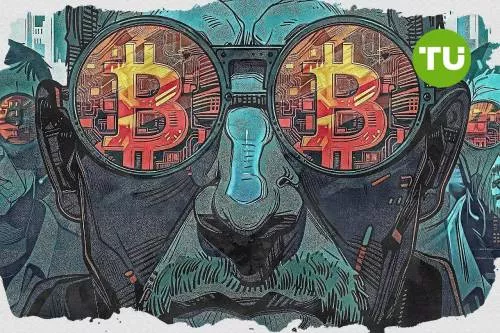
Several years ago, Cuban viewed cryptocurrencies as a source of long-term wealth. In 2021, Bitcoin accounted for about 60% of his crypto portfolio, while Ethereum made up another 30%. He called Bitcoin a better version of gold, pointed to its limited supply and even suggested that the cryptocurrency could one day become a global safe-haven asset.
But in May 2026, Cuban said he had sold most of his Bitcoin holdings. The turning point was the market’s reaction to escalating tensions involving Iran: gold surged, while Bitcoin fell below $77,000. A weaker dollar also failed to lift the cryptocurrency, even though those were precisely the conditions in which it was expected to rise.
The biggest disappointment for the investor was Bitcoin’s inability to serve as protection against geopolitical and currency risks. In practice, the asset once again behaved like a high-risk investment driven by broader market sentiment. Cuban has not abandoned the crypto industry entirely, however. He remains more positive about Ethereum because of smart contracts, DeFi and other practical applications.
Cuban’s disappointment extends beyond Bitcoin. In February 2025, he dropped plans to launch his own memecoin following the scandal surrounding the LIBRA token, which initially reached a market capitalization of $4.5 billion before collapsing by 99%. The billionaire said he did not want to take part in a market where early investors and project creators could profit at the expense of those buying later.
Cuban also sharply criticized the TRUMP memecoin and crypto projects associated with Donald Trump. In his view, such products create a misleading image of the crypto industry and make it harder for people to understand where blockchain technology offers real utility. At the same time, he supported looser regulation in the U.S. and changes at the SEC, while drawing a clear distinction between the technology itself and speculative tokens.
Another factor that may have pushed him further away from the industry was the long-running legal dispute over Voyager Digital. Investors accused Cuban and the Dallas Mavericks of promoting the crypto platform before its collapse in 2022. After the bankruptcy, it emerged that Three Arrows Capital had failed to repay a $650 million loan to Voyager. In 2026, investors continued the legal fight by filing an appeal after some of their claims were dismissed.
Cuban is not offering a risk-free formula. Employer stock can also lose value if the business runs into trouble. But the model itself is what matters to him: employees receive a stake in the value they help create instead of simply hoping to guess which asset will rise next.
That is why his current philosophy looks far more grounded than his earlier faith in cryptocurrencies. Bitcoin failed to confirm its status as a safe-haven asset, memecoins became associated with speculation, and crypto projects brought additional reputational and legal risks. Against that backdrop, owning part of a functioning business appears to Cuban to be a clearer path to building wealth.

 Afghanistan
 Albania
 Algeria
 Angola
 Argentina
 Armenia
 Australia
 Austria
 Azerbaijan
 Bahamas
 Bahrain
 Bangladesh
 Belarus
 Belgium
 Bolivia
 Botswana
 Brazil
 Brunei
 Bulgaria
 Cambodia
 Cameroon
 Canada
 Chile
Chile
 China
China
 Colombia
 Congo
Congo
 Costa Rica
 Cote d'Ivoire
 Croatia
 Cuba
Cuba
 Cyprus
 Czechia
 DR Congo
 Denmark
 Dominican Republic
 Ecuador
 Egypt
Egypt
 El Salvador
 Estonia
 Eswatini
 Ethiopia
 Finland
 France
 Georgia
 Germany
 Ghana
Ghana
 Greece
 Haiti
Haiti
 Hong Kong
 Hungary
 India
India
 Indonesia
 Iran, Islamic republic
 Iraq
Iraq
 Ireland
 Israel
 Italy
Italy
 Jamaica
 Japan
Japan
 Jordan
 Kazakhstan
 Kenya
Kenya
 Korea
Korea
 Kuwait
 Kyrgyzstan
 Laos
Laos
 Latvia
 Lebanon
 Lesotho
 Libya
Libya
 Lithuania
 Luxembourg
 Madagascar
 Malaysia
 Malta
Malta
 Mauritius
 Mexico
 Moldova
 Mongolia
 Montenegro
 Morocco
 Mozambique
 Myanmar
 Namibia
 Nepal
Nepal
 Netherlands
 New Zealand
 Nigeria
 North Macedonia
 Norway
 Oman
Oman
 Pakistan
 Palestine
 Panama
 Papua New Guinea
 Paraguay
 Peru
Peru
 Philippines
 Poland
 Portugal
 Puerto Rico
 Qatar
Qatar
 Reunion
 Romania
 Rwanda
 Saudi Arabia
 Serbia
 Singapore
 Slovakia
 Slovenia
 Somalia
 South Africa
 Spain
Spain
 Sri Lanka
 Sweden
 Switzerland
 Syria
Syria
 Taiwan
 Tajikistan
 Tanzania
 Thailand
 Trinidad and Tobago
 Tunisia
 Turkey
 UAE
UAE
 Uganda
 Ukraine
 United Kingdom
United States
United Kingdom
United States
 Uruguay
 Uzbekistan
 Venezuela
 Vietnam
 Yemen
Yemen
 Zambia
 Zimbabwe