
Mark Cuban Crypto Portfolio: Exploring His Holdings And Market Impact


Editorial Note: While we adhere to strict Editorial Integrity, this post may contain references to products from our partners. Here's an explanation for How We Make Money. None of the data and information on this webpage constitutes investment advice according to our Disclaimer.
Mark Cuban’s crypto portfolio goes beyond Bitcoin and Ethereum, focusing on innovation and real-world use cases. He sees Bitcoin as digital gold, valuing its scarcity and long-term potential. His Ethereum investment is driven by its smart contract capabilities and role in DeFi and NFTs. Cuban also backs altcoins like POL, INJ, OCEAN, RARI, APE which enables decentralized trading. His strategy is about investing in blockchain’s future, not just short-term gains.
Mark Cuban, a wealthy business owner, is known for his success in technology, sports, and entertainment. But he has also made a big impact in crypto. Over the past few years, Cuban has put a lot of money into digital assets, becoming a well-known figure in crypto circles. His portfolio includes Bitcoin, Ethereum, and other coins, while also supporting new blockchain projects that might change industries.
This article looks at his holdings and why he chose them, offering insights into his investment approach. Learning from his strategy can be useful for those looking to handle the ups and downs of crypto. Let’s explain why his crypto investments are interesting and why investors should pay attention to them.
Cuban's crypto investments: An overview

Mark Cuban’s entry into crypto was a thought-out move for the future, not just jumping on the bandwagon. He started investing in Bitcoin and Ethereum years before they hit their highest prices, backed by his trust in blockchain’s impact on finance and entertainment.
Today, Cuban’s portfolio includes Bitcoin, Ethereum, altcoins, DeFi projects, and blockchain startups. He believes crypto will shape the future of money and is always on the lookout for new opportunities. But he’s more than just an investor — he’s a strong supporter of how blockchain can change industries, from NFTs to decentralized finance and beyond.
Portfolio allocation:

Bitcoin (BTC). Approximately 60% of his crypto holdings are in Bitcoin, which he regards as a store of value and a preferable alternative to gold.
Ethereum (ETH). Around 30% is invested in Ethereum, attracted by its smart contract capabilities and the burgeoning decentralized finance (DeFi) ecosystem.
Altcoins: The remaining 10% comprises various altcoins, including:
Polygon (POL, ex-MATIC). A Layer-2 scaling solution for Ethereum, enhancing transaction speeds and reducing costs.
Injective Protocol (INJ). A decentralized exchange protocol offering cross-chain derivatives trading.
Ocean Protocol (OCEAN). A decentralized data exchange protocol facilitating data sharing and monetization.
Rarible (RARI). A decentralized platform for creating, selling, and collecting NFTs.
ApeCoin (APE). A token associated with the Bored Ape Yacht Club, supporting the evolution of art, gaming, and entertainment
Cuban's perspective on blockchain and DeFi
Mark Cuban has long been a vocal advocate for blockchain technology, not just as a tool for digital currencies but as a transformative force that could revolutionize multiple industries. His investments reflect his deep belief in the long-term potential of decentralized technologies, particularly in decentralized finance (DeFi) and the broader blockchain ecosystem.
Blockchain technology
Cuban believes the lack of central control in blockchain can cut out middlemen in different industries, making transactions clearer and safer. Whether it’s supply chains, healthcare, or entertainment, he sees blockchain as a way to make industries faster and more balanced. He has also put money into blockchain companies beyond crypto, showing that he believes in its ability to make things clearer and more open in fields like banking and insurance.
Decentralized finance (DeFi)
Cuban sees DeFi as a way to change the way banking works by letting people manage money without banks. Built on blockchain networks like Ethereum, DeFi platforms offer services like lending, borrowing, and trading without relying on traditional institutions. He sees DeFi as key to making finance available to everyone, helping more people use financial tools. In 2021, he invested in several DeFi projects, including the lending platform Aave. Cuban supports DeFi as a fairer and safer way to handle money, making financial systems more open to everyone.
Cuban's involvement with non-fungible tokens (NFTs)
Mark Cuban’s interest in blockchain extends beyond cryptocurrencies and into the realm of non-fungible tokens (NFTs). NFTs, which are unique digital assets representing ownership or proof of authenticity for items like artwork, music, and collectibles, have captured the attention of investors and creators alike. Cuban, known for embracing emerging technologies, has been an active participant in the NFT space.
NFT investments
Mark Cuban's involvement in the NFT space has been both dynamic and multifaceted, reflecting his deep interest in blockchain technology and digital assets. In June 2024, after nearly two years of inactivity, Cuban's Ethereum wallet, identified by the ENS domain "markcuban.eth," executed a series of NFT transactions. He sold 14 NFTs totaling approximately $38,533. Notably, his Pudgy Penguin #6239 was sold for 9.06 Wrapped Ether (WETH), equivalent to about $30,578. Additionally, Cuban listed two high-value NFTs: a Hashtag NFT #MFFL for 15 Ether (around $50,000) and a BibleNFT piece titled Deuteronomy 25:4 for 5 Ether (approximately $16,000).
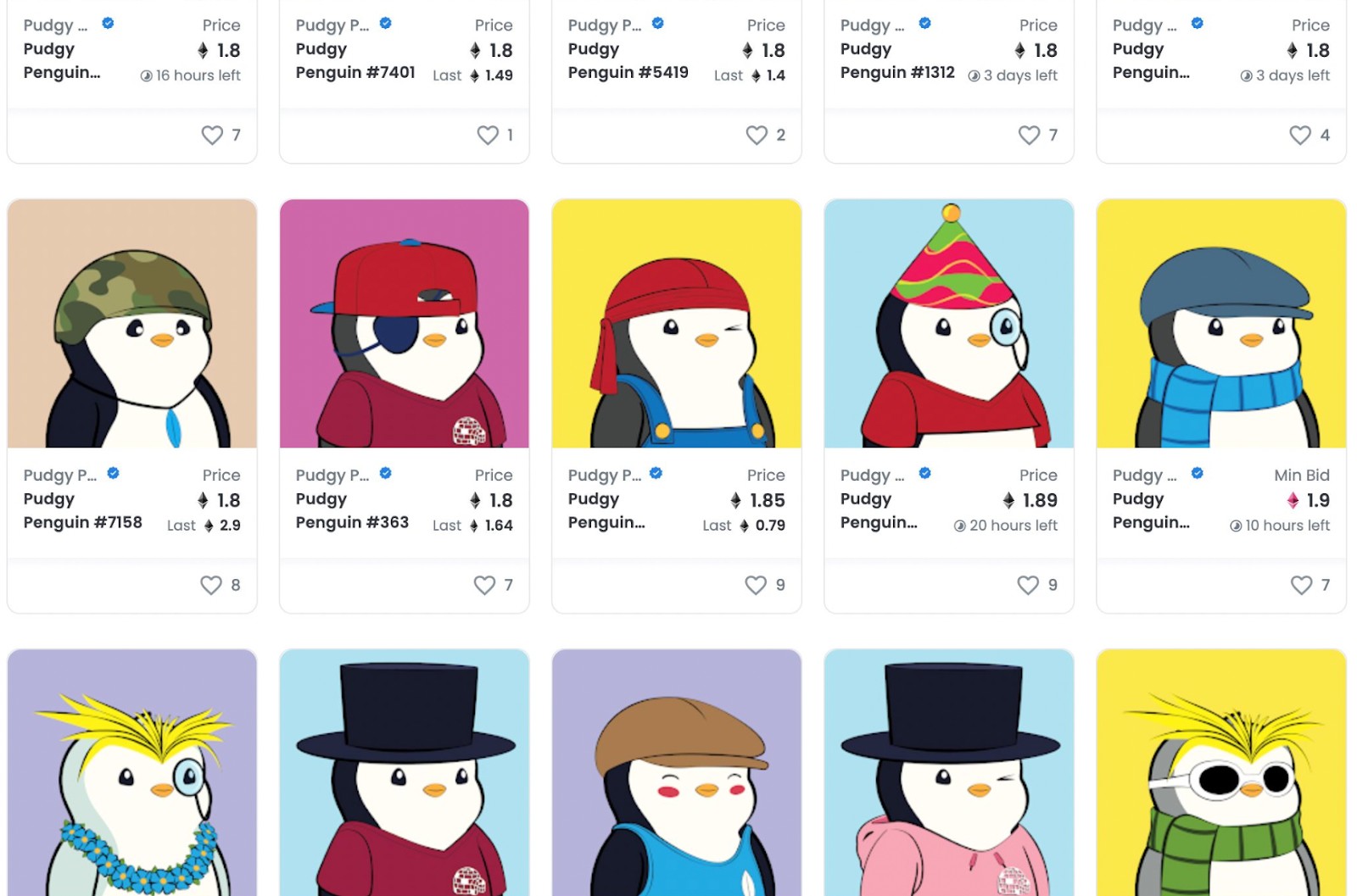
Beyond trading, Cuban has strategically invested in NFT-related platforms. He made a notable investment in CryptoSlam, a leading NFT data aggregator, underscoring his commitment to supporting infrastructure that enhances transparency and analytics in the NFT ecosystem. Furthermore, Cuban's engagement extends to the NFT community through initiatives like offering NFTs as incentives to Dallas Mavericks fans attending games, aiming to enrich fan experiences and commemorate special events.
NFT platforms
Mark Cuban's involvement with NFTs goes beyond just collecting; he's thoughtfully invested in platforms that influence the NFT world. In 2021, he supported Mintable, an NFT marketplace that secured $13 million in an early-stage investment round. Mintable introduced a new way to create NFTs without upfront costs, making it easier for artists to enter the digital space.
Additionally, Cuban has focused on understanding NFT data by investing in CryptoSlam, a platform that gathers NFT sales information. This shows his belief in the importance of clear and accessible data in the rapidly growing NFT market. Moreover, his own collection of NFTs includes well-known digital items like Pudgy Penguins, one of which sold for over $30,000, highlighting his hands-on involvement and belief in the lasting worth of digital items.
Lessons from Cuban's crypto journey
Here are some unconventional lessons from Cuban’s crypto journey that can help beginners build a solid foundation in the digital asset world.
Getting in early with smart picks. Cuban’s entry into crypto wasn’t about following the crowd; he spotted projects with hidden potential by studying founders and past market trends, so beginners should learn to recognize those overlooked opportunities.
Managing risks in your own way. Instead of overcommitting, Cuban balances his positions and uses simple risk tools alongside common sense to protect his investments; adopt a strategy that lets you exit when conditions change.
Digging deep into project details. Beyond reading whitepapers, Cuban digs into developer activity and community discussions to find truly groundbreaking ideas — beginner investors should explore niche forums and GitHub updates to gauge a project’s real promise.
Using social cues and real data. Cuban pays attention to market chatter on platforms like Twitter and crypto subreddits, combining it with solid numbers; consider blending these social signals with actual data to make smarter calls.
Building genuine connections. Rather than purely speculating, Cuban invests in relationships within the crypto community, which opens doors to insider insights — networking can be as valuable as any technical analysis.
Seeing ups and downs as lessons. Instead of panicking over volatility, Cuban views market swings as learning opportunities to fine-tune his risk strategies; try to understand the causes behind market moves and use them to improve your approach.
If you feel you’re ready to test the waters with crypto investing, we have presented the top crypto exchanges for beginners in the table below. You may compare their key features and choose the one most suitable to you:
| OKX | Coinbase | Crypto.com | Cryptohopper | BTCC | |
|---|---|---|---|---|---|
|
Min. Deposit, $ |
10 | 10 | 1 | No | 10 |
|
Coins Supported |
600+ | 400+ | 400+ | 1000 | 399 |
|
Spot Taker fee, % |
0.1 | 0.5 | 0.5 | 0 | 0.3 |
|
Spot Maker Fee, % |
0.08 | 0.5 | 0.25 | 0 | 0.2 |
|
Alerts |
Yes | Yes | Yes | Yes | No |
|
Copy trading |
Yes | No | No | Yes | Yes |
|
TU overall score |
8.48 | 7.84 | 7.8 | 7.76 | 7.6 |
|
Open an account |
Go to broker Your capital is at risk. |
Go to broker Your capital is at risk. |
Go to broker Your capital is at risk. |
Go to broker Your capital is at risk. |
Go to broker Your capital is at risk.
|
Why trust us
15+ years of independent market analysis
140+ evaluation criteria, reviewed by 50+ experts
Data-driven reviews of 200+ platforms, updated regularly
20+ industry awards & a wide network of global media partners
Learn more about our methodology and editorial policies.


Mark Cuban’s crypto strategy involves focusing on DeFi, NFTs, and long-term growth potential

Mark Cuban’s approach to crypto is anything but typical. He looks for projects that bring both innovation and real utility, often moving beyond the flashy trends that attract most investors. Cuban doesn’t just buy into hype; he invests in the long-term vision of a project and the credibility of its team. His investments in decentralized finance (DeFi) platforms like Aave and Compound show his belief in the future of finance, where users can access services without traditional middlemen. For beginners, the takeaway is to focus on projects that solve real problems rather than just chase the latest trend.
Cuban also embraces risk, but with a smart and calculated approach. He’s not afraid of speculative investments, like Dogecoin, but he balances these high-reward opportunities with safer bets like Bitcoin and Ethereum. His crypto portfolio also includes significant investments in NFT platforms and blockchain startups, where the focus is on creating something new rather than capitalizing on existing trends. The real lesson for beginners is to think long-term, seek out investments that align with your own understanding of potential growth, and don’t simply follow the herd. Be strategic and measured in your approach, just like Cuban.
Conclusion
Mark Cuban’s cryptocurrency portfolio offers a fascinating look at how a seasoned investor navigates the rapidly evolving world of digital assets. His focus on Bitcoin and Ethereum reflects his belief in the long-term potential of blockchain technology, while his investments in altcoins, DeFi, and NFTs highlight his commitment to embracing innovation. Cuban’s strategy is rooted in diversification, risk management, and a deep understanding of the underlying technologies that drive the crypto market.
For investors looking to replicate Cuban’s success, there are several key takeaways. First, prioritize long-term investments in assets with real-world utility. Second, don’t be afraid to embrace emerging technologies and new market trends. And finally, remember that managing risk is essential, especially in a space as volatile as cryptocurrency.
FAQs
How does Mark Cuban diversify his crypto portfolio?
Cuban spreads his investments across different cryptocurrencies and projects, including stablecoins, DeFi platforms, and NFTs, to balance risk and potential rewards.
Why does Mark Cuban invest in Ethereum?
Mark sees Ethereum as the future of the internet, particularly due to its smart contract capabilities. He believes Ethereum’s potential for powering decentralized finance (DeFi) applications and its transition to Ethereum 2.0 make it a key investment for the future.
How has Cuban’s investment strategy evolved over time?
Mark Cuban has moved from traditional investments to embracing cryptocurrencies and blockchain technologies. His strategy is driven by long-term potential, with a focus on assets that solve real-world problems, such as Bitcoin for value storage and Ethereum for its decentralized applications.
What can investors learn from Mark Cuban’s crypto journey?
Investors can learn the importance of diversification, risk management, and understanding the underlying technologies behind cryptocurrencies. Cuban’s approach emphasizes long-term investments in projects with real-world utility and the ability to adapt to market trends.
Editors' Top Picks and Insights




Related Articles
Team that worked on the article
Peter Emmanuel Chijioke is a professional personal finance, Forex, crypto, blockchain, NFT, and Web3 writer and a contributor to the Traders Union website. As a computer science graduate with a robust background in programming, machine learning, and blockchain technology, he possesses a comprehensive understanding of software, technologies, cryptocurrency, and Forex trading.
Chinmay Soni is a financial analyst with more than 5 years of experience in working with stocks, Forex, derivatives, and other assets. As a founder of a boutique research firm and an active researcher, he covers various industries and fields, providing insights backed by statistical data.
Cryptocurrency is a type of digital or virtual currency that relies on cryptography for security. Unlike traditional currencies issued by governments (fiat currencies), cryptocurrencies operate on decentralized networks, typically based on blockchain technology.
An investor is an individual, who invests money in an asset with the expectation that its value would appreciate in the future. The asset can be anything, including a bond, debenture, mutual fund, equity, gold, silver, exchange-traded funds (ETFs), and real-estate property.
Index in trading is the measure of the performance of a group of stocks, which can include the assets and securities in it.
Diversification is an investment strategy that involves spreading investments across different asset classes, industries, and geographic regions to reduce overall risk.
Volatility refers to the degree of variation or fluctuation in the price or value of a financial asset, such as stocks, bonds, or cryptocurrencies, over a period of time. Higher volatility indicates that an asset's price is experiencing more significant and rapid price swings, while lower volatility suggests relatively stable and gradual price movements.

-
 Afghanistan
-
 Albania
-
 Algeria
-
 Angola
-
 Argentina
-
 Armenia
-
 Australia
-
 Austria
-
 Azerbaijan
-
 Bahamas
-
 Bahrain
-
 Bangladesh
-
 Belarus
-
 Belgium
-
 Bolivia
-
 Botswana
-
 Brazil
-
 Brunei
-
 Bulgaria
-
 Cambodia
-
 Cameroon
-
 Canada
-
 Chile
Chile
-
 China
China
-
 Colombia
-
 Congo
Congo
-
 Costa Rica
-
 Cote d'Ivoire
-
 Croatia
-
 Cuba
Cuba
-
 Cyprus
-
 Czechia
-
 DR Congo
-
 Denmark
-
 Dominican Republic
-
 Ecuador
-
 Egypt
Egypt
-
 El Salvador
-
 Estonia
-
 Eswatini
-
 Ethiopia
-
 Finland
-
 France
-
 Georgia
-
 Germany
-
 Ghana
Ghana
-
 Greece
-
 Haiti
Haiti
-
 Hong Kong
-
 Hungary
-
 India
India
-
 Indonesia
-
 Iran, Islamic republic
-
 Iraq
Iraq
-
 Ireland
-
 Israel
-
 Italy
Italy
-
 Jamaica
-
 Japan
Japan
-
 Jordan
-
 Kazakhstan
-
 Kenya
Kenya
-
 Korea
Korea
-
 Kuwait
-
 Kyrgyzstan
-
 Laos
Laos
-
 Latvia
-
 Lebanon
-
 Lesotho
-
 Libya
Libya
-
 Lithuania
-
 Luxembourg
-
 Madagascar
-
 Malaysia
-
 Malta
Malta
-
 Mauritius
-
 Mexico
-
 Moldova
-
 Mongolia
-
 Montenegro
-
 Morocco
-
 Mozambique
-
 Myanmar
-
 Namibia
-
 Nepal
Nepal
-
 Netherlands
-
 New Zealand
-
 Nigeria
-
 North Macedonia
-
 Norway
-
 Oman
Oman
-
 Pakistan
-
 Palestine
-
 Panama
-
 Papua New Guinea
-
 Paraguay
-
 Peru
Peru
-
 Philippines
-
 Poland
-
 Portugal
-
 Puerto Rico
-
 Qatar
Qatar
-
 Reunion
-
 Romania
-
 Rwanda
-
 Saudi Arabia
-
 Serbia
-
 Singapore
-
 Slovakia
-
 Slovenia
-
 Somalia
-
 South Africa
-
 Spain
Spain
-
 Sri Lanka
-
 Sweden
-
 Switzerland
-
 Syria
Syria
-
 Taiwan
-
 Tajikistan
-
 Tanzania
-
 Thailand
-
 Trinidad and Tobago
-
 Tunisia
-
 Turkey
-
 UAE
UAE
-
 Uganda
-
 Ukraine
-
 United Kingdom
-
United States
-
 Uruguay
-
 Uzbekistan
-
 Venezuela
-
 Vietnam
-
 Yemen
Yemen
-
 Zambia
-
 Zimbabwe
- Forex
- Crypto












