
How to Earn Extra Income With Higgsfield AI in 2026


Editorial Note: While we adhere to strict Editorial Integrity, this post may contain references to products from our partners. Here's an explanation for How We Make Money. None of the data and information on this webpage constitutes investment advice according to our Disclaimer.
Higgsfield AI is a creative platform for generating and editing AI images and videos that also offers several ways to earn extra income. Creators can use Higgsfield Earn to receive rewards for eligible campaign content or join the Affiliate Program to earn up to 25% commission on qualifying subscriptions. Higgsfield can also be used to create commercial AI content for clients, social media, and other monetized projects.
AI tools are increasingly becoming part of commercial content workflows, giving creators and freelancers new ways to turn their skills and audiences into additional income. But generating AI content is only part of the process – choosing the right monetization model is just as important.
If you are exploring how to make money with Higgsfield AI, this guide breaks down the main earning opportunities available in 2026, how they work, and the key requirements and limitations to consider before getting started.
What Is Higgsfield AI?

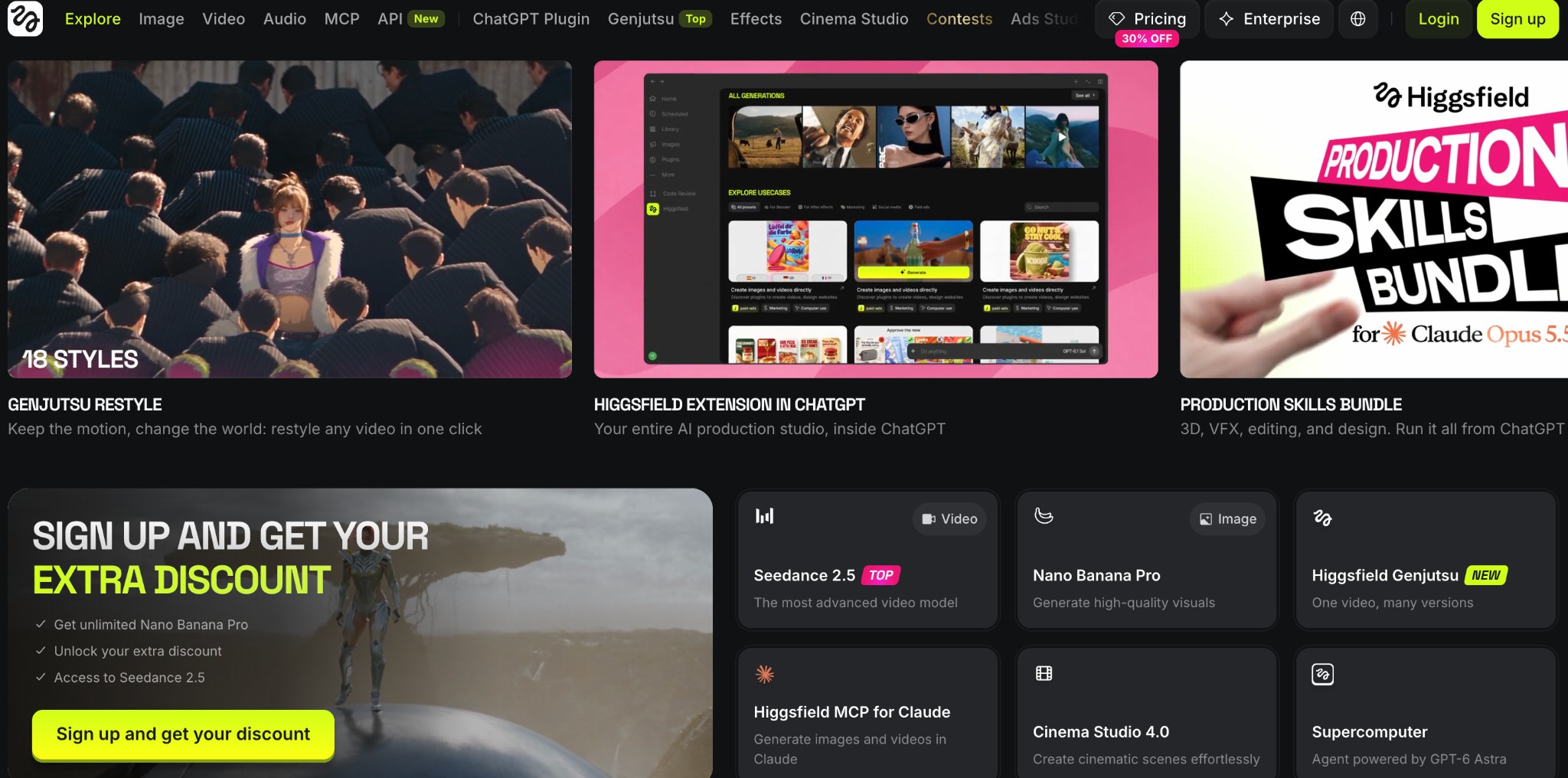
Higgsfield is an AI platform for creating and editing images and videos. It provides tools for advertising, social media, filmmaking, virtual characters, product visuals, UGC-style content, and other creative projects. The platform includes specialized environments such as Cinema Studio and Marketing Studio and gives users access to multiple AI models within a single workflow.
For creators exploring how to make money with Higgsfield AI, its commercial-use policy is particularly relevant. Generated outputs can be used for:
advertising and brand campaigns;
client projects;
social media and YouTube;
products incorporating AI-generated visuals.
This expands the available Higgsfield earning options beyond the platform’s own monetization programs: creators can also use its tools to produce commercial content for clients or their own projects.
Higgsfield does not claim ownership of user inputs or outputs or restrict their commercial use. However, users remain responsible for copyright, trademarks, likeness rights, and other third-party rights, and AI-generated content is not guaranteed to be unique.
How to Make Money With Higgsfield AI
There are several ways to generate income using Higgsfield:
Higgsfield Affiliate Program – refer paying customers and earn commissions on qualifying subscriptions.
Higgsfield Earn – participate in eligible creator campaigns and receive campaign-based rewards.
AI influencer monetization – create a virtual persona and monetize its content and audience.
AI content services – produce videos, ads, product visuals, and other assets for clients.
YouTube and social media – use Higgsfield as a production tool for independently monetized channels.
The distinction is important. Higgsfield Earn and the Affiliate Program are built-in monetization programs. With client services, AI influencers, YouTube, or other social platforms, Higgsfield functions as a production tool while the revenue comes from external sources.
1. Higgsfield Affiliate Program
The Higgsfield Affiliate Program allows affiliates to make money online by referring new customers. Affiliates earn commissions when referred users purchase qualifying subscriptions. The program is open to anyone with an audience. Applicants provide basic information about where they intend to promote the platform, and the personal affiliate link becomes available immediately after signup. Affiliate commissions are paid in cash rather than Higgsfield credits, and the program includes tracking for attributed subscriptions and commissions.
How the Higgsfield Affiliate Program works
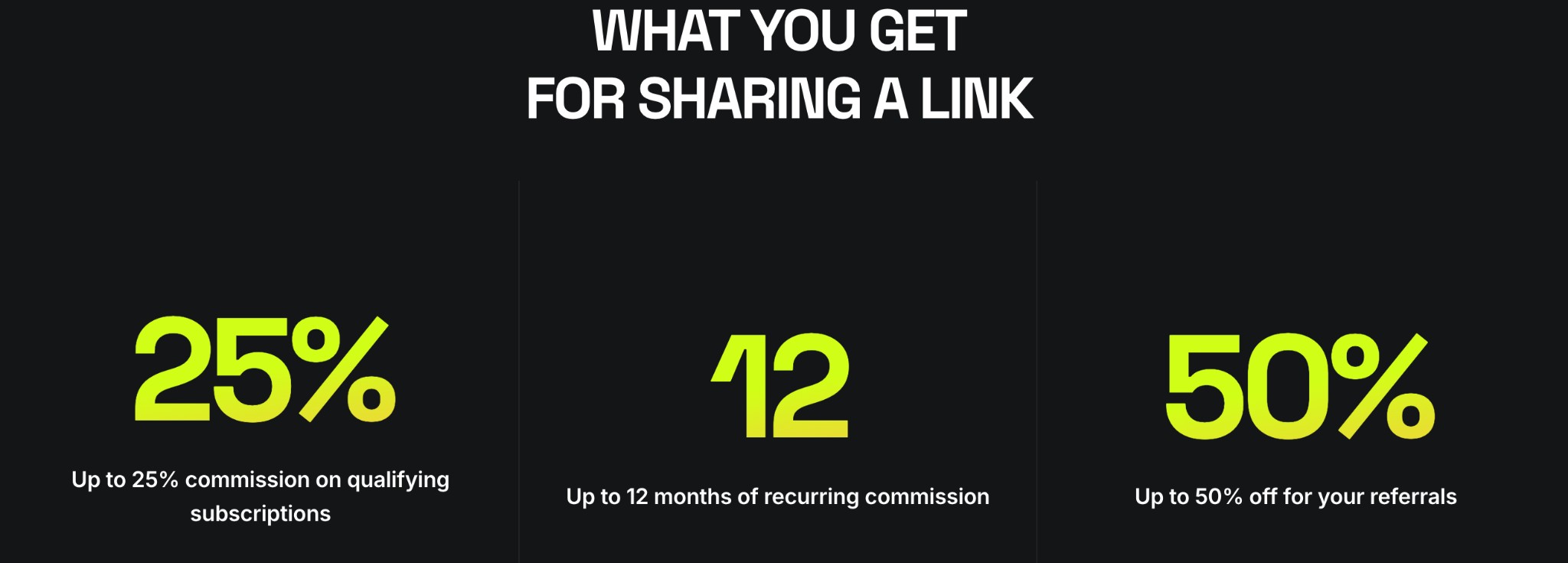
An affiliate shares a personal referral link through permitted organic channels. When a user follows the link and purchases a qualifying Higgsfield subscription, the affiliate may receive a commission. Higgsfield advertises a commission of up to 25%. The maximum should not be interpreted as the standard starting rate: Higgsfield states that the commission rate increases as an affiliate generates more qualifying revenue.
A referral can generate eligible commissions for up to 12 months from the date they become a referral. Qualifying activity can include initial subscription purchases, renewals, and upgrades made during the applicable period. For monthly subscriptions, this means a referral may generate additional commission when the customer renews. For quarterly and annual plans, Higgsfield states that the customer pays upfront and the commission for the relevant subscription term is credited upfront.
| Feature | Current Affiliate Terms |
|---|---|
| Commission | Up to 25% |
| Commission period | Up to 12 months |
| Qualifying activity | Subscriptions, renewals, and upgrades |
| Referral offer | Up to 50% off |
| Offer duration | 3 hours after login through an affiliate link |
| Affiliate payment | Cash, not Higgsfield credits |
| Tracking | Subscription and commission tracking |
The referral discount provides an additional incentive for new customers. A user entering Higgsfield through an affiliate link may receive a personal discount of up to 50%. The current offer remains available for three hours after the user logs in through the affiliate link. Because the discount is described as “up to 50%,” the exact offer shown at the time of purchase should be checked before subscribing.
Affiliate promotion rules
Higgsfield allows affiliates to promote their links through organic content but restricts certain promotional methods:
Allowed: tutorials, reviews, YouTube videos, newsletters, courses, social media posts, and other relevant organic content.
Not allowed: paid ads that link directly to an affiliate link, bidding on Higgsfield-branded search terms, and promotion through coupon or cashback websites.
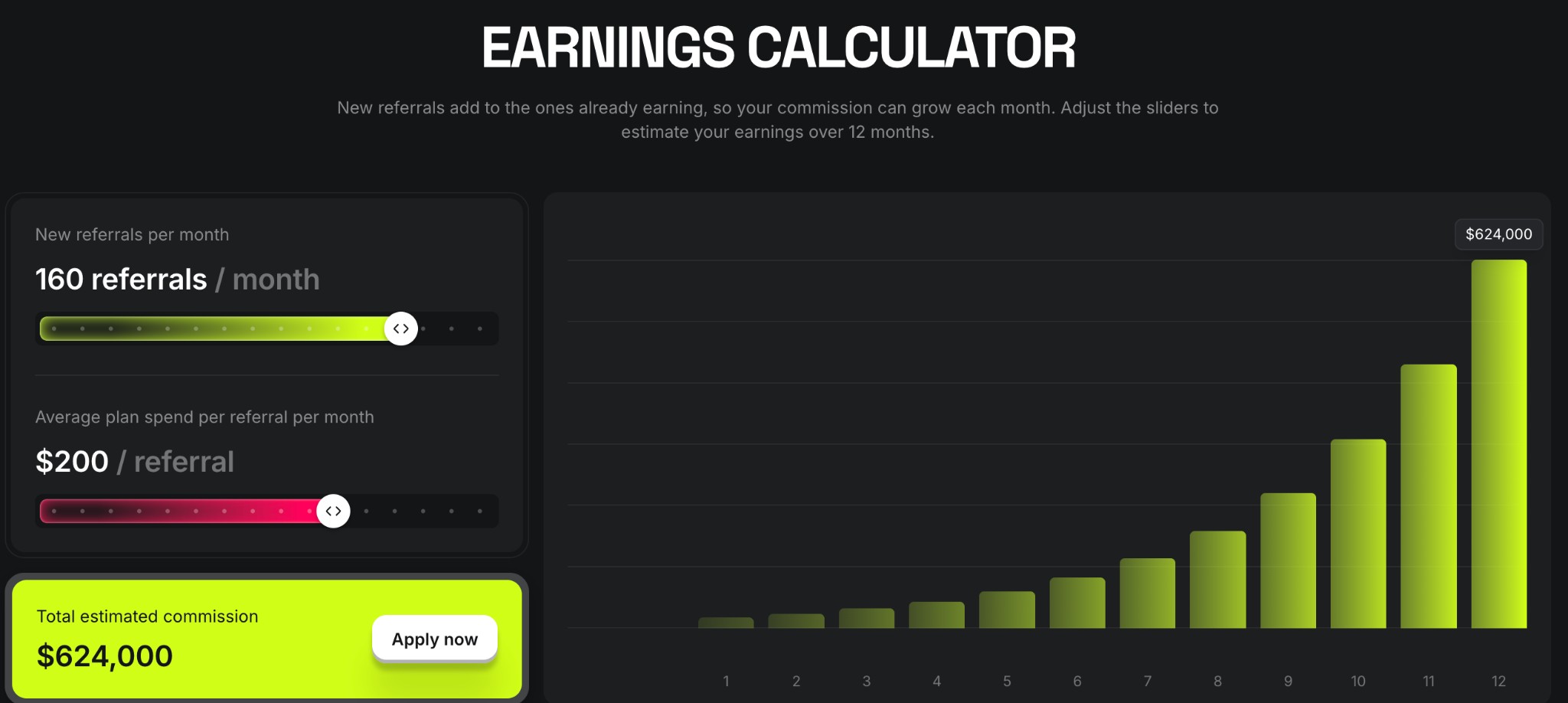
Higgsfield also provides an Earnings Calculator to estimate potential affiliate commissions based on factors such as the number of referrals and average plan spending.
2. Higgsfield Earn
Higgsfield Earn is Higgsfield’s official creator monetization program for paid content campaigns. It is free to join, and creators can earn rewards by publishing eligible AI-generated content and meeting campaign requirements.
How Higgsfield Earn works
The process follows three main stages:
Connect and verify an account. Sign in to Higgsfield Earn, connect an eligible social media account, and verify ownership. The current official guide provides separate verification processes for Instagram and YouTube.
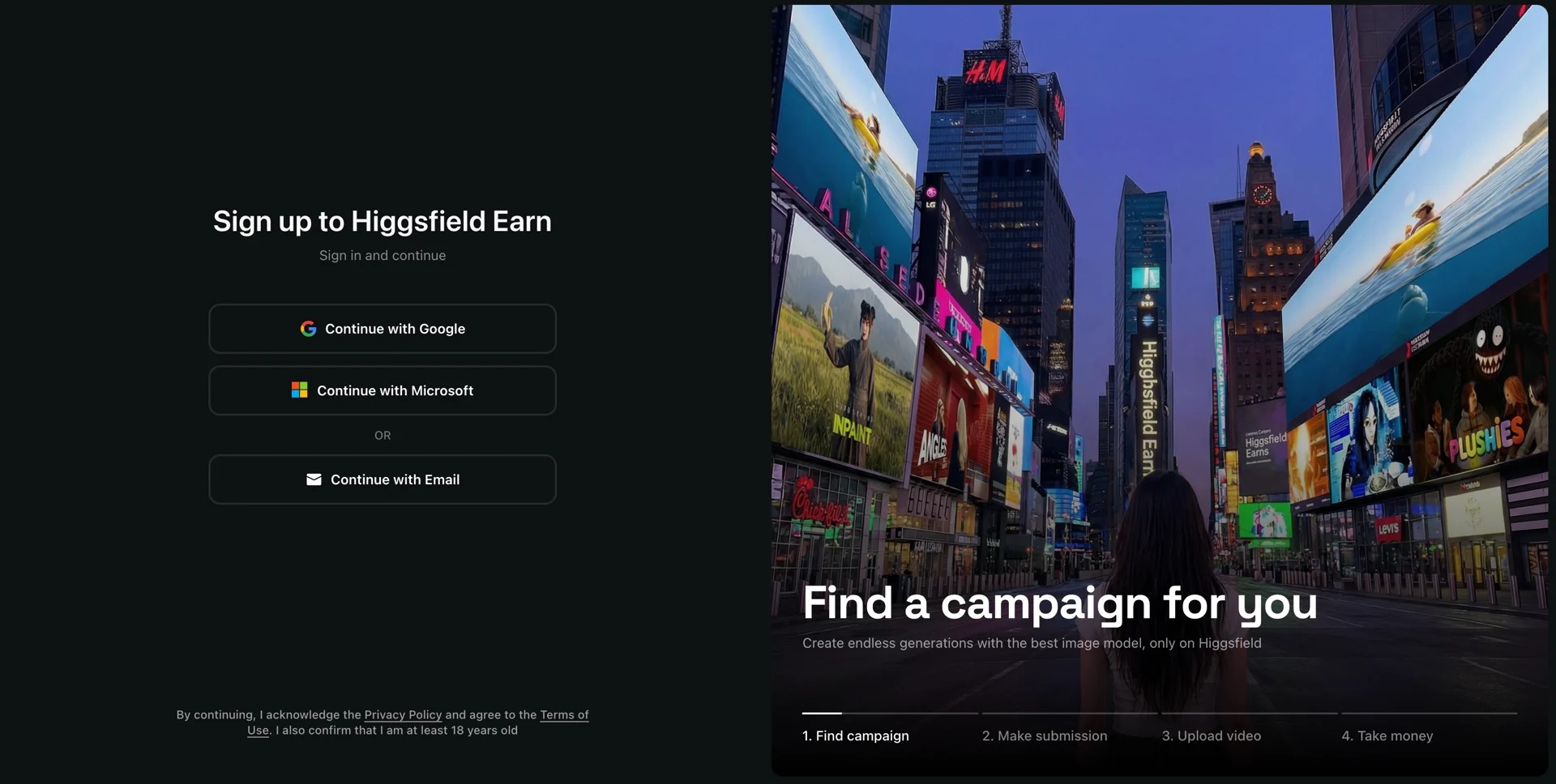
Choose a campaign and publish content. Available campaigns include their requirements, content guidelines, duration, and earning structure. After creating and publishing eligible content, creators submit or link it through the Earn platform for tracking.
Earn based on approval and performance. Higgsfield uses a three-tier reward structure that can include a payment for an approved video, a 24-hour performance bonus, and a Day 7 bonus. Content performance and accumulated earnings can be tracked through the dashboard.
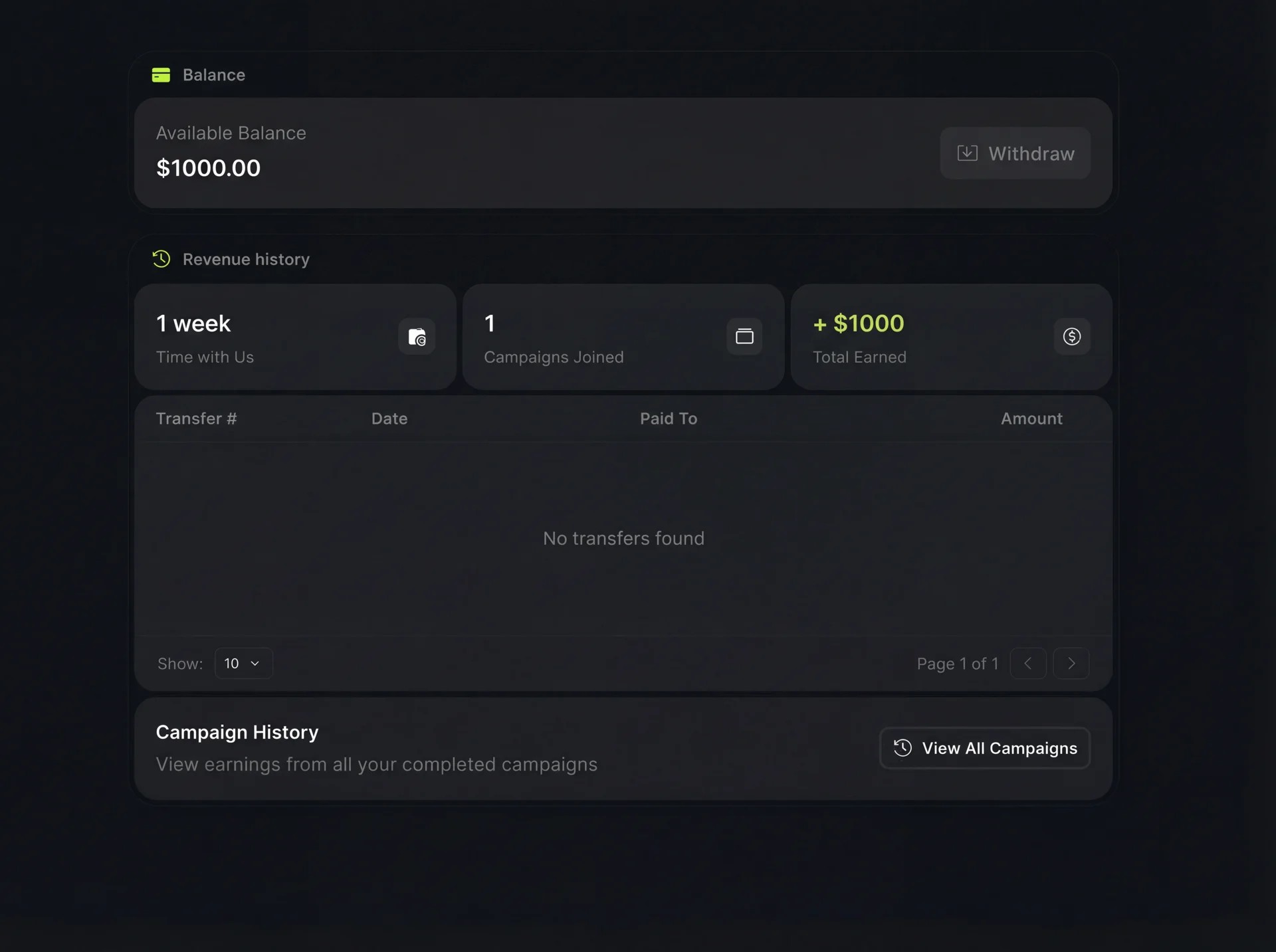
Campaign requirements and payout structures vary, so creators should review the individual brief before producing content.
Higgsfield Earn payouts
Higgsfield Earn does not set a single payout for every creator or campaign. Each campaign specifies its own payment terms, which can include a fixed reward for approved content and an additional performance-based bonus.
| Feature | Current Terms |
|---|---|
| Cost to join | Free |
| Payment model | Campaign payout + potential performance bonus |
| First-day earning cap | Up to $1,000 |
| Maximum payout | Up to $2,500 per video |
| Multiple submissions | Allowed where campaign rules permit |
| Earnings tracking | Available through the Earn dashboard |
| Withdrawal | Available after earnings are finalized |
The published limits are caps, not guaranteed earnings. Actual Higgsfield AI earnings depend on the campaign terms, content approval, and performance. Higgsfield also notes that creators may submit multiple videos to a campaign, although individual campaign requirements still apply.
Earnings become available to claim once they are finalized after the Day 7 milestone. Payouts are currently processed through Garna; creators without a Garna account can complete the required registration when claiming their money.
3. Monetize an AI Influencer
Higgsfield provides a dedicated AI Influencer tool for building consistent virtual personas for social media. Creators can customize human or non-human characters, save them to a character library, and reuse them across images and videos.
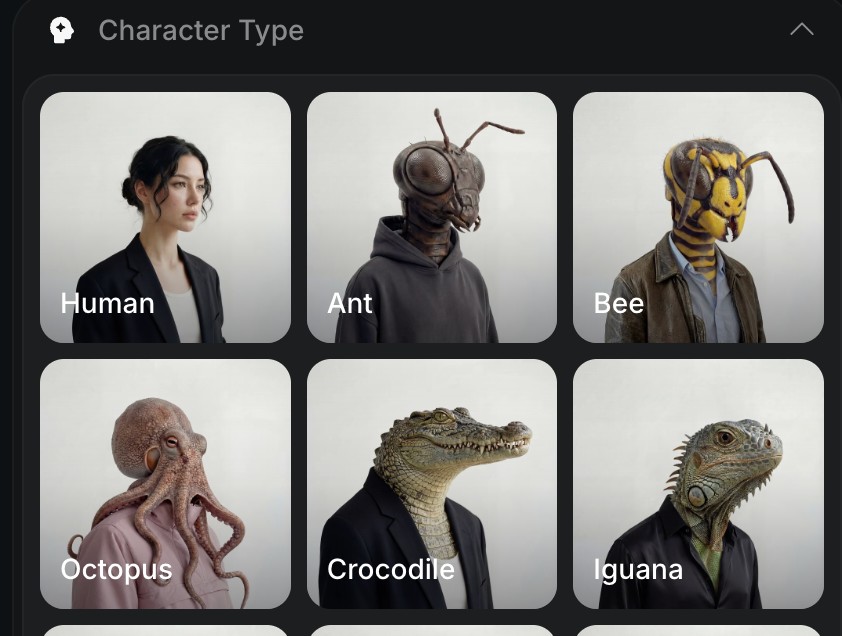
The tool is designed for use cases such as AI influencers, virtual characters, brand ambassadors, and faceless creator businesses. Maintaining the same character across multiple pieces of content helps creators build a recognizable digital persona rather than generating unrelated visuals.
Monetization can be connected directly to Higgsfield Earn. Creators with eligible social accounts can participate in available paid campaigns, produce content featuring their AI persona, and receive campaign payouts and potential performance-based bonuses.
Outside Higgsfield’s own programs, a developed AI influencer can also support broader creator revenue models, such as sponsored content, brand partnerships, affiliate marketing, or social platform monetization. These income streams depend on the audience and the third-party platform or partner rather than on Higgsfield itself.
4. Sell AI content creation services
Another way to make money with Higgsfield AI is to use the platform for paid client work. Higgsfield's commercial-use policy allows generated outputs to be incorporated into client deliverables, advertising, brand campaigns, and other commercial projects.
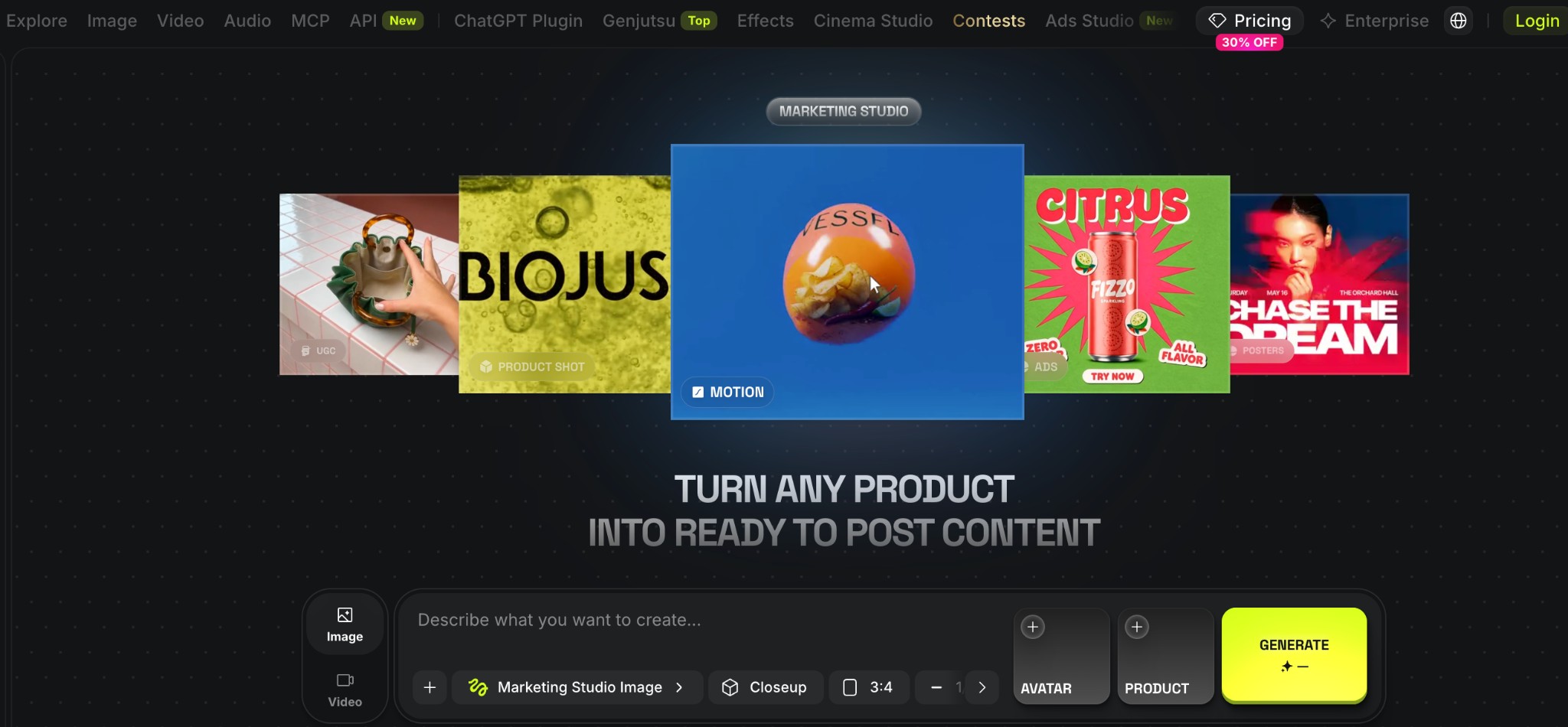
Potential services include:
product videos for e-commerce businesses;
short-form videos for social media;
AI advertising creatives;
UGC-style content;
promotional images and videos;
storyboards and visual concepts;
recurring content packages for brands.
In this model, Higgsfield is a production tool rather than the source of payment. Revenue comes from the client purchasing the finished service or deliverable. For freelancers and agencies, this also means that the commercial value is not limited to the generation itself. Creative direction, editing, storytelling, brand consistency, production speed, and the ability to deliver content that meets a client's objectives remain important parts of the service.
5. YouTube and social media monetization
Higgsfield can also support independently monetized content channels. Creators can use AI-generated images and videos for YouTube, Shorts, Instagram Reels, TikTok, faceless channels, educational content, entertainment formats, and niche social media accounts. Higgsfield specifically identifies YouTube monetization as an example of permitted commercial use.
In this model, income does not come directly from Higgsfield. Depending on the channel and platform, revenue may come from advertising, sponsorships, affiliate marketing, brand partnerships, client leads, or other monetization systems.
This approach can also work alongside the Higgsfield Affiliate Program. For example, a creator publishing tutorials, workflows, comparisons, or demonstrations can include an affiliate link when relevant and permitted under the program rules.
Which Higgsfield monetization method fits your workflow?
The appropriate method depends primarily on your existing assets and skills:
For creators with an AI-focused audience: the Affiliate Program can generate commissions from qualifying subscriptions and renewals.
For social media creators: Higgsfield Earn provides a direct campaign-based monetization option.
For freelancers and agencies: selling videos, advertising creatives, product visuals, and other client deliverables allows Higgsfield to function as a production tool.
For creators building their own media assets: AI influencers, YouTube channels, and social accounts can be monetized through external platforms, sponsorships, affiliate partnerships, and other revenue models.
These methods are not mutually exclusive. A creator can use the same production skills across client work, owned media, Higgsfield Earn, and affiliate content.
What to consider before trying to make money with Higgsfield
Before treating Higgsfield as an additional income source, consider the economics and requirements of the monetization method you choose:
Choose where the revenue will come from. Higgsfield Earn and the Affiliate Program pay through the Higgsfield ecosystem, while client services, AI influencers, and monetized channels depend on external customers, audiences, or platforms.
Calculate costs, not just potential earnings. Account for your Higgsfield subscription, content production and editing time, client acquisition, publishing or payment fees, and applicable taxes.
Do not treat maximum payouts as expected income. Affiliate commissions and Earn rewards depend on qualifying activity, campaign terms, approvals, performance, renewals, and other program-specific conditions.
Consider your existing assets. Creators with an established audience may be better positioned to generate referrals or monetize social content, while freelancers can focus on selling finished creative services to clients.
Check commercial and third-party rights. Higgsfield permits commercial use of generated outputs, but creators remain responsible for copyright, trademarks, likeness rights, and other third-party rights.
Verify current program terms before committing resources. Campaign availability, eligibility requirements, payout limits, affiliate terms, and other conditions can change.
For anyone researching how to make money with Higgsfield, the practical starting point is to identify what you already have – an audience, content-production skills, or potential clients – and choose a monetization model that can turn that asset into revenue.
Start with one revenue model and validate it first

I recommend choosing one monetization model and testing it before trying to build several income streams at once. Set a small, measurable goal – for example, getting your first qualified referral, completing a paid campaign, or landing one client project – and track the time and cost required to achieve it.
This gives you a much clearer picture of whether the model is commercially viable for you. Once you know which activities actually produce results, you can invest more time in them, improve your workflow, and only then consider adding another revenue stream.
Conclusion
Higgsfield AI opens up diverse avenues for creators to earn extra income, whether through its Affiliate Program, the Higgsfield Earn campaign platform, or by leveraging the tool for client services and social media monetization. The powerful takeaway is that monetization success relies on aligning your current assets, such as audience reach or production skills, with the right revenue model. For example, established social media creators can maximize Higgsfield Earn, while freelancers may find selling AI-generated content to clients most lucrative. Ultimately, the key is to validate one monetization approach first, learn from real results, and then systematically expand your income streams as you gain traction.
FAQs
What are the main requirements for participating in Higgsfield Earn campaigns?
Are there any limitations on the commercial use of AI-generated content from Higgsfield AI?
How is payment processed for creators and affiliates on Higgsfield AI?
Can multiple Higgsfield monetization methods be used at the same time?
Editors' Top Picks and Insights





Related Articles
Team that worked on the article
Anastasiia has 17 years of experience in finance and content marketing. She believes that the support of information and expert opinion is very important for the success of investors and new traders.
Ciaran Ryan is a veteran financial journalist based in South Africa, where he covers cryptocurrency, mining, stock markets, and governance for Moneyweb. He also hosts the weekly Moneyweb Crypto Podcast.
Chinmay Soni is a financial analyst with more than 5 years of experience in working with stocks, Forex, derivatives, and other assets. As a founder of a boutique research firm and an active researcher, he covers various industries and fields, providing insights backed by statistical data.
FOMO in trading refers to the fear that traders or investors experience when they worry about missing out on a potentially profitable trading opportunity in the financial markets.
Index in trading is the measure of the performance of a group of stocks, which can include the assets and securities in it.
An investor is an individual, who invests money in an asset with the expectation that its value would appreciate in the future. The asset can be anything, including a bond, debenture, mutual fund, equity, gold, silver, exchange-traded funds (ETFs), and real-estate property.
Xetra is a German Stock Exchange trading system that the Frankfurt Stock Exchange operates. Deutsche Börse is the parent company of the Frankfurt Stock Exchange.
Bitcoin is a decentralized digital cryptocurrency that was created in 2009 by an anonymous individual or group using the pseudonym Satoshi Nakamoto. It operates on a technology called blockchain, which is a distributed ledger that records all transactions across a network of computers.

-
 Afghanistan
-
 Albania
-
 Algeria
-
 Angola
-
 Argentina
-
 Armenia
-
 Australia
-
 Austria
-
 Azerbaijan
-
 Bahamas
-
 Bahrain
-
 Bangladesh
-
 Belarus
-
 Belgium
-
 Bolivia
-
 Botswana
-
 Brazil
-
 Brunei
-
 Bulgaria
-
 Cambodia
-
 Cameroon
-
 Canada
-
 Chile
-
 China
-
 Colombia
-
 Congo
-
 Costa Rica
-
 Cote d'Ivoire
-
 Croatia
-
 Cuba
-
 Cyprus
-
 Czechia
-
 DR Congo
-
 Denmark
-
 Dominican Republic
-
 Ecuador
-
 Egypt
-
 El Salvador
-
 Estonia
-
 Eswatini
-
 Ethiopia
-
 Finland
-
 France
-
 Georgia
-
 Germany
-
 Ghana
-
 Greece
-
 Haiti
-
 Hong Kong
-
 Hungary
-
 India
-
 Indonesia
-
 Iran, Islamic republic
-
 Iraq
-
 Ireland
-
 Israel
-
 Italy
-
 Jamaica
-
 Japan
-
 Jordan
-
 Kazakhstan
-
 Kenya
-
 Korea
-
 Kuwait
-
 Kyrgyzstan
-
 Laos
-
 Latvia
-
 Lebanon
-
 Lesotho
-
 Libya
-
 Lithuania
-
 Luxembourg
-
 Madagascar
-
 Malaysia
-
 Malta
-
 Mauritius
-
 Mexico
-
 Moldova
-
 Mongolia
-
 Montenegro
-
 Morocco
-
 Mozambique
-
 Myanmar
-
 Namibia
-
 Nepal
-
 Netherlands
-
 New Zealand
-
 Nigeria
-
 North Macedonia
-
 Norway
-
 Oman
-
 Pakistan
-
 Palestine
-
 Panama
-
 Papua New Guinea
-
 Paraguay
-
 Peru
-
 Philippines
-
 Poland
-
 Portugal
-
 Puerto Rico
-
 Qatar
-
 Reunion
-
 Romania
-
 Rwanda
-
 Saudi Arabia
-
 Serbia
-
 Singapore
-
 Slovakia
-
 Slovenia
-
 Somalia
-
 South Africa
-
 Spain
-
 Sri Lanka
-
 Sweden
-
 Switzerland
-
 Syria
-
 Taiwan
-
 Tajikistan
-
 Tanzania
-
 Thailand
-
 Trinidad and Tobago
-
 Tunisia
-
 Turkey
-
 UAE
-
 Uganda
-
 Ukraine
-
 United Kingdom
-
United States
-
 Uruguay
-
 Uzbekistan
-
 Venezuela
-
 Vietnam
-
 Yemen
-
 Zambia
-
 Zimbabwe
- Forex
- Crypto












