The tweet was deleted by the author.
But we saved everything 🙂.


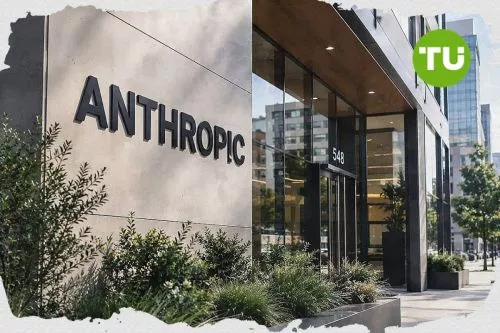
Claude developer Anthropic raised more than $100 billion as it went public, breaking the record set by Elon Musk's SpaceX. Despite a downturn in the technology sector, investors lined up to buy Anthropic shares. Yet behind its $1.5 trillion valuation stands a company that has yet to turn a profit.
On Wednesday, November 18, Anthropic announced a final IPO price of $83 per share. The company had initially planned to sell shares for no more than $78, but strong demand allowed it not only to raise the price but also to increase the offering to 980 million shares. Anthropic itself sold 956.4 million shares, while its seven co-founders sold another 23.6 million.
View post on X Loading...
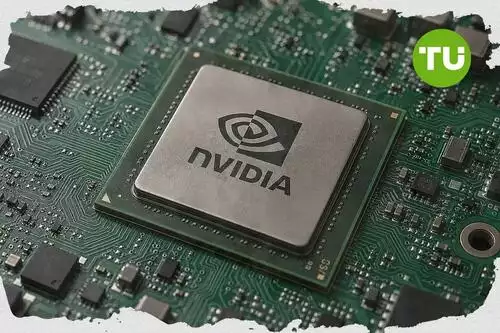
The IPO raised $81.3 billion. Anthropic also arranged a $26 billion private placement involving major technology companies, including Google, Microsoft, Nvidia and AMD. Nvidia alone committed to investing $10 billion. The combined value of the two deals reached $107.3 billion.
According to Bloomberg, demand for Anthropic shares was almost seven times the initial offering. This happened despite difficult stock market conditions: the Nasdaq 100 index lost 4.4% over the week, while Nvidia shares fell another 2.9% on Wednesday alone. Investors are increasingly concerned about the enormous costs of developing artificial intelligence and whether technology companies can turn these investments into profits.
Nevertheless, Anthropic's fully diluted valuation reached approximately $1.5 trillion. Trading on the Nasdaq is expected to begin on Thursday, November 19, under the ticker symbol ANT.
Anthropic's story began in 2021, when seven researchers led by Dario Amodei left OpenAI to establish their own company. They decided to focus on developing safe artificial intelligence capable of competing with ChatGPT. Anthropic's flagship product became Claude, a family of AI models that the company began actively selling to corporate customers.
View post on X Loading...
A major breakthrough came with Claude Code, a tool that helps programmers write, review and fix code. In 2024, when Krishna Rao joined Anthropic as chief financial officer, the company's annualized revenue was approximately $250 million. By the end of October 2026, that figure had reached $81 billion.
According to its financial statements, Anthropic generated $33.24 billion in revenue during the first nine months of 2026, approximately 1,200% more than a year earlier. However, this rapid growth has yet to make the company profitable. During the same period, it reported a net loss of $104 billion, although most of that amount was related to the accounting revaluation of financial liabilities rather than direct spending on AI development.
As revenue grew, so did Anthropic's workforce. At the end of 2024, the company employed around 940 people, but by September 2026, its headcount had risen to 5,300. Anthropic aggressively recruited specialists, offering not only high salaries but also stock options. For example, in 2024, even administrative employees were offered annual salaries ranging from $140,000 to $190,000, plus equity in the company.
View post on X Loading...
Following the IPO, these stock options could bring enormous wealth to early employees. According to estimates from research firm Sacra, approximately 2,800 current and former Anthropic employees could hold shares worth at least $1 million each.
While thousands of Anthropic employees adjust to their newfound wealth, Wall Street is comparing its IPO with another major listing in 2026 — Elon Musk's SpaceX going public. In June, the space company initially raised $75 billion, with the total increasing to $85.7 billion after additional shares were sold. Anthropic managed to surpass the initial record even without including private investments.
View post on X Loading...
However, Musk's company remains ahead in terms of market value. SpaceX went public at a valuation of approximately $1.77 trillion, which subsequently rose to $1.9 trillion. Anthropic's valuation at the IPO stood at roughly $1.5 trillion. SpaceX shares jumped 19% on their first trading day, and by mid-November, they were trading about 7% above their IPO price. Investors are also expecting a strong debut for Anthropic: ahead of the opening bell, its shares were trading at a 20% to 26% premium to the IPO price on gray-market platforms.
But Anthropic's future prospects depend on more than investor enthusiasm. The company spends enormous sums on the computing power needed to train and operate AI models. It purchases hardware from Nvidia and AMD, uses infrastructure provided by Amazon and Google, and signs long-term contracts for computing resources.
Competition from OpenAI, which is also preparing to go public in 2027, adds further pressure. At the same time, Anthropic must defend its approach to AI safety. This year, disagreements with the Pentagon over the military use of artificial intelligence threatened a government contract worth hundreds of millions of dollars. Anthropic devoted more than 90 pages of its IPO prospectus to outlining risks, including uncertain demand, infrastructure costs and potential government restrictions.
Anthropic has demonstrated that investors are still willing to commit record amounts of capital to artificial intelligence, even amid a downturn in the technology sector. The company surpassed SpaceX in the size of its offering but still trails it in market capitalization. At the same time, strong IPO demand does not guarantee that Anthropic shares will remain equally attractive once public trading begins.
The biggest test for the Claude developer is only beginning. Anthropic must prove that its rapid revenue growth can translate into actual profits despite enormous expenses and fierce competition from OpenAI. After all, Anthropic's $1.5 trillion valuation reflects not its current financial performance, but investors' expectations for its future.



 Afghanistan
 Albania
 Algeria
 Angola
 Argentina
 Armenia
 Australia
 Austria
 Azerbaijan
 Bahamas
 Bahrain
 Bangladesh
 Belarus
 Belgium
 Bolivia
 Botswana
 Brazil
 Brunei
 Bulgaria
 Cambodia
 Cameroon
 Canada
 Chile
 China
 Colombia
 Congo
 Costa Rica
 Cote d'Ivoire
 Croatia
 Cuba
 Cyprus
 Czechia
 DR Congo
 Denmark
 Dominican Republic
 Ecuador
 Egypt
 El Salvador
 Estonia
 Eswatini
 Ethiopia
 Finland
 France
 Georgia
 Germany
 Ghana
 Greece
 Haiti
 Hong Kong
 Hungary
 India
 Indonesia
 Iran, Islamic republic
 Iraq
 Ireland
 Israel
 Italy
 Jamaica
 Japan
 Jordan
 Kazakhstan
 Kenya
 Korea
 Kuwait
 Kyrgyzstan
 Laos
 Latvia
 Lebanon
 Lesotho
 Libya
 Lithuania
 Luxembourg
 Madagascar
 Malaysia
 Malta
 Mauritius
 Mexico
 Moldova
 Mongolia
 Montenegro
 Morocco
 Mozambique
 Myanmar
 Namibia
 Nepal
 Netherlands
 New Zealand
 Nigeria
 North Macedonia
 Norway
 Oman
 Pakistan
 Palestine
 Panama
 Papua New Guinea
 Paraguay
 Peru
 Philippines
 Poland
 Portugal
 Puerto Rico
 Qatar
 Reunion
 Romania
 Rwanda
 Saudi Arabia
 Serbia
 Singapore
 Slovakia
 Slovenia
 Somalia
 South Africa
 Spain
 Sri Lanka
 Sweden
 Switzerland
 Syria
 Taiwan
 Tajikistan
 Tanzania
 Thailand
 Trinidad and Tobago
 Tunisia
 Turkey
 UAE
 Uganda
 Ukraine
 United Kingdom
United States
 Uruguay
 Uzbekistan
 Venezuela
 Vietnam
 Yemen
 Zambia
 Zimbabwe