
What Currency Does The Philippines Use? A Guide For Traders



Editorial Note: While we adhere to strict Editorial Integrity, this post may contain references to products from our partners. Here's an explanation for How We Make Money. None of the data and information on this webpage constitutes investment advice according to our Disclaimer.
The official currency of the Philippines is the Philippine peso (PHP), represented by the symbol ₱. Issued and regulated by the Bangko Sentral ng Pilipinas, it operates under a floating exchange rate system. It remains fully convertible for current account transactions, backed by stable remittance inflows and low inflation.
As an emerging market in Southeast Asia, the Philippines combines a rapidly expanding digital economy with strong remittance support and proactive monetary management. For investors exploring what currency the Philippines uses or traders looking to diversify within Asian markets, the Philippine peso (PHP) presents a moderately liquid asset shaped by policy decisions and macroeconomic shifts. This article explores the peso’s structure, recent economic indicators, and factors to consider when assessing PHP positions today.
What currency does the Philippines use?
The Philippines’ legal tender is the Philippine peso (symbol ₱, ISO code PHP). In Filipino the peso is called piso. All domestic transactions are settled in pesos, which are issued by the Bangko Sentral ng Pilipinas (BSP).

Legal tender status. Only Philippine peso notes and coins are considered legal currency in the Philippines. Other foreign currencies (like the U.S. dollar) are not accepted for ordinary retail payments, so businesses and consumers must use pesos.
Convertibility and exchange rate. The peso floats freely against major currencies; BSP monitors capital flows but allows full convertibility on the current account. There is no fixed peg, so USD/PHP adjusts to market forces (mid-Oct 2025 levels were around ₱58/USD). In practice, large corporate or financial flows may require BSP reporting, but for most traders the peso behaves like an emerging-market float.
Structure and denominations of the Philippine Peso
The peso is divided into 100 centavos (sometimes called sentimo). Current coins in circulation are ₱0.01, ₱0.05, ₱0.10, ₱0.25 (centavo coins) and ₱1, ₱5, ₱10, and ₱20 (peso coins). Notably, a bi-metallic ₱20 coin was introduced in late 2019 to replace the ₱20 note (providing much longer durability).
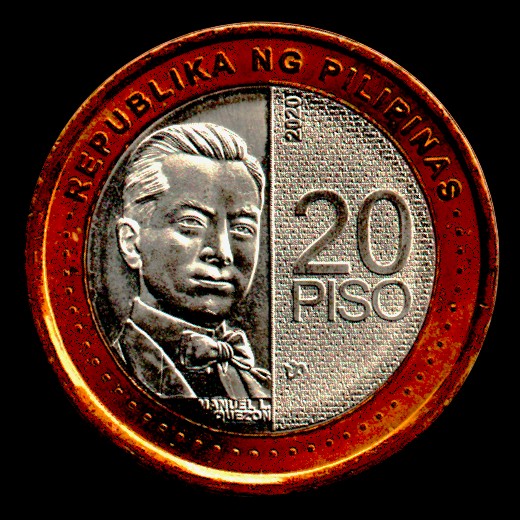
Banknotes come in ₱20, ₱50, ₱100, ₱200, ₱500, and ₱1000 denominations. Starting in 2022–2024, the BSP began issuing polymer notes for higher values. For example, a new polymer ₱500 banknote (featuring the Visayan spotted deer) was released in December 2024. The ₱1000 polymer note (Philippine eagle) was already introduced in 2022, and new polymer ₱50 and ₱100 notes were unveiled in late 2024. Other denominations remain on cotton-abacá paper, though further conversion to polymer is planned for durability and security.
Each new polymer note highlights endemic flora and fauna for security. For example, the ₱100 polymer shows the Palawan peacock-pheasant, and the ₱50 shows the Visayan leopard cat. These updates (First Philippine Polymer series) greatly enhance counterfeit protection and longevity of bills.
Macroeconomic drivers
The strength and direction of the Philippine Peso are influenced by several key macroeconomic indicators. Traders should regularly monitor the following data points, as they often drive volatility in the PHP:
Overseas remittances
Dollar remittances from Overseas Filipino Workers (OFWs) are a steady source of peso demand. BSP data show remittances growing ~3–4% annually. In Q2 2025 OFW cash remittances reached $7.2 billion (up 3.3% YoY). These funds (roughly 8–9% of GDP) help stabilize the current account and often cause seasonal PHP strength (e.g. summer school fees, holiday spending periods).
Monetary policy and inflation
The BSP operates an inflation-targeting framework (2–4% CPI). After peaking at 6% in 2023, inflation has fallen sharply: it averaged ~3.2% in 2024 and was just 1.6–1.7% by late 2025. With inflation well below target, the BSP shifted to easing mode, cutting its policy rate to 4.75% by Oct 2025. A positive real interest rate (rate > inflation) makes PHP attractive for carry trades, while ample policy liquidity supports growth. Traders watch BSP meetings closely, but so far easing has been driven by low inflation rather than a tightening cycle.
Fiscal discipline and government debt
Public finances influence the peso’s outlook. After the pandemic stimulus, the deficit remains elevated (around 4–5% of GDP), and debt is projected to be near ~60% of GDP by 2025. Though still modest by emerging-market standards, any slippage in fiscal credibility or higher borrowing costs could pressure the peso. Investors monitor budget measures (tax reforms, spending plans) as signals; improving tax collection and slower deficits would be peso-positive, whereas rising debt would be negative.
Trade balance and import costs
The Philippines is a net importer of fuel and food. Energy costs are a key driver: analysis shows oil imports account for over 20% of the trade deficit. When global oil prices rise, import bills swell and the peso can weaken. For example, a $4 drop in crude oil in April 2025 corresponded to a ~0.85% peso appreciation. Other import shocks (rice, electronics components) similarly affect the trade gap. Conversely, export sectors (electronics and BPO) help offset imports but can vary with external demand (electronics make up >50% of exports).
Digitalization and capital flows
With the BSP pushing for 50% digital payments in retail by end-2025 and an increase in electronic fund transfers via InstaPay and PESONet, the peso benefits from more transparent and trackable inflows. Foreign direct investment and market confidence in BSP’s modernization initiatives also support longer-term PHP stability.
Is the PHP a tradable currency?
The Philippine peso is classified as an emerging-market currency. It trades most actively as the USD/PHP pair. While not as liquid as majors (like EUR or JPY), it is readily available through global FX platforms. Most major brokers and banks quote USD/PHP spots and forwards. Non-deliverable forwards (NDFs) are also used by offshore investors to hedge peso exposure. In practice, spot trading is centered during Asian and U.S. market hours. Traders can enter USD/PHP positions with relatively narrow spreads, but should be aware that sudden volatility or BSP intervention (rarer now) can occasionally widen spreads.
Large brokerage firms (including international Forex dealers) routinely offer USD/PHP. Contract sizes can be small (retail lots are available) or large (institutional orders). Because the peso floats, traders can go long or short without currency restrictions. For those concerned about settlement, deliverable trades settle via the Philippine clearing system; alternatively NDF contracts settle in USD. The presence of both onshore and offshore markets means the PHP is effectively tradable for both carry and speculative strategies.
| Risk factor | Mechanism | Typical PHP impact | Trader takeaway |
|---|---|---|---|
| Import-driven swings (oil/commodities) | Higher energy/food import costs widen trade gap, lift inflation | Oil ↑ → PHP ↓ (USD/PHP ↑); e.g., oil drop in Apr-2025 ≈ PHP +0.85% | Hedge around energy shocks; fade outsized USD/PHP moves when oil reverses |
| Fed–BSP policy divergence | Wider U.S.–PH yield spread pulls capital toward USD | Fed hawkish/BSP dovish → PHP ↓; twin cuts/pauses can cushion | Position with rate expectations; reduce risk into meetings |
| Seasonality & remittances | OFW inflows strengthen PHP around school terms/holidays | Peak inflows (esp. Dec) → PHP ↑; off-peak → PHP softer | Time entries to seasonal inflows; watch misses vs trend |
| Political/governance shocks | Confidence hits trigger outflows and risk premia | Negative headlines/protests → PHP ↓, vol ↑ | Keep tighter stops; cut exposure on headline risk days |
| Natural disasters & climate | Typhoons/quakes disrupt output, raise USD import needs | Post-disaster USD demand → PHP ↓ | Avoid stubborn longs; reassess macro bias after severe events |
Sector considerations for currency traders
Some sectors in the Philippine economy provide indirect indicators for currency movement:
Information technology and BPO
The Philippines’ IT-business process sector is a major dollar earner (about $38 billion in 2024). Demand from overseas clients (banking, tech, healthcare) provides a nearly steady stream of foreign currency. Strong growth or new contracts in the IT-BPO industry tend to support the peso, as these earnings partly offset imports. Conversely, any global tech downturn or outsourcing offshoring trend could dent export revenues. Traders often watch reports from the IT-BPM council and job growth as indirect indicators of future dollar inflows.
Export manufacturing
Electronics and semiconductors account for over half of Philippine exports. Global tech cycles thus impact the trade balance. For instance, rising smartphone demand or new chip orders boost goods exports and peso demand. On the other hand, a slump in global electronics can widen the trade deficit, as factories still need to import components and capital goods. Keeping track of semiconductor industry data (Philippine exports or company earnings of local chip producers) can give clues to near-term peso pressure from this sector.
Tourism and travel services
International tourism is another source of foreign exchange (and a factor in BSP’s services account). As of mid-2025, visitor arrivals have recovered from pandemic lows but remain sensitive to global conditions. BSP data showed a drop in tourism receipts in Q2 2025 (partly due to concerns in source markets), which meant fewer dollars inflow and more outbound travel spending. A stronger-than-expected tourism season (especially from affluent markets) would bring extra USD and should support the peso, whereas a soft season or travel restrictions could have the opposite effect.
Agriculture and food imports
The Philippines imports key food staples (especially rice, corn, meats). Domestic agricultural performance (e.g. rice harvests) and policy (import tariffs or bans) directly affect import volumes. Tight domestic supply or higher world food prices can raise inflation and force the BSP to adjust policy. For Forex traders, spikes in commodities like rice or corn are watched closely: recent disputes over rice import licensing have historically led to PHP weakening as traders anticipate higher import needs.
Consumer and retail trends
Because remittances fund much household spending, sectors like retail and construction can signal demand for dollars. For example, surging sales of imported cars or electronics (often financed by OFW funds) mean more peso supply sold in exchange for USD, pressuring the currency. Similarly, strong mall retail sales funded by remittances (as happens in holiday months) may signal heavier USD conversion. Traders might monitor Philippine retail sales data or car import figures as soft indicators of currency demand.
If you’re planning to trade the peso, here’s a simple, locally relevant shortlist of the best Forex brokers in the Philippines. Pick a reputable option that serves your area and supports PHP funding. It’ll make getting started smoother so you can focus on timing and risk, not logistics.
| Min. deposit, $ | Max. leverage | Tier-1 regulation | Investor protection | Negative balance protection | Withdrawal fee, $ | Demo | TU overall score | Open an account | |
|---|---|---|---|---|---|---|---|---|---|
| 50 | 1:3000 | Yes | €20,00 | Yes | No | Yes | 9.4 | Go to broker Your capital is at risk. |
|
| 5 | 1:1000 | Yes | £85,000 €20,000 | Yes | No | Yes | 9.3 | Go to broker Your capital is at risk. |
|
| No | 1:500 | Yes | £85,000 €20,000 €100,000 (DE) | Yes | No | Yes | 9.25 | Go to broker Your capital is at risk.
|
|
| 1 | 1:500 | Yes | No | No | No | Yes | 9.2 | Go to broker Your capital is at risk. |
|
| 10 | 1:2000 | Yes | €20,000 £85,000 | Yes | No | Yes | 9.1 | Go to broker Your capital is at risk.
|
BSP policy, remittance seasonality and FX swap curves that move the Philippine peso

If you want to trade or follow the Philippine peso (PHP), treat the FX swap curve and forward points as your early-warning system. Short-dated forward points (one week to three months) widen before visible capital-flow stress because banks start paying for near-term dollars. Watch the shape of the onshore forward curve and compare it with forward points published by local banks, a sudden steepening means domestic banks expect dollar demand, not just spot volatility.
For a beginner, a practical routine is: each morning glance at one-month forward points, Philippine 1M interest rates, and BSP gross international reserves. If forward points blow out while reserves decline and BSP is tight on liquidity, the market is signaling an oncoming peso correction before headlines catch up.
Beyond swap curves, think seasonality and geopolitics, not just headlines. The peso is unusually sensitive to remittance cycles, tourist flows and energy shocks, remittance windows (end of month, holiday seasons) reliably inject dollars into the system and can temporarily mask structural weakness. Conversely, an energy price spike or a sudden drop in foreign portfolio participation will show up first in bond yields and local money-market spreads.
So tie three daily checks together: BSP policy action or hints, foreign participation in the latest treasury auction or bond flows, and a simple remittance/tourism calendar. That triad gives beginners a far sharper read on PHP moves than just watching the USD/PHP ticker.
Conclusion
In conclusion, the Philippine Peso’s trajectory underscores the crucial role of sound monetary policy in fostering currency stability amid global uncertainties. As the Bangko Sentral ng Pilipinas implements measures to balance inflation and growth, the peso continues to reflect both domestic resilience and external pressures. For example, recent interventions have cushioned the PHP against sharp exchange rate volatility, bolstering investor confidence in the market. Ultimately, the peso’s value serves not just as an indicator of economic health but also as a testament to the Philippines’ capacity to adapt and thrive in a dynamic financial landscape.
FAQs
How does the introduction of polymer banknotes affect the security and durability of the Philippine Peso?
What role do overseas remittances play in supporting the value of the Philippine Peso?
Which sectors of the Philippine economy have the most significant impact on peso exchange rates?
In what ways can government fiscal policies and public debt influence the outlook for the Philippine Peso?
Editors' Top Picks and Insights

Do politicians make the best stock traders?

Crypto test drive: How automakers are exploring digital assets

Lindsey Graham death: U.S. senator’s crypto legacy

Tether under pressure: USDT in Europe, audit questions, and the fight for trust

Lean Ethereum: Why Buterin wants to rebuild the network

SK Hynix debuts on Nasdaq: Largest U.S. offering by foreign company
Related Articles
Team that worked on the article
Andreas Kristo Saragih is a seasoned equity research analyst with over a decade of experience across both buy-side and sell-side roles, focused on the Indonesian capital market. He has extensive sector coverage, including banking, consumer goods, retail, real estate, healthcare, transportation, poultry, cement, pharmaceuticals, construction, and infrastructure.
Dan Blystone began his trading career in 1998 as an arbitrage clerk on the floor of the Chicago Mercantile Exchange (CME). He later traded bond and Eurex futures at proprietary firms such as Altea Trading, gaining valuable experience in high-frequency trading and risk management.
Chinmay Soni is a financial analyst with more than 5 years of experience in working with stocks, Forex, derivatives, and other assets. As a founder of a boutique research firm and an active researcher, he covers various industries and fields, providing insights backed by statistical data.

-
 Afghanistan
-
 Albania
-
 Algeria
-
 Angola
-
 Argentina
-
 Armenia
-
 Australia
-
 Austria
-
 Azerbaijan
-
 Bahamas
-
 Bahrain
-
 Bangladesh
-
 Belarus
-
 Belgium
-
 Bolivia
-
 Botswana
-
 Brazil
-
 Brunei
-
 Bulgaria
-
 Cambodia
-
 Cameroon
-
 Canada
-
 Chile
Chile
-
 China
China
-
 Colombia
-
 Congo
Congo
-
 Costa Rica
-
 Cote d'Ivoire
-
 Croatia
-
 Cuba
Cuba
-
 Cyprus
-
 Czechia
-
 DR Congo
-
 Denmark
-
 Dominican Republic
-
 Ecuador
-
 Egypt
Egypt
-
 El Salvador
-
 Estonia
-
 Eswatini
-
 Ethiopia
-
 Finland
-
 France
-
 Georgia
-
 Germany
-
 Ghana
Ghana
-
 Greece
-
 Haiti
Haiti
-
 Hong Kong
-
 Hungary
-
 India
India
-
 Indonesia
-
 Iran, Islamic republic
-
 Iraq
Iraq
-
 Ireland
-
 Israel
-
 Italy
Italy
-
 Jamaica
-
 Japan
Japan
-
 Jordan
-
 Kazakhstan
-
 Kenya
Kenya
-
 Korea
Korea
-
 Kuwait
-
 Kyrgyzstan
-
 Laos
Laos
-
 Latvia
-
 Lebanon
-
 Lesotho
-
 Libya
Libya
-
 Lithuania
-
 Luxembourg
-
 Madagascar
-
 Malaysia
-
 Malta
Malta
-
 Mauritius
-
 Mexico
-
 Moldova
-
 Mongolia
-
 Montenegro
-
 Morocco
-
 Mozambique
-
 Myanmar
-
 Namibia
-
 Nepal
Nepal
-
 Netherlands
-
 New Zealand
-
 Nigeria
-
 North Macedonia
-
 Norway
-
 Oman
Oman
-
 Pakistan
-
 Palestine
-
 Panama
-
 Papua New Guinea
-
 Paraguay
-
 Peru
Peru
-
 Philippines
-
 Poland
-
 Portugal
-
 Puerto Rico
-
 Qatar
Qatar
-
 Reunion
-
 Romania
-
 Rwanda
-
 Saudi Arabia
-
 Serbia
-
 Singapore
-
 Slovakia
-
 Slovenia
-
 Somalia
-
 South Africa
-
 Spain
Spain
-
 Sri Lanka
-
 Sweden
-
 Switzerland
-
 Syria
Syria
-
 Taiwan
-
 Tajikistan
-
 Tanzania
-
 Thailand
-
 Trinidad and Tobago
-
 Tunisia
-
 Turkey
-
 UAE
UAE
-
 Uganda
-
 Ukraine
-
 United Kingdom
-
United States
-
 Uruguay
-
 Uzbekistan
-
 Venezuela
-
 Vietnam
-
 Yemen
Yemen
-
 Zambia
-
 Zimbabwe
- Forex
- Crypto











