
What Is MTG In Quotex? Complete Guide To MTG Trading


Editorial Note: While we adhere to strict Editorial Integrity, this post may contain references to products from our partners. Here's an explanation for How We Make Money. None of the data and information on this webpage constitutes investment advice according to our Disclaimer.
MTG in Quotex is a trading strategy used to manage risk and optimize profits by adjusting trade sizes dynamically. It helps traders recover losses and maintain a structured approach to their trades. Understanding how MTG works can enhance your trading performance and provide a more disciplined approach to risk management.
Trading in Quotex involves various strategies, and MTG is one of the most discussed methods among traders. It is particularly useful in binary options trading, where quick decision-making is essential. This guide will explain the meaning of MTG, how it works, and how you can use it effectively in your trading system.
MTG in Quotex: meaning and how it works


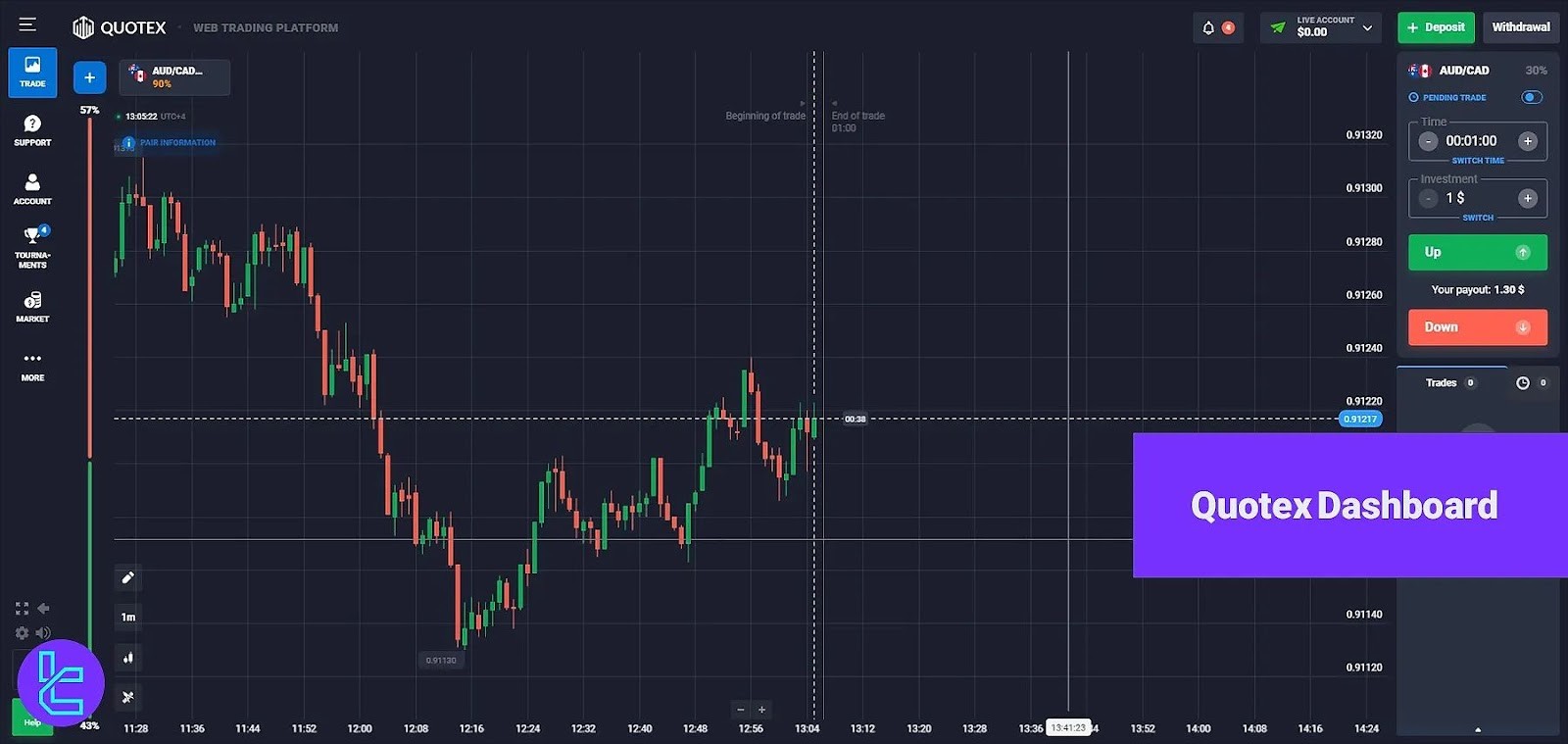
Many traders want to understand MTG in Quotex because it is a widely used method for managing risk. MTG refers to the Martingale Trading Grid, a structured system that increases the trade size after a loss. The goal is to recover previous losses once a winning trade appears.
When traders apply MTG in Quotex, each new step in the sequence raises the investment amount only after a losing position. After a win, the system returns to the starting trade size. This creates a predictable framework and helps limit emotional trading.
Many traders try to understand what MTG1 means in Quotex because it shows how this version of the MTG sequence changes trade sizes inside the system. The core idea stays the same, but MTG1 may use different step sizes or progression rules. Since trade amounts can increase very fast, MTG requires strict limits and careful planning. Traders who use it responsibly usually combine MTG with trend analysis and a clear stop level to avoid long losing streaks becoming too expensive.
How to use MTG in Quotex trading?
Traders who want to learn how to use MTG in Quotex must follow a structured approach. MTG is built around progressive trade sizing, so each step must be planned carefully to avoid unnecessary risk. The system works best when the trader defines clear rules before opening any position.
Step 1: Understanding the basics of MTG
The Martingale Trading Strategy follows a progressive investment model where trade amounts increase after each loss. The idea is to recover previous losses and gain profit when a trade eventually succeeds. However, this method carries significant risk, as consecutive losses can quickly escalate trade sizes.
To manage this risk, traders must set a maximum loss limit. Without a cap, losses can spiral out of control, leading to account depletion. Understanding how MTG works and its potential risks is crucial before applying it in real trading scenarios.
Step 2: Setting up MTG in Quotex
Using MTG for trading in Quotex involves adjusting the trade size before each position. Some traders apply the method manually, while others use tools or scripts to help automate the sequence. Before applying MTG, define your starting amount, the multiplier you will use after each loss, and the point where you will stop increasing the trade size.
Step 3: Applying MTG in trades
Begin with a small investment to minimize risk. If the trade wins, continue with the same amount. However, if the trade results in a loss, increase the next trade size based on the MTG plan. This cycle repeats until a profitable trade occurs, resetting the trade amount back to the initial value.
It’s essential to have a clear MTG plan that outlines when to increase and reset trade sizes. Without proper structuring, losses can become overwhelming. Sticking to a defined progression helps maintain control over trade sequences.
Step 4: Managing risk
A stop-loss limit is necessary to prevent excessive losses. Many traders follow a 3-5 step MTG sequence, meaning they stop increasing trade sizes after a set number of losses. This approach helps limit exposure and protects account balance.
Risk management is key to using MTG effectively. Since each loss leads to a larger trade, hitting a defined loss limit ensures traders don’t exhaust their funds. Setting clear rules and sticking to them can prevent financial strain.
Step 5: Monitoring market trends
MTG works best when combined with technical analysis and market trends. Entering trades based on informed decisions increases the chances of success and reduces the risk of prolonged losing streaks. Observing indicators, support and resistance levels, and market patterns can improve trade outcomes.
Avoid using MTG in highly volatile conditions, where sudden price swings can lead to multiple losses. Identifying stable market trends before applying this strategy enhances its effectiveness and minimizes unnecessary risks.
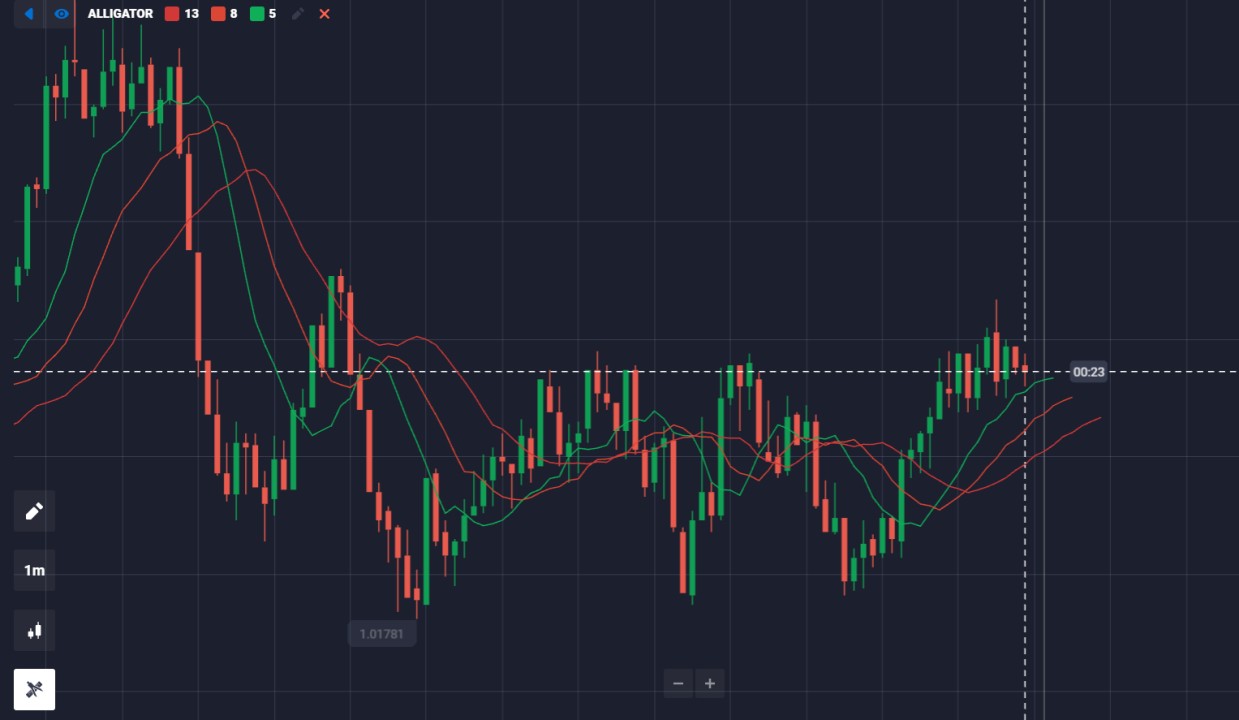
Auto MTG in Quotex: what you need to know
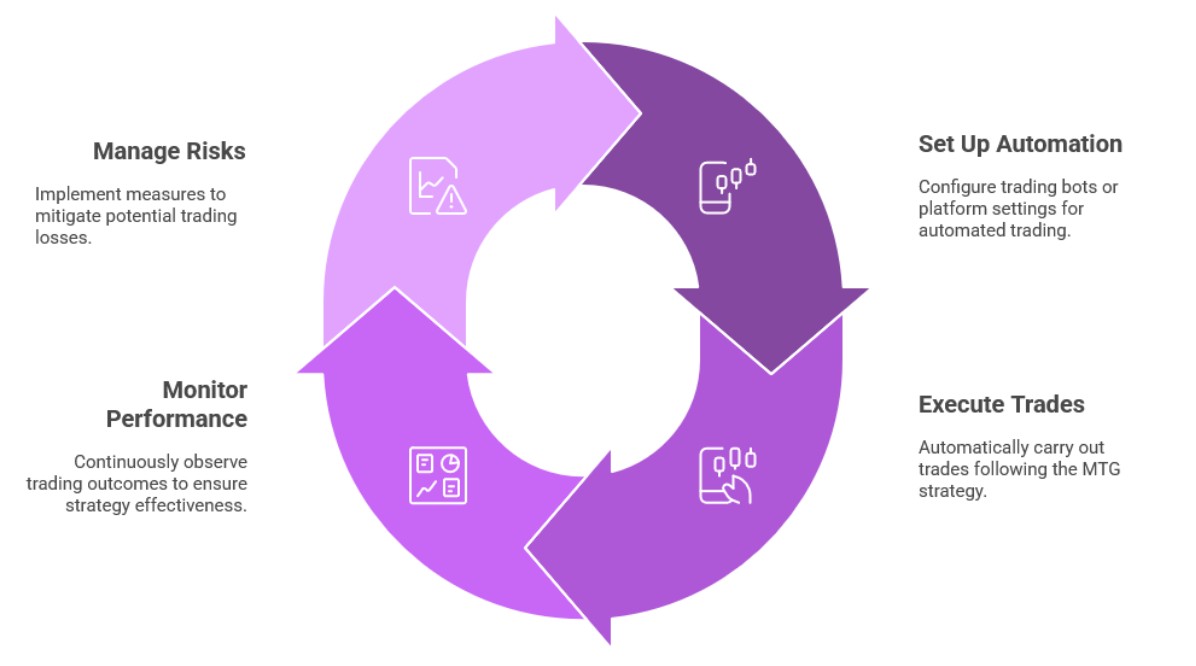
Some traders prefer automation when applying the Martingale Trading Grid. Using auto MTG in Quotex allows the system to increase trade sizes without manual adjustments. This can help remove emotional decision-making and maintain strict discipline.
Automated MTG can be useful for traders who follow a fixed sequence. However, it must be monitored closely. Automated systems can continue increasing trade sizes during sharp market moves, which can create unnecessary risk. A reliable method, a clear stop level, and stable market conditions are essential for safe execution.
MTG vs other trading strategies in Quotex
MTG is often compared with several popular trading methods used on the platform. Understanding the differences helps traders decide when the Martingale Trading Grid is appropriate and when another approach may be safer.
Unlike fixed-amount strategies, MTG adjusts the trade size after each loss, which can accelerate both recovery and risk. Scalping, on the other hand, focuses on frequent small trades that do not rely on increasing investment amounts. Trend-following methods emphasize identifying momentum and entering only when the market direction is clear.
For traders evaluating MTG in Quotex against alternative systems, the main consideration is risk tolerance. MTG offers fast recovery potential but requires strict control, while fixed-size or trend-based systems are more conservative and may suit those who prefer steady growth.
MTG works best when paired with technical analysis and a clear rule-based structure. Other strategies may not recover losses as quickly, but they provide a more stable approach during volatile periods.
Is MTG a good strategy for trading on Quotex?
Whether MTG is suitable for your trading style depends on your risk profile and discipline. When used correctly, MTG in Quotex trading can help traders regain previous losses and keep their approach structured. However, it also carries one of the highest risk levels among common trading methods.
- Pros
- Cons
Helps recover losses. By increasing trade amounts after a loss, traders can regain what they lost when they win.
Keeps trading structured. MTG follows a clear plan, helping traders stick to a system instead of making random trades.
Works well with market analysis. When used with technical analysis, it can improve the chances of success.
High risk of big losses. If a trader faces many losses in a row, trade sizes can become too large to handle.
Requires strict limits. Without a stop-loss or trade cap, an account balance can be drained quickly.
Not ideal for volatile markets. MTG doesn’t work well when prices move unpredictably, leading to consecutive losses.
Along with learning how MTG works on this platform, many traders also review suggestions of the top binary options brokers to better understand the wider trading landscape. Looking at several brokers side by side helps traders see how different platforms operate and where MTG-style strategies may or may not fit. This broader comparison supports more informed decisions before committing real funds.
| CloseOption | Capitalcore | Nadex | Pocket Option | QUOTEX | |
|---|---|---|---|---|---|
|
Foundation year |
2013 | 2019 | 2009 | 2017 | 2019 |
|
Min. deposit |
5 | 10 | 250 | 5 | 10 |
|
Min. trade size |
1 | 1 | 1 | 1 | 1 |
|
Min. Payout (%) |
17 | 60 | No | 50 | 20 |
|
Max. Payout (%) |
95 | 90 | 100 | 128 | 98 |
|
Demo |
Yes | Yes | Yes | Yes | Yes |
|
Copy trading |
No | No | No | Yes | No |
|
Open an account |
Go to broker Your capital is at risk. |
Go to broker Your capital is at risk.
|
Study review | Go to broker Your capital is at risk. |
Go to broker Your capital is at risk. |
Disciplined MTG use with strict limits protects long-term trading

In my experience, MTG can be a useful addition to a trader’s toolkit, but only when it is applied with strict rules and realistic expectations. I have seen many traders get caught in the cycle of increasing trade sizes without setting a clear maximum limit, which often leads to rapid account depletion. MTG works best when the market is moving in a stable direction and when the trader relies on technical analysis to choose high-probability entry points. Without this foundation, the sequence becomes nothing more than a risky attempt to chase losses.
I also encourage traders to treat automation carefully. Auto MTG can help maintain discipline by removing emotional decision-making, but it should never replace market awareness. Conditions can shift quickly, and an automated sequence will continue executing trades even when volatility spikes. For this reason, I prefer a hybrid approach: automate the sizing progression, but analyze the market and time entries manually. This combination provides structure while still allowing the trader to respond intelligently to changing market dynamics.
Conclusion
MTG in Quotex can support a structured trading plan, but it works only when traders use strict risk controls. The method helps recover losses by adjusting trade sizes, yet it also increases exposure with every step. A clear stop point is important because it protects your balance when markets move against you.
Traders should test MTG in a demo account to understand how the system behaves in different market conditions. Strong technical analysis improves entry timing and reduces long losing streaks. MTG is one option, but it should not replace disciplined strategy work. Combining it with other trading methods and stable risk management can create better long-term results.
FAQs
What is MTG in Quotex used for?
MTG in Quotex adjusts trade sizes after losses to recover previous losses and keep a structured trading plan. It is a risk management method that helps traders stay disciplined, but it must be used with clear limits to avoid account depletion.
Is MTG safe for beginners on Quotex?
MTG can be risky for beginners because trade sizes grow quickly during losing streaks. New traders should first try MTG on a demo account and set strict stop limits. This helps control losses while learning how the strategy behaves in real market conditions.
Does auto MTG in Quotex improve trading results?
Auto MTG removes emotional decisions and keeps the sequence consistent, but results depend on market conditions. Automation does not replace analysis. Traders should still monitor the system and stop it when volatility increases.
How many MTG steps should a trader use in Quotex?
Most traders use three to five MTG steps to control risk. More steps increase the chance of large losses. A fixed limit helps manage exposure and keeps the method safer during unexpected market moves.
Related Articles
Team that worked on the article
Alamin Morshed is a contributor at Traders Union. He specializes in writing articles for businesses that want to improve their Google search rankings to compete with their competition.
Dan Blystone began his trading career in 1998 as an arbitrage clerk on the floor of the Chicago Mercantile Exchange (CME). He later traded bond and Eurex futures at proprietary firms such as Altea Trading, gaining valuable experience in high-frequency trading and risk management.
Chinmay Soni is a financial analyst with more than 5 years of experience in working with stocks, Forex, derivatives, and other assets. As a founder of a boutique research firm and an active researcher, he covers various industries and fields, providing insights backed by statistical data.
-
 Afghanistan
-
 Albania
-
 Algeria
-
 Angola
-
 Argentina
-
 Armenia
-
 Australia
-
 Austria
-
 Azerbaijan
-
 Bahamas
-
 Bahrain
-
 Bangladesh
-
 Belarus
-
 Belgium
-
 Bolivia
-
 Botswana
-
 Brazil
-
 Brunei
-
 Bulgaria
-
 Cambodia
-
 Cameroon
-
 Canada
-
 Chile
Chile
-
 China
China
-
 Colombia
-
 Congo
Congo
-
 Costa Rica
-
 Cote d'Ivoire
-
 Croatia
-
 Cuba
Cuba
-
 Cyprus
-
 Czechia
-
 DR Congo
-
 Denmark
-
 Dominican Republic
-
 Ecuador
-
 Egypt
Egypt
-
 El Salvador
-
 Estonia
-
 Eswatini
-
 Ethiopia
-
 Finland
-
 France
-
 Georgia
-
 Germany
-
 Ghana
Ghana
-
 Greece
-
 Haiti
Haiti
-
 Hong Kong
-
 Hungary
-
 India
India
-
 Indonesia
-
 Iran, Islamic republic
-
 Iraq
Iraq
-
 Ireland
-
 Israel
-
 Italy
Italy
-
 Jamaica
-
 Japan
Japan
-
 Jordan
-
 Kazakhstan
-
 Kenya
Kenya
-
 Korea
Korea
-
 Kuwait
-
 Kyrgyzstan
-
 Laos
Laos
-
 Latvia
-
 Lebanon
-
 Lesotho
-
 Libya
Libya
-
 Lithuania
-
 Luxembourg
-
 Madagascar
-
 Malaysia
-
 Malta
Malta
-
 Mauritius
-
 Mexico
-
 Moldova
-
 Mongolia
-
 Montenegro
-
 Morocco
-
 Mozambique
-
 Myanmar
-
 Namibia
-
 Nepal
Nepal
-
 Netherlands
-
 New Zealand
-
 Nigeria
-
 North Macedonia
-
 Norway
-
 Oman
Oman
-
 Pakistan
-
 Palestine
-
 Panama
-
 Papua New Guinea
-
 Paraguay
-
 Peru
Peru
-
 Philippines
-
 Poland
-
 Portugal
-
 Puerto Rico
-
 Qatar
Qatar
-
 Reunion
-
 Romania
-
 Rwanda
-
 Saudi Arabia
-
 Serbia
-
 Singapore
-
 Slovakia
-
 Slovenia
-
 Somalia
-
 South Africa
-
 Spain
Spain
-
 Sri Lanka
-
 Sweden
-
 Switzerland
-
 Syria
Syria
-
 Taiwan
-
 Tajikistan
-
 Tanzania
-
 Thailand
-
 Trinidad and Tobago
-
 Tunisia
-
 Turkey
-
 UAE
UAE
-
 Uganda
-
 Ukraine
-
 United Kingdom
-
United States
-
 Uruguay
-
 Uzbekistan
-
 Venezuela
-
 Vietnam
-
 Yemen
Yemen
-
 Zambia
-
 Zimbabwe
- Forex
- Crypto












