
ClickFreeScore Review: Overview, Pricing, And User Positioning


Editorial Note: While we adhere to strict Editorial Integrity, this post may contain references to products from our partners. Here's an explanation for How We Make Money. None of the data and information on this webpage constitutes investment advice according to our Disclaimer.
ClickFreeScore is generally suitable for users who want continuous access to their full credit reports rather than occasional free checks. The service offers three-bureau monitoring, alerts, and identity protection through a paid subscription with automatic renewal. Its main value lies in credit visibility and convenience, while most user complaints relate to pricing and cancellation terms rather than missing features.
ClickFreeScore targets users who want consistent access to their credit information without relying on multiple free tools or manual checks. Instead of offering lending or financial advice, the service focuses on monitoring, alerts, and visibility across major credit bureaus. This review examines how ClickFreeScore works, what it includes, and whether its subscription model makes sense for long-term credit management.
What ClickFreeScore is and how it operates
ClickFreeScore is a subscription-based credit monitoring service that acts as an interface between U.S. credit bureaus and the end user. Many users first encounter the platform while trying to understand what the service actually does and whether it is necessary for managing personal credit.
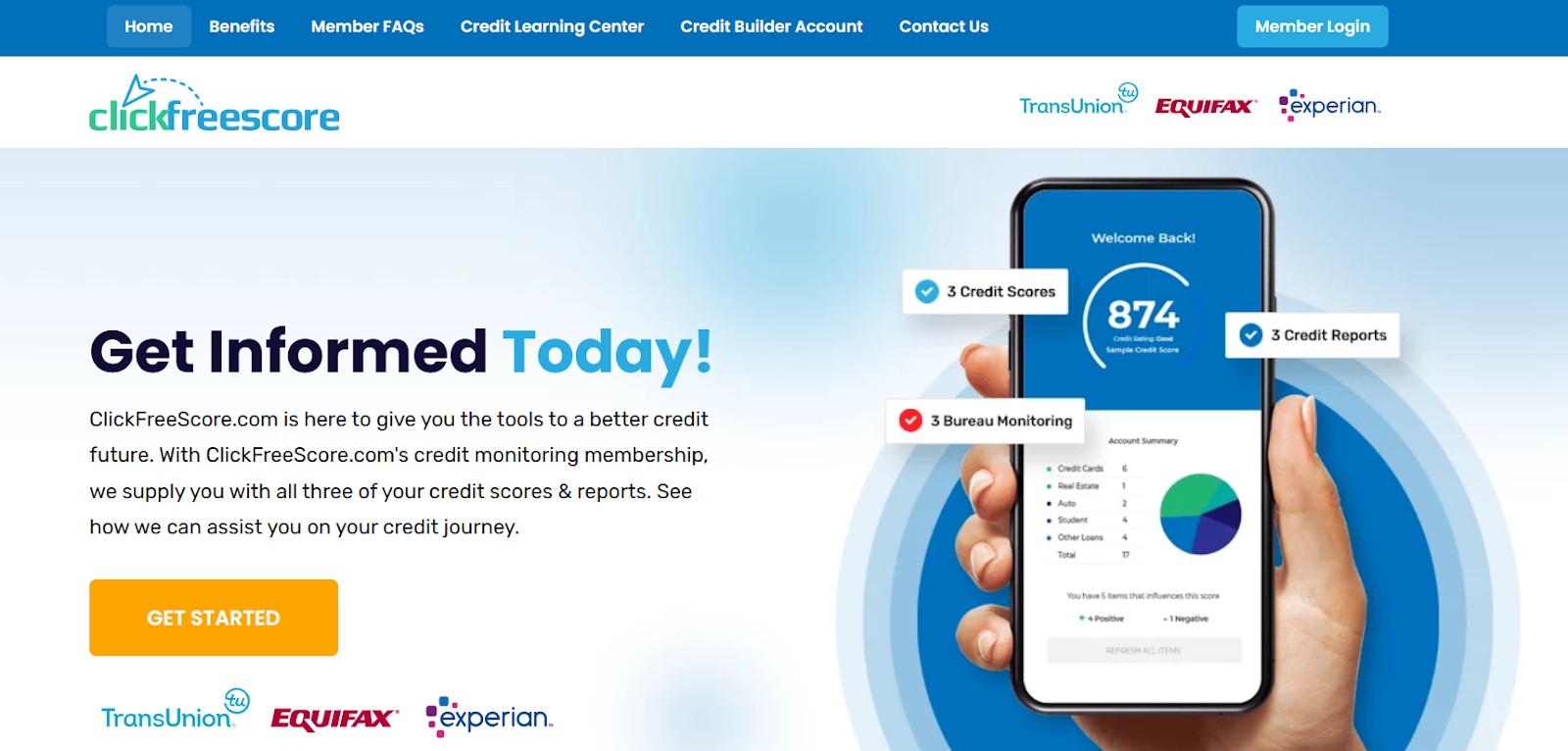
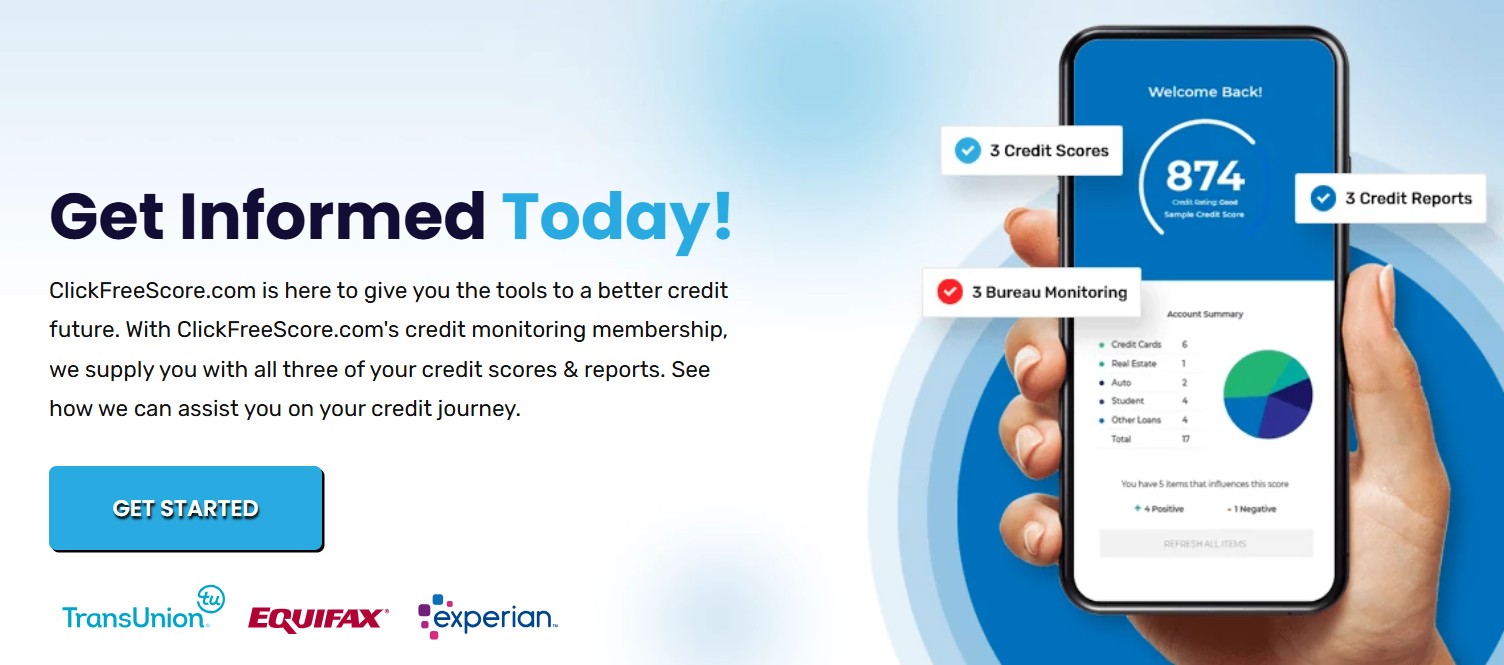
The platform collects credit data from Experian, Equifax, and TransUnion and displays it through a single dashboard. This allows users to track credit score changes, review report updates, and receive alerts when new activity appears on their credit files. The focus is on ongoing visibility rather than one-time access.
From an operational standpoint, ClickFreeScore works on a recurring subscription model. After completing identity verification, users gain access to credit reports, alerts, and optional tools related to identity protection and credit management. Access remains active as long as the membership is maintained and renews automatically unless canceled.
Overall, the service functions as a monitoring layer rather than a financial product. Its usefulness depends on how often a user checks credit data and how important real-time alerts are for maintaining financial control.
Credit reports, alerts, and monitoring scope
The core function of ClickFreeScore is continuous credit monitoring rather than one-time report access. The service tracks changes across all three major U.S. credit bureaus and notifies users when new activity appears on their credit files.
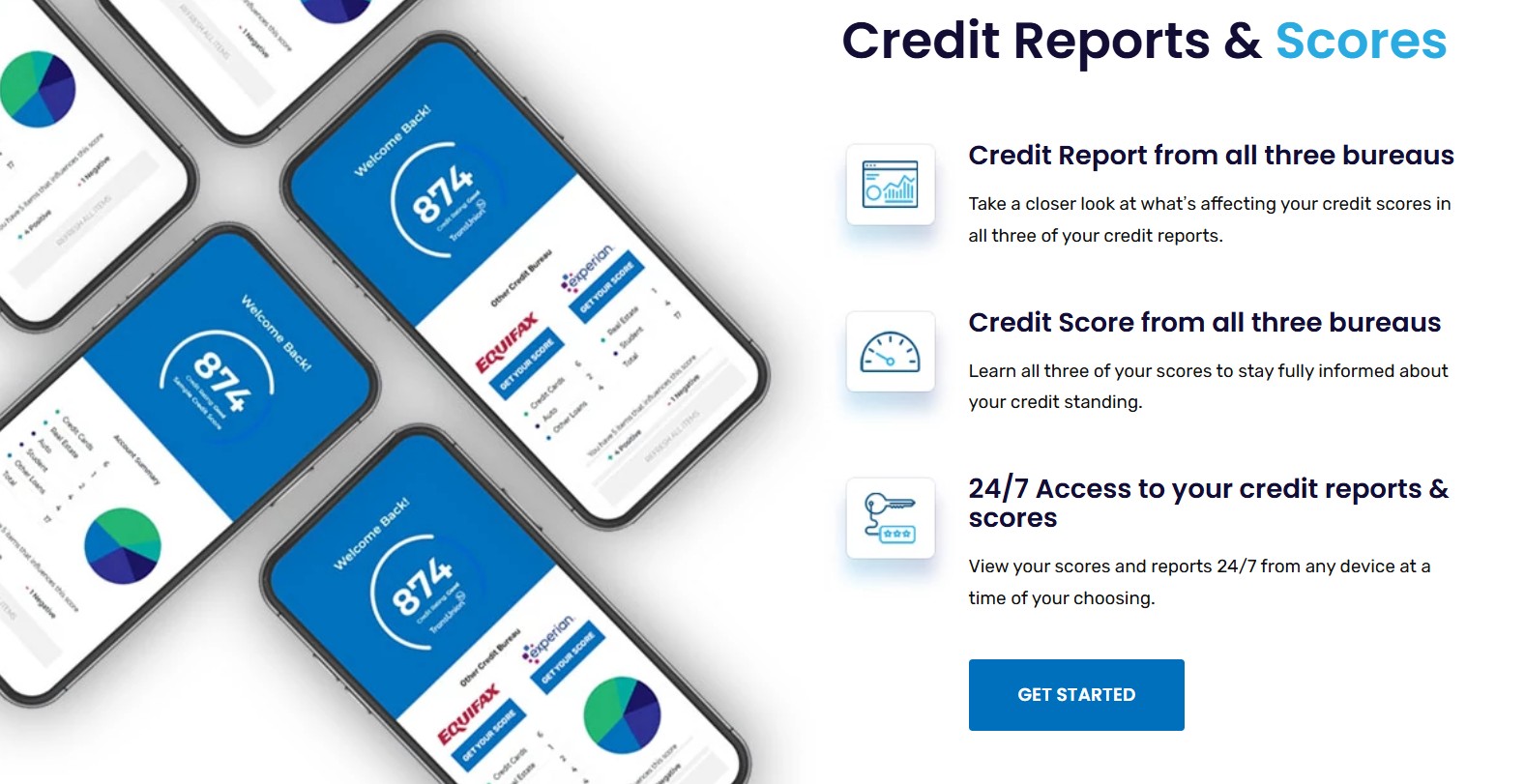
Alerts are triggered by events such as new credit inquiries, account updates, balance changes, or potential fraud indicators. This type of monitoring is especially useful for users who are actively managing credit applications, preparing for major purchases, or protecting themselves against identity theft.
By covering data from Experian, Equifax, and TransUnion, ClickFreeScore allows users to compare how information is reported across bureaus. Differences between reports are common, and early detection helps users dispute errors before they affect lending decisions or interest rates.
Monthly score updates and regular report refreshes give users a clearer view of long-term trends rather than isolated snapshots. Without ongoing monitoring, credit file changes can go unnoticed for extended periods, increasing the risk of delayed correction and financial impact.
Credit Builder Account and how it works
In addition to monitoring tools, ClickFreeScore offers access to a Credit Builder Account designed to help users strengthen their credit history through consistent repayment behavior. This feature is aimed at users with limited credit history or those looking to improve payment records over time.
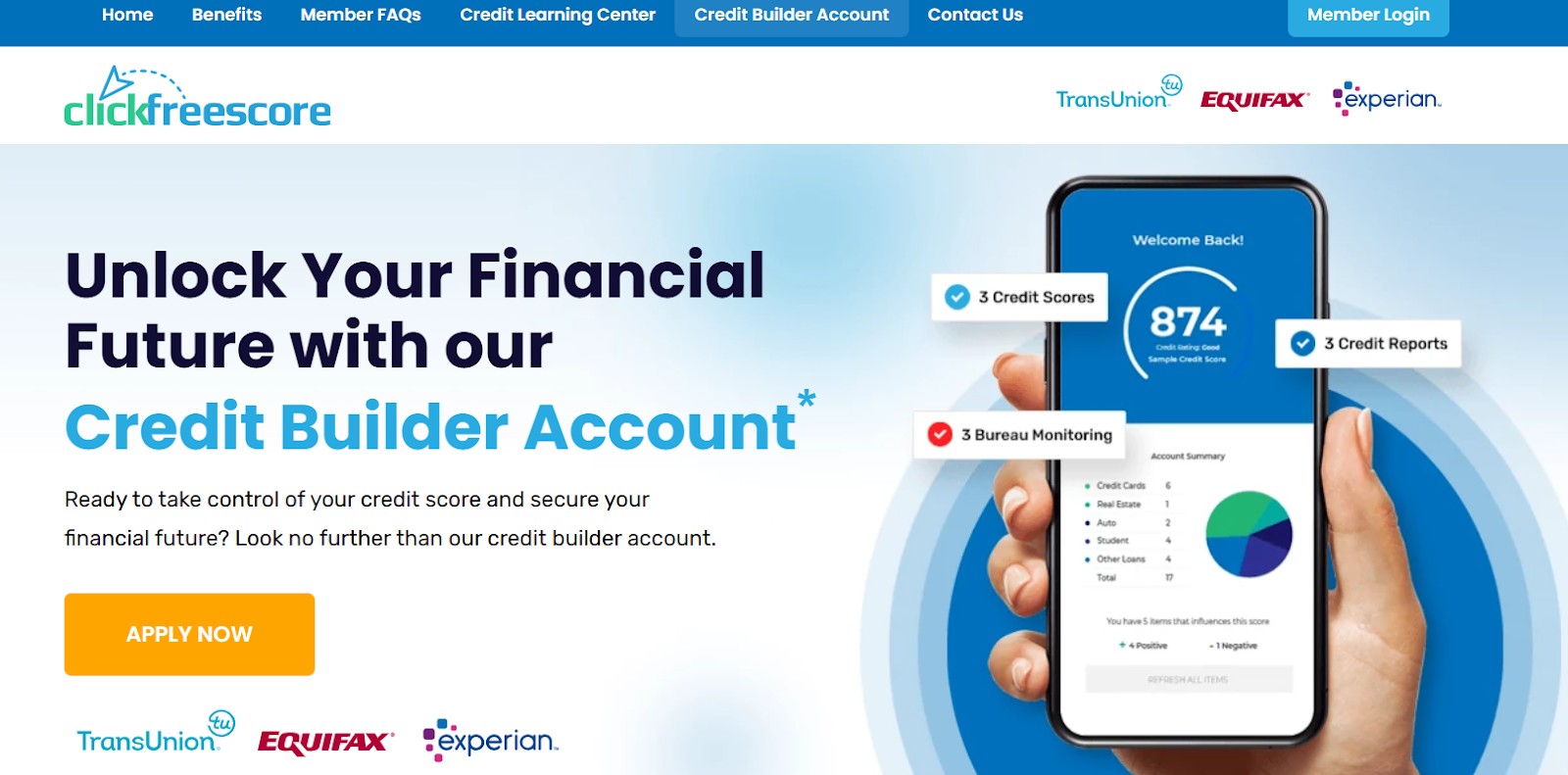
The Credit Builder Account works differently from a traditional loan. Instead of receiving funds upfront, the borrowed amount is placed into a secured account. Users then make fixed monthly payments, which are reported to the major credit bureaus. On-time payments contribute positively to credit history, one of the most important factors in credit score calculations.
After all scheduled payments are completed, the full loan amount is released to the user. This structure functions as a forced savings mechanism while simultaneously building a documented repayment track record.
Enrollment is completed through the ClickFreeScore dashboard and requires identity verification. Users can choose payment terms that match their budget, set up automated payments, and track progress directly within the platform. The tool is optional and best suited for users focused on long-term credit improvement rather than short-term score changes.
Is ClickFreeScore legit?
For platforms like ClickFreeScore, the core doubt remains whether the platform delivers genuine credit reports rather than simulated scores. ClickFreeScore sources credit data directly from the three major U.S. credit bureaus, which confirms that the information shown inside the dashboard reflects real consumer credit files.
Is ClickFreeScore safe?
Safety here refers to identity verification and data handling practices. ClickFreeScore applies encryption and access controls consistent with Fair Credit Reporting Act requirements and restricts report access until identity checks are completed.
Online discussions show a familiar pattern seen across subscription-based financial tools. Positive feedback focuses on credit visibility and alerts, while negative comments usually stem from misunderstandings about automatic renewals or missed cancellation deadlines rather than security breaches or fake reporting.
Overall, questions about whether ClickFreeScore is legitimate are best answered by separating service delivery from user expectations. The platform provides the credit monitoring features it advertises, but users should clearly understand subscription terms and renewal conditions before signing up.
Pricing model and subscription terms
ClickFreeScore uses a subscription-based pricing model that starts with a short trial period and then renews automatically unless the user takes action. This structure is common among credit monitoring services but requires attention to timing and plan details.
New users begin with a 7-day trial priced at $1. During this period, full access is provided to credit reports, alerts, and included tools. Once the trial ends, the account transitions to a paid plan selected during registration, and billing begins automatically.
ClickFreeScore offers three membership tiers. The Basic plan costs $9.95 per month and provides access to three-bureau credit monitoring with less frequent report refreshes. The Premium plan, priced at $29.95 per month, adds expanded identity protection features and more frequent updates. The Ultimate plan costs $39.90 per month and includes monthly credit report refreshes, enhanced monitoring tools, and additional member benefits such as roadside assistance.

While ClickFreeScore is more expensive than free credit score tools, the pricing reflects bundled access to all three bureaus, continuous monitoring, and identity protection features. Many ClickFreeScore reviews note that the value depends on how actively the service is used. Users who regularly check reports and rely on alerts tend to justify the cost more easily than those who only log in occasionally.
From a practical standpoint, the most important factor is awareness of renewal terms. Understanding when billing begins and which plan is active helps users avoid unexpected charges and assess whether the service fits their long-term credit management needs.
How to register for ClickFreeScore
Registering for ClickFreeScore is a guided online process that typically takes only a few minutes. To begin, users visit the official website and select the option to check their credit scores, which opens the secure signup flow.
The registration requires entering basic personal details including full name, address, date of birth, and Social Security number.
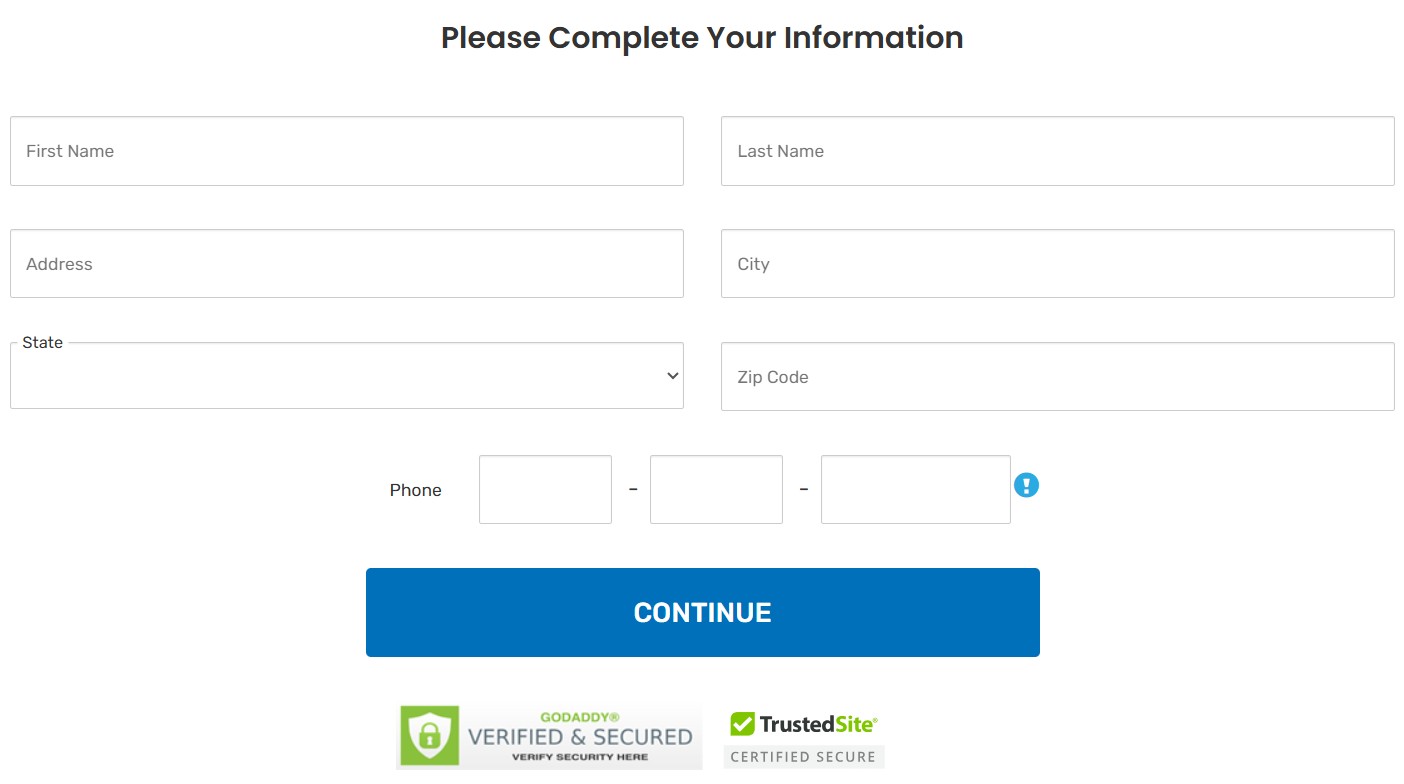
To verify identity, ClickFreeScore may present security questions based on past credit activity. Once verification is complete, users gain access to the dashboard, where they can view their credit reports, enable alerts, enroll in optional tools like the Credit Builder Account, and manage their membership settings.
For secure access in the future, users are encouraged to bookmark the login page and enable two-factor authentication where available.
How to cancel ClickFreeScore membership
Knowing how to cancel ClickFreeScore membership is important for users who sign up for the trial or decide not to continue with the service. Because ClickFreeScore subscriptions renew automatically, cancellation must be completed before the next billing date to avoid charges.
To cancel the subscription, users should log in to their ClickFreeScore account and open the membership or billing section. From there, they can submit a request to end the subscription directly through the dashboard. In some cases, the platform may ask for identity confirmation to ensure the request is authorized.
If online cancellation is not available, users can contact ClickFreeScore customer support and ask for assistance with membership cancellation. Support representatives typically verify account details before processing the request. This step is intended to protect account security, not to delay or block cancellation.
For users specifically searching “how to cancel ClickFreeScore membership”, timing matters. The cancellation request should be submitted at least 24 hours before the next billing cycle. Simply stopping usage, ignoring emails, or uninstalling the app does not stop recurring charges.
After cancellation is completed, users should save any confirmation email or reference number. This serves as proof that the ClickFreeScore membership was successfully canceled and can help resolve billing issues if they arise later.
User reviews and feedback
Overall user feedback on ClickFreeScore is mixed and largely depends on expectations set during signup. Most positive experiences come from users who actively monitor their credit and understand that the service operates as a paid subscription rather than a free score tool.
Many ClickFreeScore reviews highlight the convenience of seeing credit data from all three bureaus in one place. Users often mention that alerts and report access help them stay aware of changes, especially during periods of increased financial activity such as loan applications or identity recovery.
Negative feedback typically focuses less on functionality and more on billing-related issues. Some users report frustration with automatic renewals or missed cancellation deadlines, which suggests confusion about subscription terms rather than problems with the credit data itself. This pattern is common across many credit monitoring services that rely on trial-based onboarding.
Taken together, ClickFreeScore reviews suggest that the platform delivers the features it advertises, but satisfaction depends heavily on how well users understand pricing, renewal rules, and how often they plan to use the service. For users who want continuous credit visibility and actively manage their accounts, feedback trends are generally more favorable.
Relevance for traders and financially active users
Although ClickFreeScore is not a trading platform, credit health still plays an indirect role in many financial activities relevant to active traders. Credit checks are often part of the process when opening brokerage accounts, accessing margin or leverage-based products, or increasing account limits with payment providers.
For traders who operate across multiple platforms or jurisdictions, monitoring credit reports helps identify issues that could delay approvals or restrict access to financial services. Errors, unexpected inquiries, or signs of identity misuse can create friction at critical moments, especially when capital needs to move quickly.
Regular credit monitoring can also support broader financial planning. Traders who apply for business credit cards, personal credit lines, or loans to support trading activity benefit from early visibility into how their credit profile is evolving. This makes services like ClickFreeScore more relevant as a background risk-control tool rather than a trading utility.
In this context, credit monitoring should be viewed as part of financial infrastructure hygiene. It does not improve trading performance directly, but it helps reduce administrative and approval-related disruptions that can affect financially active users over time.
Many readers also explore brokers that offer a wide range of assets, especially when they are planning investments, trading, or opening new financial accounts. Reviewing these broker options alongside credit monitoring helps create a clearer picture of overall financial readiness. It is a natural next step for those managing both credit health and active financial decisions.
| Trading.com USA | Plus500 | OANDA | FOREX.com | IG Markets | |
|---|---|---|---|---|---|
|
Tradable assets |
69 | 2800 | 129 | 5500 | 20000 |
|
Demo |
Yes | Yes | Yes | Yes | Yes |
|
Min. deposit, $ |
50 | 100 | No | 100 | 1 |
|
Max. leverage |
1:50 | 1:300 | 1:200 | 1:50 | 1:200 |
|
Standard EUR/USD spread |
1.1 | 0.7 | 0.3 | 1.0 | 0.9 |
|
Regulation |
CFTC, NFA | CySEC, FCA, ASIC, FMA, FSCA, FSA Seychelles, EFSA, MAS, DFSA, SCB | FSC (BVI), ASIC, IIROC, FCA, CFTC, NFA | CIMA, FCA, FSA (Japan), NFA, IIROC, ASIC, CFTC | FCA, BaFin, ASIC, MAS, CySec, FINMA, BMA, CFTC, NFA |
|
TU overall score |
6.88 | 6.67 | 6.63 | 6.47 | 6.38 |
|
Open an account |
Go to broker Your capital is at risk. |
Go to broker 81% of retail CFD accounts lose money. |
Go to broker Your capital is at risk. |
Study review | Study review |
Best for active users who monitor credit regularly

When I assess credit monitoring services like ClickFreeScore, I focus on whether they realistically fit into a user’s financial routine. This platform makes the most sense for people who actively track their credit and understand that it is a paid subscription, not a free score checker. Used consistently, three-bureau monitoring and alerts provide meaningful visibility that free tools often lack.
For financially active users, including traders, the main value is early detection of issues that could affect approvals, limits, or account access. However, ClickFreeScore is not a passive tool. I only recommend it to users who plan to log in regularly, monitor alerts, and manage renewals carefully as part of their broader financial discipline.
Conclusion
ClickFreeScore stands out as a comprehensive credit monitoring solution for users who value real-time visibility into their credit status across all three major bureaus. The service is best suited for those who actively track their finances and understand the importance of consistent oversight, not for users seeking occasional free checks. Features like detailed alerts and the Credit Builder Account empower users to proactively manage and improve their credit health, while typical complaints center on subscription terms rather than the platform’s core capabilities. Ultimately, ClickFreeScore proves most valuable for individuals committed to ongoing financial discipline and those who recognize that early awareness is key to safeguarding credit and unlocking future opportunities.
FAQs
Can ClickFreeScore detect discrepancies between different credit bureaus?
What are the steps involved in canceling a ClickFreeScore subscription to avoid additional charges?
How does the Credit Builder Account offered by ClickFreeScore work to improve credit history?
What security measures does ClickFreeScore implement to protect user data and privacy?
Editors' Top Picks and Insights






Related Articles
Team that worked on the article
Aleksandra Chaikina has been a contributor to Traders Union since 2021. With over 15 years of experience in copywriting and more than 5 years focused on financial content, she specializes in producing detailed guides, analytics, and comparative reviews across various sectors, including cryptocurrencies, Forex, investment strategies, and financial technologies.
Dan Blystone began his trading career in 1998 as an arbitrage clerk on the floor of the Chicago Mercantile Exchange (CME). He later traded bond and Eurex futures at proprietary firms such as Altea Trading, gaining valuable experience in high-frequency trading and risk management.
Chinmay Soni is a financial analyst with more than 5 years of experience in working with stocks, Forex, derivatives, and other assets. As a founder of a boutique research firm and an active researcher, he covers various industries and fields, providing insights backed by statistical data.
CFD is a contract between an investor/trader and seller that demonstrates that the trader will need to pay the price difference between the current value of the asset and its value at the time of contract to the seller.
An investor is an individual, who invests money in an asset with the expectation that its value would appreciate in the future. The asset can be anything, including a bond, debenture, mutual fund, equity, gold, silver, exchange-traded funds (ETFs), and real-estate property.
Bitcoin is a decentralized digital cryptocurrency that was created in 2009 by an anonymous individual or group using the pseudonym Satoshi Nakamoto. It operates on a technology called blockchain, which is a distributed ledger that records all transactions across a network of computers.
Index in trading is the measure of the performance of a group of stocks, which can include the assets and securities in it.
Forex leverage is a tool enabling traders to control larger positions with a relatively small amount of capital, amplifying potential profits and losses based on the chosen leverage ratio.

-
 Afghanistan
-
 Albania
-
 Algeria
-
 Angola
-
 Argentina
-
 Armenia
-
 Australia
-
 Austria
-
 Azerbaijan
-
 Bahamas
-
 Bahrain
-
 Bangladesh
-
 Belarus
-
 Belgium
-
 Bolivia
-
 Botswana
-
 Brazil
-
 Brunei
-
 Bulgaria
-
 Cambodia
-
 Cameroon
-
 Canada
-
 Chile
Chile
-
 China
China
-
 Colombia
-
 Congo
Congo
-
 Costa Rica
-
 Cote d'Ivoire
-
 Croatia
-
 Cuba
Cuba
-
 Cyprus
-
 Czechia
-
 DR Congo
-
 Denmark
-
 Dominican Republic
-
 Ecuador
-
 Egypt
Egypt
-
 El Salvador
-
 Estonia
-
 Eswatini
-
 Ethiopia
-
 Finland
-
 France
-
 Georgia
-
 Germany
-
 Ghana
Ghana
-
 Greece
-
 Haiti
Haiti
-
 Hong Kong
-
 Hungary
-
 India
India
-
 Indonesia
-
 Iran, Islamic republic
-
 Iraq
Iraq
-
 Ireland
-
 Israel
-
 Italy
Italy
-
 Jamaica
-
 Japan
Japan
-
 Jordan
-
 Kazakhstan
-
 Kenya
Kenya
-
 Korea
Korea
-
 Kuwait
-
 Kyrgyzstan
-
 Laos
Laos
-
 Latvia
-
 Lebanon
-
 Lesotho
-
 Libya
Libya
-
 Lithuania
-
 Luxembourg
-
 Madagascar
-
 Malaysia
-
 Malta
Malta
-
 Mauritius
-
 Mexico
-
 Moldova
-
 Mongolia
-
 Montenegro
-
 Morocco
-
 Mozambique
-
 Myanmar
-
 Namibia
-
 Nepal
Nepal
-
 Netherlands
-
 New Zealand
-
 Nigeria
-
 North Macedonia
-
 Norway
-
 Oman
Oman
-
 Pakistan
-
 Palestine
-
 Panama
-
 Papua New Guinea
-
 Paraguay
-
 Peru
Peru
-
 Philippines
-
 Poland
-
 Portugal
-
 Puerto Rico
-
 Qatar
Qatar
-
 Reunion
-
 Romania
-
 Rwanda
-
 Saudi Arabia
-
 Serbia
-
 Singapore
-
 Slovakia
-
 Slovenia
-
 Somalia
-
 South Africa
-
 Spain
Spain
-
 Sri Lanka
-
 Sweden
-
 Switzerland
-
 Syria
Syria
-
 Taiwan
-
 Tajikistan
-
 Tanzania
-
 Thailand
-
 Trinidad and Tobago
-
 Tunisia
-
 Turkey
-
 UAE
UAE
-
 Uganda
-
 Ukraine
-
 United Kingdom
-
United States
-
 Uruguay
-
 Uzbekistan
-
 Venezuela
-
 Vietnam
-
 Yemen
Yemen
-
 Zambia
-
 Zimbabwe
- Forex
- Crypto










- What ClickFreeScore is and how it operates
- Credit reports, alerts, and monitoring scope
- Credit Builder Account and how it works
- Is ClickFreeScore legit?
- Pricing model and subscription terms
- How to register for ClickFreeScore
- How to cancel ClickFreeScore membership
- User reviews and feedback
- Relevance for traders and financially active users
- Expert opinion
- Conclusion
- FAQs


