Best Assets to Trade on IQ Broker


Editorial Note: While we adhere to strict Editorial Integrity, this post may contain references to products from our partners. Here's an explanation for How We Make Money. None of the data and information on this webpage constitutes investment advice according to our Disclaimer.
News-reactive assets to trade on IQ Broker include:
The multi-asset IQ Broker platform means you don’t have to limit yourself to just one market. Instead, you can move between stocks, indices, ETFs, Forex, crypto, and commodities, adapting to changes in volatility, liquidity, and your own risk preferences. In this article, we focus on one of the most news-reactive asset classes – stocks and ETFs. Let’s discover what IQ Broker offers in these markets.
Stock trading opportunities on IQ Broker
As a stock trading platform, IQ Broker offers traders easy access to companies from different sectors:
technology;
healthcare;
finance;
consumer goods;
energy.
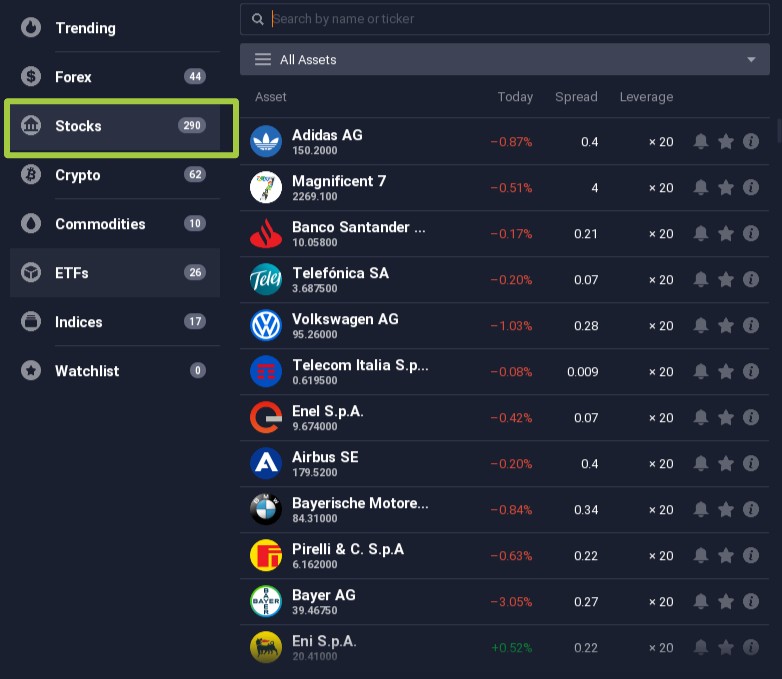
Each sector reacts differently to earnings reports, economic data, and global news, which gives you more trading choices.
Why stocks stand out:
earnings reports can trigger strong one-day moves;
sector trends create multi-day momentum;
popular names attract high volume, improving liquidity;
technology and AI-related companies often lead in volatility;
defensive sectors like utilities or consumer staples may offer more stable price action.
Traders can adjust exposure depending on their strategy (trend-following, breakout trading, or reaction to news). In general, stock trading opportunities are strongest during macro events or quarterly reports.
The IQ Broker trading platform allows traders to approach stocks from a short-term speculative angle or as part of a broader diversified strategy.
ETFs: Built-in diversification
Now imagine this: instead of choosing one company… you choose a whole sector. That’s what ETFs do – bundle multiple assets into one instrument. On IQ Broker, ETFs allow you to spread risk without opening several different positions, and to step back from individual company drama and focus on the bigger picture.
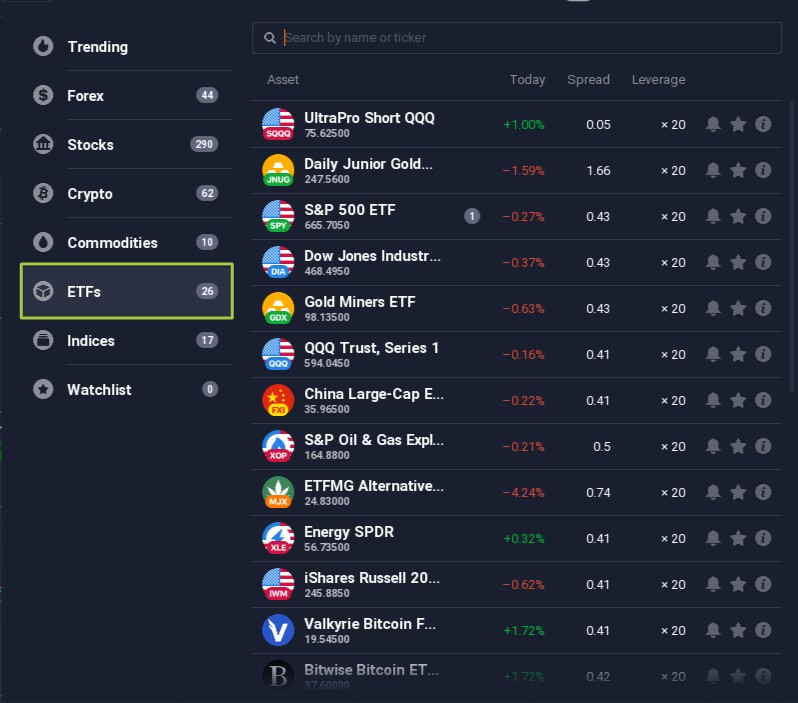
What ETFs can give you:
Exposure to entire industries – tech, energy, healthcare, etc.
Broad index tracking – follow major market benchmarks instead of guessing individual winners.
Thematic strategies – emerging markets, innovation, sustainability – trade ideas, not just tickers.
Reduced single-stock risk – ETFs smooth out extreme moves and make diversification easier to manage.
Easier market reading – if a technology ETF starts gaining momentum, capital is likely flowing into that sector. If a broad index ETF weakens, sentiment may be shifting.
With IQ Broker trading, you can move between individual stocks, commodities, and ETFs depending on how much precision – or protection – you want in your strategy.

How IQ Broker trading helps you manage risk across assets
IQ Broker risk management tools include:
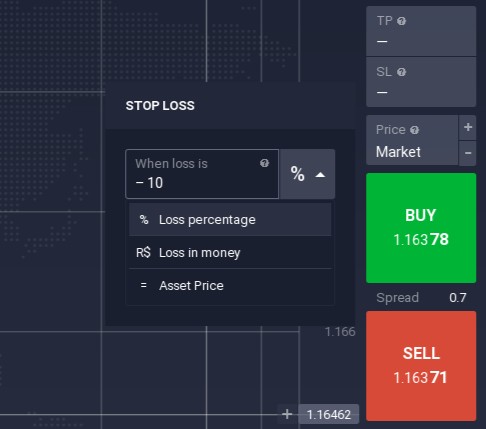
Stop-loss and take-profit levels
Define your exit before the market decides for you.
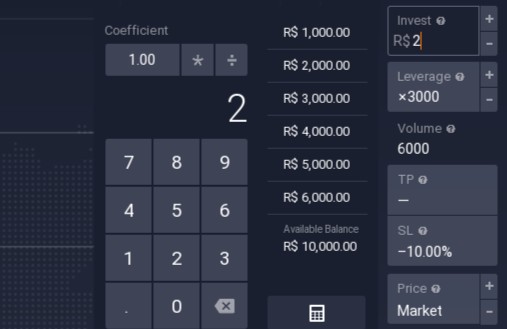
Adjustable position sizing
Сontrol how much of your capital is exposed on each trade.
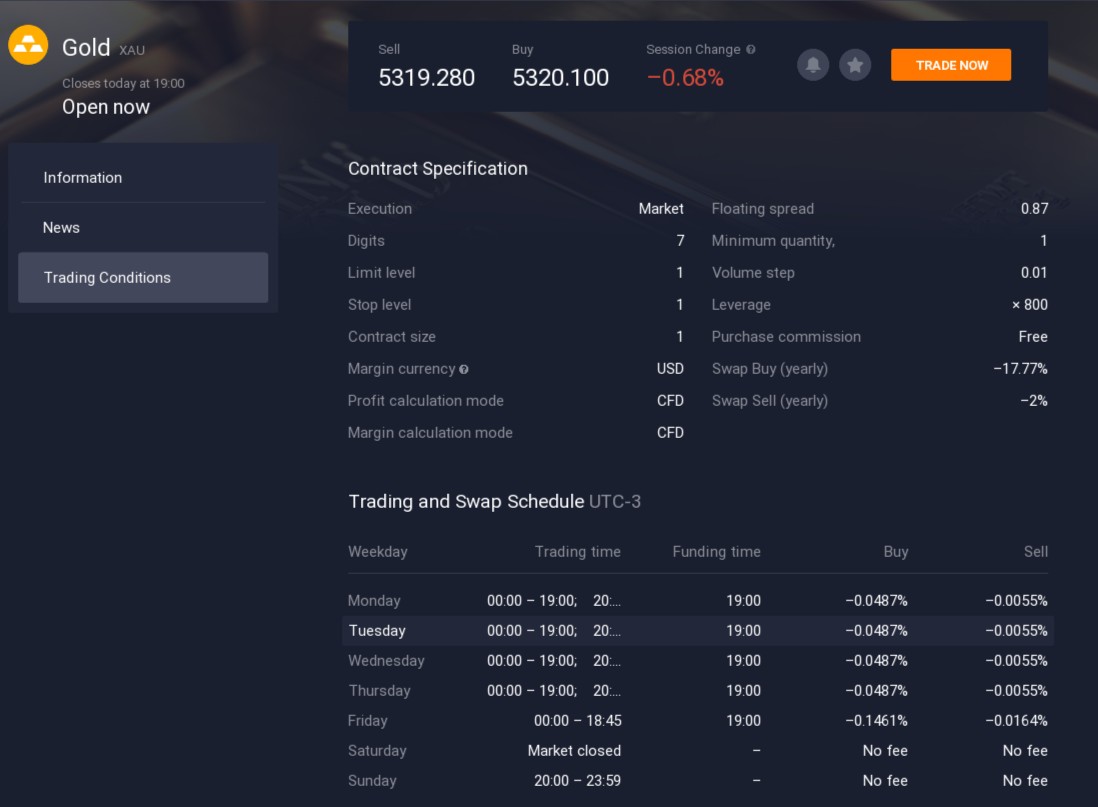
Transparent spreads and leverage settings
Know your trading conditions before you enter.
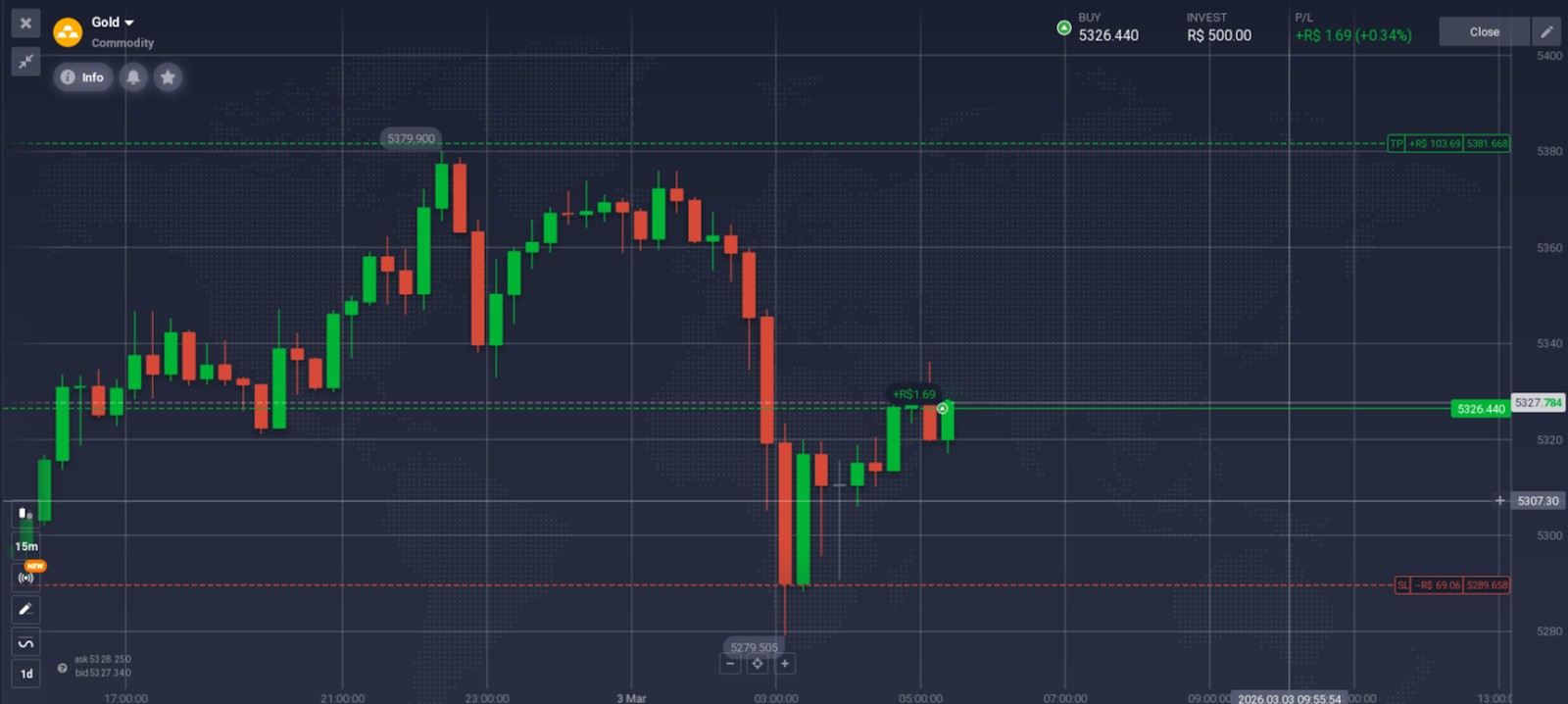
Real-time charting and order tracking
See what’s happening – and react without delay.
Building a personal risk map
Different assets carry different risks. Stocks react to earnings and news, commodities – to geopolitics and macro shifts, ETFs smooth volatility but still follow market direction.
Using IQ Broker as a unified interface simplifies monitoring multiple markets simultaneously. Instead of juggling platforms, traders can compare assets, analyze correlations, and rebalance exposure efficiently.
Pre-trade self-questionnaire:
Is volatility expanding or slowing down?
Are liquidity conditions strong or thin?
Which sector has momentum right now?
How much risk am I comfortable taking?
The traders who adapt usually last longer than those who stay fixed on one idea. By offering access to stocks, commodities, and ETFs in one place, IQ Broker becomes a workspace where you can shift between assets as global narratives change.
Treat each asset class as a distinct environment

One of the most common mistakes traders make on multi-asset platforms is over-diversifying too early. Rather than attempting to trade multiple markets simultaneously, it is far more effective to focus on one or two asset classes and develop a deep understanding of their behavior under varying market conditions. This approach allows for more consistent decision-making and better execution.
I also recommend treating each asset class as a distinct environment. Markets differ not only in volatility and liquidity, but in how they respond to information and capital flows. Applying a uniform strategy across all instruments often leads to inefficiencies. A more professional approach is to adapt your methodology to the specific characteristics of each asset while maintaining discipline and consistency in risk management.
Conclusion
The best assets to trade on IQ Broker depend on how you balance opportunity and risk. Stocks offer strong volatility and reaction to news, making them suitable for active strategies, while ETFs provide diversification and a broader view of market trends. The advantage of the platform lies in its multi-asset structure, allowing traders to shift between instruments as conditions change and build more flexible strategies. Ultimately, consistent results come not from chasing every market, but from understanding how each asset behaves and applying disciplined risk management across trades.
FAQs
What are the most volatile assets on IQ Broker?
Tech stocks, crypto, and certain commodities like oil often show higher short-term volatility, especially during earnings or geopolitical events.
Why consider ETFs instead of individual stocks?
ETFs offer ETF diversification benefits by spreading exposure across multiple companies or sectors.
How does IQ Broker trading support risk control?
The platform integrates risk management tools such as stop-loss orders and flexible position sizing.
Is IQ Broker suitable for multi-asset strategies?
Yes. IQ Broker is a stock, ETF, and commodity trading platform where you can access over 500 assets within one trading environment.
Editors' Top Picks and Insights






Related Articles
Team that worked on the article
Dan Blystone began his trading career in 1998 as an arbitrage clerk on the floor of the Chicago Mercantile Exchange (CME). He later traded bond and Eurex futures at proprietary firms such as Altea Trading, gaining valuable experience in high-frequency trading and risk management.
Chinmay Soni is a financial analyst with more than 5 years of experience in working with stocks, Forex, derivatives, and other assets. As a founder of a boutique research firm and an active researcher, he covers various industries and fields, providing insights backed by statistical data.
CFD is a contract between an investor/trader and seller that demonstrates that the trader will need to pay the price difference between the current value of the asset and its value at the time of contract to the seller.
Index in trading is the measure of the performance of a group of stocks, which can include the assets and securities in it.
Take-Profit order is a type of trading order that instructs a broker to close a position once the market reaches a specified profit level.
Risk management is a risk management model that involves controlling potential losses while maximizing profits. The main risk management tools are stop loss, take profit, calculation of position volume taking into account leverage and pip value.
Forex leverage is a tool enabling traders to control larger positions with a relatively small amount of capital, amplifying potential profits and losses based on the chosen leverage ratio.

-
 Afghanistan
-
 Albania
-
 Algeria
-
 Angola
-
 Argentina
-
 Armenia
-
 Australia
-
 Austria
-
 Azerbaijan
-
 Bahamas
-
 Bahrain
-
 Bangladesh
-
 Belarus
-
 Belgium
-
 Bolivia
-
 Botswana
-
 Brazil
-
 Brunei
-
 Bulgaria
-
 Cambodia
-
 Cameroon
-
 Canada
-
 Chile
Chile
-
 China
China
-
 Colombia
-
 Congo
Congo
-
 Costa Rica
-
 Cote d'Ivoire
-
 Croatia
-
 Cuba
Cuba
-
 Cyprus
-
 Czechia
-
 DR Congo
-
 Denmark
-
 Dominican Republic
-
 Ecuador
-
 Egypt
Egypt
-
 El Salvador
-
 Estonia
-
 Eswatini
-
 Ethiopia
-
 Finland
-
 France
-
 Georgia
-
 Germany
-
 Ghana
Ghana
-
 Greece
-
 Haiti
Haiti
-
 Hong Kong
-
 Hungary
-
 India
India
-
 Indonesia
-
 Iran, Islamic republic
-
 Iraq
Iraq
-
 Ireland
-
 Israel
-
 Italy
Italy
-
 Jamaica
-
 Japan
Japan
-
 Jordan
-
 Kazakhstan
-
 Kenya
Kenya
-
 Korea
Korea
-
 Kuwait
-
 Kyrgyzstan
-
 Laos
Laos
-
 Latvia
-
 Lebanon
-
 Lesotho
-
 Libya
Libya
-
 Lithuania
-
 Luxembourg
-
 Madagascar
-
 Malaysia
-
 Malta
Malta
-
 Mauritius
-
 Mexico
-
 Moldova
-
 Mongolia
-
 Montenegro
-
 Morocco
-
 Mozambique
-
 Myanmar
-
 Namibia
-
 Nepal
Nepal
-
 Netherlands
-
 New Zealand
-
 Nigeria
-
 North Macedonia
-
 Norway
-
 Oman
Oman
-
 Pakistan
-
 Palestine
-
 Panama
-
 Papua New Guinea
-
 Paraguay
-
 Peru
Peru
-
 Philippines
-
 Poland
-
 Portugal
-
 Puerto Rico
-
 Qatar
Qatar
-
 Reunion
-
 Romania
-
 Rwanda
-
 Saudi Arabia
-
 Serbia
-
 Singapore
-
 Slovakia
-
 Slovenia
-
 Somalia
-
 South Africa
-
 Spain
Spain
-
 Sri Lanka
-
 Sweden
-
 Switzerland
-
 Syria
Syria
-
 Taiwan
-
 Tajikistan
-
 Tanzania
-
 Thailand
-
 Trinidad and Tobago
-
 Tunisia
-
 Turkey
-
 UAE
UAE
-
 Uganda
-
 Ukraine
-
 United Kingdom
-
United States
-
 Uruguay
-
 Uzbekistan
-
 Venezuela
-
 Vietnam
-
 Yemen
Yemen
-
 Zambia
-
 Zimbabwe
- Forex
- Crypto