
Best Smartphones For Crypto Trading In 2026


Editorial Note: While we adhere to strict Editorial Integrity, this post may contain references to products from our partners. Here's an explanation for How We Make Money. None of the data and information on this webpage constitutes investment advice according to our Disclaimer.
Top 5 best phones for cryptocurrency trading:
iPhone 17 Pro Max. Best overall choice for crypto trading, combining Secure Enclave hardware security, strong biometric authentication, long-term iOS support, and high performance.
Samsung Galaxy S26 Ultra. Best Android option, with Knox Vault hardware-based protection, seven years of security updates, and a large display suited to charts and trading apps.
Google Pixel 11 Pro / Pro XL. Best for fast security updates, offering Google’s hardware-backed security architecture, long-term software support, and a clean Android experience.
Samsung Galaxy Z Fold8 / Fold8 Ultra. Best for multitasking, with a large foldable display that makes it easier to use charts, exchanges, and analytics tools side by side.
Solana Seeker. Best dedicated Web3 phone, combining hardware-backed Seed Vault key protection with the Solana dApp Store and integrated crypto-focused features.
In 2026, a smartphone is a full tool for managing digital assets. Users store private keys, run crypto wallets, complete two-factor authentication, and handle crypto trading on phone every day. It doesn’t matter if you need a daily-use phone for trading crypto or simply the best phone for advanced crypto trading, the right device must go beyond raw power. It needs strong security, regular updates, and reliable hardware-based protection.
This article covers the best phones for crypto trading available right now. We review the top 5 models, explain what to look for when choosing a phone for crypto, and compare mainstream smartphones against specialized phones for trading crypto. You will also find practical tips for keeping your assets safe on a mobile device and learn whether a separate phone for crypto is worth considering.
Risk warning: Cryptocurrency markets are highly volatile, with sharp price swings and regulatory uncertainties. Research indicates that 75-90% of traders face losses. Only invest discretionary funds and consult an experienced financial advisor.
Best phones for cryptocurrency: Top 5 models
A reliable phone for crypto trading should combine strong security, long-term software support, stable performance, and a display suitable for charts and trading apps. In 2026, hardware-backed security and timely security updates generally matter more for crypto users than maximum RAM or benchmark performance.
iPhone 17 Pro Max
The iPhone 17 Pro Max remains one of the strongest overall choices for crypto trading in 2026. It combines the A19 Pro chip with a 6.9-inch OLED display, 120 Hz ProMotion, and a vapor-chamber cooling system designed to maintain performance during demanding workloads.
For security, Apple’s Secure Enclave provides hardware-isolated protection for biometric information and can protect cryptographic keys used by apps that support Apple’s secure key APIs. However, whether a crypto wallet uses Secure Enclave for key protection depends on the wallet’s implementation. Combined with Face ID, regular iOS security updates, and Apple’s broader hardware security architecture, the iPhone 17 Pro Max is a strong security-focused option for wallets, exchanges, and authentication apps.
- Pros
- Cons
Secure Enclave. Hardware-isolated protection for sensitive data and supported cryptographic operations.
Regular security updates. Apple provides long-term iOS security support.
High sustained performance. Vapor-chamber cooling helps maintain performance under demanding workloads.
Face ID. Convenient hardware-backed biometric authentication.
high purchase price;
limited customization compared with Android;
expensive repairs and accessories.
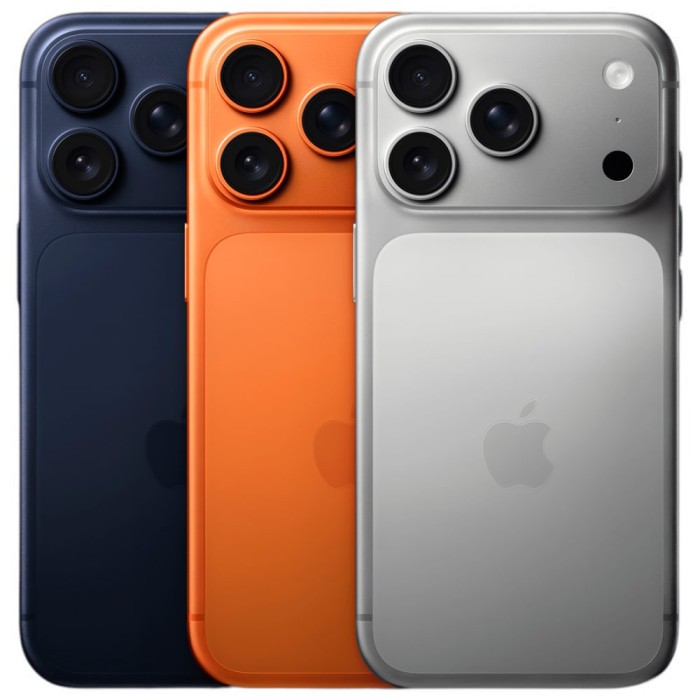
Samsung Galaxy S26 Ultra
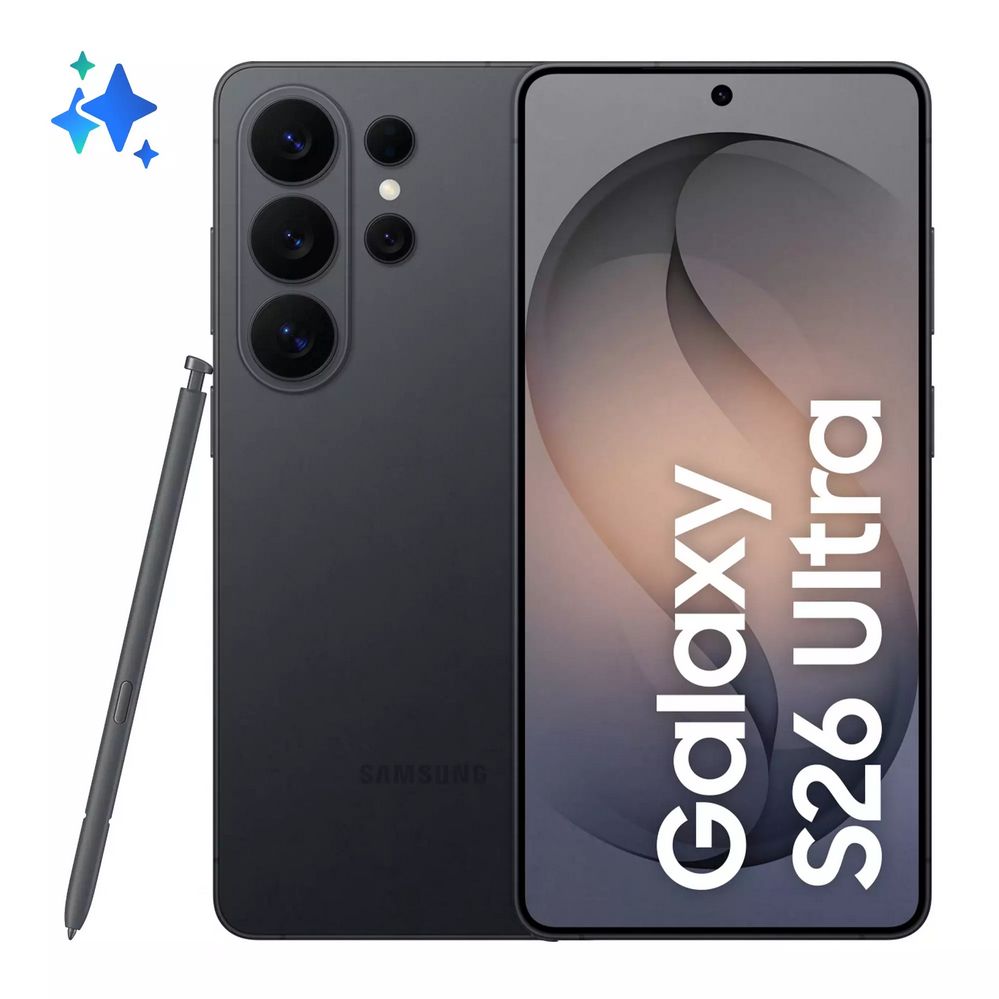
The Galaxy S26 Ultra replaces the S25 Ultra as Samsung’s current flagship choice for crypto trading. It features a 6.9-inch display, flagship-level performance, and Samsung’s Knox security architecture, making it particularly suitable for users who want a large Android device for exchanges, charts, and portfolio monitoring.
Knox Vault provides hardware-backed isolation for sensitive information such as authentication credentials and biometric data. Samsung also promises seven generations of OS upgrades and seven years of security updates. Another useful addition for financial users is the built-in Privacy Display, designed to reduce side-angle visibility of sensitive on-screen information. Samsung has also introduced post-quantum protections within parts of its security ecosystem, although this should not be interpreted as making cryptocurrency private keys or blockchain signatures quantum-resistant.
- Pros
- Cons
Knox Vault. Hardware-backed protection for sensitive data.
7 years of security updates. Strong long-term Android support.
Large 6.9-inch display. Well suited to charts and trading platforms.
Privacy Display. Helps limit side-angle visibility of sensitive information.
high price;
large form factor may not suit all users;
advanced features can increase power consumption.
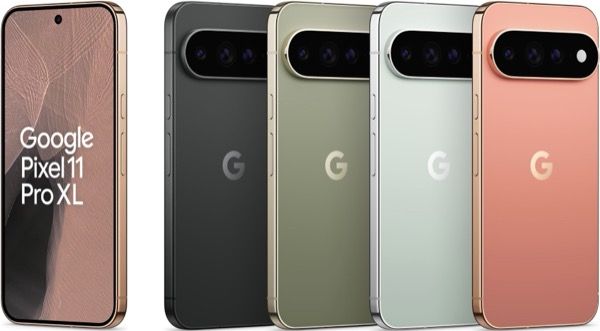
Google Pixel 11 Pro / Pro XL
The Google Pixel 11 Pro and Pixel 11 Pro XL are strong choices for crypto users who prioritize security updates and a clean Android environment. As Google’s current flagship generation, they receive software and security updates directly from Google, reducing dependence on third-party manufacturers for critical patches.
Google combines hardware-backed security with verified boot and Android’s built-in application sandboxing and encryption. This makes the Pixel 11 Pro series particularly attractive for users running wallets, exchange apps, authenticators, and other security-sensitive applications. As with other smartphones, however, hardware-backed security does not mean that every crypto wallet automatically stores its private keys in dedicated secure hardware; this depends on the application.
- Pros
- Cons
Direct Google updates. Fast access to Android security patches.
Hardware-backed security. Designed to protect sensitive credentials and device integrity.
Clean Android experience. Limited unnecessary pre-installed software.
Long-term software support. Suitable for users planning to keep the device for several years.
less customization than some Android alternatives;
Pro XL may be too large for users who prefer compact phones;
specialized crypto features are limited compared with dedicated Web3 phones.
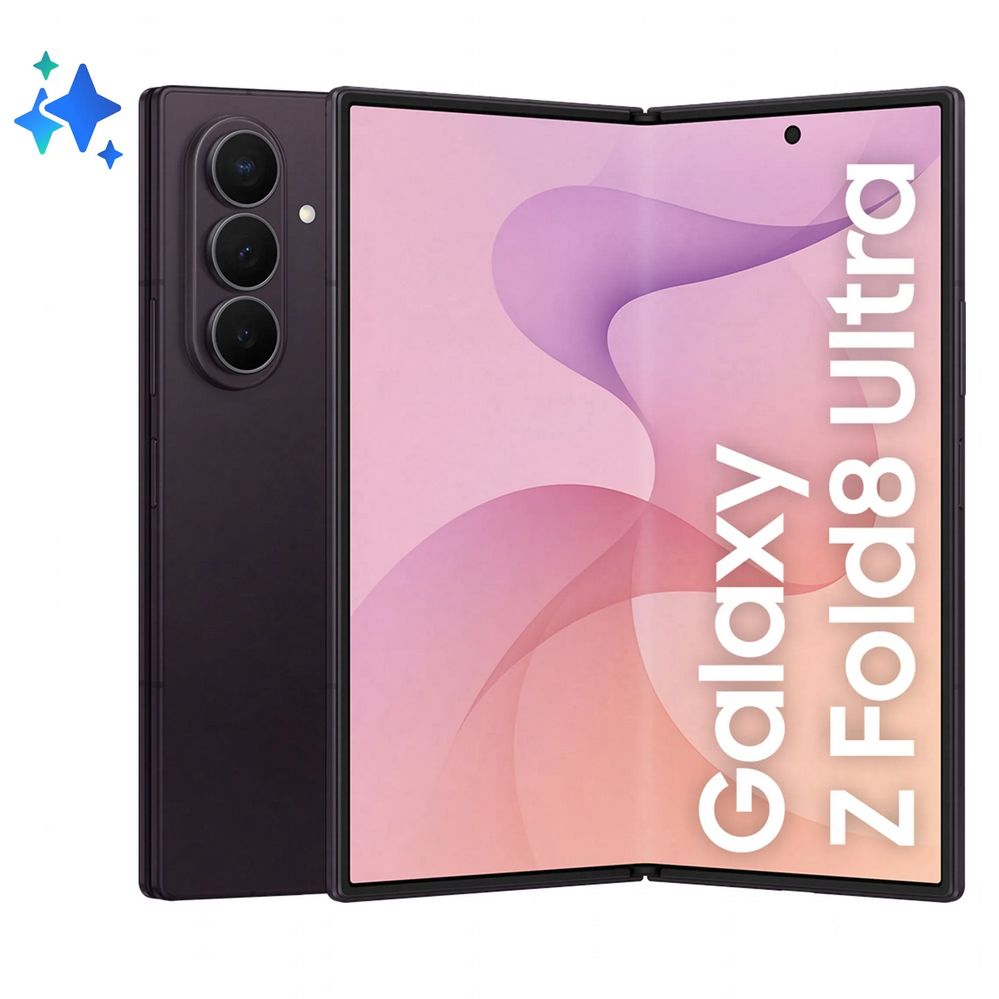
Samsung Galaxy Z Fold8 / Fold8 Ultra
The Galaxy Z Fold8 series is the strongest option in this list for traders who prioritize screen space and multitasking. Its large foldable display makes it easier to monitor charts, exchange interfaces, news, and portfolio data simultaneously instead of constantly switching between apps.
The Fold8 generation also benefits from Samsung’s Knox and Knox Vault security architecture and long-term software support. Hardware-backed security can protect sensitive credentials used by supported applications, while Samsung’s multitasking interface makes the Fold particularly useful for active traders. It does not, however, function as a dedicated hardware wallet, so crypto security still depends heavily on the wallet application and the user’s security practices.
- Pros
- Cons
Large foldable display. More space for charts, analytics, and trading platforms.
Strong multitasking. Useful for running multiple financial apps side by side.
Knox Vault. Hardware-backed protection for sensitive information.
Long-term updates. Extended Samsung security and Android support.
considerably more expensive than conventional smartphones;
folding hardware can make repairs more costly;
larger and more complex than a standard smartphone.
Solana Seeker
Solana Seeker is the most crypto-specific device in this Top 5. Unlike mainstream flagships that primarily rely on general-purpose mobile security, Seeker was designed around Web3 use and includes Seed Vault Wallet integration and access to the Solana dApp Store.
Its main advantage is therefore not raw performance but deeper integration with the Solana ecosystem. Hardware-backed Seed Vault functionality is designed to keep sensitive key material isolated while allowing users to interact with supported wallets and decentralized applications. Seeker has also continued receiving Android and security updates in 2026. It is a particularly relevant option for active Solana and Web3 users, although users primarily trading through centralized exchanges may get more value from a mainstream Apple, Samsung, or Pixel flagship.
- Pros
- Cons
Seed Vault. Hardware-backed key protection designed specifically for Web3 use.
Solana dApp Store. Direct access to crypto-focused applications.
Web3 integration. Built specifically around wallets, signing, and decentralized apps.
Ongoing software support. Continues to receive Android and security updates.
more focused on the Solana ecosystem than mainstream flagships;
less suitable for users seeking maximum flagship-level performance;
specialized Web3 features may offer little benefit to exchange-only traders.
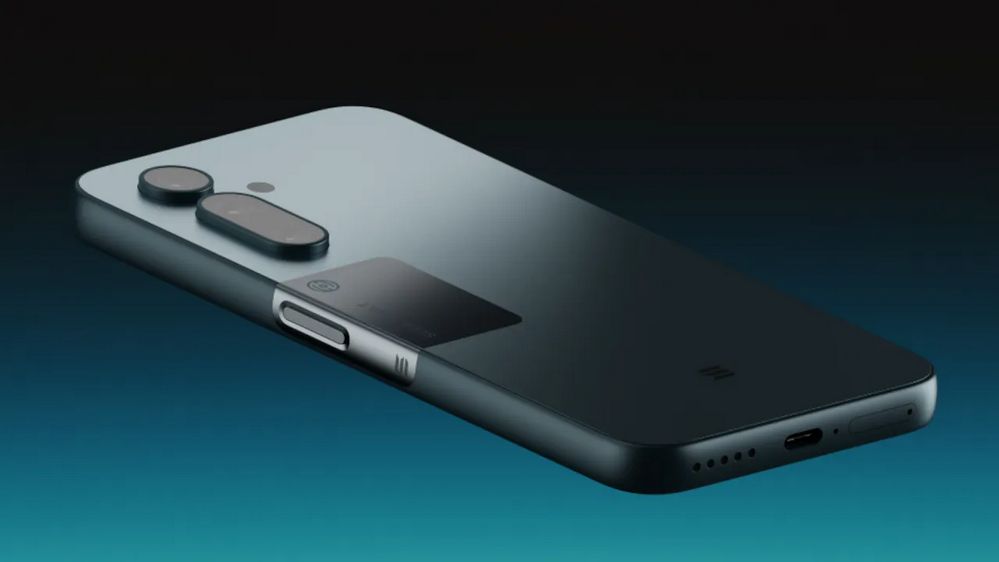
| Models | Security | Display/use case | Trading convenience | Best for |
|---|---|---|---|---|
iPhone 17 Pro Max | Secure Enclave, Face ID | 6.9-inch OLED, 120 Hz | Strong performance and mature app ecosystem | Best overall |
Samsung Galaxy S26 Ultra | Knox Vault, long-term security support | 6.9-inch display | Large screen, Privacy Display | Best Android option |
Google Pixel 11 Pro / Pro XL | Hardware-backed security, verified boot | Pro / large-screen Pro XL options | Fast Google security updates | Security updates |
Samsung Galaxy Z Fold8 / Fold8 Ultra | Knox Vault | Large foldable display | Multi-window charts and trading apps | Multitasking |
Solana Seeker | Seed Vault | Web3-focused smartphone | Integrated wallets and Solana dApps | Web3 and Solana |
How to choose a phone for cryptocurrency?
Picking the right device for managing digital assets goes beyond brand name or raw speed. The technical specs directly affect how safe your wallets and exchanges will be. A poor choice may lead to data loss, unstable wallet performance, or slower execution when placing trades. Below are the key factors to consider.
Operating system security. A smartphone should receive regular system updates and long-term security patches. The longer the manufacturer supports the device, the lower the risk of unpatched vulnerabilities. Apple, Samsung, and Google currently offer the longest update commitments, which is why their devices are often ranked among the best phones for handling crypto trading. Hardware-based security elements like isolated key storage chips (Secure Enclave, Knox Vault, Titan M2) are also critical for any secure phone for crypto transactions.
Hardware protection and encryption. Hardware-level data isolation ensures that private keys and biometric data are stored separately from the main OS. This architecture is essential for any phone with crypto wallet functionality and reduces compromise risks from third-party apps. Full device encryption should be enabled by default.
Performance and memory. Running exchange apps, wallets, and DeFi platforms requires strong processing power. The best phone for crypto trading should include a flagship processor and at least 12 GB of RAM. This ensures smooth multitasking and fast execution when placing orders during volatile market conditions.
Display quality. For active traders, screen size and clarity matter. Many of the best smartphones for cryptocurrency trading feature bright, high-refresh-rate displays that make chart analysis and order management easier. A larger screen improves usability during intensive crypto trading sessions on a phone.
Battery life. Long battery life is essential for traders who monitor markets throughout the day. The best phones for crypto trading combine powerful processors with efficient power management to avoid interruptions during critical transactions.
Biometric authentication. Modern security methods like facial recognition and fingerprint scanning provide fast, secure access to wallets and exchanges. Reliable biometric systems are a key feature of the safest phones for crypto trading and add an important layer of everyday protection.
Choosing the right device is only part of the equation. Even the best phone for trading crypto must be paired with a reliable exchange and a secure platform. Overall protection depends on both your hardware and the services you use. Below is a list of the best crypto exchanges in your region with mobile trading support for your reference.
| OKX | Coinbase | Crypto.com | Cryptohopper | BTCC | |
|---|---|---|---|---|---|
|
Mobile trading |
Yes | Yes | Yes | Yes | Yes |
|
Min. Deposit, $ |
10 | 10 | 1 | No | 10 |
|
Coins Supported |
600+ | 400+ | 400+ | 1000 | 399 |
|
Spot Taker fee, % |
0.1 | 0.5 | 0.5 | 0 | 0.3 |
|
Spot Maker Fee, % |
0.08 | 0.5 | 0.25 | 0 | 0.2 |
|
Demo account |
Yes | No | No | No | Yes |
|
TU overall score |
8.48 | 7.84 | 7.8 | 7.76 | 7.6 |
|
Open an account |
Go to broker Your capital is at risk. |
Go to broker Your capital is at risk. |
Go to broker Your capital is at risk. |
Go to broker Your capital is at risk. |
Go to broker Your capital is at risk.
|
How to safely use a phone for cryptocurrency?
Even the most secure phone for crypto does not guarantee fund safety without proper setup and user discipline. No matter how expensive the device, assets remain vulnerable if basic security rules are ignored. Below are the key principles for protecting your digital assets on a mobile device.
Use a dedicated device when possible. Many professionals recommend using a separate phone for crypto operations or at least minimizing third-party apps on your primary device. Fewer installations reduce exposure to malware and phishing attacks. Even the best phone for cryptocurrency can be compromised if overloaded with unnecessary apps.
Install apps only from official sources. Wallets and exchange apps should be downloaded exclusively from the Apple App Store or Google Play Store. Always verify the developer name and user reviews before installing. Fake wallet apps are a common threat in the growing phone market, and a single compromised app can access sensitive data or intercept input.
Enable two-factor authentication. All exchange and wallet accounts should be protected with 2FA. Authenticator apps or hardware security keys are significantly safer than SMS codes. SMS-based 2FA carries SIM-swapping risks, where attackers trick carriers into transferring your number to their device.
Keep the system updated. Regular OS and app updates fix security vulnerabilities. Devices with long-term update commitments, like those from Apple, Samsung, and Google, receive patches faster and for more years, which significantly lowers risk over time.
Protect the device with a strong password and biometrics. A strong alphanumeric passcode combined with fingerprint or facial recognition adds another protection layer. Make sure biometric authentication is properly configured on your device.
Avoid public Wi-Fi for transactions. Executing transactions over public networks increases the risk of data interception. For safe crypto trading on phone, use mobile data or a trusted private connection.
Know the key risks. Mobile devices are frequent targets for attackers. The most common threats include malware infection from compromised apps, phishing and fake wallet downloads, SIM swapping and SMS interception, loss or physical theft of the device, and careless seed phrase storage. Even a flagship device cannot compensate for poor digital habits.
Important! A smartphone is not a hardware cold wallet. For storing significant amounts, use hardware wallet solutions or distribute funds across multiple storage methods. A phone is best suited for trading and everyday operations, not for long-term storage of large capital.
Pros and cons of using a phone for cryptocurrency
Smartphones have become one of the most convenient tools for managing digital assets. However, the mobile format has both clear advantages and important limitations.
- Pros
- Cons
quick access to wallets and exchanges from anywhere in the world;
ability to respond promptly to market changes and close positions;
built-in biometric authentication and hardware encryption on flagship models;
convenient access to DeFi and Web3 applications;
easier setup compared to hardware cold wallets;
integration with notifications, price alerts, and 2FA systems.
higher risk of phishing and malicious app downloads;
vulnerability in case of device loss or theft;
dependence on regular operating system updates;
greater compromise risk compared to cold wallets;
risk of data interception via unsecured Wi-Fi networks;
limited protection when storing large amounts of capital.
Smartphone vs crypto phone: Which is better for cryptocurrency?
Before comparing, it helps to understand what a phone built specifically for crypto is and how it differs from a standard smartphone.
What is a crypto phone?
A phone designed specifically for crypto prioritizes enhanced security and data protection above all else. These devices typically cost more than mainstream flagships. Depending on the model, the price of a dedicated crypto phone ranges from a few hundred dollars for basic models to over $1,000 for premium options. Users researching how much a specialized phone for crypto costs will find that prices vary widely based on the level of hardware isolation and built-in Web3 tools.
Manufacturers of these devices usually focus on enhanced data encryption, isolated environments for private key storage, built-in Web3 tools and wallets, increased protection against hacking and surveillance, and strict control over app and connection permissions.
Over the years, several security-focused models have appeared on the market. Sirin Labs Finney was one of the first well-known devices with a built-in cold wallet. HTC Exodus supported node functionality and an integrated wallet. Solana Saga offered deep Web3 and dApp integration. Some manufacturers also released modified Android devices with custom security firmware.
However, these specialized phones have not achieved mass adoption. Most projects faced limited software support, smaller app ecosystems, and shorter update cycles. The dedicated phone segment for crypto remains a niche market, and most users continue to choose flagship models from Apple, Samsung, or Google with proven security and regular updates.
When to choose a regular smartphone
A flagship smartphone such as the iPhone 17 Pro Max, Samsung Galaxy S25 Ultra, or Google Pixel 10 Pro is often the more practical solution for trading. It provides long-term update support, proven security architecture (Secure Enclave, Knox Vault, Titan M2), stable exchange app performance, high processing power for chart analysis and multitasking, and better compatibility with financial services and apps.
For active trading, stability, interface speed, and regular security patches matter more than niche Web3 hardware features. This is why a mainstream flagship often ranks as the best mobile phone for crypto trading overall.
When to choose a crypto phone
A dedicated device may appeal to Web3 enthusiasts, active dApp users, those who want built-in key isolation without a separate hardware wallet, and users who keep one device for daily tasks and another exclusively for digital asset operations. However, even the best specialized phone for crypto does not replace a hardware cold wallet for storing large sums.
What is better in 2026?
For most users, a flagship smartphone with long-term security updates remains the best phone for crypto overall. The best smartphones for crypto trading combine security, performance, and software support that specialized devices still struggle to match. Modern flagships offer stronger ecosystems, better update policies, and higher performance for everyday crypto trading on phone.
Are phones suitable for beginners?
A phone for crypto can be a convenient starting point for entering the digital asset space. Most major exchanges and wallet providers offer intuitive mobile apps optimized for crypto trading on a phone, making it easy to register, purchase assets, and track balances in real time.
For beginners, even a mid-range smartphone can handle basic operations like buying, selling, and monitoring a small portfolio. However, the mobile format requires discipline. New users must understand the following before getting started:
Custodial vs non-custodial wallets. Custodial wallets (offered by exchanges) manage your keys for you. Non-custodial wallets give you full control but also full responsibility.
Seed phrase storage. A seed phrase is the master backup for a non-custodial wallet. It must be written down and stored offline, never saved as a screenshot or in a notes app.
Phishing risks. Fake apps, fraudulent links, and social engineering attacks target beginners frequently. Always verify URLs and developer names before downloading anything.
Human error. Even a secure device cannot protect against sending funds to the wrong address or sharing login credentials.
The best approach for beginners is to start with small amounts and everyday operations while learning security principles and risk management. As capital grows, funds should be diversified across different storage methods, including hardware wallets for larger holdings.
Use your phone for trading, not for storing large capital

Over years of working with digital assets, I have learned that a smartphone is a convenient but not universal tool. It works well for quick trades, market monitoring, and everyday operations. However, I never treat a mobile device as the primary storage for significant capital.
In practice, I separate functions. The phone handles trading and fast operations, while a hardware wallet covers long-term storage. This approach keeps things mobile without adding unnecessary risk. I also recommend focusing less on device specs and more on personal digital discipline. Regularly reviewing app permissions, avoiding questionable services, and securing your SIM card access will protect you more than buying the most expensive flagship on the market. In security matters, your habits are just as important as your hardware.
Conclusion
Choosing the right smartphone for crypto trading in 2026 means prioritizing security, software support, and practical usability over mere technical specs. Mainstream flagships like the iPhone 17 Pro Max and Samsung Galaxy S26 Ultra offer robust hardware-backed security and long-term updates, making them ideal for both trading and day-to-day portfolio management. While specialized crypto phones such as the Solana Seeker bring unique Web3 integrations, for the vast majority of users, the stability and ecosystem of leading brands remain unmatched. Ultimately, your discipline in digital hygiene and secure app usage will protect your assets far more effectively than any single device, turning your smartphone into a powerful ally rather than a point of vulnerability.
FAQs
What hardware security features should traders prioritize when choosing the best phones for cryptocurrency trading in 2026?
Is it safer to use a dedicated phone exclusively for cryptocurrency trading, and what are the benefits?
How do specialized crypto phones differ from mainstream flagship smartphones when trading cryptocurrencies?
What are the key steps users should take to protect digital assets when trading cryptocurrency on a phone?
Editors' Top Picks and Insights




Related Articles
Team that worked on the article
Ciaran Ryan is a veteran financial journalist based in South Africa, where he covers cryptocurrency, mining, stock markets, and governance for Moneyweb. He also hosts the weekly Moneyweb Crypto Podcast.
Chinmay Soni is a financial analyst with more than 5 years of experience in working with stocks, Forex, derivatives, and other assets. As a founder of a boutique research firm and an active researcher, he covers various industries and fields, providing insights backed by statistical data.
Risk management is a risk management model that involves controlling potential losses while maximizing profits. The main risk management tools are stop loss, take profit, calculation of position volume taking into account leverage and pip value.
Day trading involves buying and selling financial assets within the same trading day, with the goal of profiting from short-term price fluctuations, and positions are typically not held overnight.
Crypto trading involves the buying and selling of cryptocurrencies, such as Bitcoin, Ethereum, or other digital assets, with the aim of making a profit from price fluctuations.
Index in trading is the measure of the performance of a group of stocks, which can include the assets and securities in it.
CFD is a contract between an investor/trader and seller that demonstrates that the trader will need to pay the price difference between the current value of the asset and its value at the time of contract to the seller.

-
 Afghanistan
-
 Albania
-
 Algeria
-
 Angola
-
 Argentina
-
 Armenia
-
 Australia
-
 Austria
-
 Azerbaijan
-
 Bahamas
-
 Bahrain
-
 Bangladesh
-
 Belarus
-
 Belgium
-
 Bolivia
-
 Botswana
-
 Brazil
-
 Brunei
-
 Bulgaria
-
 Cambodia
-
 Cameroon
-
 Canada
-
 Chile
Chile
-
 China
China
-
 Colombia
-
 Congo
Congo
-
 Costa Rica
-
 Cote d'Ivoire
-
 Croatia
-
 Cuba
Cuba
-
 Cyprus
-
 Czechia
-
 DR Congo
-
 Denmark
-
 Dominican Republic
-
 Ecuador
-
 Egypt
Egypt
-
 El Salvador
-
 Estonia
-
 Eswatini
-
 Ethiopia
-
 Finland
-
 France
-
 Georgia
-
 Germany
-
 Ghana
Ghana
-
 Greece
-
 Haiti
Haiti
-
 Hong Kong
-
 Hungary
-
 India
India
-
 Indonesia
-
 Iran, Islamic republic
-
 Iraq
Iraq
-
 Ireland
-
 Israel
-
 Italy
Italy
-
 Jamaica
-
 Japan
Japan
-
 Jordan
-
 Kazakhstan
-
 Kenya
Kenya
-
 Korea
Korea
-
 Kuwait
-
 Kyrgyzstan
-
 Laos
Laos
-
 Latvia
-
 Lebanon
-
 Lesotho
-
 Libya
Libya
-
 Lithuania
-
 Luxembourg
-
 Madagascar
-
 Malaysia
-
 Malta
Malta
-
 Mauritius
-
 Mexico
-
 Moldova
-
 Mongolia
-
 Montenegro
-
 Morocco
-
 Mozambique
-
 Myanmar
-
 Namibia
-
 Nepal
Nepal
-
 Netherlands
-
 New Zealand
-
 Nigeria
-
 North Macedonia
-
 Norway
-
 Oman
Oman
-
 Pakistan
-
 Palestine
-
 Panama
-
 Papua New Guinea
-
 Paraguay
-
 Peru
Peru
-
 Philippines
-
 Poland
-
 Portugal
-
 Puerto Rico
-
 Qatar
Qatar
-
 Reunion
-
 Romania
-
 Rwanda
-
 Saudi Arabia
-
 Serbia
-
 Singapore
-
 Slovakia
-
 Slovenia
-
 Somalia
-
 South Africa
-
 Spain
Spain
-
 Sri Lanka
-
 Sweden
-
 Switzerland
-
 Syria
Syria
-
 Taiwan
-
 Tajikistan
-
 Tanzania
-
 Thailand
-
 Trinidad and Tobago
-
 Tunisia
-
 Turkey
-
 UAE
UAE
-
 Uganda
-
 Ukraine
-
 United Kingdom
-
United States
-
 Uruguay
-
 Uzbekistan
-
 Venezuela
-
 Vietnam
-
 Yemen
Yemen
-
 Zambia
-
 Zimbabwe
- Forex
- Crypto












