
Best Phones For Trading Financial Markets In 2026


Editorial Note: While we adhere to strict Editorial Integrity, this post may contain references to products from our partners. Here's an explanation for How We Make Money. None of the data and information on this webpage constitutes investment advice according to our Disclaimer.
The best phone for trading in 2026:
iPhone 17 Pro. Fast A19 Pro chip, stable iOS performance, and strong security for financial apps.
Samsung Galaxy S25 Ultra. Large 6.9-inch AMOLED display and Snapdragon 8 Elite processor for chart analysis.
Google Pixel 10 Pro. Clean Android experience, 16 GB RAM, and regular updates for stable trading.
OnePlus 13. 6,000 mAh battery and fast charging for active trading throughout the day.
Samsung Galaxy Z Fold 7. 8.0-inch foldable screen for market analysis and multi-window work.
Samsung Galaxy A56 5G. Long battery life and reliable 5G for constant market access on a budget.
CMF Phone 2 Pro. Affordable option with smooth performance, suitable for beginner traders.
In 2026, a smartphone is a fully functional tool for working in the financial markets. With mobile trading apps, traders analyze charts, open positions, and manage trades in real time. When choosing the best phone for trading, it is important to consider device performance, display quality, and connection stability. In this article, we review the top models for different trading styles and outline the key criteria for selecting the best smartphone for trading in 2026.
Best smartphone for trading: Top 7 options
A smartphone used for trading on the financial markets must process data quickly, display charts clearly, and maintain a stable connection. Below are the devices that suit traders looking for the best phone for mobile trading across different budgets and strategies.
iPhone 17 Pro
This model is a strong pick for anyone searching for the best phone for stock market trading or a reliable device for Forex and CFD execution. iOS optimization ensures smooth chart scrolling, fast switching between tools, and predictable notification behavior, all of which matter when monitoring trades in real time.
Technical specs:
Apple A19 Pro chip with vapor chamber cooling;
6.3-inch OLED display, 120 Hz, up to 3,000 nits brightness;
5G and Wi-Fi 7 support.
- Pros
- Cons
fast launch and stable performance of trading apps;
reliable multitasking with no background app restarts;
bright, high-quality display for chart reading;
strong biometric security for financial accounts;
long-term software support (multiple years of updates).
closed ecosystem limits customization;
higher price compared to mid-range models;
no expandable storage.

Samsung Galaxy S25 Ultra
If you are asking which phone is the best for trading in Forex with heavy chart work, this model stands out. The large 6.9-inch AMOLED screen makes candlestick and indicator analysis comfortable, and the built-in S Pen lets you draw trendlines directly on the display. Samsung DeX mode can also turn the device into a mini desktop setup.
Technical specs:
Snapdragon 8 Elite for Galaxy processor;
12 GB RAM (16 GB in select regions with 1 TB storage);
6.9-inch Dynamic AMOLED 2X display, 120 Hz, 2,600 nits peak brightness;
5G and Wi-Fi 7 support.
- Pros
- Cons
largest display among non-foldable flagships, ideal for technical analysis;
high performance under heavy load;
convenient multi-window functionality;
5,000 mAh battery for long trading sessions;
S Pen for chart annotation.
large dimensions may not suit one-handed use;
high price;
increased power consumption at maximum brightness.

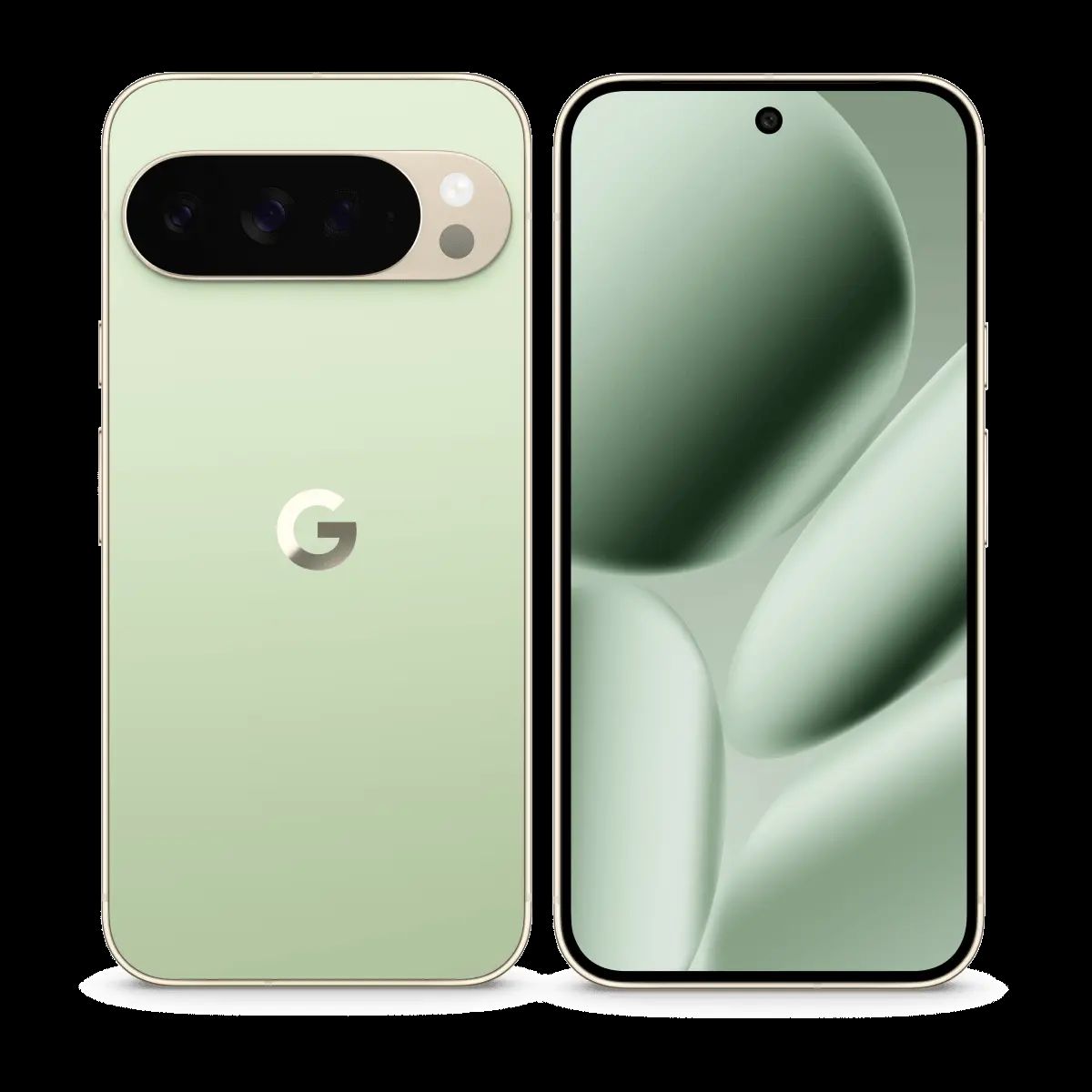
Google Pixel 10 Pro
This is a top choice for traders looking for the best Android phone for trading with a clean interface. There are no unnecessary pre-installed apps or heavy custom skins slowing the system down. The Google Tensor G5 chip is built on a 3nm process and runs trading terminals smoothly, while 16 GB of RAM keeps apps active in the background without restarts.
Technical specs:
Google Tensor G5 processor (TSMC 3nm);
16 GB RAM;
6.3-inch OLED display, 120 Hz;
5G support and 7 years of guaranteed security updates.
- Pros
- Cons
optimized system with no bloatware;
smooth performance of trading terminals;
high-quality OLED display with comfortable size;
7 years of OS and security updates;
strong on-device AI features for notifications and call screening.
battery life shorter than Ultra-class models (4,870 mAh);
raw benchmark performance slightly behind Snapdragon 8 Elite devices;
fewer interface customization features compared to Samsung.
OnePlus 13
A solid option for anyone comparing the best mobile phones for trading with a strong price-to-performance ratio. The standout feature here is the 6,000 mAh battery, one of the largest in any flagship, combined with 100W fast charging. This means a full day of active trading without worrying about finding a charger.
Technical specs:
Snapdragon 8 Elite processor;
12 to 16 GB RAM;
6.82-inch AMOLED display, 120 Hz, 1440 x 3168 resolution;
5G support and 100W SUPERVOOC fast charging.
- Pros
- Cons
one of the longest battery lives among flagships;
high-resolution AMOLED display for detailed chart reading;
strong multitasking with no lag;
competitive price compared to Apple and Samsung flagships.
shorter software update cycle (4 major Android updates);
camera quality below some flagship competitors;
fewer built-in security tools compared to iPhone or Pixel.

Samsung Galaxy Z Fold 7
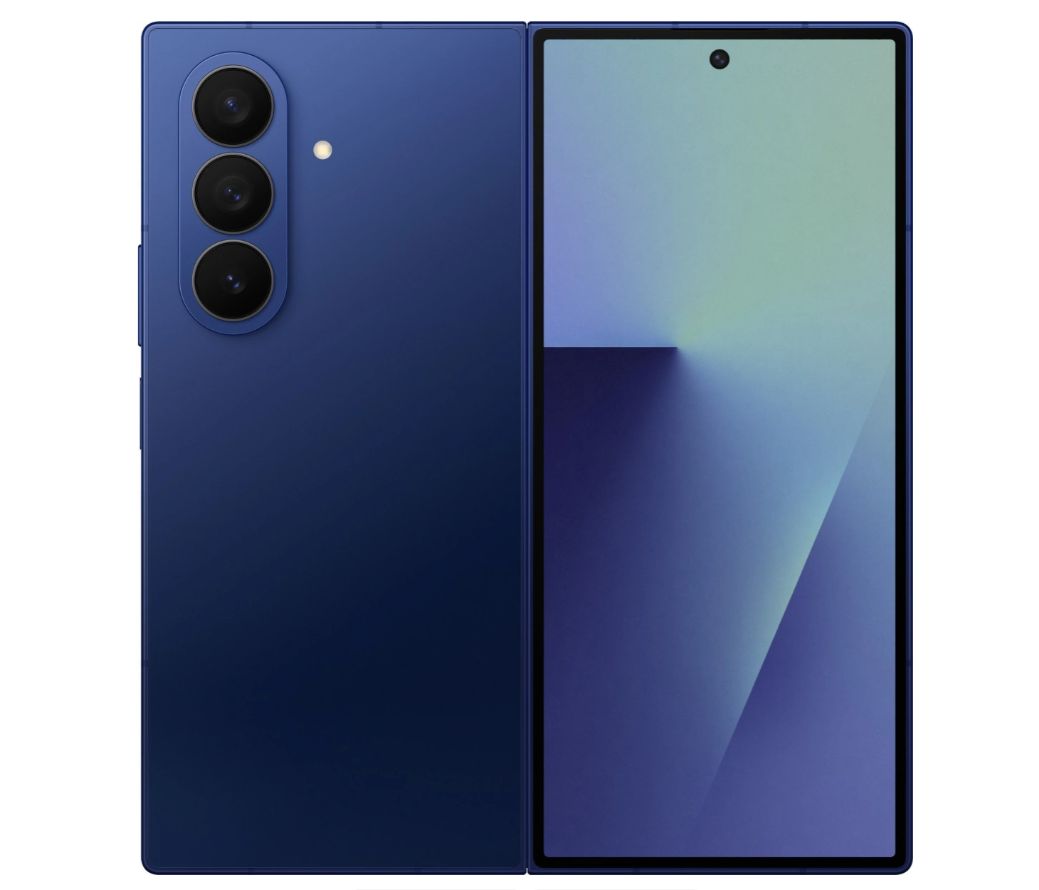
When screen space is the priority, this is the best smartphone for day trading and multi-chart analysis. The 8.0-inch foldable display lets you view charts, an order book, and a news feed all at the same time. At 215 grams, it is lighter than the Galaxy S25 Ultra, making it surprisingly practical for daily use.
Technical specs:
Snapdragon 8 Elite for Galaxy processor;
12 GB RAM (16 GB with 1 TB storage option);
8.0-inch foldable Dynamic AMOLED 2X main display, 120 Hz, 2,600 nits;
6.5-inch cover display with 21:9 aspect ratio;
full multi-window support and 5G connectivity.
- Pros
- Cons
largest usable display for market analysis among phones for trading;
true multi-window mode with up to three apps visible at once;
lighter than the S25 Ultra despite the larger screen;
high performance under load;
200 MP main camera (secondary benefit).
high price (starts at $1,999);
more complex repair process due to foldable mechanism;
4,400 mAh battery is smaller than standard flagship phones.
Samsung Galaxy A56 5G
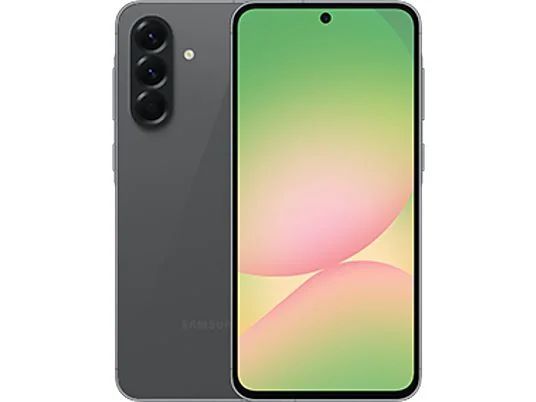
For traders who want a reliable phone for trading without paying flagship prices, this is a practical choice. The Samsung Galaxy A56 5G focuses on what matters most for mobile Forex and stock monitoring: stable 5G connectivity, a quality AMOLED display, and a battery that lasts through a full market session. It is a strong pick as the best mobile phone for share trading on a mid-range budget.
Technical specs:
Exynos 1580 processor (4nm);
8 GB RAM (12 GB in select regions);
6.77-inch Super AMOLED display, 120 Hz;
5,000 mAh battery with 45W charging;
5G support.
- Pros
- Cons
reliable 5G connectivity for constant market access;
good battery life for all-day position monitoring;
sufficient performance for trading apps like MetaTrader and TradingView;
quality AMOLED display for daily chart analysis;
affordable price point compared to flagships.
less powerful than flagship models under heavy load;
slower charging than OnePlus or Apple flagships;
limited premium features compared to higher-end devices.
CMF Phone 2 Pro
The CMF Phone 2 Pro handles basic charting, quote monitoring, and simple trade execution without issues. It is not built for heavy multi-chart analysis, but it works well as a starter smartphone for trading.
Technical specs:
MediaTek Dimensity 7300 Pro processor;
8 GB RAM;
6.7-inch AMOLED display, 120 Hz;
5G support;
5,000 mAh battery with 33W charging.
- Pros
- Cons
affordable price, accessible for new traders;
responsive system performance for basic tasks;
AMOLED display with 120 Hz for smooth chart scrolling;
comfortable device size for daily use.
limited performance under heavy multitasking;
slower 33W charging;
modest processing power for resource-intensive trading tools.

| Model | Performance | Chart analysis comfort | Multi-app performance |
|---|---|---|---|
| iPhone 17 Pro | High | Clear display of candles and indicators, 3,000 nits brightness | Fast switching between terminal and news |
| Samsung Galaxy S25 Ultra | High | Large 6.9-inch screen ideal for technical analysis | Convenient multi-window work with S Pen support |
| Google Pixel 10 Pro | High | Smooth chart scrolling on clean Android | Stable multitasking with 16 GB RAM |
| OnePlus 13 | High | Sharp 1440p display for detailed charts | Fast simultaneous app performance with 6,000 mAh battery |
| Samsung Galaxy Z Fold 7 | High | Maximum 8.0-inch workspace when unfolded | Full multi-window support with up to 3 apps |
| Samsung Galaxy A56 5G | Medium | Sufficient for basic analysis on 6.7-inch AMOLED | Stable operation of standard trading apps |
| CMF Phone 2 Pro | Medium | Suitable for simple charts and quote monitoring | Supports basic multitasking for beginner setups |
Can you trade Forex exclusively from a phone, and do you need a laptop?
The short answer is yes. Modern mobile terminals like MetaTrader 4, MetaTrader 5, and cTrader allow you to open and close trades, place pending orders, apply indicators, and manage risk in real time. In terms of core functionality, mobile versions of these platforms are now very close to their desktop counterparts.
Do you need a laptop for Forex trading?
This question comes up most often among beginners. In practice, a laptop becomes necessary in two situations: when running in-depth analysis with complex indicators across multiple timeframes, and when working with several monitors at once. For intraday trading and position monitoring, a phone for Forex trading with a flagship processor and stable connection is usually enough.
For most users, a good phone for trading can fully handle everyday tasks. However, if your strategy involves advanced technical analysis or automated trading with Expert Advisors (EAs), a desktop platform remains the more practical solution.
How to choose the best phone for trading?
The best phone for traders is not necessarily the most expensive device. What matters is the right balance of processing power, display quality, and connection stability. Below are the key parameters to consider when selecting a mobile phone for trading.
Processor performance. The smartphone must process live quotes quickly and launch trading terminals without delays. This is especially important when choosing the best phone for Forex trading, where execution speed directly affects results.
RAM capacity. When running a terminal alongside news services and messaging apps, insufficient memory causes background apps to restart. For active trading, 12 GB is the recommended minimum.
Display quality. A bright AMOLED screen with a 120 Hz refresh rate makes chart and indicator analysis easier. This is a priority for anyone searching for the best phone for day trading or analyzing short-term price movements.
Battery life. Long operation without recharging is essential during extended market sessions. Models with 5,000 mAh or higher are best suited as mobile phones for trading throughout a full stock market day.
Connection stability. 5G support and a reliable modem reduce the risk of slippage during high volatility. This is critical if the smartphone is your primary trading tool.
System updates and security. Regular patches and built-in data protection keep financial accounts safe. Look for brands that offer at least 4 to 5 years of security updates.
User interface. A clean and optimized system improves terminal usability and reduces the chance of execution errors when placing orders under pressure.
The right balance of these parameters helps you choose the best mobile phone for trading that matches your style and workload. You do not need to buy the most expensive flagship if a well-specced mid-range device covers your needs.
Minimum requirements for a trading phone
You do not need to buy the priciest flagship, but the device should meet a basic performance standard. Here are the minimum specs for comfortable mobile trading:
flagship-level or strong mid-range processor;
RAM: at least 8 GB (12 GB recommended for active trading);
display: AMOLED, 120 Hz;
battery: 4,500 mAh or higher;
5G and Wi-Fi 6 support;
regular security updates.
Choosing the right smartphone is only part of the task. It is equally important to pick a reliable broker, since the mobile app quality and connection stability directly affect execution speed. Below is a comparison of popular brokers suitable for smartphone trading.
| Trading.com USA | Plus500 | OANDA | FOREX.com | IG Markets | |
|---|---|---|---|---|---|
|
Currency pairs |
69 | 60 | 68 | 80 | 80 |
|
Crypto |
No | Yes | Yes | Yes | Yes |
|
Stocks |
No | Yes | Yes | Yes | Yes |
|
Min. deposit, $ |
50 | 100 | No | 100 | 1 |
|
Max. leverage |
1:50 | 1:300 | 1:200 | 1:50 | 1:200 |
|
Mobile trading |
Yes | Yes | Yes | Yes | Yes |
|
TU overall score |
6.88 | 7.7 | 6.63 | 6.47 | 6.38 |
|
Open an account |
Go to broker Your capital is at risk. |
Go to broker 81% of retail CFD accounts lose money. |
Go to broker Your capital is at risk. |
Study review | Study review |
Common mistakes when choosing a phone for trading
When buying a phone for trading, many users focus on secondary specs and overlook the parameters that actually affect terminal stability. Here are the most common errors to avoid:
Choosing a device based on camera quality. Even the best cell phone for stock trading must prioritize processing power over photography. A great camera does not help with chart analysis.
Buying a budget model with only 4 to 6 GB of RAM. This is not enough if you expect the device to function as a reliable Forex trading phone running a terminal, news feed, and messenger at the same time.
Ignoring screen brightness and refresh rate. These are critical when choosing the best phone for day trading or working with short-term price movements outdoors.
Overlooking security update support. Any best phone for traders handling financial accounts needs regular patches to stay protected against vulnerabilities.
Underestimating modem and 5G stability. A weak connection can cause slippage even on the best trading mobile phone with top-tier specs.
Picking an outdated model without long-term software support. A phone that stops receiving updates within a year or two cannot be considered among the best smartphones for trading.
Avoiding these mistakes is easier when you focus on the real requirements of mobile trading rather than marketing features.
Split tasks: Phone for speed, desktop for deep analysis

Over several years of covering financial markets, I have seen mobile trading shift from a backup option to a primary tool for many traders. Today, a well-chosen smartphone can handle position monitoring, quick order adjustments, and even intraday setups with confidence. But it has clear limits.
A phone works best for speed: closing a position before a reversal, adjusting a stop-loss after a news spike, or scanning charts during a commute. For deeper work like multi-timeframe analysis, complex indicator setups, or running Expert Advisors, a laptop screen still wins. My advice is to split tasks. Use your phone for execution and quick decisions. Use your desktop for planning and strategy building. If your style is heavily intraday and you react to the market more than you analyze it, investing in a strong flagship makes real sense. If your approach leans toward research and longer holds, the phone should support your workflow, not replace it entirely.
Conclusion
The right smartphone is now a fully capable tool for active financial market trading, provided you prioritize performance, display quality, and connection stability over secondary features like camera specs. Models such as the iPhone 17 Pro and Samsung Galaxy S25 Ultra deliver the processing speed and screen clarity needed for real-time chart analysis and trade execution, while even reliable mid-range options like the Samsung Galaxy A56 5G offer strong value for everyday market monitoring. Ultimately, your best results come from matching your device to your trading style, ensuring you never miss critical opportunities due to lag or poor connectivity. In trading, the power to act quickly and securely often rests in your pocket—not just on your desktop.
FAQs
What processor specifications should you prioritize for a trading phone in 2026?
How much RAM is recommended for active traders using mobile phones?
Why is display quality important when selecting the best phone for trading?
What are the minimum technical requirements a phone should meet for reliable trading?
Editors' Top Picks and Insights





Related Articles
Team that worked on the article
Aleksandra Chaikina has been a contributor to Traders Union since 2021. With over 15 years of experience in copywriting and more than 5 years focused on financial content, she specializes in producing detailed guides, analytics, and comparative reviews across various sectors, including cryptocurrencies, Forex, investment strategies, and financial technologies.
Ciaran Ryan is a veteran financial journalist based in South Africa, where he covers cryptocurrency, mining, stock markets, and governance for Moneyweb. He also hosts the weekly Moneyweb Crypto Podcast.
Chinmay Soni is a financial analyst with more than 5 years of experience in working with stocks, Forex, derivatives, and other assets. As a founder of a boutique research firm and an active researcher, he covers various industries and fields, providing insights backed by statistical data.
Cryptocurrency is a type of digital or virtual currency that relies on cryptography for security. Unlike traditional currencies issued by governments (fiat currencies), cryptocurrencies operate on decentralized networks, typically based on blockchain technology.
CFD is a contract between an investor/trader and seller that demonstrates that the trader will need to pay the price difference between the current value of the asset and its value at the time of contract to the seller.
Trade execution is knowing how to place and close trades at the right price. This is the key to turning your trading plans into real action and has a direct impact on your profits.
Forex trading, short for foreign exchange trading, is the practice of buying and selling currencies in the global foreign exchange market with the aim of profiting from fluctuations in exchange rates. Traders speculate on whether one currency will rise or fall in value relative to another currency and make trading decisions accordingly. However, beware that trading carries risks, and you can lose your whole capital.
Day trading involves buying and selling financial assets within the same trading day, with the goal of profiting from short-term price fluctuations, and positions are typically not held overnight.

-
 Afghanistan
-
 Albania
-
 Algeria
-
 Angola
-
 Argentina
-
 Armenia
-
 Australia
-
 Austria
-
 Azerbaijan
-
 Bahamas
-
 Bahrain
-
 Bangladesh
-
 Belarus
-
 Belgium
-
 Bolivia
-
 Botswana
-
 Brazil
-
 Brunei
-
 Bulgaria
-
 Cambodia
-
 Cameroon
-
 Canada
-
 Chile
Chile
-
 China
China
-
 Colombia
-
 Congo
Congo
-
 Costa Rica
-
 Cote d'Ivoire
-
 Croatia
-
 Cuba
Cuba
-
 Cyprus
-
 Czechia
-
 DR Congo
-
 Denmark
-
 Dominican Republic
-
 Ecuador
-
 Egypt
Egypt
-
 El Salvador
-
 Estonia
-
 Eswatini
-
 Ethiopia
-
 Finland
-
 France
-
 Georgia
-
 Germany
-
 Ghana
Ghana
-
 Greece
-
 Haiti
Haiti
-
 Hong Kong
-
 Hungary
-
 India
India
-
 Indonesia
-
 Iran, Islamic republic
-
 Iraq
Iraq
-
 Ireland
-
 Israel
-
 Italy
Italy
-
 Jamaica
-
 Japan
Japan
-
 Jordan
-
 Kazakhstan
-
 Kenya
Kenya
-
 Korea
Korea
-
 Kuwait
-
 Kyrgyzstan
-
 Laos
Laos
-
 Latvia
-
 Lebanon
-
 Lesotho
-
 Libya
Libya
-
 Lithuania
-
 Luxembourg
-
 Madagascar
-
 Malaysia
-
 Malta
Malta
-
 Mauritius
-
 Mexico
-
 Moldova
-
 Mongolia
-
 Montenegro
-
 Morocco
-
 Mozambique
-
 Myanmar
-
 Namibia
-
 Nepal
Nepal
-
 Netherlands
-
 New Zealand
-
 Nigeria
-
 North Macedonia
-
 Norway
-
 Oman
Oman
-
 Pakistan
-
 Palestine
-
 Panama
-
 Papua New Guinea
-
 Paraguay
-
 Peru
Peru
-
 Philippines
-
 Poland
-
 Portugal
-
 Puerto Rico
-
 Qatar
Qatar
-
 Reunion
-
 Romania
-
 Rwanda
-
 Saudi Arabia
-
 Serbia
-
 Singapore
-
 Slovakia
-
 Slovenia
-
 Somalia
-
 South Africa
-
 Spain
Spain
-
 Sri Lanka
-
 Sweden
-
 Switzerland
-
 Syria
Syria
-
 Taiwan
-
 Tajikistan
-
 Tanzania
-
 Thailand
-
 Trinidad and Tobago
-
 Tunisia
-
 Turkey
-
 UAE
UAE
-
 Uganda
-
 Ukraine
-
 United Kingdom
-
United States
-
 Uruguay
-
 Uzbekistan
-
 Venezuela
-
 Vietnam
-
 Yemen
Yemen
-
 Zambia
-
 Zimbabwe
- Forex
- Crypto












