
Best Online Banks In India


Editorial Note: While we adhere to strict Editorial Integrity, this post may contain references to products from our partners. Here's an explanation for How We Make Money. None of the data and information on this webpage constitutes investment advice according to our Disclaimer.
The best online banks in India are:
Wise – a global money transfer service with low fees and real exchange rates.
Bunq – a European online bank with customizable accounts and sustainability focus.
Revolut – a global app offering currency exchange, budgeting, and international spending.
CIT Bank – a U.S.-based online bank offering high-yield savings accounts and CDs.
SoFi – a U.S. online bank combining personal finance, loans, and investments in one app.
Online banks, also known as neobanks or digital banks, are growing rapidly in India. Unlike traditional banks, they operate entirely online via websites or mobile apps, eliminating the need for physical branches. All you need is a smartphone with internet access to access their full range of services.
However, not all digital banks offer the same level of service, making it important to choose carefully. Many people are familiar with the concept of neobanks but haven’t used them yet. This article highlights the top online banks in India with the best features and favorable conditions to help you find the right one for your needs.
List of digital banks in India with the best conditions
India hosts several licensed neobanks, but having a license doesn’t always mean favorable conditions. We have compiled a list of the best online banks in India, highlighting low fees, convenience, and key benefits.
| Bank name | Regulation in India | Indian rupee | Loan rate | Monthly fee |
|---|---|---|---|---|
| Wise | Yes | Yes | Individual | No |
| Bunq | No | Yes | Individual | 0-17.99 EUR, depending on the plan |
| Revolut | No | No | 7.55% | 0-13.99 EUR, depending on the plan |
| CIT Bank | No | Yes | Individual | No |
| SoFi | No | No | From 7.99% | No |
| Kotak 811 | Yes | Yes | 3.5% | No |
| Axis Bank ASAP | Yes | Yes | 3.6% | No |
| Digibank by DBS | Yes | Yes | From 10.99% | No |
| IndusInd Bank | Yes | Yes | 3.83% | No |
| Pockets by ICICI Bank | Yes | Yes | Individual | No |
Most digital banks in India don’t charge monthly fees, with free plans indicated in their offerings. Loan rates often vary by individual parameters, so checking current rates on the bank’s website is recommended. While all banks support Indian rupee transfers, options like Revolut and SoFi allow holdings in USD, EUR, and other currencies, but not INR.
Best online banks in India with low fees
Digital banks in India vary in terms of loans, savings accounts, and fees. While some offer excellent services, high fees can deter potential clients.
Commissions and additional charges often play a key role in decision-making, even when banks provide attractive features like high APYs. Comparing top online and their fees is essential to finding the most cost-effective option for your needs.
| Overdraft fee | ATM withdrawal fee | International transfer fee | Foreign exchange fee | |
|---|---|---|---|---|
| Wise | No | 0.99 GBP in the U.K., 2.25 GBP + 4% abroad | 0.3-3.5% | From 0.3% |
| Bunq | No | 0% on up to 250 EUR per month, then 3% | No | 3% |
| Revolut | No | 0% on up to 6 withdrawals, then 1.5 GBP | From 0.5% | From 2.5% |
| SoFi | No | 0% within the Allpoint network; $2.5-5 from other ATMs | Individual | 0.2% |
| CIT Bank | No | 0% from partner ATMs; 1% from other ATMs | 0% or $35 per transfer, depending on the account type | Individual |
Best digital banks in India for investing
These neobanks are included in all lists of the top virtual banks in India, among other reasons, because they offer some of the best investment programs.
SoFI

SoFI offers several solutions for passive and active accumulation of capital. Clients can invest money in securities, ETFs, and IPOs free of charge.

Around 30 most requested cryptocurrencies are available for trading. The bank offers automated investing (also for free). You can make investments using the same app with which you manage your accounts.
Revolut

Although it is not regulated by the Reserve Bank of India and you cannot hold Indian rupees in your primary account, Revolut has been one of the most popular neobanks in India for several years. One of the reasons is that it offers a large number of assets for investing: stocks, commodities, cryptocurrencies, etc.
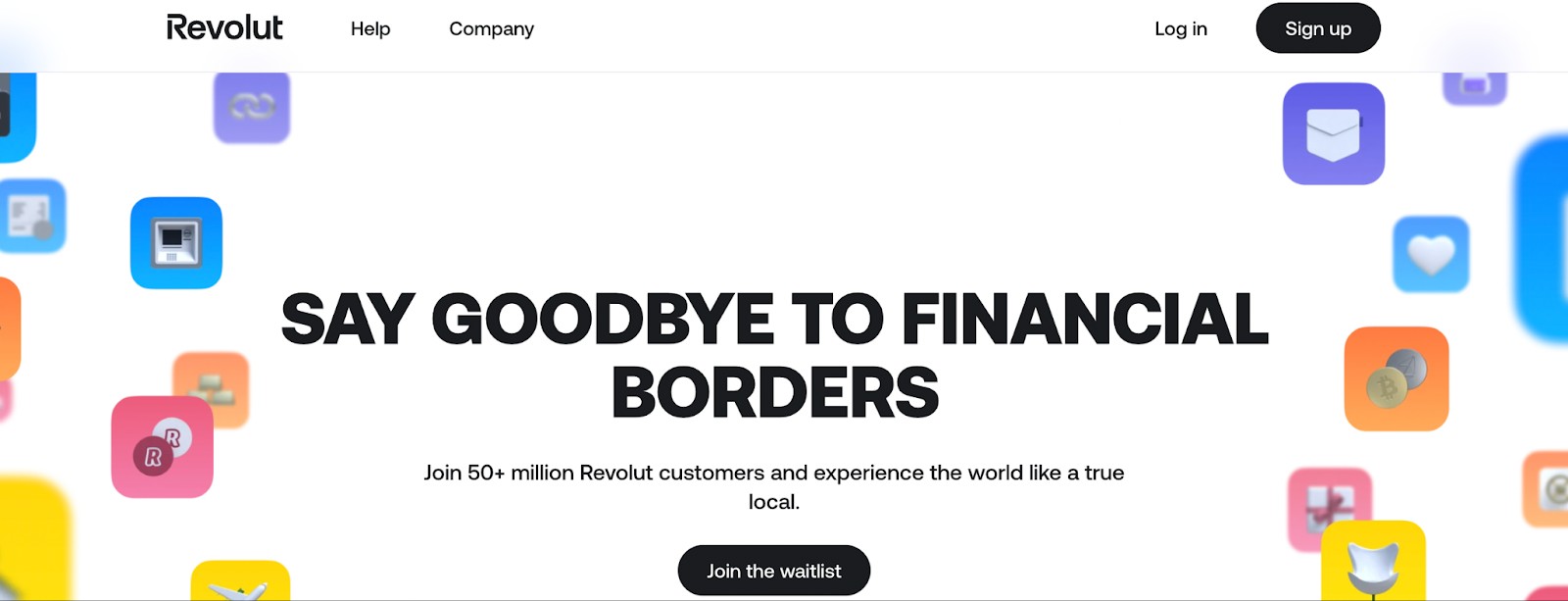
Investments are made through an app with a few taps on the screen. Fees are low and transparent, and you can view detailed statistics on every solution. There is a special feature: when the price of an asset reaches a specified level, you receive an alert on your phone.
Apart from digital banks, here are some of the best Forex brokers in India you can consider for investing and trading.
| Pocket Option | RoboForex | Pepperstone | IUX | GTCFX | |
|---|---|---|---|---|---|
|
Available in India |
Yes | Yes | Yes | Yes | Yes |
|
Demo |
Yes | Yes | Yes | Yes | Yes |
|
Min. deposit, $ |
5 | 10 | No | 50 | 30 |
|
Deposit fee, % |
No | No | No | No | No |
|
Withdrawal fee, % |
No | 0-4 | No | No | No |
|
Regulation level |
Tier-3 | Tier-3 | Tier-1 | Tier-1 | Tier-3 |
|
TU overall score |
9.05 | 9.15 | 9.3 | 9.4 | 9.2 |
|
ECN spread EUR/USD |
0.3 | 0.2 | 0.1 | 0.10 | 0.2 |
|
Open an account |
Go to broker Your capital is at risk. |
Go to broker Your capital is at risk. |
Go to broker Your capital is at risk.
|
Go to broker Your capital is at risk. |
Go to broker Your capital is at risk. |
What is an online bank?
An online bank, or neobank, is a financial institution that operates entirely online without physical branches, offering services such as savings accounts, loans, and international transfers through websites or mobile apps. Discover the best way to transfer money from India to USA safely, quickly, and at low cost with trusted methods and reliable service options.
In India, neobanks are regulated by authorized bodies like the Reserve Bank of India (RBI) or international organizations, ensuring their operations are secure and trustworthy. These banks simplify banking by automating tasks, eliminating paperwork, and enabling users to manage finances with a few taps on their smartphones.
- Pros
- Cons
Low fees. Most virtual banks do not charge monthly fees, and even paid plans are generally cheaper than traditional banks.
Convenience. No need to visit a physical office; registration, verification, and account management can be done online in minutes.
Financial control. Users can manage all their accounts, including those from other banks, with detailed income and expense tracking.
Favorable savings conditions. Free withdrawals in most cases and competitive APY rates on savings accounts.
Responsive support. Multiple support channels like call centers, chat rooms, and email, with instant responses from bots or operators.
Wide range of services. Offers services like checking and savings accounts, loans, international transfers, overdrafts, and investment opportunities.
Enhanced security. Multiple layers of protection, regulation by authorized bodies, and in some cases, insured client deposits.
Limited physical access. The lack of proprietary ATMs often results in fees for cash withdrawals.
Restricted deposit methods. Deposits cannot always be made through ATMs, mail, or checks.
Reliance on technology. Requires reliable internet access and tech-savvy users, which may not suit everyone.
Lack of personalized service. Automated processes may not match the in-person experience of traditional banks.
Varied services. Quality and offerings can vary significantly between neobanks, requiring careful comparison.
What are the differences between neobanks, digital banks, and traditional banks?
Neobanks, digital, and traditional banks differ in regulation, support, and operational structure:
Neobanks operate entirely online without a full banking license.
Digital banks combine the features of neobanks with partial regulation.
Traditional banks, on the other hand, are fully regulated institutions with physical branches and in-person services.
Neobanks are known for their quick and fully online processes, focusing on web and mobile platforms for services like savings accounts and payments. They are not regulated by conventional banks but follow government and Reserve Bank of India (RBI) regulations.
Digital banks share these online platforms but may have partial banking licenses, offering more robust services than neobanks while maintaining a fully digital approach.
Traditional banks provide the most comprehensive range of services, with full banking licenses, in-person support, and a physical presence. However, their processes, like account approvals, are typically slower and more manual compared to the quick, streamlined operations of neobanks and digital banks.
Rules and regulation
India’s digital banking sector is regulated by the Reserve Bank of India (RBI) under the Banking Regulation Act.
The RBI ensures these banks adhere to strict standards for financial stability, risk management, and consumer protection. Authorization to operate requires thorough compliance with RBI’s regulatory framework.
Investor protection. Investors in digital banks are safeguarded through several mechanisms.
Deposit insurance. The DICGC insures deposits up to ₹5 lakh per depositor per bank.
Regulatory oversight. RBI supervision ensures banking stability and investor safety.
Capital adequacy norms. Digital banks must maintain sufficient capital reserves to cover potential losses.
Consumer protection laws. Legal frameworks safeguard investor rights and interests.
Financial literacy programs. Initiatives educate users about digital banking, risks, and protections, enabling informed decisions.
Why user experience and customer support are key in choosing the best online banks in India

When picking the best online banks in India, it’s not just about interest rates or fees. Many beginners forget to focus on the user experience. A good banking app should offer smooth navigation for tasks like instant fund transfers, bill payments, and managing digital services such as insurance or mutual funds. Look for banks with a simple and efficient app interface to save you time and prevent frustration.
Another important factor is customer service. While some online banks may offer great rates, their customer support can be lacking. It’s worth looking for a bank with responsive, 24/7 support, whether it’s chat, email, or phone. Whether you need help with specialized services like investments or just basic banking queries, it’s crucial to have easy access to help when you need it.
Conclusion
In conclusion, the best online banks in India offer a compelling blend of convenience, low fees, and attractive interest rates, making them an ideal choice for savvy consumers and businesses alike. Banks such as Kotak 811 and ICICI iMobile have set high standards by providing seamless digital experiences and robust security features. This shift to digital-first banking not only saves time but also empowers users with greater control over their finances. Ultimately, embracing online banking in India is not just about following trends—it's about unlocking a smarter, more efficient way to manage money in today's digital age.
FAQs
What are the main advantages and disadvantages of choosing an online bank over a traditional bank in India?
How do fees such as ATM withdrawals and international transfer costs compare among the best online banks in India?
What types of investment opportunities do top online banks in India provide to their customers?
How is the regulatory environment structured for online banks operating in India?
Editors' Top Picks and Insights






Related Articles
Team that worked on the article
Alamin Morshed is a contributor at Traders Union. He specializes in writing articles for businesses that want to improve their Google search rankings to compete with their competition.
Chinmay Soni is a financial analyst with more than 5 years of experience in working with stocks, Forex, derivatives, and other assets. As a founder of a boutique research firm and an active researcher, he covers various industries and fields, providing insights backed by statistical data.
Mirjan Hipolito is a journalist and news editor at Traders Union. She is an expert crypto writer with five years of experience in the financial markets.

-
 Afghanistan
-
 Albania
-
 Algeria
-
 Angola
-
 Argentina
-
 Armenia
-
 Australia
-
 Austria
-
 Azerbaijan
-
 Bahamas
-
 Bahrain
-
 Bangladesh
-
 Belarus
-
 Belgium
-
 Bolivia
-
 Botswana
-
 Brazil
-
 Brunei
-
 Bulgaria
-
 Cambodia
-
 Cameroon
-
 Canada
-
 Chile
Chile
-
 China
China
-
 Colombia
-
 Congo
Congo
-
 Costa Rica
-
 Cote d'Ivoire
-
 Croatia
-
 Cuba
Cuba
-
 Cyprus
-
 Czechia
-
 DR Congo
-
 Denmark
-
 Dominican Republic
-
 Ecuador
-
 Egypt
Egypt
-
 El Salvador
-
 Estonia
-
 Eswatini
-
 Ethiopia
-
 Finland
-
 France
-
 Georgia
-
 Germany
-
 Ghana
Ghana
-
 Greece
-
 Haiti
Haiti
-
 Hong Kong
-
 Hungary
-
 India
India
-
 Indonesia
-
 Iran, Islamic republic
-
 Iraq
Iraq
-
 Ireland
-
 Israel
-
 Italy
Italy
-
 Jamaica
-
 Japan
Japan
-
 Jordan
-
 Kazakhstan
-
 Kenya
Kenya
-
 Korea
Korea
-
 Kuwait
-
 Kyrgyzstan
-
 Laos
Laos
-
 Latvia
-
 Lebanon
-
 Lesotho
-
 Libya
Libya
-
 Lithuania
-
 Luxembourg
-
 Madagascar
-
 Malaysia
-
 Malta
Malta
-
 Mauritius
-
 Mexico
-
 Moldova
-
 Mongolia
-
 Montenegro
-
 Morocco
-
 Mozambique
-
 Myanmar
-
 Namibia
-
 Nepal
Nepal
-
 Netherlands
-
 New Zealand
-
 Nigeria
-
 North Macedonia
-
 Norway
-
 Oman
Oman
-
 Pakistan
-
 Palestine
-
 Panama
-
 Papua New Guinea
-
 Paraguay
-
 Peru
Peru
-
 Philippines
-
 Poland
-
 Portugal
-
 Puerto Rico
-
 Qatar
Qatar
-
 Reunion
-
 Romania
-
 Rwanda
-
 Saudi Arabia
-
 Serbia
-
 Singapore
-
 Slovakia
-
 Slovenia
-
 Somalia
-
 South Africa
-
 Spain
Spain
-
 Sri Lanka
-
 Sweden
-
 Switzerland
-
 Syria
Syria
-
 Taiwan
-
 Tajikistan
-
 Tanzania
-
 Thailand
-
 Trinidad and Tobago
-
 Tunisia
-
 Turkey
-
 UAE
UAE
-
 Uganda
-
 Ukraine
-
 United Kingdom
-
United States
-
 Uruguay
-
 Uzbekistan
-
 Venezuela
-
 Vietnam
-
 Yemen
Yemen
-
 Zambia
-
 Zimbabwe
- Forex
- Crypto












