
Best Altcoins To Invest In | Top Picks For Long-Term Growth



Editorial Note: While we adhere to strict Editorial Integrity, this post may contain references to products from our partners. Here's an explanation for How We Make Money. None of the data and information on this webpage constitutes investment advice according to our Disclaimer.
Best altcoins to buy:
Linea – zkEVM Layer 2 for scalable, secure Ethereum execution.
DoubleZero – modular data availability layer optimized for rollups.
Virtuals Protocol (VIRTUAL) – decentralized compute and data marketplace for AI agents.
Fetch.ai/ASI (FET) – autonomous agent infrastructure for AI-driven coordination.
Ondo Finance (ONDO) – tokenized yield-bearing real-world assets for DeFi.
Pendle (PENDLE) – protocol for trading tokenized future yield and fixed-income primitives.
Choosing which altcoins to hold can feel like walking through a crowded marketplace with too many loud vendors. Noise, FOMO, and shiny short-term narratives make it hard to build a coherent 2026 portfolio. This article cuts through that clutter with a thesis-driven altcoin strategy for investors with a year-plus horizon, not another "top 10" shout list.
The goal of this guide is to be a repeatable framework for sizing, diversification, and risk controls across sectors (DeFi, AI-native tokens, and infrastructure) for decisions rooted in long-term crypto investment principles, with clear criteria for project quality, tokenomics, and macro alignment, plus concrete positioning suggestions that balance conviction and capital preservation.
Deep dives into 6 projects poised for the next cycle
Alexander Brass, financial analyst at ChangeHero exchange, has analyzed the market and shared a curated list of the top 6 altcoins to consider for investing in the upcoming year. Each project below maps directly to the investment theses outlined above. The focus is on network effects, institutional linkages, and technical composability – the key sources of long-term defensibility for high-potential crypto.
Layer 2 and modular infrastructure picks
Linea
Linea is a zkEVM (zero-knowledge Ethereum Virtual Machine) rollup that uses zero-knowledge proofs to batch and verify transactions off-chain before settling on Ethereum. It serves the scalability and composability narrative for Ethereum, offering the security benefits of ZK technology while maintaining full EVM compatibility for seamless developer migration.
The project's moat comes from its ConsenSys backing and integration into the broader MetaMask and Infura ecosystem, creating natural distribution advantages. This reputable and potent backing resulted in Linea being chosen by Visa, Mastercard, and SWIFT for their blockchain-based solutions. The zkEVM approach provides faster finality and stronger cryptographic guarantees than optimistic rollups, while maintaining compatibility with existing Ethereum tooling.
DoubleZero
DoubleZero is a modular data availability layer currently deployed on Solana, designed to provide scalable, cost-efficient storage for rollup transaction data. It addresses the critical bottleneck in the modular stack, where Layer 2s need cheap, reliable places to publish their data without compromising on security or decentralization.
Its unique value comes from specialized architecture optimized specifically for rollup data availability, offering lower costs than general-purpose blockchains while maintaining sufficient decentralization and data integrity guarantees. The project's defensibility lies in its early integrations with multiple rollup frameworks and sequencers, positioning it as a neutral infrastructure that captures value as the entire Layer 2 ecosystem scales. As more rollups launch and transaction volumes grow, demand for efficient data availability becomes a structural tailwind.
AI and decentralized compute picks
Virtuals Protocol (VIRTUAL)
Virtuals aims to provide decentralized compute and data marketplaces for AI agents, enabling on-chain coordination of model inference and specialized compute resources. It addresses the thesis that AI will need open, verifiable compute and data markets to scale beyond centralized clouds.
The project's early network formation between GPU providers, dataset curators, and model owners creates its defensibility. Open APIs and reputation layers enable trust-minimized matching of tasks and resources, building a foundation for decentralized AI infrastructure.
Artificial Superintelligence Alliance (FET)
Despite the alliance encountering some troubles in its nascent state, for a long-term play, it has positioned itself as the most committed to its cause project. Its member from which the FET token comes from, Fetch.ai focuses on autonomous economic agents and on-chain coordination primitives that let AI agents negotiate and transact without central intermediaries. This serves as middleware for AI-driven automation and machine-to-machine value exchange, enabling composable agent ecosystems that can execute economic tasks.
The combination of an agent framework, on-chain coordination primitives, and partnerships in logistics and mobility creates its competitive advantage. Defensibility arises from protocol-level agent standards and a developer base building interoperable agents.
Real-world asset protocol picks
Ondo Finance (ONDO)
Ondo tokenizes yield-bearing traditional finance instruments such as treasuries and short-term credit into on-chain products that DeFi users can access with composable exposure to institutional-grade yields. This directly serves the narrative of bridging traditional finance liquidity and predictable yield into DeFi, expanding DeFi's addressable market through textbook RWA application.
The project's moat lies in institutional integrations, compliance-forward custody partnerships, and productization expertise that make it easier for large capital to deploy on-chain while preserving reporting and risk controls. Ondo has positioned itself at the intersection of institutional demand and tokenized collateral.
Pendle (PENDLE)
Pendle enables trading of tokenized future yield by separating principal and yield into tradable tokens, allowing users to buy or hedge future cash flows. This addresses the need for on-chain yield markets and fixed-income primitives and hence, the idea that DeFi needs robust instruments to price and trade time-dependent yield.
Unique composability for yield tokenization, integrations with major yield sources, and AMM designs specialized for asymmetric time-value assets create protocol-level liquidity niches that are hard to replicate quickly. Pendle has carved out a defensible position in the emerging on-chain fixed-income market.
Which narratives will dominate next year?
Extrapolating the current market climate, the next cycle won't be driven by memes or single-use play-to-earn gimmicks. It will be powered by durable technological and economic shifts. The proposed crypto investment thesis favors projects that address clear, scalable problems and enable institutional-grade liquidity, composability, and real-world utility.
Layer 2 and modular ecosystems solving the scalability trilemma
Base Layer 1 blockchains still cannot be simultaneously fast, cheap, and highly secure at scale. Layer 2 scaling and modular architectures solve that by offloading execution and data availability while relying on Layer 1 security. The result is dramatically cheaper and faster transactions, better user experience, and a resurgence in high-frequency and micropayment use cases. Value accrues to optimistic rollups, ZK-rollups, data availability layers, and sequencer or operator token models that capture fees and economic security as volume migrates off-chain.
Intersection of AI and blockchain
It makes sense that AI is here to stay, and it needs cheap, verifiable compute and reliable data provenance. Decentralized physical infrastructure networks for AI such as distributed edge compute, sensor feeds, and storage, plus verifiable on-chain AI agents create trust-minimized machine learning workflows. Tokens of these projects coordinate resource supply, incentivize data labeling, and pay for verifiable model attestations. This narrative intersects with infrastructure tokens and new oracle or agent primitives that enable composable, accountable AI services on-chain.
Tokenizing real world in the RWA revolution
Thirdly, tokenization makes traditionally illiquid assets like treasury bills, commercial real estate, and invoices divisible, tradable, and programmable. Real-World Assets (a.k.a. RWA) transform yield markets by creating 24/7 liquidity, fractional ownership, and automated compliance via smart contracts. Institutional adoption of tokenized debt and asset-backed protocols is expected to drive capital inflows and underpin DeFi 2.0 primitives focused on capital efficiency, structured credit, and on-chain risk markets.

Smart crypto portfolio allocation guide
Allocation is as significant part of the portfolio composition as standalone positions. A disciplined approach to portfolio allocation helps manage risk while maintaining exposure to high-conviction opportunities.
Core-satellite approach and crypto
In a typical cryptocurrency portfolio, Bitcoin and/or Ethereum are "Core" holdings: the foundational assets that provide stability and liquidity. Altcoins serve as "Satellites" that offer targeted exposure to specific narratives and higher growth potential.
An example of allocation might look like this: 40-50% between Bitcoin and Ethereum, 30-40% in established altcoins across multiple sectors, and 10-20% in higher-risk, emerging projects. This structure balances the security of blue-chip crypto with the upside of altcoin allocation.
Position sizing and risk management
In long-term investing, discipline often matters more than conviction. It is a good idea to limit any single altcoin allocation to 2-5% to prevent concentration risk. If a position doubles or triples, taking partial profits to rebalance is worthy of consideration.
There should be clear stop-loss thresholds, set mentally or mechanically, and a healthy “never invest more than willing to lose” mentality. This simple approach to risk management is already enough to protect against catastrophic losses while allowing room for asymmetric gains.
How to execute your altcoin investment strategy
Strategy without execution is just planning. For those who search for actionable steps to acquire, secure, and manage altcoin positions while prioritizing crypto security, is the following portion of this guide.
Acquisition
Whenever a portfolio is composed, it has to start with research: vetting projects through whitepapers, team backgrounds, tokenomics, liquidity depth, and audits. Decisions like allocation size and maximum acceptable loss per position should come before buying.
One scenario for purchasing diverse assets is availing of reputable exchanges to purchase major base assets like ETH or USDC, and connecting a non-custodial wallet to a decentralized exchange for direct swaps of less popular tokens. In that case, a healthy dose of skepticism and double-checking the contract address via an explorer and official channels are crucial to avoid copycat scams.
All of the tokens reviewed are available through the ChangeHero crypto exchange platform. Unlike a decentralized exchange, users are not required to connect their wallets or log in to an account to use it, making it a secure choice for non-custodial crypto swaps and a convenient way to promptly rebalance an altcoin portfolio.
Secure self-custody storage
Once purchased, long-term holdings, especially of considerable size, belong in hardware wallets or reputable non-custodial solutions rather than in an exchange’s custody. Hardware wallets are preferred for bulk holdings, while trustworthy software wallets work for small, active balances. Seed phrases should always stay protected offline, written and stored in a safe, and devices should use passcodes and PINs whenever possible. It is also a good idea to keep firmware current and consider multisig solutions like Gnosis Safe for larger sums.
The discipline of Dollar-Cost Averaging
In the long run, DCA is the closest-to-best strategy to build positions over time and reduce timing risk. For maximum efficiency and discipline, recurring buys can be automated on exchanges or via wallet integrations. Naturally, dollar-cost averaging is to be combined with periodic rebalancing and portfolio reviews, quarterly at the most sparse. A disciplined approach transforms market volatility from a threat into an opportunity.
Take the time to understand why the project should appreciate over the next year

As I look at the market heading into the next cycle, my main advice is to stay focused on assets that can actually survive volatility rather than just outperform during hype. What matters most right now is choosing altcoins with structural demand behind them – projects that benefit from real usage, not temporary excitement.
When I build or adjust a long-term portfolio, I prioritize tokens that sit at the intersection of strong technology, clear economic utility, and growing institutional interest. That combination tends to age well, even when the broader market pulls back. I also encourage investors to think in terms of roles rather than tickers: which assets strengthen your core exposure, which expand your reach into emerging narratives, and which introduce unnecessary risk.
Whatever you decide to add, take the time to understand why the project should appreciate over the next year and what would have to go wrong for your thesis to break. If an asset still makes sense after that level of scrutiny, it's usually worth considering. And above all, avoid chasing momentum – deliberate, steady positioning almost always outperforms impulse-driven decisions in the long run.
Conclusion
Building a robust crypto portfolio hinges on selecting altcoins that excel in promising sectors and demonstrate resilience for long-term growth. By strategically allocating funds to innovative projects—such as those driving decentralized finance or blockchain infrastructure—you position yourself to capitalize on the next wave of market leaders. Notably, coins like Ethereum and Solana exemplify how utility and community support can underpin substantial returns. The key takeaway is clear: prioritize quality and conviction in your altcoin choices, and you'll be better equipped to weather market volatility. In the evolving crypto landscape, smart selections today can pave the way for lasting financial success.
FAQs
What criteria should investors use to evaluate altcoins for long-term portfolio inclusion?
How can diversification across different altcoin sectors strengthen a crypto portfolio?
Why is dollar-cost averaging considered an effective strategy for buying top altcoins?
What practical steps help prevent common security pitfalls when acquiring and storing altcoins?
Editors' Top Picks and Insights
Code red: What's behind Bitcoin’s sharp selloff?

MiCA is live: How EU new rules are changing crypto market

Bitcoin price prediction based on MVRV: Indicator points to BTC undervaluation

Amazon flooded with AI books: Crisis of trust in literature market
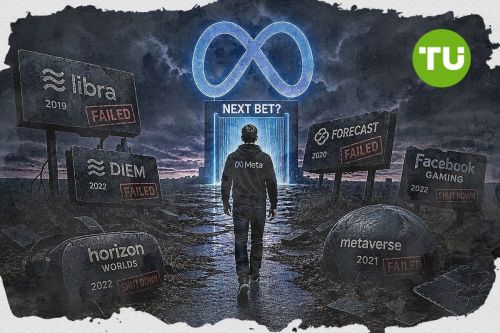
From stablecoins to the metaverse: Meta's biggest bets that failed

Gold and silver: Why to buy in July
Related Articles
Team that worked on the article
Ashutosh Sureka is a finance professional specializing in financial research, credit assessment, and equity analysis.
Dan Blystone began his trading career in 1998 as an arbitrage clerk on the floor of the Chicago Mercantile Exchange (CME). He later traded bond and Eurex futures at proprietary firms such as Altea Trading, gaining valuable experience in high-frequency trading and risk management.
Chinmay Soni is a financial analyst with more than 5 years of experience in working with stocks, Forex, derivatives, and other assets. As a founder of a boutique research firm and an active researcher, he covers various industries and fields, providing insights backed by statistical data.
Cryptocurrency is a type of digital or virtual currency that relies on cryptography for security. Unlike traditional currencies issued by governments (fiat currencies), cryptocurrencies operate on decentralized networks, typically based on blockchain technology.
An investor is an individual, who invests money in an asset with the expectation that its value would appreciate in the future. The asset can be anything, including a bond, debenture, mutual fund, equity, gold, silver, exchange-traded funds (ETFs), and real-estate property.
Xetra is a German Stock Exchange trading system that the Frankfurt Stock Exchange operates. Deutsche Börse is the parent company of the Frankfurt Stock Exchange.
Crypto trading involves the buying and selling of cryptocurrencies, such as Bitcoin, Ethereum, or other digital assets, with the aim of making a profit from price fluctuations.
Yield refers to the earnings or income derived from an investment. It mirrors the returns generated by owning assets such as stocks, bonds, or other financial instruments.

-
 Afghanistan
-
 Albania
-
 Algeria
-
 Angola
-
 Argentina
-
 Armenia
-
 Australia
-
 Austria
-
 Azerbaijan
-
 Bahamas
-
 Bahrain
-
 Bangladesh
-
 Belarus
-
 Belgium
-
 Bolivia
-
 Botswana
-
 Brazil
-
 Brunei
-
 Bulgaria
-
 Cambodia
-
 Cameroon
-
 Canada
-
 Chile
Chile
-
 China
China
-
 Colombia
-
 Congo
Congo
-
 Costa Rica
-
 Cote d'Ivoire
-
 Croatia
-
 Cuba
Cuba
-
 Cyprus
-
 Czechia
-
 DR Congo
-
 Denmark
-
 Dominican Republic
-
 Ecuador
-
 Egypt
Egypt
-
 El Salvador
-
 Estonia
-
 Eswatini
-
 Ethiopia
-
 Finland
-
 France
-
 Georgia
-
 Germany
-
 Ghana
Ghana
-
 Greece
-
 Haiti
Haiti
-
 Hong Kong
-
 Hungary
-
 India
India
-
 Indonesia
-
 Iran, Islamic republic
-
 Iraq
Iraq
-
 Ireland
-
 Israel
-
 Italy
Italy
-
 Jamaica
-
 Japan
Japan
-
 Jordan
-
 Kazakhstan
-
 Kenya
Kenya
-
 Korea
Korea
-
 Kuwait
-
 Kyrgyzstan
-
 Laos
Laos
-
 Latvia
-
 Lebanon
-
 Lesotho
-
 Libya
Libya
-
 Lithuania
-
 Luxembourg
-
 Madagascar
-
 Malaysia
-
 Malta
Malta
-
 Mauritius
-
 Mexico
-
 Moldova
-
 Mongolia
-
 Montenegro
-
 Morocco
-
 Mozambique
-
 Myanmar
-
 Namibia
-
 Nepal
Nepal
-
 Netherlands
-
 New Zealand
-
 Nigeria
-
 North Macedonia
-
 Norway
-
 Oman
Oman
-
 Pakistan
-
 Palestine
-
 Panama
-
 Papua New Guinea
-
 Paraguay
-
 Peru
Peru
-
 Philippines
-
 Poland
-
 Portugal
-
 Puerto Rico
-
 Qatar
Qatar
-
 Reunion
-
 Romania
-
 Rwanda
-
 Saudi Arabia
-
 Serbia
-
 Singapore
-
 Slovakia
-
 Slovenia
-
 Somalia
-
 South Africa
-
 Spain
Spain
-
 Sri Lanka
-
 Sweden
-
 Switzerland
-
 Syria
Syria
-
 Taiwan
-
 Tajikistan
-
 Tanzania
-
 Thailand
-
 Trinidad and Tobago
-
 Tunisia
-
 Turkey
-
 UAE
UAE
-
 Uganda
-
 Ukraine
-
 United Kingdom
-
United States
-
 Uruguay
-
 Uzbekistan
-
 Venezuela
-
 Vietnam
-
 Yemen
Yemen
-
 Zambia
-
 Zimbabwe
- Forex
- Crypto











