The tweet was deleted by the author.
But we saved everything 🙂.

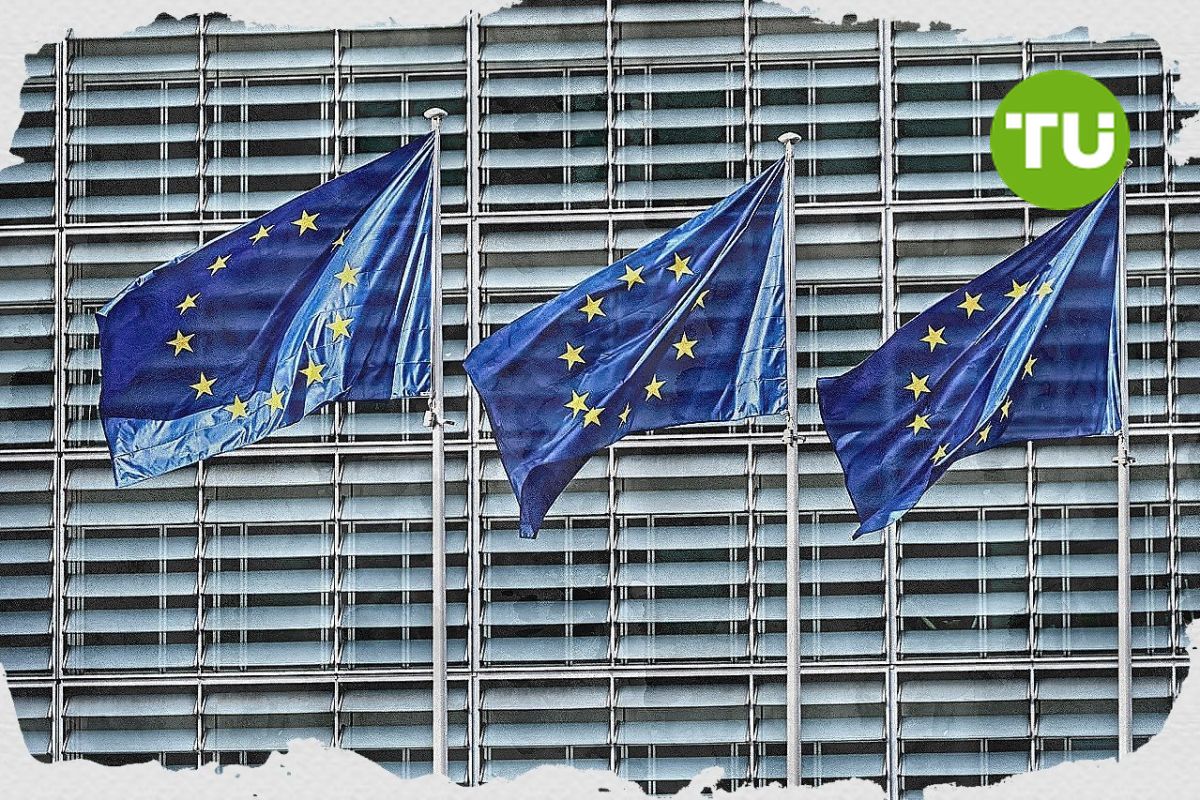
On July 1, the European Union fully activated MiCA, a single rulebook for the crypto market designed to replace the previous patchwork of national regimes. For some companies, it is a path to legal operations. For others, it is a signal to pack up and leave Europe.
As of July 1, 2026, crypto exchanges, brokers, custodial services, and other crypto-asset service providers can no longer work with European clients as they did before. They now need a license that allows them to serve users across the entire European Economic Area, which includes the 27 EU member states, as well as Iceland, Liechtenstein, and Norway.
View post on X Loading...
For the market, this is a sharp change in the rules. Previously, many companies operated under national regimes: in some countries, requirements were stricter, in others they were softer, and in some places businesses existed for years in a gray zone. Now the logic is different: if you want clients from Europe, you need authorization, you must separate client funds from company funds, hold reserves, follow anti-money laundering rules, and report to regulators.
The requirement does not apply only to companies registered in the EU. If a platform from Asia, the U.S., or the UAE serves European clients, it also falls under MiCA. Unlicensed platforms must shut off access to regulated services, help clients withdraw funds, or leave them only with basic operations such as selling assets and withdrawing money.
The numbers show how tough the shakeout has been. Before MiCA launched, there were 3,167 crypto service providers operating in Europe. By June 30, only 244 companies had entered the ESMA register, less than 8% of the market. Everyone else faced a choice: urgently look for a license, temporarily halt operations in the EU, or completely give up on European clients.
Authorizations were distributed unevenly across Europe. Germany became the main hub of the new regime, issuing 57 licenses, or about 23% of the total. France and the Netherlands shared second place, with 26 authorizations each. Together, these three countries accounted for almost half of all MiCA licenses in the EU.
View post on X Loading...
The gap becomes even more visible further down the list. Czechia issued 7 licenses, Latvia, Lithuania, and Slovakia issued 6 each, while Croatia and Finland issued 5 each. Greece, Hungary, Poland, Portugal, and Romania had not issued a single MiCA license by the deadline. As a result, the single market does not look entirely single at the starting line.
The impact was not limited to smaller companies that failed to prepare for the new rules. MiCA also affected the market’s largest players. The most visible casualties were Binance and Tether, the world’s largest crypto exchange and the issuer of the leading stablecoin USDT.
For Binance, the new rules mean restrictions on serving European clients. The exchange tried to obtain a MiCA license through Greece but failed to complete the process before the deadline and is now looking for another regulatory route in the EU. The company says it does not plan to leave Europe, while Binance CEO Richard Teng separately stressed that user assets remain “safe and secure.”
View post on X Loading...
Tether faced a different problem. The company made it clear in advance that it would not adapt to the European requirements for stablecoin issuers. In spring 2025, Tether CEO Paolo Ardoino said the company did not plan to apply for an EU license, and later called MiCA’s requirements incompatible with its business model. As a result, regulated European platforms began delisting USDT.
The reason lies in strict rules for large stablecoins. Issuers must hold part of their reserves in bank deposits in the EU, maintain their own capital, and comply with additional restrictions. Against this backdrop, Circle stands to benefit: it received a MiCA license in France and can now legally offer USDC to European clients.
Strict EU rules are already pushing some crypto businesses to look at other jurisdictions. One of the main options is the United Arab Emirates. Irina Heaver, a lawyer at Dubai-based NeosLegal, said her firm now receives more than 120 inquiries per week from companies looking to open a business in the UAE. Around half of those requests come from Europe, including Spain, Italy, and Germany. Entrepreneurs from Switzerland and the U.K. are also showing interest, even though those countries are not subject to MiCA.
The UAE looks like a more convenient place to launch a crypto business because its regulatory system was designed for digital assets from the start. In Dubai, the sector is overseen by the Virtual Assets Regulatory Authority (VARA), while in Europe crypto companies often deal with regulators that also supervise banks, brokers, and traditional financial institutions.
The UAE has another advantage: speed. A company can be registered there in a few days, not months, as is often the case in Europe. For a startup, this means a faster product launch and less time spent in legal limbo. In addition, a UAE license opens access not only to the local market, but also to Asia, North Africa, and the Global South, regions that together may represent about 4 billion potential clients.
MiCA does not close Europe to the crypto market, but it sharply raises the price of entry. From now on, only those ready to live by the rules of traditional finance will be able to work with European clients: obtain authorizations, disclose their structure, hold reserves, segregate client assets, and accept constant supervision. For large players, this is a matter of money, lawyers, and time. For smaller teams, it is a matter of survival.
As a result, the EU gets a clearer and better-protected market, but at the same time risks losing some speed, capital, and entrepreneurs. Some companies will fight for licenses and a place in the new system. Others will choose jurisdictions where it is easier and faster to launch. That is why July 1 became more than just the date when MiCA entered into force. It is the point after which the European crypto market will begin to split between those ready to play by banking rules and those who will look for freedom in other jurisdictions.



 Afghanistan
 Albania
 Algeria
 Angola
 Argentina
 Armenia
 Australia
 Austria
 Azerbaijan
 Bahamas
 Bahrain
 Bangladesh
 Belarus
 Belgium
 Bolivia
 Botswana
 Brazil
 Brunei
 Bulgaria
 Cambodia
 Cameroon
 Canada
 Chile
Chile
 China
China
 Colombia
 Congo
Congo
 Costa Rica
 Cote d'Ivoire
 Croatia
 Cuba
Cuba
 Cyprus
 Czechia
 DR Congo
 Denmark
 Dominican Republic
 Ecuador
 Egypt
Egypt
 El Salvador
 Estonia
 Eswatini
 Ethiopia
 Finland
 France
 Georgia
 Germany
 Ghana
Ghana
 Greece
 Haiti
Haiti
 Hong Kong
 Hungary
 India
India
 Indonesia
 Iran, Islamic republic
 Iraq
Iraq
 Ireland
 Israel
 Italy
Italy
 Jamaica
 Japan
Japan
 Jordan
 Kazakhstan
 Kenya
Kenya
 Korea
Korea
 Kuwait
 Kyrgyzstan
 Laos
Laos
 Latvia
 Lebanon
 Lesotho
 Libya
Libya
 Lithuania
 Luxembourg
 Madagascar
 Malaysia
 Malta
Malta
 Mauritius
 Mexico
 Moldova
 Mongolia
 Montenegro
 Morocco
 Mozambique
 Myanmar
 Namibia
 Nepal
Nepal
 Netherlands
 New Zealand
 Nigeria
 North Macedonia
 Norway
 Oman
Oman
 Pakistan
 Palestine
 Panama
 Papua New Guinea
 Paraguay
 Peru
Peru
 Philippines
 Poland
 Portugal
 Puerto Rico
 Qatar
Qatar
 Reunion
 Romania
 Rwanda
 Saudi Arabia
 Serbia
 Singapore
 Slovakia
 Slovenia
 Somalia
 South Africa
 Spain
Spain
 Sri Lanka
 Sweden
 Switzerland
 Syria
Syria
 Taiwan
 Tajikistan
 Tanzania
 Thailand
 Trinidad and Tobago
 Tunisia
 Turkey
 UAE
UAE
 Uganda
 Ukraine
 United Kingdom
United States
United Kingdom
United States
 Uruguay
 Uzbekistan
 Venezuela
 Vietnam
 Yemen
Yemen
 Zambia
 Zimbabwe