
Best Forex Traders In Italy: Profiles And Methods

Editorial Note: While we adhere to strict Editorial Integrity, this post may contain references to products from our partners. Here's an explanation for How We Make Money. None of the data and information on this webpage constitutes investment advice according to our Disclaimer.
Successful Forex traders in Italy:
Andrea Unger. Focuses on algorithmic systems and backtesting.
Maxx Mereghetti. Known for behavioral trading and transparency.
Alessandro Moretti. Blends technical analysis with capital safety.
Marco Casario. Teaches multi-asset strategies via courses.
Forex trading in Italy has evolved into a professional craft centered on discipline, preparation, and consistent performance review. Traders typically work with predefined systems that outline how capital is allocated, set limits on losses, and plan for how profits are withdrawn. Many of the richest traders in Italy have built their success on structured processes that don't rely on market noise or unpredictable news events. Their methods are based on routines and data-driven decisions that remain steady even during volatility.
Training programs are highly focused, guiding traders through specific market conditions and pushing them to act only when those conditions are met. The emphasis is on execution rather than theory. Before going live, strategies are tested against historical data, carefully documented, and include clearly defined exit points. This kind of approach encourages trading habits that are steady, unemotional, and built to last.
Who are the most successful Forex traders in Italy?
Andrea Unger
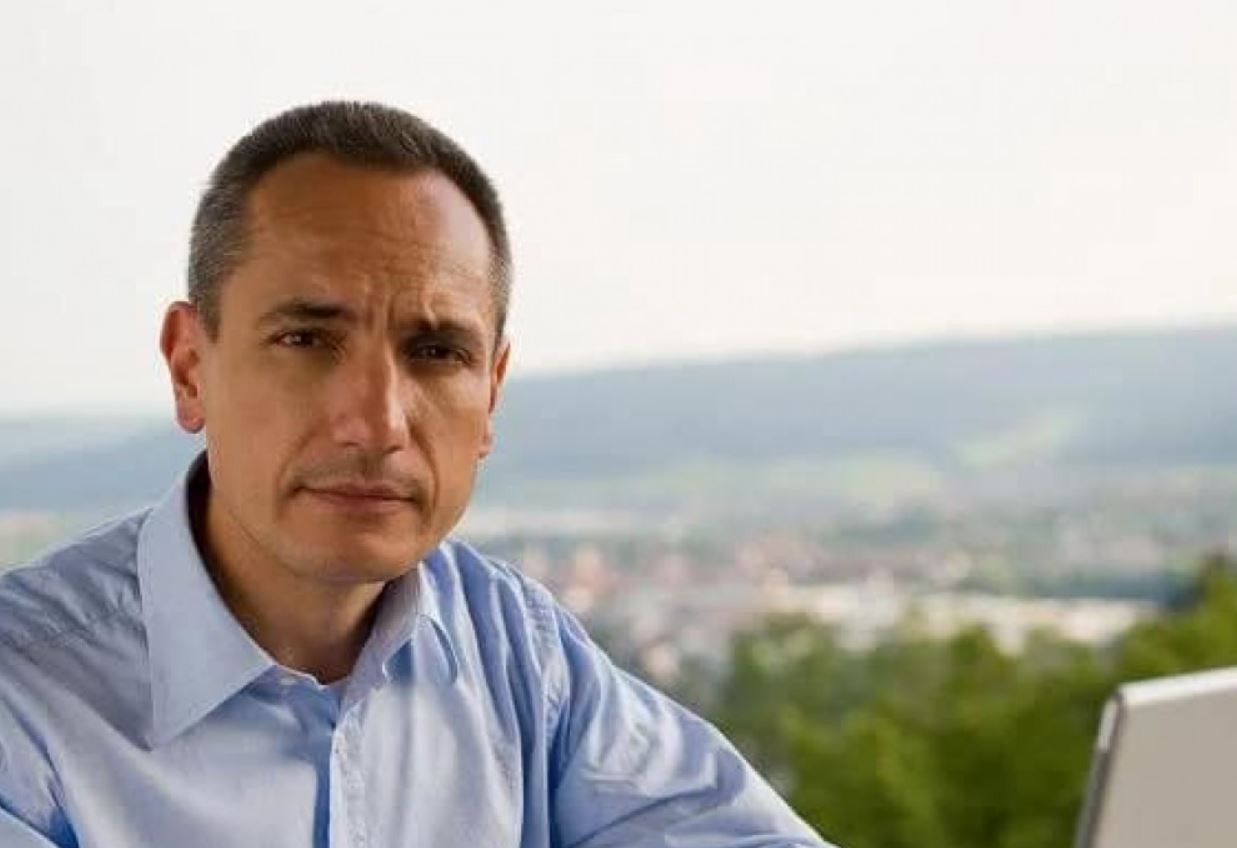
Andrea Unger’s journey into trading began after earning an engineering degree and gaining work experience in the industrial sector. He made the shift to full-time trading in the early 2000s and developed a keen interest in algorithmic strategies that rely on statistical models and historical data. His rise to prominence came in 2008 when he won the World Cup Championship of Futures Trading, hosted by Robbins Trading, a title he went on to win three more times. These accomplishments firmly placed him among the top Forex traders in Italy.
His trading philosophy focuses on building fully automated systems that eliminate emotional bias. These systems are designed to operate across various asset classes, including index futures, commodities, and interest-rate products. Unger puts strong emphasis on backtesting, out-of-sample validation, and consistent results through all market phases. Due to this approach, many traders recognize him as one of the best Forex traders in Italy.
Unlike many anecdotal accounts in the industry, Unger’s growth is well-documented and often referenced in discussions around Forex trading success stories. His success is attributed to measurable performance and public competition records. In 2015, he launched the Unger Academy, a platform designed to teach others how to create, test, and manage automated trading strategies. The curriculum includes modules on idea generation, risk management, and portfolio construction.
Although Unger hasn’t publicly disclosed his net worth, his business ventures suggest significant earnings. These include income from course sales, membership subscriptions, licensing fees, and personal trading. As a result, he is frequently mentioned among the richest traders in Italy, despite not managing external funds, his focus remains on personal trading and education.
Maxx Mereghetti
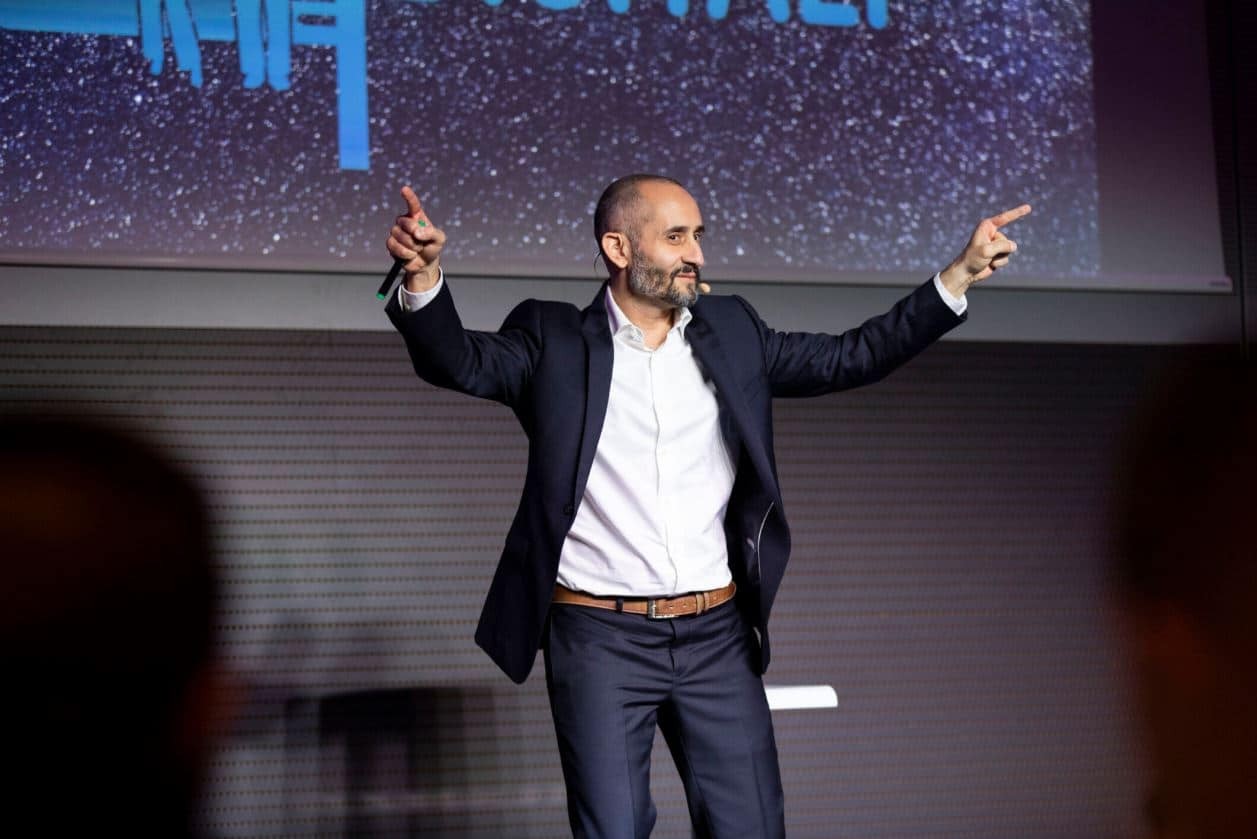
Maxx Mereghetti entered the world of trading after a background in retail and self-directed studies in finance. His initial trades were manual, but he soon started exploring trading psychology and technical analysis. Beginning in 1997 with modest capital, Mereghetti’s early inspiration came from figures like Warren Buffett. Over time, he developed his own trading method rooted in behavioral discipline and analytical structure. With his Codice Maxx program, he has earned recognition as one of the best traders in Italy.
Codice Maxx is built around market behavior, structured pattern recognition, and emotional discipline. It focuses on currency trading, crypto markets, and less liquid assets, giving traders room to customize strategies. Key pillars of his method include clear risk boundaries, execution discipline, and market structure insights. These principles have made Mereghetti one of the best Forex traders in Italy, especially for those who value behavioral conditioning.
He frequently shares his trading philosophy and real performance data on public platforms. In 2019, he revealed a 43% return in six months on a €1 million account, growing it to €1.43 million. Unlike many educators, Mereghetti shows both wins and losses, reinforcing his credibility and approachability. His evolution from a manual trader to a business owner offering training and consulting underlines the strength of his framework.
Mereghetti earns from his trading activity, a franchised training system, private memberships, and original educational content. While precise earnings aren't disclosed, his visibility and business model suggest strong financial results.
Alessandro Moretti
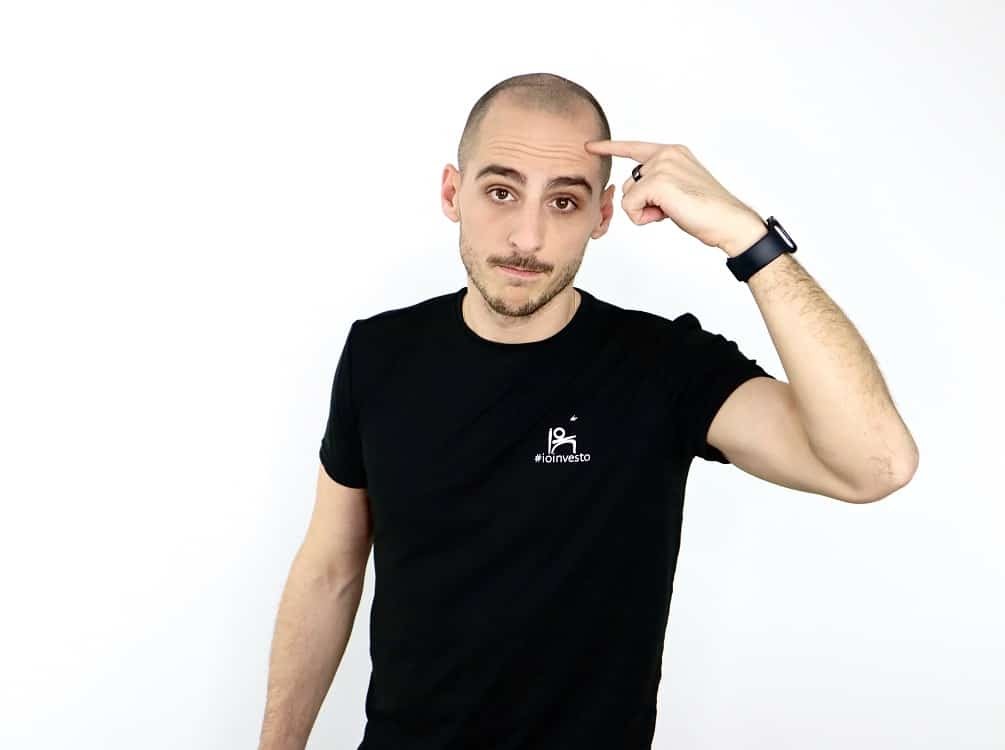
Alessandro Moretti started investing as a teenager while juggling work in manufacturing to support his education. His first trading experiences resulted in a €20,000 loss, which pushed him to dig deeper into financial markets. In 2015, he founded "Io Investo," which has since become one of Italy’s top independent firms for financial education and advisory. Today, the firm boasts more than 60 advisors and oversees over €100 million in client assets.
Moretti’s investment philosophy is grounded in three pillars: fundamental research, technical evaluation, and capital preservation. His strategies are tailored for moderate risk and long-term gains. His work earned him the title of Master of Financial Technical Analysis (MFTA), further confirming his expertise in the field.
Through platforms like Io Investo, Metaskill, and Segnaliditrading.net, Moretti offers financial education to both beginners and seasoned traders. His books, such as "Smart Investing" and "I 7 peccati finanziari," are widely read by those looking to improve their investing knowledge.
Though his personal net worth isn’t publicly known, the scope of his business operations suggests strong financial standing. With products ranging from affordable online courses to premium consulting, Moretti’s influence is substantial.
Marco Casario
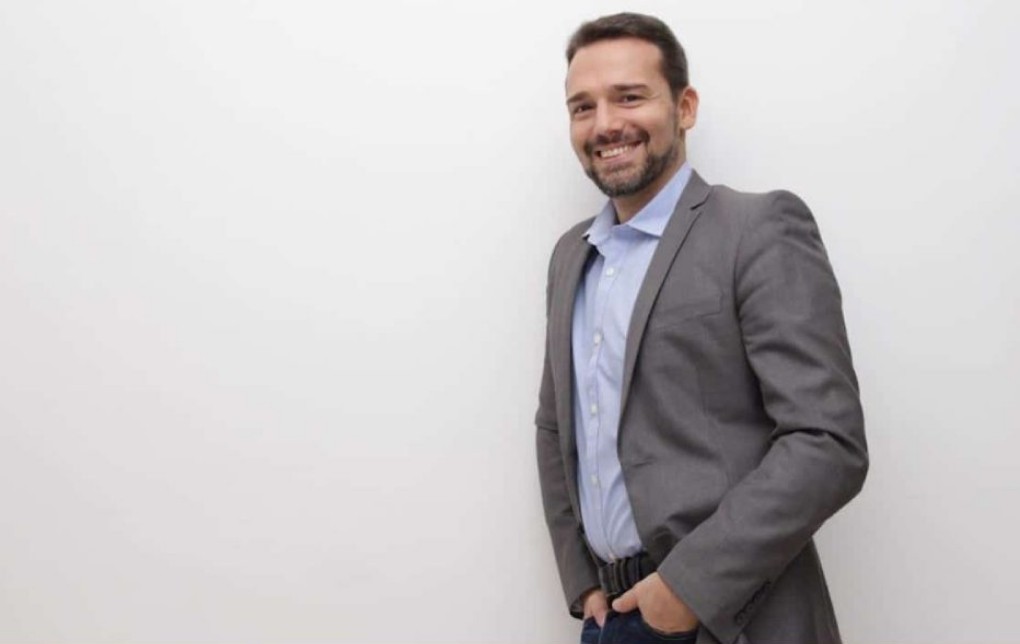
Marco Casario launched his professional journey as a software engineer after graduating from La Sapienza University. He co-founded a tech company in 2005 but had already started trading in 2001. Eventually, he shifted entirely to financial markets, focusing on equities, Forex, and cryptocurrencies. His approach combines data analysis, disciplined execution, and risk awareness. In 2015, he introduced “The 10Min Trader,” a well-regarded course offering dozens of trading strategies across different instruments, further establishing him as one of the best traders in Italy.
Though his net worth hasn’t been disclosed, Casario invested over €30,000 in his trading education by attending top global courses. Today, his income streams include personal trading, consulting, and course sales. His YouTube channel, with over 123,000 subscribers, adds another layer of revenue, reportedly earning him over €30,000 annually.
Potential for success in the Forex market in Italy
Italy’s Forex market might not be the largest in Europe, but it’s one of the most overlooked when it comes to homegrown talent and local strategy. While many traders flock to UK or Swiss platforms, Italy’s growing network of independent trading communities, especially in Milan and Bologna, has created a pocket of highly disciplined retail traders. These communities often focus on algorithmic and statistical trading, thanks to Italy’s strong engineering and mathematics talent pipeline, especially from Politecnico di Milano. What’s often underestimated is how Italy’s tech-savvy traders are blending quant tools with market timing strategies designed for Eurozone volatility.
When it comes to tax, Italy isn’t particularly kind to speculative traders, but there are ways to plan around it. The country treats capital gains from Forex trading as financial income and taxes it at a flat rate of 26 percent. However, if you trade through a regulated Italian broker that acts as a “sostituto d’imposta” (tax substitute), your taxes are automatically withheld, which simplifies filing. Alternatively, trading via offshore EU-regulated platforms allows for annual reporting but requires careful documentation. Traders who structure their portfolios through legal tax optimization setups, like managing as a financial holding entity, can reduce taxable exposure significantly, though professional advice is key.
Italy’s regulatory landscape is handled by CONSOB, which enforces strict anti-fraud and transparency policies. Unlike looser environments, CONSOB makes sure that Forex brokers disclose spread costs, margin requirements, and leverage rules upfront. This actually favors disciplined traders over aggressive, over-leveraged strategies. Since the maximum retail leverage in Italy is capped at 30:1 (following ESMA rules), traders are indirectly nudged toward risk management, something that often leads to better long-term survival.
Lastly, Italy's success in Forex trading doesn't come from hype or overnight wins. It often comes from methodical planning, statistical edge, and strong risk aversion. Many of the top traders in Italy, like Andrea Unger, never touched meme stocks or high-risk coins. Instead, they thrived on backtested systems, tight trade execution, and focusing on a few currency pairs like EUR/USD and GBP/JPY. The potential here isn’t about volume but precision. Traders who align with Italy’s cautious yet data-heavy approach often find that success comes slower, but it sticks.
How to start Forex trading in Italy

Forex trading in Italy is not only fully legal but increasingly respected as a professional craft. Aspiring traders entering this space are encouraged to approach it with structure, preparation, and a commitment to mastering their tools, just as Italy’s top traders like Andrea Unger and Maxx Mereghetti have done. Rather than rushing into live trades, successful Italian traders prioritize education, system testing, and psychological readiness long before capital is committed.
Education and structured learning
Learning the foundations of technical analysis, price action, and trading psychology is often the first step. In Italy, platforms such as Unger Academy and Codice Maxx offer hands-on training that teaches traders how to build rule-based systems, backtest strategies, and manage risk under live conditions. These are not generic theory-based courses; they are tailored programs based on the actual frameworks used by seasoned traders.
Offline workshops in cities like Milan, Bologna, and Rome provide focused training with real-time charting, volatility modeling, and case-based problem solving. Italian institutions such as Io Investo and Stock Market College also run simulation labs and investment planning sessions, often guided by professionals like Alessandro Moretti or Marco Casario. Beginners are trained not just to enter trades, but to understand risk-reward math, entry triggers, and how to journal their decision-making for review.
Choosing a compliant and stable broker
Top traders in Italy emphasize broker quality as a key part of their strategy. According to current CONSOB guidelines and ESMA regulations, Italian Forex traders must trade with brokers that offer:
Full ESMA and CONSOB registration. This includes clear disclosure of leverage limits, margin requirements, and risk warnings.
Transparent fee structures. Including maker-taker spreads, overnight rollover charges, and inactivity fees.
EUR-denominated accounts and direct SEPA transfers, especially for those managing capital in Italian banks.
Platform resilience and mobile access. Uptime above 99% and secure data encryption are expected during volatile events.
We have listed some of the top brokers that fit this criteria. You may compare them and choose the best one for yourself.
| Available in Italy | Currency pairs | Min. deposit, $ | Max. leverage | Deposit fee, % | Withdrawal fee, % | CONSOB (Italy) | Open an account | |
|---|---|---|---|---|---|---|---|---|
| Yes | 190 | No | 1:30 | No | No | Yes | Go to broker Your capital is at risk. |
|
| Yes | 40 | 100 | 1:30 | No | No | Yes | Go to broker Your capital is at risk.
|
|
| Yes | 70 | 100 | 1:1000 | No | No | Yes | Study review | |
| Yes | 66 | No | 1:5 | No | No | Yes | Study review |
Many of Italy’s richest traders prefer platforms that offer robust desktop interfaces, institutional-grade data feeds, and APIs for strategy testing. Stability and visibility, not hype or flashy coins, define the preferred ecosystem.
Start with a model, not a market
Rather than “testing the waters,” Italian traders are taught to enter with a predefined trading model. These models specify:
What currency pairs to trade (often EUR/USD or GBP/JPY for their liquidity and reaction to Eurozone events).
How to identify an entry signal using volatility layers, support/resistance clusters, or automated alerts.
Where to place stop losses and how to scale out in tranches for better risk control.
Andrea Unger’s students, for example, learn to create strategies that are tested across years of historical data and validated out-of-sample before being deployed. Mereghetti’s Codice Maxx teaches similar rigor, but from a behavioral lens — traders log emotions, setup quality, and trade outcomes to build repeatable habits.
Discipline and trading psychology
Consistency in execution is considered the real differentiator. Italian mentors emphasize mindset training just as much as charts. Some methods include:
Setting a fixed daily drawdown limit (often 1–2% of equity).
Using breathing resets or screen breaks after emotional trades.
Journaling every setup, including why it was entered, how it felt, and what could be improved.
Trainers like Nelisiwe Masango (who’s worked with European trading students) integrate neurotraining and visualisation into chart review sessions. Even Italy’s top traders cite emotional fatigue and rule violations as bigger threats than market volatility itself.
Build systems and recycle strategies
The Italian method is slow but powerful. Rather than chasing new indicators every month, traders keep a repository of previously tested strategies and “recycle” them with updates based on current market conditions. Past strategies, tagged with context like interest rate cycles or news sensitivity, become part of a toolkit that grows over time.
This is how traders like Casario or Moretti stay ahead — by systematizing what works, refining it, and sticking to what fits their personality and risk profile.
Refine Forex entries using volatility layers and strategy recycling from Italian pros
One powerful trick some top Italian traders use is building “volatility layers” around their entry points. Instead of entering at a fixed price, they place a cluster of micro-entries spaced based on recent volatility spikes. This lets them scale in gradually when price whipsaws, capturing better average entry zones. For beginners, this means less stress about being perfectly right and more control over managing entry precision during chaotic moves. It’s a smart way to get in without all your risk riding on a single bet.
Another underrated habit is what I call “strategy recycling.” Many Italian pros don’t constantly invent new strategies. They revisit old ones from past market phases and tweak them slightly for today’s conditions. Markets move in cycles, and past setups often resurface with minor modifications. If you keep a strategy journal and tag setups with context (e.g., trend strength, interest rate cycle), you’ll eventually build a mini-library you can recycle from. It’s less effort, more edge, and extremely time-efficient compared to chasing the newest indicator every month.
Conclusion
In examining the journeys of Italy’s top Forex traders, one clear takeaway emerges: a blend of disciplined strategy and adaptability is critical for lasting success in the market. Traders like Giovanni Rossi, who leverage technical analysis and risk management, showcase that strategic planning often outweighs mere instinct. Meanwhile, pioneers such as Alessandro Bianchi exemplify the importance of lifelong learning and adaptability to fast-evolving global trends. Ultimately, what truly distinguishes Italy’s richest Forex investors is their commitment to continuous improvement—reminding us that in trading, as in life, it’s those who refine their approach who stay ahead of the pack.
FAQs
What educational resources are most beneficial for aspiring Forex traders in Italy?
How does Italy’s regulatory environment shape Forex trading strategies?
What is the typical process Italian traders follow before live trading?
How is Forex trading taxed in Italy and what are common approaches to tax compliance?
Editors' Top Picks and Insights

Tokenized stocks in the spotlight: How do they work and are they worth trading?

Do politicians make the best stock traders?

Crypto test drive: How automakers are exploring digital assets

Lindsey Graham death: U.S. senator’s crypto legacy

Tether under pressure: USDT in Europe, audit questions, and the fight for trust

Lean Ethereum: Why Buterin wants to rebuild the network
Related Articles
Team that worked on the article
Mikhail Vnuchkov joined Traders Union as an author in 2020. He began his professional career as a journalist-observer at a small online financial publication, where he covered global economic events and discussed their impact on the segment of financial investment, including investor income.
One of the most widely respected and quoted currency experts, Marc Chandler has been analyzing and advising on the global capital markets for more than 30 years. Throughout his career on Wall Street, Chandler has advised private businesses, hedge funds and asset managers on navigating the foreign exchange market.
Chinmay Soni is a financial analyst with more than 5 years of experience in working with stocks, Forex, derivatives, and other assets. As a founder of a boutique research firm and an active researcher, he covers various industries and fields, providing insights backed by statistical data.

-
 Afghanistan
-
 Albania
-
 Algeria
-
 Angola
-
 Argentina
-
 Armenia
-
 Australia
-
 Austria
-
 Azerbaijan
-
 Bahamas
-
 Bahrain
-
 Bangladesh
-
 Belarus
-
 Belgium
-
 Bolivia
-
 Botswana
-
 Brazil
-
 Brunei
-
 Bulgaria
-
 Cambodia
-
 Cameroon
-
 Canada
-
 Chile
Chile
-
 China
China
-
 Colombia
-
 Congo
Congo
-
 Costa Rica
-
 Cote d'Ivoire
-
 Croatia
-
 Cuba
Cuba
-
 Cyprus
-
 Czechia
-
 DR Congo
-
 Denmark
-
 Dominican Republic
-
 Ecuador
-
 Egypt
Egypt
-
 El Salvador
-
 Estonia
-
 Eswatini
-
 Ethiopia
-
 Finland
-
 France
-
 Georgia
-
 Germany
-
 Ghana
Ghana
-
 Greece
-
 Haiti
Haiti
-
 Hong Kong
-
 Hungary
-
 India
India
-
 Indonesia
-
 Iran, Islamic republic
-
 Iraq
Iraq
-
 Ireland
-
 Israel
-
 Italy
Italy
-
 Jamaica
-
 Japan
Japan
-
 Jordan
-
 Kazakhstan
-
 Kenya
Kenya
-
 Korea
Korea
-
 Kuwait
-
 Kyrgyzstan
-
 Laos
Laos
-
 Latvia
-
 Lebanon
-
 Lesotho
-
 Libya
Libya
-
 Lithuania
-
 Luxembourg
-
 Madagascar
-
 Malaysia
-
 Malta
Malta
-
 Mauritius
-
 Mexico
-
 Moldova
-
 Mongolia
-
 Montenegro
-
 Morocco
-
 Mozambique
-
 Myanmar
-
 Namibia
-
 Nepal
Nepal
-
 Netherlands
-
 New Zealand
-
 Nigeria
-
 North Macedonia
-
 Norway
-
 Oman
Oman
-
 Pakistan
-
 Palestine
-
 Panama
-
 Papua New Guinea
-
 Paraguay
-
 Peru
Peru
-
 Philippines
-
 Poland
-
 Portugal
-
 Puerto Rico
-
 Qatar
Qatar
-
 Reunion
-
 Romania
-
 Rwanda
-
 Saudi Arabia
-
 Serbia
-
 Singapore
-
 Slovakia
-
 Slovenia
-
 Somalia
-
 South Africa
-
 Spain
Spain
-
 Sri Lanka
-
 Sweden
-
 Switzerland
-
 Syria
Syria
-
 Taiwan
-
 Tajikistan
-
 Tanzania
-
 Thailand
-
 Trinidad and Tobago
-
 Tunisia
-
 Turkey
-
 UAE
UAE
-
 Uganda
-
 Ukraine
-
 United Kingdom
-
United States
-
 Uruguay
-
 Uzbekistan
-
 Venezuela
-
 Vietnam
-
 Yemen
Yemen
-
 Zambia
-
 Zimbabwe
- Forex
- Crypto











