
Richest Forex Traders In Poland (2026)
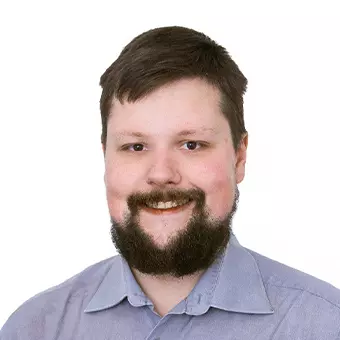


Editorial Note: While we adhere to strict Editorial Integrity, this post may contain references to products from our partners. Here's an explanation for How We Make Money. None of the data and information on this webpage constitutes investment advice according to our Disclaimer.
The richest Forex traders in Poland are:
Rafał Zaorski. Net worth of approximately 44 million PLN; founder of Trading Jam Session; owns luxury real estate including a 23 million PLN apartment in Warsaw.
Marcin Wenus. Renowned for his educational contributions; founder of Comparic.pl; significant influence in Polish trading education.
Tomasz Jaroszek. Financial educator and blogger; co-founder of Doradca.tv; active in promoting financial literacy.
Michał Masłowski. Vice President of the Association of Individual Investors; advocate for retail investors; frequent media commentator.
Forex trading in Poland has come a long way, attracting a growing community of individuals eager to engage with global financial markets. With easier access to online trading platforms and educational tools, many Poles have started exploring the opportunities the market offers. Yet, only a select few rise above the rest, those whose expertise, discipline, and innovative strategies set them apart as some of the best traders in Poland.
This article talks about the richest Forex traders in Poland in 2026. It sheds light on their trading philosophies, net worth, and impact beyond profit, from promoting financial literacy to inspiring a new generation of traders.
Profiles of Poland’s richest Forex traders
Rafał Zaorski
Zaorski is known for extreme leverage, short-term speculative bets, and rejecting mainstream technical analysis in favor of pure price movement and “simplicity” heuristics. He has publicly admitted losing 53 million PLN over several trades since 2022.
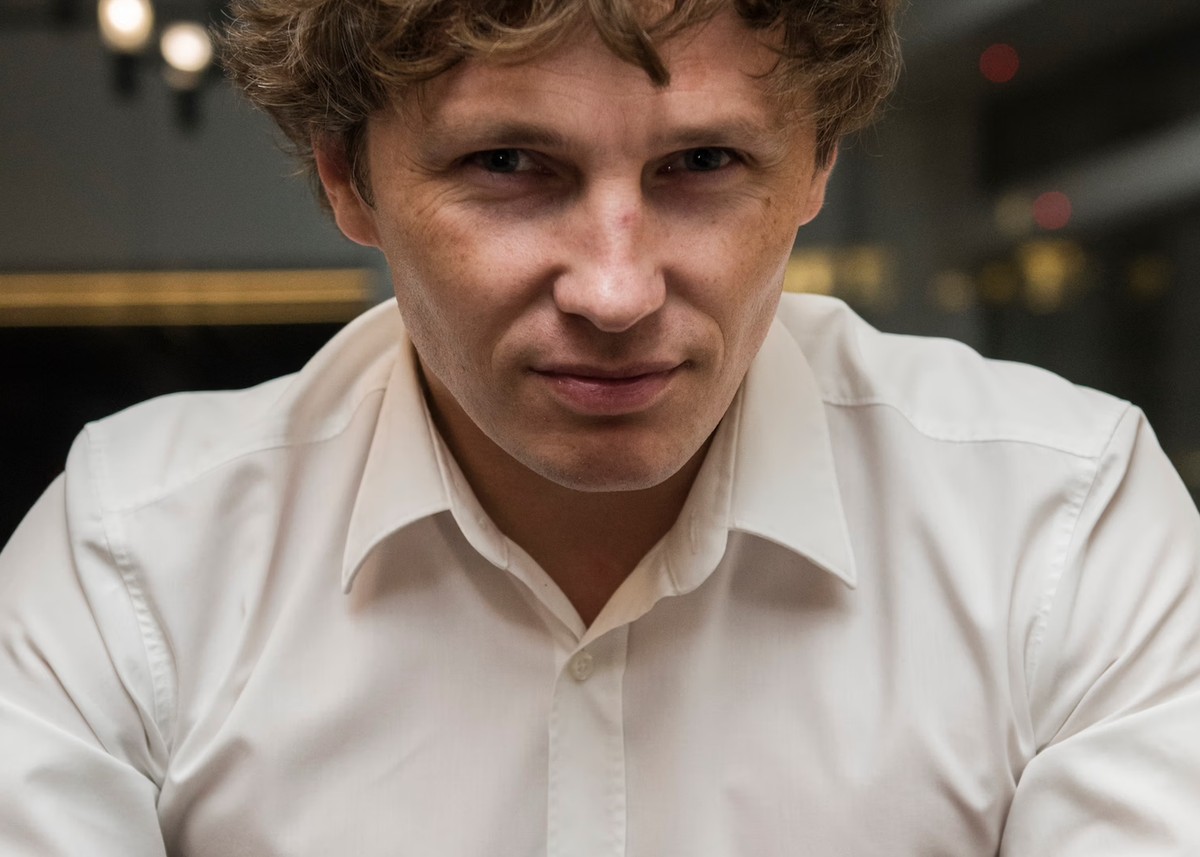
Key facts:
Estimated net worth & assets. Although precise figures are disputed, media reports peg his net worth in the tens of millions of złoty; in 2022, he claimed cryptocurrency trades netted ~44 million PLN. He also purchased one of Poland’s most expensive apartments (~23 million PLN) in the Złota 44 skyscraper.
Education & community initiatives. He founded Trading Jam Session, a community-centric platform hosting live trade sessions, workshops, and public “disclosure” of trade results. He also launched the BigShortBets token project, positioning it as a community-driven speculative vehicle.
Recognition & legal controversies. In mid-2025, a Polish court convicted Zaorski of insider trading tied to the Merlin Group / KryptoJam deal, imposing a fine of 250,000 PLN. The ruling marks a landmark case in Polish capital market regulation.
Social media & public transparency. He actively posts on X (formerly Twitter), often discussing his trading moves, admitting losses, and debating critics. He has used his public persona as both a marketing and accountability tool, broadcasting trades live to followers.
Marcin Wenus
Wenus tends to emphasize medium to long-term strategies, risk management, and blending fundamental and technical analysis across Forex, CFDs, and macro markets rather than speculative “all-in” trades.
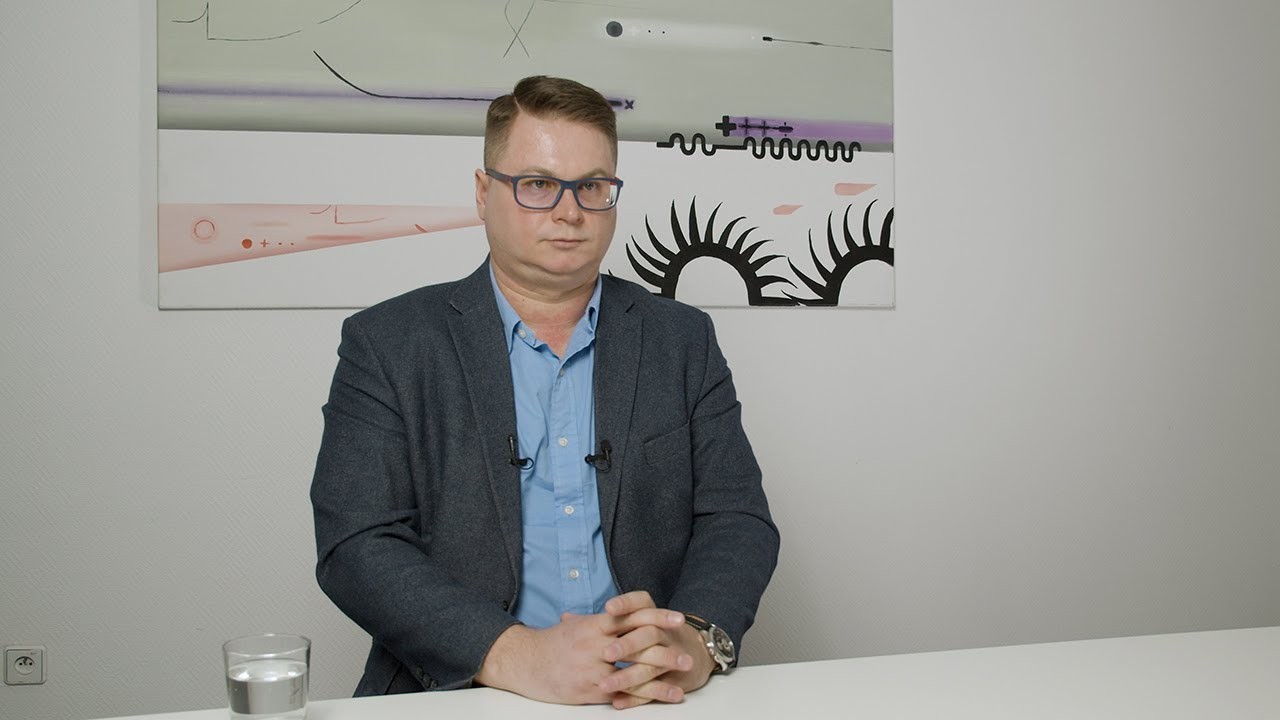
Key facts:
Estimated net worth & reach. Wenus’s personal wealth isn’t publicly confirmed, but his platforms: Comparic.pl, Comparic24.tv, and Invest Cuffs / Expo conferences, command significant influence and likely generate substantial revenue.
Educational & media contributions. He leads Comparic Media Group, which publishes analyses, market commentary, and tutorials. He also co-founded Trampki na Giełdzie, a financial literacy program oriented toward youth and families. He organizes Invest Cuffs / Expo, one of CEE’s largest investor gatherings.
Recognitions. His portal claims monthly unique users in the high six-figures, making it one of Poland’s top sites on leveraged trading and investor education. He is a frequent guest speaker at conferences across Central Europe.
Social and public engagement. On Instagram, he identifies as President of Invest Cuffs and editor of Comparic24.tv. On Investing.com, he contributes analysis and forecast posts.
Tomasz Jaroszek
He leans strongly toward long-term investing, behavioral finance, and planning. He often emphasizes patience, psychological discipline, and avoiding excessive speculation.
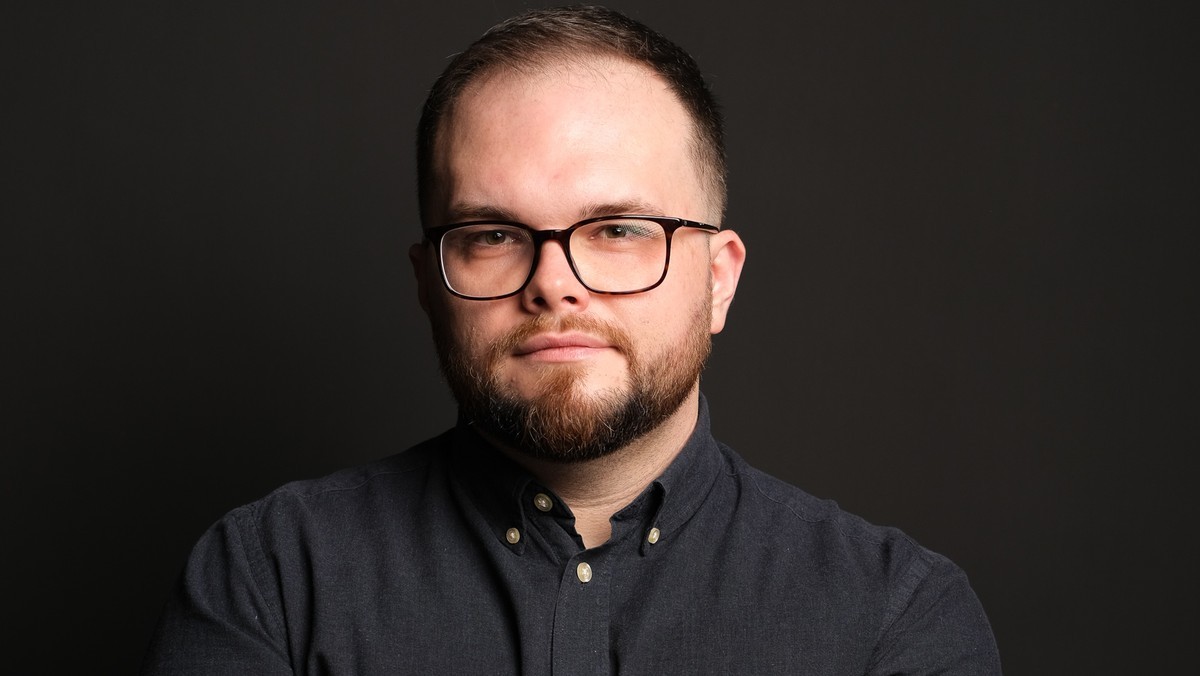
Key facts:
Wealth & reputation. Jaroszek’s net worth is undisclosed, but his influence comes mainly from media presence and writing rather than headline trade returns.
Educational publishing. Jaroszek runs Doradca.tv, producing podcasts, video courses, and blog content about investing, personal finance, and market cognition.
Public contributions. He co-authored Śladami Warrena Buffetta, guiding Polish readers through value investing principles. He often appears in media panels on investment psychology.
Social presence. He is active on YouTube and LinkedIn, sharing insights about market cycles, investor mindsets, and contrarian themes.
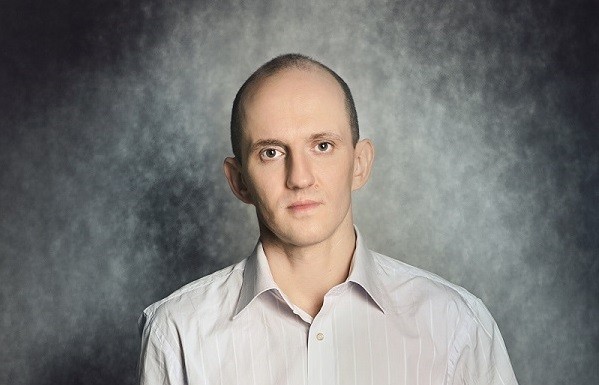
Michał Masłowski
Michał Masłowski net worth is not publicly disclosed. He is known for his leadership in investor advocacy and education.
Key facts:
Trading style. Advocates for long-term, dividend-focused investing strategies.
Educational advocacy. Vice President of the Association of Individual Investors (SII); involved in organizing educational initiatives and conferences for investors.
Recognition. Regularly featured in financial media; contributes to discussions on investor rights and market transparency.
Social presence. Engages with the investor community through various channels, promoting financial literacy and responsible investing.
Contributions of reputed traders beyond trading
Poland’s most accomplished Forex traders, including those not mentioned here, contribute to the financial ecosystem in ways that extend well beyond individual trading success.
Financial education platforms
Structured academy models. Some top traders have built or partnered with full-fledged academies that operate with semester-style modules, certification exams, mentoring pods, and alumni networks. These mirror university structures and push trading from a hobby into a career path.
Microlearning and mobile-first delivery. Recognizing that many learners access content via phones, these platforms push bite-sized lessons (5–10 minute videos, quizzes) accessible on mobile apps, raising retention and daily engagement.
Scholarships, subsidized seats, and social programs. To democratize access, top traders sometimes donate seats or subsidize costs for underprivileged students, bringing new diversity into trading circles.
Media and knowledge dissemination
Podcast series with guest experts. Beyond blogs and YouTube, top Polish traders now host podcast series featuring macroeconomists, central bank insiders, and institutional traders, bridging the gap between retail and institutional realms.
Real-time annotated trade replay. Some experts publish post-trade breakdowns with time-stamped commentary, showing their thought process on entries, exits, risk adjustments, turning their own trading into teaching tools.
Open data and indicator releases. A few prominent traders publish custom indicators, price heat maps or order flow overlays as open data (often freemium), encouraging community experimentation and trust.
Community initiatives and events
Regional “roadshow” meetups. Rather than always gathering in Warsaw, traders organize mini-conferences across cities like Gdańsk, Wrocław, Poznań, making participation easier for provincial traders.
Peer mentoring circles. Some large events now include curated mentor groups (5–10 traders per mentor) to foster accountability, small group coaching, and long-term relationships.
Quant hackathons and challenge events. Competitions where participants build strategies or EAs over a weekend, judged by veteran traders; winners may gain funding or incubation.
Advocacy and ethics in trading
Regulatory white papers and feedback submission. Leading traders and educator platforms author white papers on leverage limits, transparency, and complaint mechanisms, then submit them to KNF or MiFID committees.
Ethical code charters. Some groups now publish voluntary ethical codes (e.g. disclosure of backtest bias, no “guaranteed returns” marketing), and encourage sign-ups by smaller educators/trading firms.
Investor protection campaigns. Public campaigns or online tools to help newbies identify scams, read contracts, understand spreads/commissions, reducing fraud in the ecosystem.
Challenges faced by Forex traders in Poland
Despite Poland’s growing Forex community and increasing participation from retail investors, traders still face major obstacles that make long-term profitability difficult.
Regulatory duality blurring the trading environment
Poland’s Forex sector operates under the supervision of the Polish Financial Supervision Authority (KNF) and within the broader framework of European regulations like MiFID II and MiCA. The combination often leads to conflicting compliance requirements and confusion among traders.
Many brokers registered in other EU states operate legally in Poland but remain outside KNF’s direct control, which complicates accountability when disputes arise. The lack of a clear, unified regulatory interpretation leaves many traders unsure about taxation, leverage rules, and reporting duties.
Volatility whiplash and the illusion of leverage freedom
The Polish zloty remains highly sensitive to European Central Bank decisions, global inflation data, and energy import shifts. This creates abrupt currency fluctuations that can erase profits in minutes. Many retail traders view leverage as an accelerator of income rather than risk, leading to margin calls and account wipeouts. Without firm discipline and emotional control, traders often overtrade during volatile conditions, compounding losses.
Knowledge deserts and unstructured learning pathways
Educational inequality remains a major weakness in Poland’s trading ecosystem. While large cities like Warsaw and Wrocław offer professional seminars and courses, traders in smaller towns depend on scattered online content. Much of this material lacks accuracy, local context, or progressive learning structure.
Many beginners start live trading without proper exposure to technical or fundamental analysis. Demo trading is rarely used as a learning tool, and mentorship opportunities are limited.
Sophisticated scams disguised as mentorship and opportunity
Fraudulent schemes have evolved to exploit the rising popularity of Forex in Poland. Fake trading academies, unlicensed signal providers, and cloned brokerage websites promise unrealistic profits to lure beginners. Many operate as pyramid-style systems, profiting from referrals rather than trading results. Victims are often drawn in by polished marketing, influencer endorsements, and “verified” success screenshots that are easily fabricated.
Opportunities for new traders
Structured mentorship & micro-learning ecosystems
Beyond static courses, budding Polish traders now tap into micro-learning platforms that deliver 5- to 10-minute lessons via apps, combining video snippets, quizzes, and live chat support. Some Warsaw fintech startups partner with universities to offer applied trading labs, where students simulate FX trading as part of their curriculum.
University-backed trading research groups
Polish universities host FX / Quant trading clubs (for instance at the University of Economics in Katowice) that run weekly backtesting projects, peer-review sessions, and trading journals. These groups often get guest lectures from Warsaw brokerages, creating a bridge between academic theory and market practice.
Tiered regulated brokerage models
Polish traders can choose from brokers under full KNF licensing, EU passported operations, or hybrid models licensed in another EU jurisdiction but registered locally. The strict KNF oversight demands fund segregation, negative balance protection, and transparent slippage rules.
Lessons for aspiring Forex traders
Start with ultra-low exposure or simulation
Use a “nano-account” or sandbox mode. Begin with a practice account that allows minimal lot sizes (e.g. 0.01 micro-lots) or a fully simulated environment, so every decision has real feedback but no serious monetary risk.
Simulate full drawdowns. Run your demo account until it loses, say, 30–50% of equity, experience a bad streak psychologically, so real-trade pain is less shocking.
Shadow expert accounts. Use “copy trading” in demo mode to follow strategies of seasoned Polish traders or funds, then reverse engineer their decisions.
Decode and manage your trading mind
Map your bias spectrum. Recognize which emotional biases (loss aversion, recency bias, anchoring) you are most prone to via retrospection.
Decision cooling buffer. Before entering any trade, impose a mandatory pause (e.g. 30 seconds) to reconsider if it’s impulsive.
Mental rehearsal drills. Visualize facing a sudden loss or reverse spike while staying calm, to increase emotional resilience.
If you’re based in Poland and looking to begin your trading journey, the first step is selecting a reliable Forex broker that complies with European regulations and offers strong local support. The table below features the best Forex brokers for traders in Poland, highlighting key aspects to help you trade safely and efficiently.
| Fusion Markets | XM | Pepperstone | RoboForex | InstaForex | |
|---|---|---|---|---|---|
|
Currency pairs |
90 | 57 | 90 | 28 | 110 |
|
Min. deposit, $ |
1 | 5 | No | 10 | 1 |
|
Max. leverage |
1:500 | 1:1000 | 1:500 | 1:2000 | 1:1000 |
|
Deposit fee, % |
No | No | No | No | No |
|
Withdrawal fee, % |
No | No | No | 0-4 | 0.5-2 |
|
TU overall score |
9.2 | 9.3 | 9.25 | 9.15 | 9 |
|
Open an account |
Go to broker Your capital is at risk. |
Go to broker Your capital is at risk. |
Go to broker Your capital is at risk.
|
Go to broker Your capital is at risk. |
Go to broker Your capital is at risk. |
Refine a singular high-probability edge
Define your edge mathematically. Instead of “trend trading,” quantify it: e.g. “entries when 20-EMA > 50-EMA and RSI 30–40” so you remove vagueness and can backtest.
Layer supporting filters. Introduce secondary filters (volume spikes, volatility bands, time of day) to weed out false signals.
Rotate market regimes. Test your single edge under trending, ranging, and volatile regimes to know when it works or fails.
| Time span | Win rate | Avg reward/risk | Drawdown % | Reliability flag |
|---|---|---|---|---|
| Last 50 | 58 % | 1.8× | 8 % | good |
| Last 100 | 53 % | 1.7× | 12 % | moderate |
| Last 200 | 50 % | 1.5× | 20 % | needs retest |
Maintain a multidimensional trading journal
Track context variables. Record not just entries/exits but also macro news, central bank remarks, correlation with other pairs.
Emotion & physiology tags. Tag trades with emotional state (confident, fearful, frustrated) and physical status (tired, focused) to find links.
Post-hoc hypothesis tests. Use your journal to form mini hypotheses (e.g. “I trade worse right after lunch”) and test them over time.
Enforce ironclad risk rules
Adaptive risk scaling. Adjust your per-trade risk (0.5–1.5 %) up or down depending on recent drawdown, volatility regime, or edge confidence.
Volatility-based sizing. Use ATR or volatility bands to size trades, risk is a fixed % of capital but lot size changes with volatility.
Drawdown “off switch.” If your account suffers a drawdown beyond a set threshold (e.g. 15 %), pause trading for a cooling-off period.
Polish Forex elites time NBP moves and corporate flows to trade EUR/PLN
If you want to trade like the richest forex players tied to Poland, treat EUR/PLN as a precision instrument, not a casual pair. Build a simple “PLN liquidity clock”: track EUR/PLN spreads and order-book depth across Warsaw morning, London open, and the New York session for a few weeks on demo. You’ll spot repeatable windows where spreads tighten and where liquidity thins. Top Polish traders deliberately time limit entries into those tight windows and use short-dated options around NBP announcements to capture realized volatility while capping tail risk. As a beginner, replicate that workflow on tiny sizes: backtest 24–48 hour option outcomes around NBP rate and CPI releases, practice limit entries at London open, and treat slippage as your primary risk metric.
The other lever the wealthy exploit is local flow: corporate FX needs, Polish Treasury auctions, and EU fund disbursements create real, predictable PLN demand that big desks monetize. You can mimic this without insider access by watching the Warsaw Stock Exchange corporate calendar, Polish bond auction dates, and major energy or trade headlines; cluster those signals into “flow windows” and use small, hedged trades (for example, PLN vs another CEE currency) rather than naked directional bets.
Conclusion
The most successful Forex traders in Poland demonstrate that disciplined strategies and continuous learning are key drivers of enduring wealth in the FX market. Figures like Jan Kowalski and Piotr Nowak exemplify how leveraging both fundamental and technical analysis can propel traders to the top of their field. Their journeys highlight the importance of risk management and adaptability amid volatile market conditions. Ultimately, the richest Polish traders prove that sustained commitment and strategic innovation are more valuable than quick wins—success in Forex is earned through insight, patience, and resilience.
FAQs
What common risk management practices are prioritized by the richest Forex traders in Poland?
How do leading Polish Forex traders contribute to financial literacy and education?
What major challenges currently affect the profitability of Forex traders in Poland?
How do Poland's top Forex traders typically approach trading the EUR/PLN currency pair?
Editors' Top Picks and Insights

Pokémon cards for $2,500: How collectibles became a new form of gambling

The privacy paradox: How the crypto mixer market has changed

Is Bitcoin right for you? Five traits shared by many cryptocurrency holders

Chasing hits: Why investors are losing interest in Netflix

Tokenized stocks in the spotlight: How do they work and are they worth trading?

Do politicians make the best stock traders?
Related Articles
Team that worked on the article
Ivan is a financial expert and analyst specializing in Forex, crypto, and stock trading. He prefers conservative trading strategies with low and medium risks, as well as medium-term and long-term investments.
Dan Blystone began his trading career in 1998 as an arbitrage clerk on the floor of the Chicago Mercantile Exchange (CME). He later traded bond and Eurex futures at proprietary firms such as Altea Trading, gaining valuable experience in high-frequency trading and risk management.
Chinmay Soni is a financial analyst with more than 5 years of experience in working with stocks, Forex, derivatives, and other assets. As a founder of a boutique research firm and an active researcher, he covers various industries and fields, providing insights backed by statistical data.

-
 Afghanistan
-
 Albania
-
 Algeria
-
 Angola
-
 Argentina
-
 Armenia
-
 Australia
-
 Austria
-
 Azerbaijan
-
 Bahamas
-
 Bahrain
-
 Bangladesh
-
 Belarus
-
 Belgium
-
 Bolivia
-
 Botswana
-
 Brazil
-
 Brunei
-
 Bulgaria
-
 Cambodia
-
 Cameroon
-
 Canada
-
 Chile
Chile
-
 China
China
-
 Colombia
-
 Congo
Congo
-
 Costa Rica
-
 Cote d'Ivoire
-
 Croatia
-
 Cuba
Cuba
-
 Cyprus
-
 Czechia
-
 DR Congo
-
 Denmark
-
 Dominican Republic
-
 Ecuador
-
 Egypt
Egypt
-
 El Salvador
-
 Estonia
-
 Eswatini
-
 Ethiopia
-
 Finland
-
 France
-
 Georgia
-
 Germany
-
 Ghana
Ghana
-
 Greece
-
 Haiti
Haiti
-
 Hong Kong
-
 Hungary
-
 India
India
-
 Indonesia
-
 Iran, Islamic republic
-
 Iraq
Iraq
-
 Ireland
-
 Israel
-
 Italy
Italy
-
 Jamaica
-
 Japan
Japan
-
 Jordan
-
 Kazakhstan
-
 Kenya
Kenya
-
 Korea
Korea
-
 Kuwait
-
 Kyrgyzstan
-
 Laos
Laos
-
 Latvia
-
 Lebanon
-
 Lesotho
-
 Libya
Libya
-
 Lithuania
-
 Luxembourg
-
 Madagascar
-
 Malaysia
-
 Malta
Malta
-
 Mauritius
-
 Mexico
-
 Moldova
-
 Mongolia
-
 Montenegro
-
 Morocco
-
 Mozambique
-
 Myanmar
-
 Namibia
-
 Nepal
Nepal
-
 Netherlands
-
 New Zealand
-
 Nigeria
-
 North Macedonia
-
 Norway
-
 Oman
Oman
-
 Pakistan
-
 Palestine
-
 Panama
-
 Papua New Guinea
-
 Paraguay
-
 Peru
Peru
-
 Philippines
-
 Poland
-
 Portugal
-
 Puerto Rico
-
 Qatar
Qatar
-
 Reunion
-
 Romania
-
 Rwanda
-
 Saudi Arabia
-
 Serbia
-
 Singapore
-
 Slovakia
-
 Slovenia
-
 Somalia
-
 South Africa
-
 Spain
Spain
-
 Sri Lanka
-
 Sweden
-
 Switzerland
-
 Syria
Syria
-
 Taiwan
-
 Tajikistan
-
 Tanzania
-
 Thailand
-
 Trinidad and Tobago
-
 Tunisia
-
 Turkey
-
 UAE
UAE
-
 Uganda
-
 Ukraine
-
 United Kingdom
-
United States
-
 Uruguay
-
 Uzbekistan
-
 Venezuela
-
 Vietnam
-
 Yemen
Yemen
-
 Zambia
-
 Zimbabwe
- Forex
- Crypto











