
Silver Trading On Forex | Top Strategies To Trade XAG/USD


Editorial Note: While we adhere to strict Editorial Integrity, this post may contain references to products from our partners. Here's an explanation for How We Make Money. None of the data and information on this webpage constitutes investment advice according to our Disclaimer.
Top strategies for trading silver (XAG/USD) on Forex:
Puria method: Uses MACD and Moving Averages on the H1 timeframe.
SMA strategy: Tracks trend reversals with three moving averages.
Volume Spread Analysis: Analyzes trade volumes to confirm trends.
Silver (XAG/USD) is a unique asset on the Forex market, valued for its role as both a precious and industrial metal. Its price is influenced by global demand, production rates, and seasonal trends, offering traders opportunities for significant profits.
This article outlines key strategies, essential indicators, and factors to help you trade silver successfully.
Best silver trading strategies
Silver trading strategies on Forex have significant differences from strategies that are used for currency pairs. Let’s take some examples of top strategies successfully used by experienced traders.
Silver trading using the Puria method
The Puria method is a beginner-friendly strategy relying on two indicators: MACD and Moving Averages (MA). Most platforms like MT4 come preloaded with these tools, simplifying analysis. It tracks three moving averages: two red lines (periods 75 and 85) based on low prices and one orange line (period 8) based on close prices.
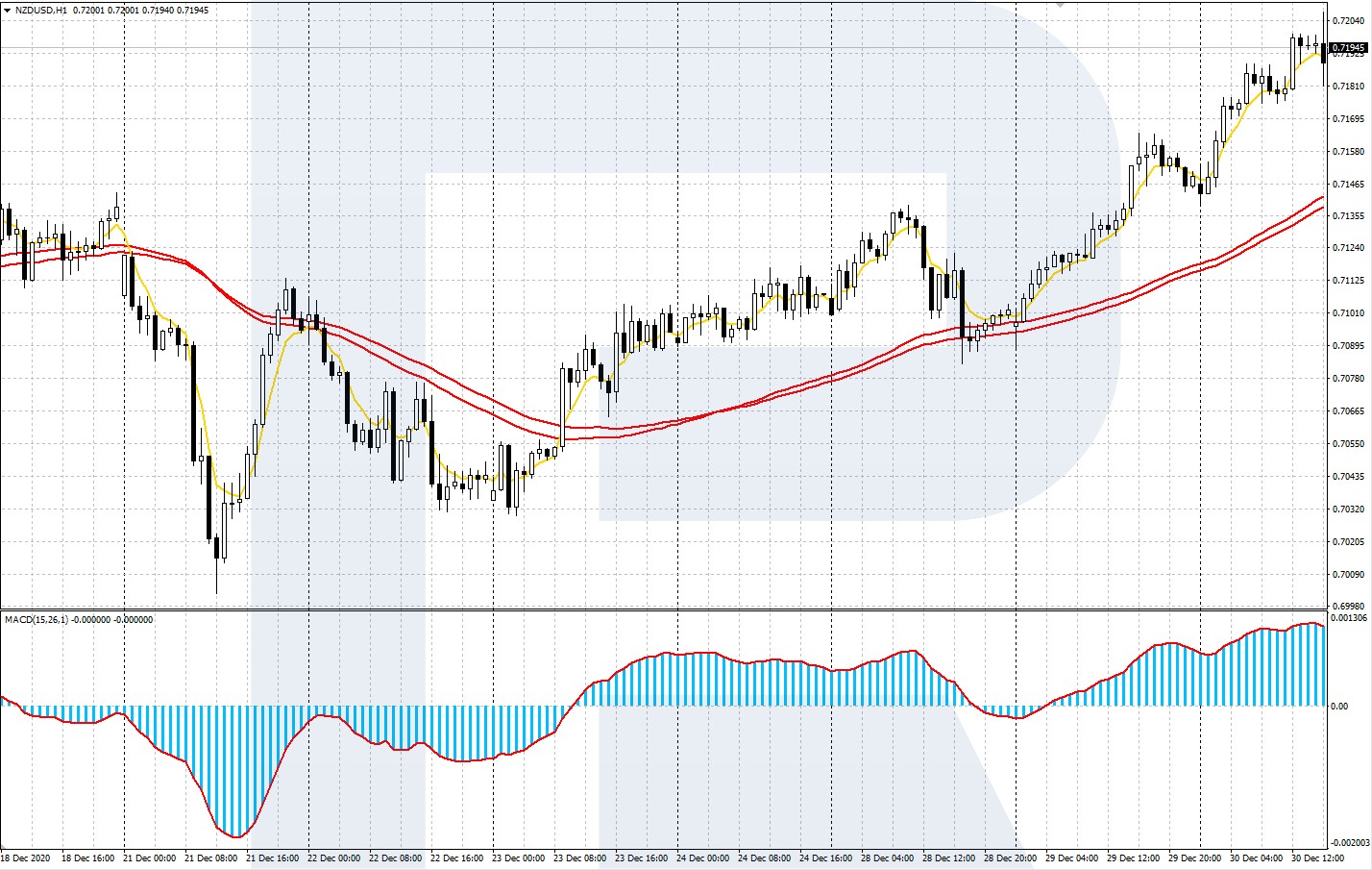
A buy signal occurs when the orange line crosses the red lines from below, confirmed by a MACD bar above zero. A sell signal appears when the orange line crosses downward, with the MACD showing a bar below zero. Trades usually occur on the H1 timeframe, offering stable opportunities for profit, though careful risk assessment remains essential.
Silver trading using the SMA indicator
The SMA strategy uses three moving averages for close prices: green (period 5), blue (period 3), and orange (period 8). A buy signal happens when the orange line crosses the green and blue lines upward, and a sell signal occurs when it crosses downward. Positions close when the orange line reverses direction. This method works well alone but can also be paired with the Puria strategy for faster results and better deposit management.
Volume Spread Analysis (VSA)
Volume Spread Analysis (VSA) is another effective approach, helping traders monitor trade volume and market activity. VSA pairs well with Price Action (PA), which identifies trends through chart patterns. Downtrends are marked by lower highs and lows, while uptrends show higher highs and lows. Key levels where price peaks or troughs consistently update are prime areas for trade entry. Traders open positions when a trend reversal is confirmed and close them as soon as the pattern shifts.
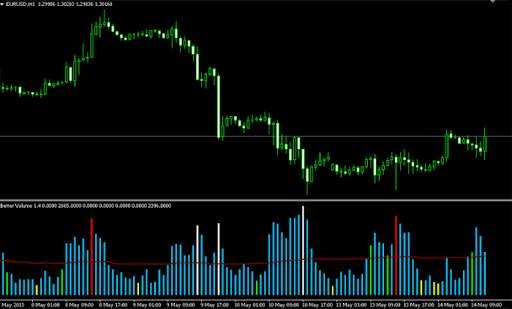
In trading, patterns reflect predictable price movements. Whether using Puria, SMA, or combining VSA with Price Action, the key is spotting these movements early, timing trades carefully, and reacting as patterns evolve.
Historical overview of silver trading
To understand silver trading, let’s start with the basics. Silver, known as Argentum in Latin, has been valued as a precious metal since the 4th millennium BC. Unlike other metals, it’s often found in its natural form, requiring no smelting.
Historically, silver was primarily used for coinage, jewellery, and utensils. With technological advances, its role expanded to mirrors, electroplating, and electrical appliances. This dual status — as both a precious and industrial metal — explains its stable price on the Forex market and its reputation as a defensive asset.
While silver is the third most traded raw material after oil and gold, its liquidity lags far behind gold. Still, trading volume remains sufficient to apply strategies across various timeframes.
In recent decades, silver experienced a strong uptrend, peaking in 2011 before falling sharply to $14–15 by 2013. Unlike gold, which stabilized faster, silver entered a flat, sideways trend before regaining balance.
Current trends
Overall, silver has been rising steadily in recent years, and there is no reason to think that this long-term trend will change.
Nevertheless, the potential of explosive movement in this metal is low, it is several times inferior to the potential of gold.
There is a certain correlation between gold and silver, these metals are usually subject to the same trends.
It means that if gold goes down shortly, the "little brother" is sure to repeat this downfall.
General information regarding silver trading on the Forex market
The XAG designation is how silver is labeled on the Forex and its most popular pairing is XAG/USD. The asset is traded in the soi-disant troy ounces, where one troy ounce is equal to 31.1034768 grams. The futures contracts in most cases contain 100 units of the trading instrument. So, for example, if the price of an ounce of silver on Forex is $14, then a futures contract would be worth $1400.
Since it’s comfortable to trade on Forex in split lots, the trader can buy/sell just one troy ounce. And here it is important to note that currency pairs in Forex do not have tickers (abbreviations), instead, international codes are used (EUR, USD, etc). Precious metals have tickers, but silver can be written not only by the code XAG. Another designation of silver on Forex is SILV. This ticker is commonly used by many brokers in their trading terminals.
Because the "moon metal" experiences constantly high volatility, it often allows traders to employ aggressive strategies to achieve large profits via moderate costs. And given silver’s constant dependence on gold and the general trends in the commodity market, the movement of quotations is predicted quite successfully.
Factors affecting silver quotes
Industrial demand spikes. Silver is used a lot in tech gadgets, solar panels, and medical tools. Tech breakthroughs or green energy projects can raise demand, making prices climb fast.
Supply chain disruptions. Most silver comes from a few countries like Mexico and Peru. Issues like strikes or new environmental laws there can limit supply and make prices jump quickly.
Global economic sentiment. Silver acts both as a tech metal and a safe investment. When the economy looks shaky, people buy silver to protect their wealth, driving prices up.
Currency strength shifts. Since silver is priced in U.S. dollars, a weaker dollar makes it cheaper for international buyers, increasing demand. A stronger dollar can pull prices down.
Emerging technologies. Future tech like electric car batteries and 5G networks could boost demand for silver due to its excellent electrical conductivity, driving prices higher in the long run.
Main producers of raw materials
Germany
Spain
Peru
Chile
Mexico
China
Canada
USA
Australia
Poland
Russia
Kazakhstan
The silver market is largely consolidated, with a few major companies controlling production. Price movements often align due to shared output capacities and overlapping industries, such as electrical engineering, where both silver and gold are widely used.
Seasonal trends also play a unique role in silver trading. For instance, the Indian wedding season, which runs from December to March, sees a surge in demand for jewellery. This increases the price of precious metals, with silver acting as a cheaper alternative to gold. As gold prices rise during this period, silver’s market value often accelerates in response.
Beyond seasonal factors, silver prices are influenced by broader economic and political events. Developments like advancements in mining technology, breakthroughs in inorganic chemistry, new players entering the market, or bankruptcies of major mining companies can significantly impact silver’s value. While such factors are irrelevant for currency pair traders, they are vital for those trading precious metals.
Peculiarities of silver trading in Forex | Basic indicators and forecasting
Trading the silver/dollar pair on Forex often involves pending stop orders and corrections. This asset typically sees risk control breaches before rebounding 2-3% within a day. Silver isn’t ideal for beginners; oil and gold are better for honing skills in commodities trading.
In a stable sideways market, the RSI (Relative Strength Index), developed by W. Wilder in 1978, remains one of the most reliable indicators for silver. Additionally, the MACD (Moving Average Convergence/Divergence) and SMA (Simple Moving Average) offer valuable insights for traders.
For counter-trend strategies, the Price Channel (PC), a key Envelope indicator, is often applied to silver. While liquidity issues can arise in the 15-minute timeframe, the hour timeframe provides smoother trading conditions.
Silver can be traded on the Forex, futures, and options markets. In Forex, it is typically available via CFDs provided by brokers. To avoid getting caught in market noise — known as the 'saw' effect — it’s important to use wide stop orders.
A striking example of silver trading in Forex
The easiest way to trade silver and gold is through binary options. Virtually any broker provides the appropriate functionality in their trading platform. You need to choose the precious metal you are interested in, enter the amount of investment, see the forecast and compare it to your analysis.
An option is a futures market instrument, so it is open for a certain period. Therefore, it is necessary to set the time when the option will stop working. By that time, the price per ounce of silver on the Forex will change, our task is to predict how exactly it will change, whether it will rise or fall compared to its current value.
| Silver | Demo | Min. deposit, $ | Deposit fee, % | Withdrawal fee, % | Regulation level | TU overall score | Open an account | |
|---|---|---|---|---|---|---|---|---|
| Yes | Yes | 100 | No | No | Tier-1 | 7.7 | Go to broker 81% of retail CFD accounts lose money. |
|
| Yes | Yes | No | No | No | Tier-1 | 6.63 | Go to broker Your capital is at risk. |
|
| Yes | Yes | 100 | No | No | Tier-1 | 6.47 | Study review | |
| Yes | Yes | 1 | No | No | Tier-1 | 6.38 | Study review | |
| Yes | Yes | No | No | Yes | Tier-1 | 6.37 | Study review |
What else to bear in mind when trading silver
Silver quotes on Forex can fluctuate 60-70% annually, compared to 20% for most national currencies, even during global crises. Unlike short-term movements, commodity assets like silver often follow long 10-15-year trends, making them viable for short-, medium-, and long-term strategies.
Currently, over 50% of mined silver is used in industry — a trend that continues to grow. Increased demand in medicine and meteorology has pushed countries, especially China, to modernize production, surpassing Australia, Canada, and the U.S.
During crises, reduced industrial consumption can drive silver prices lower, similar to oil's collapse due to falling demand and rising shale production. Though silver is considered a second-tier instrument after oil and gold, traders often use it for diversification within broader strategies, offering a practical edge without being the primary focus.
Time silver trades around U.S. events and track institutional buying for success

Trading silver (XAG/USD) on Forex isn’t just about charts — it’s about timing trades when important U.S. economic news hits. Since silver is linked to the U.S. dollar, watch reports like Non-Farm Payrolls, inflation updates, and Federal Reserve rate decisions. These events can make prices jump fast. Set orders ahead of time, about 15-20 pips from the current price, to catch profitable moves when big news drops.
Another smart move is to mix chart tools with trader behavior insights. Use the Relative Strength Index (RSI) with the Commitment of Traders (COT) report, which shows if big players are buying or selling silver contracts. If institutional buyers are going long and RSI shows silver is oversold, it’s likely a strong buy signal. This cuts down on fake signals and helps you trade better.
Conclusion
Silver trading on Forex offers distinct opportunities for savvy traders who understand its unique blend of precious and industrial value. Leveraging strategies like the Puria method or Volume Spread Analysis can help navigate its high volatility and profit from predictable long-term trends. Monitoring US economic events and institutional buying behavior further sharpens your edge, as silver prices often react swiftly to such catalysts. Ultimately, successful silver trading hinges on combining technical tools with smart timing and trader sentiment analysis, making it a robust choice for diversification and decisive action.
FAQs
What are the main differences between trading XAG/USD and standard currency pairs on Forex?
Which technical indicators are most reliable for predicting trends in XAG/USD trading?
How do seasonal trends like the Indian wedding season affect silver prices on Forex?
What timeframes are most suitable for trading XAG/USD on the Forex market?
Editors' Top Picks and Insights




Related Articles
Team that worked on the article
Alamin Morshed is a contributor at Traders Union. He specializes in writing articles for businesses that want to improve their Google search rankings to compete with their competition.
Dan Blystone began his trading career in 1998 as an arbitrage clerk on the floor of the Chicago Mercantile Exchange (CME). He later traded bond and Eurex futures at proprietary firms such as Altea Trading, gaining valuable experience in high-frequency trading and risk management.
Chinmay Soni is a financial analyst with more than 5 years of experience in working with stocks, Forex, derivatives, and other assets. As a founder of a boutique research firm and an active researcher, he covers various industries and fields, providing insights backed by statistical data.
Scalping in trading is a strategy where traders aim to make quick, small profits by executing numerous short-term trades within seconds or minutes, capitalizing on minor price fluctuations.
CFD is a contract between an investor/trader and seller that demonstrates that the trader will need to pay the price difference between the current value of the asset and its value at the time of contract to the seller.
Index in trading is the measure of the performance of a group of stocks, which can include the assets and securities in it.
Volatility refers to the degree of variation or fluctuation in the price or value of a financial asset, such as stocks, bonds, or cryptocurrencies, over a period of time. Higher volatility indicates that an asset's price is experiencing more significant and rapid price swings, while lower volatility suggests relatively stable and gradual price movements.
Forex trading, short for foreign exchange trading, is the practice of buying and selling currencies in the global foreign exchange market with the aim of profiting from fluctuations in exchange rates. Traders speculate on whether one currency will rise or fall in value relative to another currency and make trading decisions accordingly. However, beware that trading carries risks, and you can lose your whole capital.

-
 Afghanistan
-
 Albania
-
 Algeria
-
 Angola
-
 Argentina
-
 Armenia
-
 Australia
-
 Austria
-
 Azerbaijan
-
 Bahamas
-
 Bahrain
-
 Bangladesh
-
 Belarus
-
 Belgium
-
 Bolivia
-
 Botswana
-
 Brazil
-
 Brunei
-
 Bulgaria
-
 Cambodia
-
 Cameroon
-
 Canada
-
 Chile
Chile
-
 China
China
-
 Colombia
-
 Congo
Congo
-
 Costa Rica
-
 Cote d'Ivoire
-
 Croatia
-
 Cuba
Cuba
-
 Cyprus
-
 Czechia
-
 DR Congo
-
 Denmark
-
 Dominican Republic
-
 Ecuador
-
 Egypt
Egypt
-
 El Salvador
-
 Estonia
-
 Eswatini
-
 Ethiopia
-
 Finland
-
 France
-
 Georgia
-
 Germany
-
 Ghana
Ghana
-
 Greece
-
 Haiti
Haiti
-
 Hong Kong
-
 Hungary
-
 India
India
-
 Indonesia
-
 Iran, Islamic republic
-
 Iraq
Iraq
-
 Ireland
-
 Israel
-
 Italy
Italy
-
 Jamaica
-
 Japan
Japan
-
 Jordan
-
 Kazakhstan
-
 Kenya
Kenya
-
 Korea
Korea
-
 Kuwait
-
 Kyrgyzstan
-
 Laos
Laos
-
 Latvia
-
 Lebanon
-
 Lesotho
-
 Libya
Libya
-
 Lithuania
-
 Luxembourg
-
 Madagascar
-
 Malaysia
-
 Malta
Malta
-
 Mauritius
-
 Mexico
-
 Moldova
-
 Mongolia
-
 Montenegro
-
 Morocco
-
 Mozambique
-
 Myanmar
-
 Namibia
-
 Nepal
Nepal
-
 Netherlands
-
 New Zealand
-
 Nigeria
-
 North Macedonia
-
 Norway
-
 Oman
Oman
-
 Pakistan
-
 Palestine
-
 Panama
-
 Papua New Guinea
-
 Paraguay
-
 Peru
Peru
-
 Philippines
-
 Poland
-
 Portugal
-
 Puerto Rico
-
 Qatar
Qatar
-
 Reunion
-
 Romania
-
 Rwanda
-
 Saudi Arabia
-
 Serbia
-
 Singapore
-
 Slovakia
-
 Slovenia
-
 Somalia
-
 South Africa
-
 Spain
Spain
-
 Sri Lanka
-
 Sweden
-
 Switzerland
-
 Syria
Syria
-
 Taiwan
-
 Tajikistan
-
 Tanzania
-
 Thailand
-
 Trinidad and Tobago
-
 Tunisia
-
 Turkey
-
 UAE
UAE
-
 Uganda
-
 Ukraine
-
 United Kingdom
-
United States
-
 Uruguay
-
 Uzbekistan
-
 Venezuela
-
 Vietnam
-
 Yemen
Yemen
-
 Zambia
-
 Zimbabwe
- Forex
- Crypto












