
Best Free-to-Play NFT Games



Editorial Note: While we adhere to strict Editorial Integrity, this post may contain references to products from our partners. Here's an explanation for How We Make Money. None of the data and information on this webpage constitutes investment advice according to our Disclaimer.
Best Free-to-Play NFT Games:
Gods Unchained: a top-rated trading card game with play-to-earn rewards.
Splinterlands: a card-based strategy game similar to Gods Unchained.
Axie Infinity: requires an initial investment but offers great earning potential.
Cryptokitties: a classic collectible game still popular after 5+ years.
Chainmonsters: pokémon-inspired NFT game featuring trading and battles.
Play-to-earn (P2E) NFT games have grown significantly since they began. In February 2017, CryptoBots launched as the first P2E NFT game, combining collectible RPG elements with space adventure strategy. This game allowed players to own in-game assets with verified authenticity and scarcity, starting the NFT gaming trend.
By 2024, P2E gaming has expanded across platforms like Windows, Linux, Android, and iOS. Players can access various free and paid games, including action, RPG, and strategy genres. These games let players earn cryptocurrencies, which can be converted into real money. With a growing global gaming community and blockchain technology’s rise, P2E NFT games offer an exciting way to earn while playing.
Let’s explore what free-to-play NFT games are, how you can make money with them, and the top 10 projects you should check out.
Best free-to-play NFT games
There is an incredible diversity of old and new NFT games. There are over 500 of projects of all genres on aggregator websites. We have collected the best NFT games with an option of money withdrawal based on user reviews and expert analysis. One of the criteria was the F2P format of the game, which means that you can play and earn in these projects without making investments.
Gods Unchained
Gods Unchain ranks first in almost all independent ratings of free-to-play NFT games. It is a multiplayer trading card game. The game mechanics involve building your own deck of cards to fight with other players. Wins improve players’ ratings, opening access to harder battles with unique cards as a prize. It strongly resembles Hearthstone and its clones.
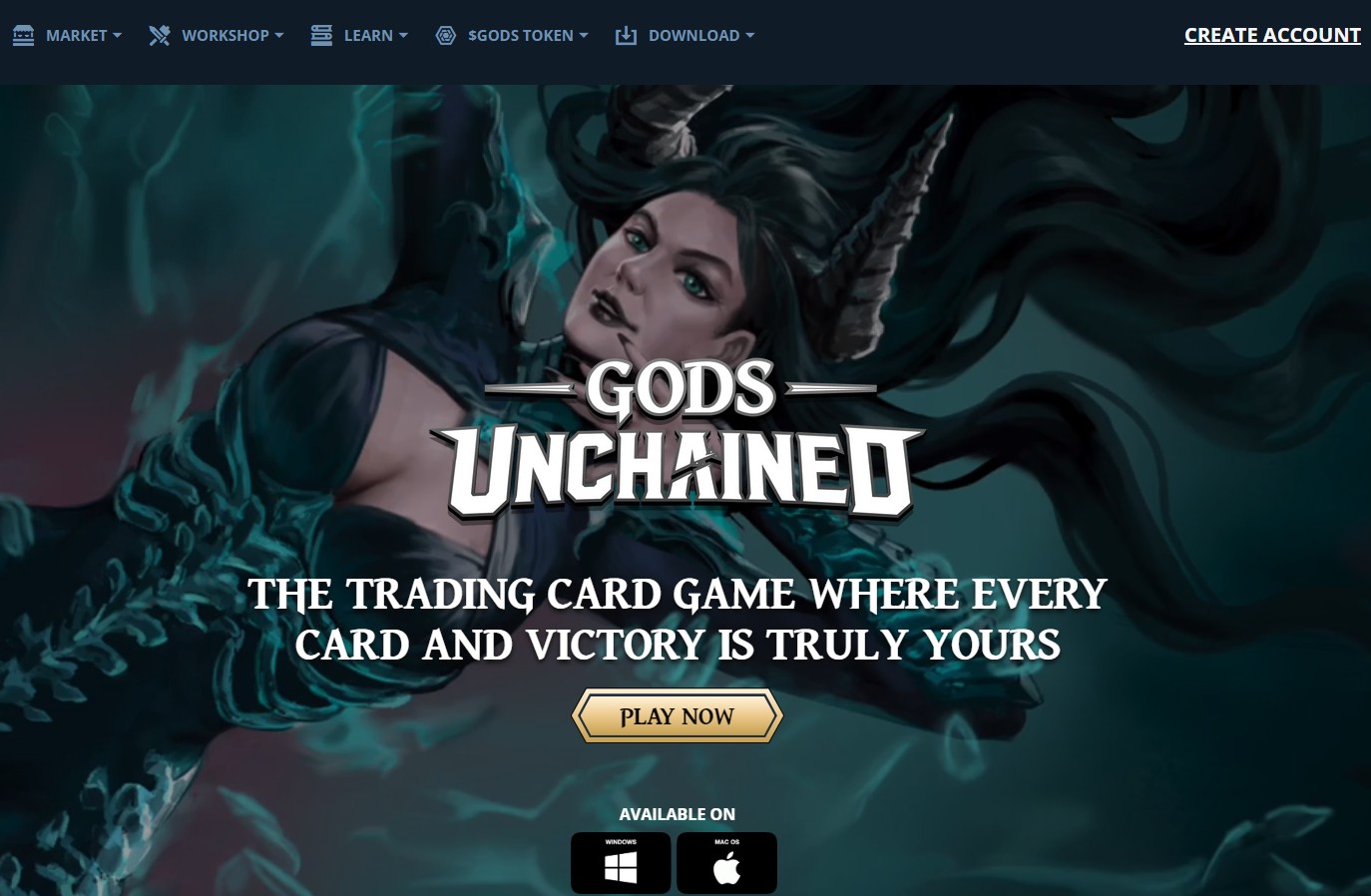
Every unique card is an NFT token. The exceptions are starter cards. A player can create a copy of a unique card for Flux (in-game currency) and “mint” the card on the Ethereum blockchain, turning it into a non-fungible token that can be sold at a marketplace. Players playing against each other must have similar decks, which means that you cannot buy many cool cards and win all the time.
Splinterlands
This free-to-play NFT game is essentially a clone of Gods Unchained. Players here also assemble decks and battle each other, improving their rating and a chance to win a unique card. You can get cards by buying random boosters or buying cards from an NPC seller for in-game currency. Not cards, but decks are converted into NFTs.
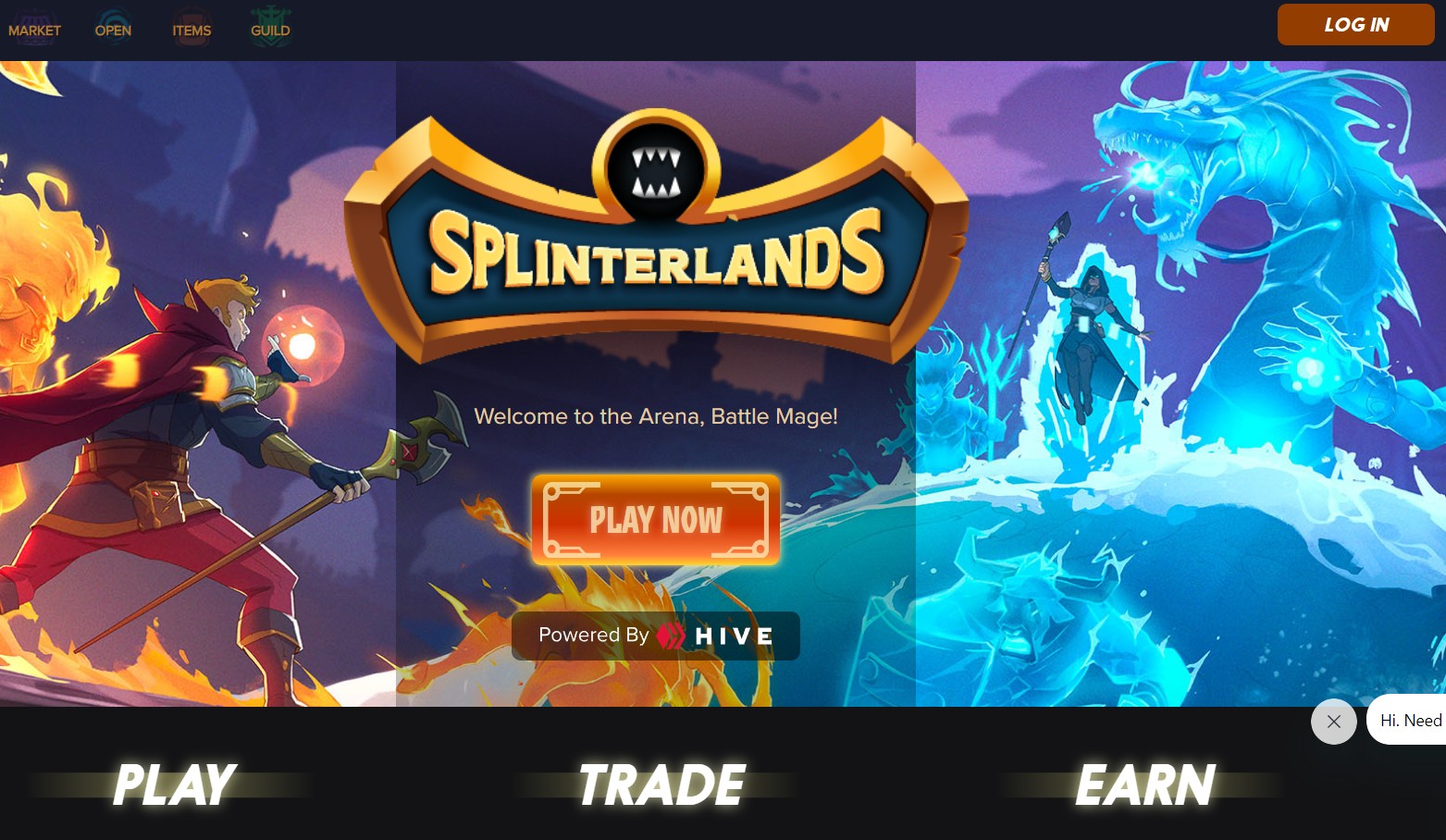
Unlike Gods Unchained, this game runs on the Hive blockchain, not Ethereum. There are several unique mechanics, like seasonal rewards and levelling up of cards. The important feature is that a player’s rating does not drop if he/she loses. This encourages players to battle more, as they do not risk anything.
Axie Infinity
Do be surprised that we included this project in the free-to-play NFT games rating. The game does require initial investment, but first things first. The game genre is pet simulator and strategy. Players breed and collect creatures, Axies (like Axolotl salamanders), form teams of them and battle each other for a rating in the arena.
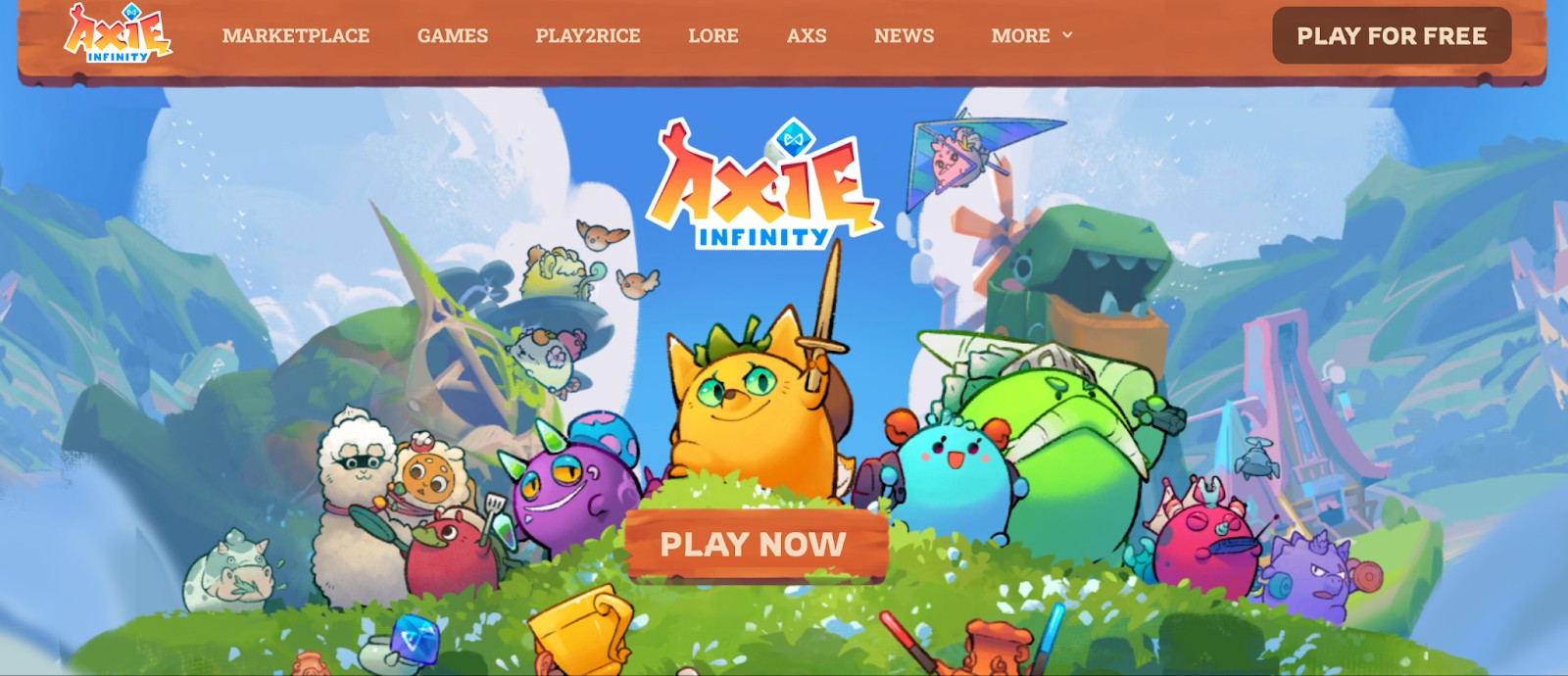
These creatures are NFTs bought and sold at an integrated marketplace. The first team of three creatures can only be bought. The price depends on the market; it’s USD 200-500 on average for three creatures. All transactions are performed in the governance token, AXS, which can be withdrawn to an external wallet, if necessary.
So, what is this project doing in our rating of the best free-to-play NFT games? The thing is that the administration supports the following practice: a new player can strike an agreement with a ‘game veteran’ for the latter to give him several creatures to start for a share of future profits. It is easy to find a player who is prepared to help you start playing for free on the official Axie Infinity forum or in specialized communities.
Cryptokitties
Despite the variety of new NFT games with unique mechanics, Cryptokitties are still quite popular. The game is 5 years old and the fact that it is still trending speaks volumes. It is also a pet simulator but without battles. A player receives the first pair of kitties for free, feeds them, takes care of them and as a result, they bring new kitties. All cats, except for the first two, can be bought and sold. Each represents an NFT.
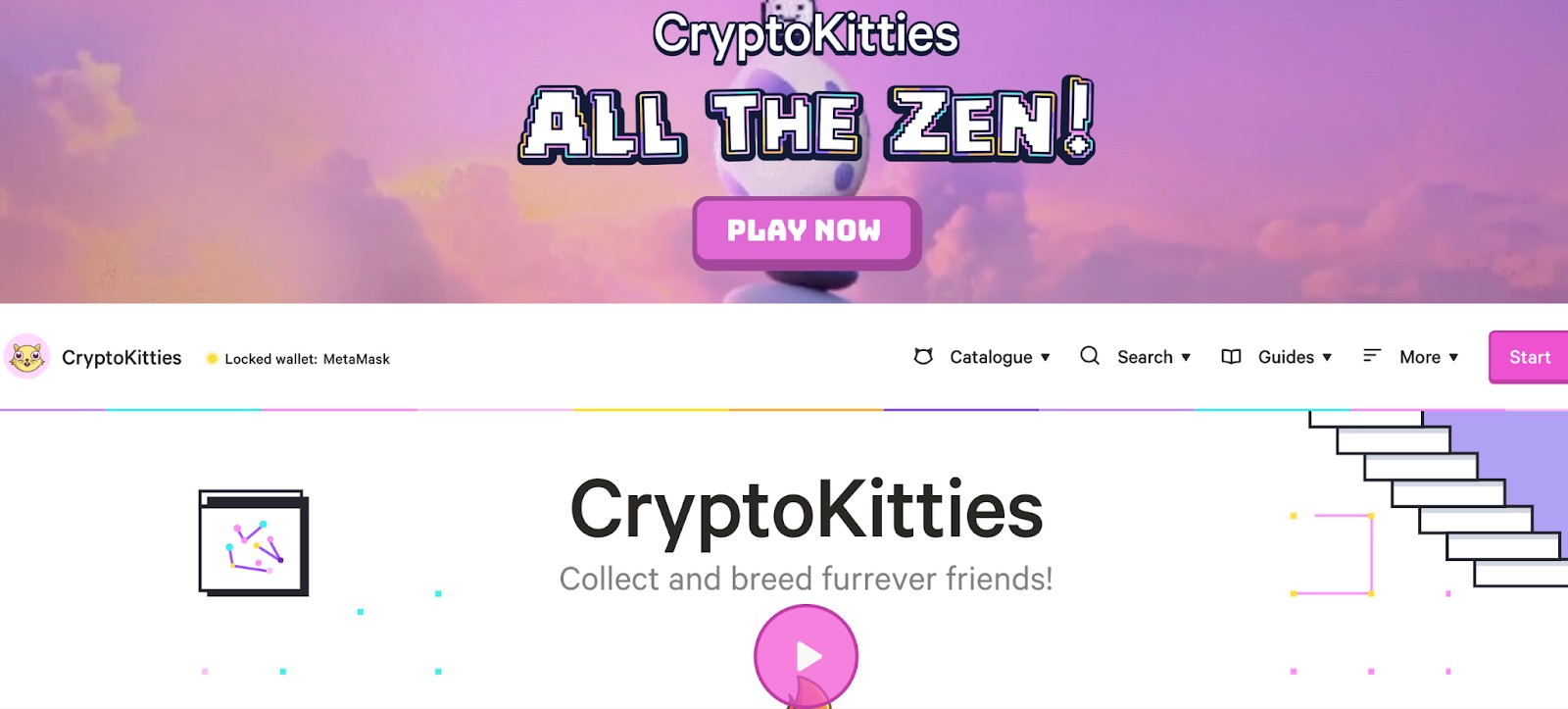
The kittens differ in appearance and rarity. Rarer ones are obtained from complex combinations of pedigrees. And there is also the generation criterion: the higher it is the more unique characteristics the creature has. Every action of a player requires Tether, but everything is more than paid off if you manage to sell a rare cat (also for Tether).
Chainmonsters
This is a unique project in many ways. It is currently at the stage of alpha testing, but you can already play the game for free. This NFT game resembles the popular Pokémon. A player travels the world, catches monsters, grows them and participates in tournaments. For each action, he pays with the in-game currency, which he earns for achievements and victories. All Chainmons, the monsters, are NFTs that players will be able to sell.
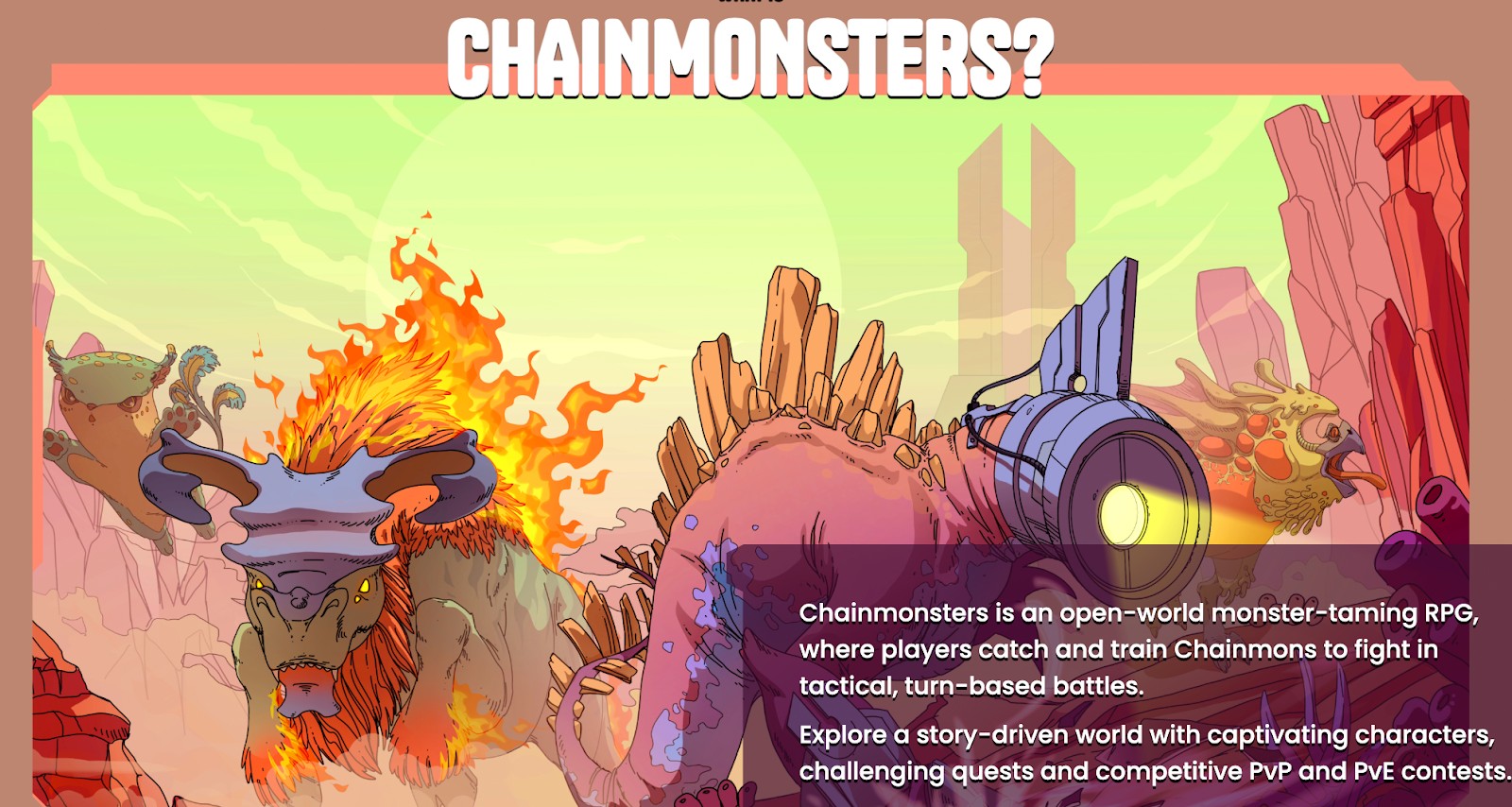
The peculiarity of the game is in its scale. The game card is already available on Stream and other major platforms. The versions for PlayStation and Xbox are expected to come out around the same date. In addition to monsters, all in-game items are represented as NFTs, including equipment for battles. The game runs on the Flow blockchain.
Guild of Guardians
This is a new NFT game released in 2023. It is an MMORPG in a fantasy setting. At the moment, the pre-alpha testing is in the final stage; the game is being developed for Android and iOS. It is fully free.
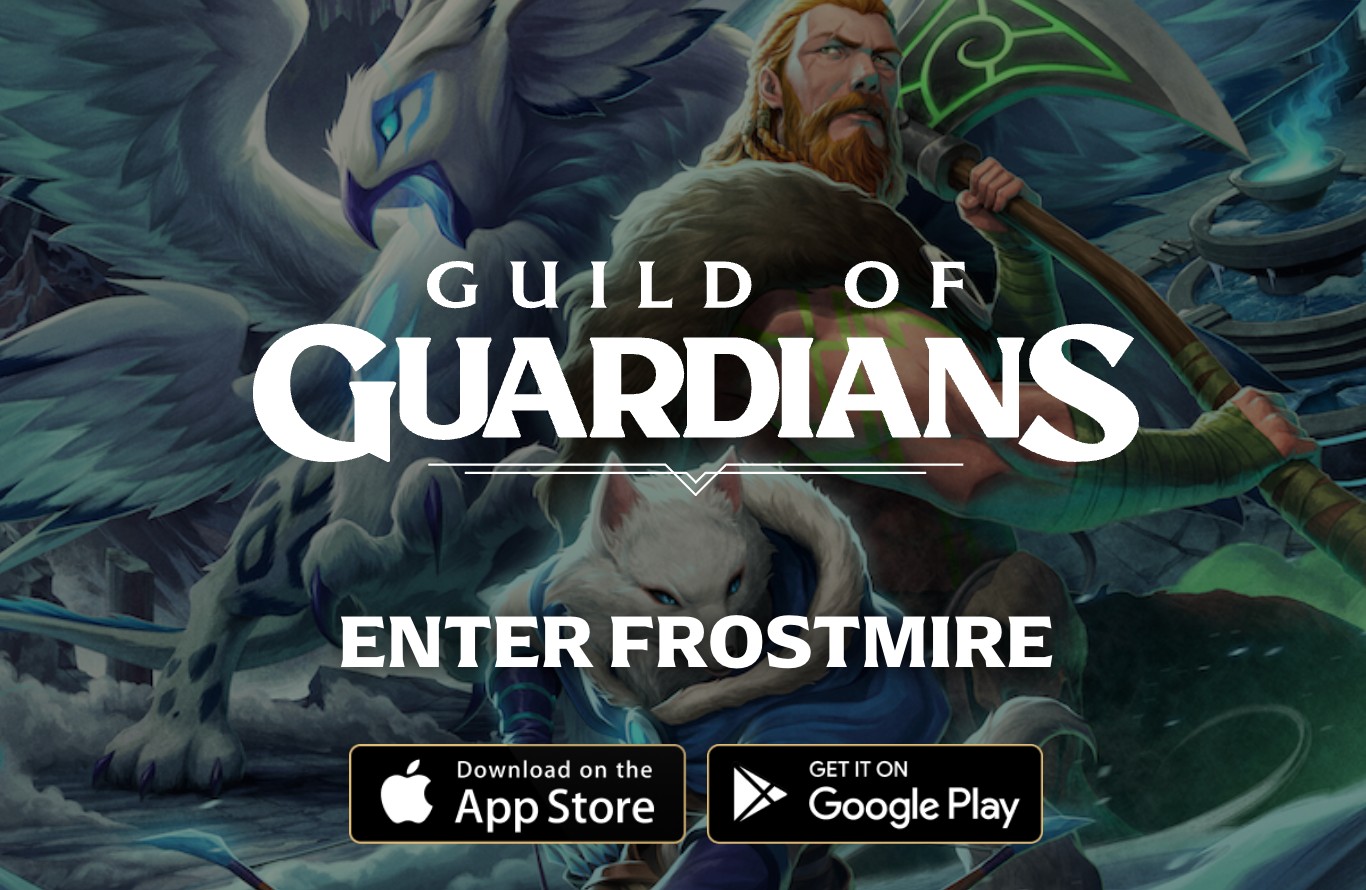
The mechanics of the game involve building a team of Guardians and passing dungeons with raid bosses in the end. While passing the dungeons and in the final battle, a player receives resources to “craft” rare items and characters. The items and characters are NFTs, bought and sold at the in-game marketplace.
The trick of the game is that you can pass dungeons only as a part of a guild formed by groups of players. The more players in the guild, the higher the reward. The game features many additional mechanics, including pets and boosters. It runs on the Immutable X blockchain and requires connecting the MetaMask wallet.
Blankos Block Party
This is a new NFT game released in 2023. It is a free-roam open-world multiplayer action. A player is given a virtual avatar, and he is tasked with simple assignments (find a location, kill a monster, etc.). For completion of these tasks, he receives Blankos, which are cheap NFTs. At the end of the chain of tasks, a player receives a more expensive NFT (usually a new avatar).
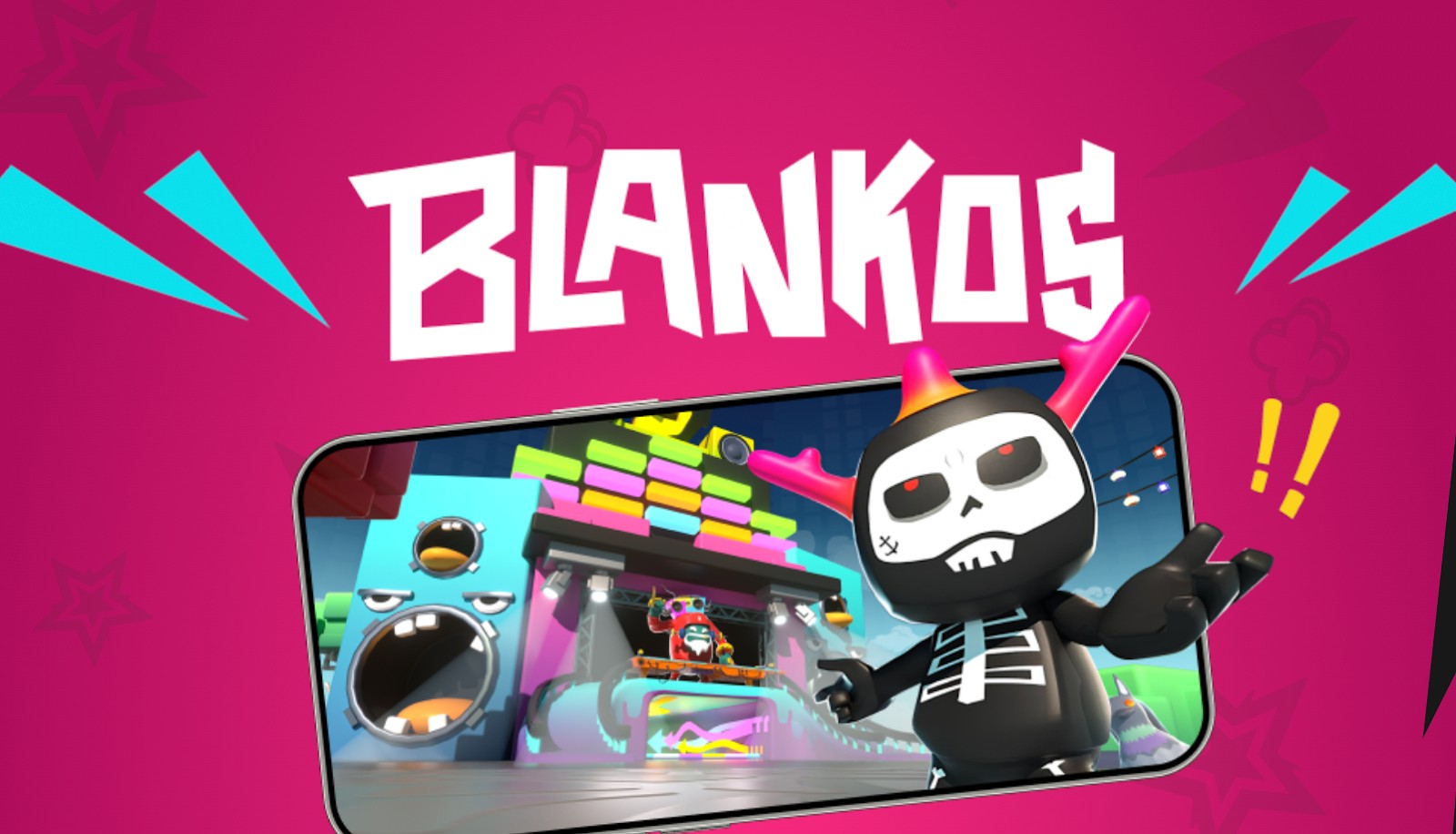
There are tournaments between players, the winners of which also get Blankos. Many mechanics in the game allow you to earn either NFTs or BB (in-game currency you can use to buy or sell NFTs). The game is exciting and entertaining and with nice graphics. The game is available for Windows and MacOS.
Illuvium
The game is auto chess like League of Legends Teamfight Tactics. The difference is that all characters are captured in a gaming world and represent NFTs that can be bought or sold. The in-game currency is ILV (it is a token of the Ethereum blockchain).
The game is currently at the stage of open beta testing and is available on PCs. It looks original and interesting, with many mechanics and winning strategies. It requires perseverance and developed logical thinking. Earned ILVs can be withdrawn to an external wallet, and characters can be sold at the marketplace.
Mir 4
Mir 4 is pretty much the only NFT game that is approaching the AAA class. It is fully 3D with excellent graphics and it is cross-platform, which means it can be played on a PC, Android or iOS device. A player chooses one of the classes and participates in various PVP and PVE events, including raids of up to 50 players.
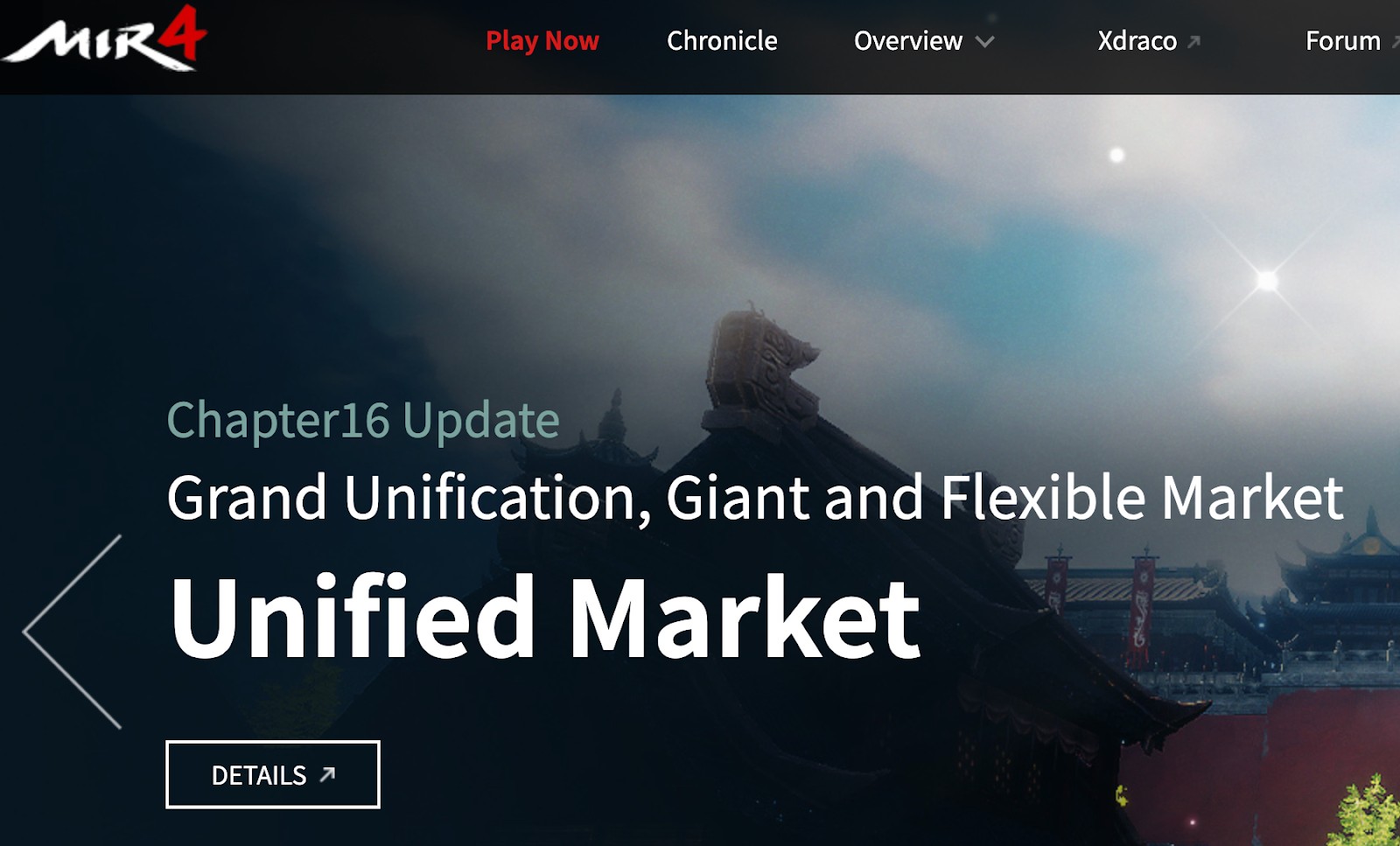
For achievements, a player receives in-game currency called Darksteel, which can be exchanged for DRACO. It is a token issued by WeMade that can be withdrawn and converted into other crypto or fiat money. However, it is not the basis for players’ earnings. The thing is that high-level characters are NFTs, which are freely traded at an integrated marketplace.
Coin Hunt World
This is not an NFT game, but it is rightly included in all similar ratings. It is an augmented reality MMO, something like Pokémon GO! Players explore their cities using a digital map and collecting virtual keys.
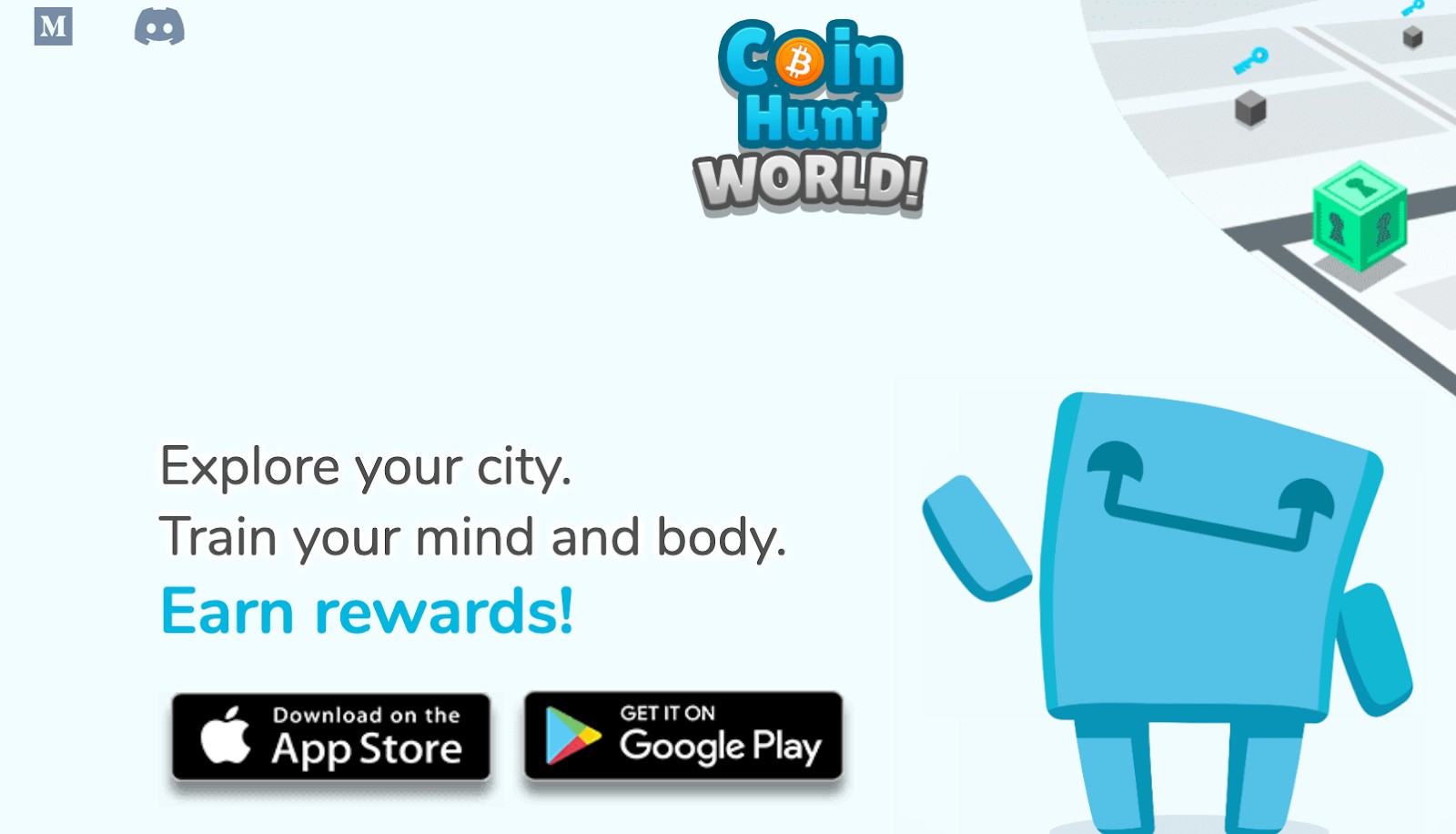
When a player has enough keys, he/she is prompted with a trivia question. If answered correctly, the player is rewarded BTC or ETH. The game is free and the earned money can be withdrawn, although to reach success you will have to run around your city.
What are NFT games and why they are popular
NFT games are video games that use non-fungible tokens (NFTs) to represent in-game assets like characters, items, or virtual land. These NFTs are stored on a blockchain, ensuring asset ownership and allowing players to trade or sell them outside the game.
Why NFT games are popular
True ownership. Players genuinely own in-game assets, enabling sales or trades for real-world value.
Play-to-earn potential. Many games reward players with valuable tokens or items that can be traded or sold.
Community-driven. Strong player communities create interactive and collaborative gaming environments.
Innovative gameplay. Blockchain technology introduces new gaming experiences and economic models.
Types of NFT games
Play-to-earn (P2E) games. Players earn rewards such as NFTs or cryptocurrencies by participating in various gameplay activities. These rewards can be traded, sold, or used within the game, providing real-world value.
Trading card games. These games involve collecting, trading, and using digital cards represented as NFTs. Players build decks and engage in strategic battles, with each card having unique attributes and values.
Virtual worlds (metaverse) games. These games offer expansive virtual environments where players can own, build, and trade virtual properties or assets. Ownership of in-game assets like land, buildings, and avatars is secured through blockchain technology.
Role-playing games (RPGs). Players assume the roles of characters, completing quests and adventures. NFTs can represent characters, equipment, and collectibles, giving players full ownership of their in-game progress and items.
Simulation games. These games simulate real-world activities like farming, business management, or city-building. Players can own virtual assets such as land, crops, or equipment, which can be traded or sold as NFTs.
Sports and racing games. Players manage sports teams, athletes, or vehicles, with NFTs representing these assets. They can trade, improve, and compete using these digital collectibles in competitive events.
Strategy games. These games emphasize tactical decision-making, where players control units or factions. NFTs can represent key game assets such as characters, equipment, or buildings, enabling deeper customization and competitive gameplay.
Current trends in NFT games
The NFT gaming industry is evolving rapidly, driven by key trends shaping its future.
Integration of utility NFTs. Developers are adding real-world benefits to NFTs, such as access to exclusive events or in-game privileges. This enhances the value of NFTs by offering tangible applications.
Tokenization of real-world assets. Games are tokenizing assets like real estate and luxury items, enabling fractional ownership and investments within virtual environments. This broadens access to high-value assets and engages players.
Expansion of the metaverse. NFTs are central to creating interconnected virtual worlds where players can own, trade, and monetize digital properties. This drives immersive experiences and new in-game economies.
Enhanced social and multiplayer features. NFT games now include features like in-game chat, collaborative missions, and community events to strengthen social interaction and player engagement.
Integration with decentralized finance ( DeFi). Players can use in-game assets as collateral for loans or participate in yield farming. This merges gaming with financial services, offering new ways to benefit from digital assets.
Key criteria for choosing NFT games

Game genre and playstyle. Pick a game that aligns with your interests, whether action, strategy, or RPG, to ensure an enjoyable experience.
Earning potential. Look for games with clear earning models through token rewards, NFT sales, or in-game achievements.
Blockchain compatibility. Check if the game supports well-known blockchains with low fees and fast transactions.
Community and support. Active player communities and responsive developers indicate a game’s reliability and long-term potential.
Security and transparency. Verify audits and game legitimacy to avoid scams and ensure asset protection.
How to withdraw funds from an NFT game?
With free-to-play play-to-earn games like Axie Infinity, players can withdraw earnings to external cryptocurrency wallets, though a fee is charged for transfers. The process varies by blockchain, platform, and wallet, but here's a streamlined example for Android users with a Binance wallet:
Set Up wallets
Download the Kiwi browser from Google Play. Install the MetaMask and Ronin Wallet browser extensions.
Create wallets in both extensions, setting up usernames, passwords, and security phrases. Store these securely.
Link Wallets to Axie Infinity
Open the Axie Infinity website via Kiwi browser. Go to the Marketplace and log in using your Ronin Wallet credentials. Connect your email and password for Axie Infinity.
Claim tokens
Ensure you're logged into both MetaMask and Ronin in Kiwi.
On Axie Infinity, select Claim Tokens to transfer SLP (Smooth Love Potion) to your Ronin Wallet. This takes a few minutes.
Transfer to MetaMask
In Axie Infinity, navigate to Bridge and choose Withdraw.
Copy your Ethereum wallet address from MetaMask and paste it as the recipient. Select SLP as the asset, enter the amount, and confirm the transaction via Ronin and MetaMask. Ensure you have ETH in MetaMask for gas fees.
Deposit to Binance
If you don’t have a Binance account, download the app, register, and pass verification.
Go to Wallets > Spot in Binance, select SLP, and copy the deposit address.
In MetaMask, click Send, paste the Binance address, specify the amount, and confirm. The funds will appear in your Binance account.
NFTs and SLP conversion
While you can’t directly withdraw NFTs, you can sell them within the Axie Infinity platform for SLP. Withdraw SLP to Binance or other wallets, then convert it to other cryptocurrencies as needed.
What is the best place to trade NFTs?
We have selected a list of top NFT exchanges where you can trade, buy, and sell NFTs securely while enjoying playing and earning through NFTs.
| Coinbase | OKX | Crypto.com | Kraken | Cryptohopper | |
|---|---|---|---|---|---|
|
Coins Supported |
249 | 329 | 250 | 278 | 1000 |
|
Min. Deposit, $ |
10 | 10 | 1 | 10 | No |
|
P2P Taker Fee, % |
0.05 - 0.60 | 0 | 0,16 - 0,20 | Not supported | No |
|
P2P Maker Fee, % |
0 - 0.40 | 0 | 0,10 - 0,16 | Not supported | No |
|
NFT |
Yes | Yes | Yes | Yes | Yes |
|
Foundation year |
2012 | 2017 | 2016 | 2011 | 2018 |
|
Open an account |
Go to broker Your capital is at risk. |
Go to broker Your capital is at risk. |
Go to broker Your capital is at risk. |
Go to broker Your capital is at risk. |
Go to broker Your capital is at risk. |
Explore lesser-known NFT platforms and games to maximize returns

As someone who has explored NFT gaming and trading extensively, I recommend venturing beyond popular platforms like OpenSea and Binance. While these marketplaces are excellent starting points, they can be competitive and saturated. Exploring lesser-known platforms, such as AtomicHub or BakerySwap, can uncover hidden gems and exclusive collections at lower prices, offering significant resale potential.
In terms of gaming, many players focus on established names like Axie Infinity or Gods Unchained, but newer games in alpha or beta stages, such as Chainmonsters or Illuvium, can be more lucrative long-term. Early adoption often comes with bonuses, rare NFTs, and lower entry barriers, which can translate to higher earnings once the game grows in popularity.
Additionally, understanding blockchain ecosystems can give you an edge. Ethereum dominates the NFT space, but platforms like WAX and Solana offer faster, cheaper transactions, making them ideal for gamers and traders who prioritize cost efficiency. Don't underestimate these alternatives — they often house thriving communities and emerging opportunities.
Conclusion
Free-to-play NFT games are revolutionizing how gamers engage with digital assets, offering real earning potential without significant upfront investment. As highlighted in the article, titles like Axie Infinity and Gods Unchained exemplify how strategic gameplay and asset trading can translate into profit opportunities for players worldwide. The key takeaway is that success hinges not just on playtime, but on understanding game economies and the dynamics of NFT marketplaces. By leveraging expert tips and staying updated on industry trends, passionate gamers can transform their skills into meaningful rewards. In the evolving landscape of blockchain gaming, knowledge and adaptability are your most valuable assets.
FAQs
How can players earn real-world value from best free-to-play NFT games?
What factors should you evaluate when choosing a best free-to-play NFT game?
How do NFTs function within the gameplay of free-to-play NFT games?
What are some emerging trends shaping the future of free-to-play NFT games?
Editors' Top Picks and Insights

Hunting crypto owners: Why criminals have gone offline

BitMEX is shutting down: Why Trump could not save the exchange

Do governments need crypto workers?

Brent nears $100: Why oil prices are rising

Gram Wallet launch: Can Telegram bring crypto to the masses?

AI without limits: How dangerous are neural networks?
Related Articles
Team that worked on the article
Alamin Morshed is a contributor at Traders Union. He specializes in writing articles for businesses that want to improve their Google search rankings to compete with their competition.
Dan Blystone began his trading career in 1998 as an arbitrage clerk on the floor of the Chicago Mercantile Exchange (CME). He later traded bond and Eurex futures at proprietary firms such as Altea Trading, gaining valuable experience in high-frequency trading and risk management.
Chinmay Soni is a financial analyst with more than 5 years of experience in working with stocks, Forex, derivatives, and other assets. As a founder of a boutique research firm and an active researcher, he covers various industries and fields, providing insights backed by statistical data.
Ethereum is a decentralized blockchain platform and cryptocurrency that was proposed by Vitalik Buterin in late 2013 and development began in early 2014. It was designed as a versatile platform for creating decentralized applications (DApps) and smart contracts.
Risk management is a risk management model that involves controlling potential losses while maximizing profits. The main risk management tools are stop loss, take profit, calculation of position volume taking into account leverage and pip value.
Cryptocurrency is a type of digital or virtual currency that relies on cryptography for security. Unlike traditional currencies issued by governments (fiat currencies), cryptocurrencies operate on decentralized networks, typically based on blockchain technology.
Yield refers to the earnings or income derived from an investment. It mirrors the returns generated by owning assets such as stocks, bonds, or other financial instruments.
CFD is a contract between an investor/trader and seller that demonstrates that the trader will need to pay the price difference between the current value of the asset and its value at the time of contract to the seller.

-
 Afghanistan
-
 Albania
-
 Algeria
-
 Angola
-
 Argentina
-
 Armenia
-
 Australia
-
 Austria
-
 Azerbaijan
-
 Bahamas
-
 Bahrain
-
 Bangladesh
-
 Belarus
-
 Belgium
-
 Bolivia
-
 Botswana
-
 Brazil
-
 Brunei
-
 Bulgaria
-
 Cambodia
-
 Cameroon
-
 Canada
-
 Chile
Chile
-
 China
China
-
 Colombia
-
 Congo
Congo
-
 Costa Rica
-
 Cote d'Ivoire
-
 Croatia
-
 Cuba
Cuba
-
 Cyprus
-
 Czechia
-
 DR Congo
-
 Denmark
-
 Dominican Republic
-
 Ecuador
-
 Egypt
Egypt
-
 El Salvador
-
 Estonia
-
 Eswatini
-
 Ethiopia
-
 Finland
-
 France
-
 Georgia
-
 Germany
-
 Ghana
Ghana
-
 Greece
-
 Haiti
Haiti
-
 Hong Kong
-
 Hungary
-
 India
India
-
 Indonesia
-
 Iran, Islamic republic
-
 Iraq
Iraq
-
 Ireland
-
 Israel
-
 Italy
Italy
-
 Jamaica
-
 Japan
Japan
-
 Jordan
-
 Kazakhstan
-
 Kenya
Kenya
-
 Korea
Korea
-
 Kuwait
-
 Kyrgyzstan
-
 Laos
Laos
-
 Latvia
-
 Lebanon
-
 Lesotho
-
 Libya
Libya
-
 Lithuania
-
 Luxembourg
-
 Madagascar
-
 Malaysia
-
 Malta
Malta
-
 Mauritius
-
 Mexico
-
 Moldova
-
 Mongolia
-
 Montenegro
-
 Morocco
-
 Mozambique
-
 Myanmar
-
 Namibia
-
 Nepal
Nepal
-
 Netherlands
-
 New Zealand
-
 Nigeria
-
 North Macedonia
-
 Norway
-
 Oman
Oman
-
 Pakistan
-
 Palestine
-
 Panama
-
 Papua New Guinea
-
 Paraguay
-
 Peru
Peru
-
 Philippines
-
 Poland
-
 Portugal
-
 Puerto Rico
-
 Qatar
Qatar
-
 Reunion
-
 Romania
-
 Rwanda
-
 Saudi Arabia
-
 Serbia
-
 Singapore
-
 Slovakia
-
 Slovenia
-
 Somalia
-
 South Africa
-
 Spain
Spain
-
 Sri Lanka
-
 Sweden
-
 Switzerland
-
 Syria
Syria
-
 Taiwan
-
 Tajikistan
-
 Tanzania
-
 Thailand
-
 Trinidad and Tobago
-
 Tunisia
-
 Turkey
-
 UAE
UAE
-
 Uganda
-
 Ukraine
-
 United Kingdom
-
United States
-
 Uruguay
-
 Uzbekistan
-
 Venezuela
-
 Vietnam
-
 Yemen
Yemen
-
 Zambia
-
 Zimbabwe
- Forex
- Crypto












