Top 15 most expensive NFTs in history


Editorial Note: While we adhere to strict Editorial Integrity, this post may contain references to products from our partners. Here's an explanation for How We Make Money. None of the data and information on this webpage constitutes investment advice according to our Disclaimer.
Top 5 Most Expensive NFTs in History:
- The Merge ($91.8M): an NFT by digital artist Pak that became the most expensive NFT in history following a collective fractional sale.
- The First 5000 Days ($69.3M): a collage by Beeple composed of 5,000 individual artworks, sold at a Christie’s auction.
- Human One ($29.98M): a hybrid digital video sculpture by Beeple designed to be continuously updated over time.
- CryptoPunk #7523 ($11.75M): a rare Alien CryptoPunk sold at Sotheby’s.
- CryptoPunk #3100 ($7.58M): one of the rare Alien CryptoPunks from the Larva Labs collection.
In 2023, the most expensive NFTs (non-fungible tokens) will be represented by a variety of assets, from living sculptures and digital works of art to virtual real estate in meta universes. We've compiled a rating of tokens that have made history because of multimillion-dollar transactions. Today, anyone can make a non-fungible (i.e., non-exchangeable) token, even on a free platform. World-renowned companies and hundreds of thousands of private investors invest in them. NFT's trading volume grew 43,000% in 2021, reaching $26 billion in sales.
Find out what the most expensive NFT is, how an anonymous artist got $91.8 million richer, and why the future is digitalization in the crazy new world where a .gif is worth more than a Ferrari from a custom auto salon.
Risk warning: Cryptocurrency markets are highly volatile, with sharp price swings and regulatory uncertainties. Research indicates that 75-90% of traders face losses. Only invest discretionary funds and consult an experienced financial advisor.
Top 15 most expensive NFTs
Before identifying the most expensive NFT, here is a short course on the subject. There are two concepts in digital art that need to be distinguished. They are: (i) a digitized work of basic art and (ii) a work created only with the help of digital technology. The first is analogous to the thesis "To digitize is to preserve" and implies the presence of the original object in a material form. The second implies an intangible object that exists only virtually.
Now you can show off your erudition by telling your conversational counterpart, what is the difference between the most expensive NFT pictures, mentioning the following examples.
1. Jack Dorsey's first tweet — $2.9M
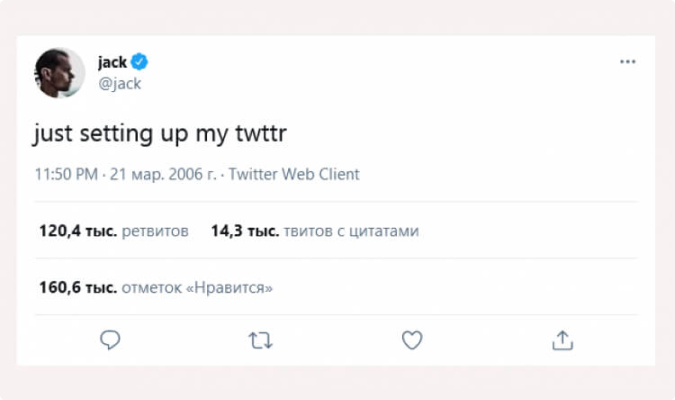
Twitter co-founder Jack Dorsey traded his "zero" post in the form of an NFT for $2.9 million. The sale took place through the Valuables marketplace. T was bought by Bridge Oracle (BRG) manager Hakan Estavi.
2. Replicator от Mad Dog Jones — $4.1 М
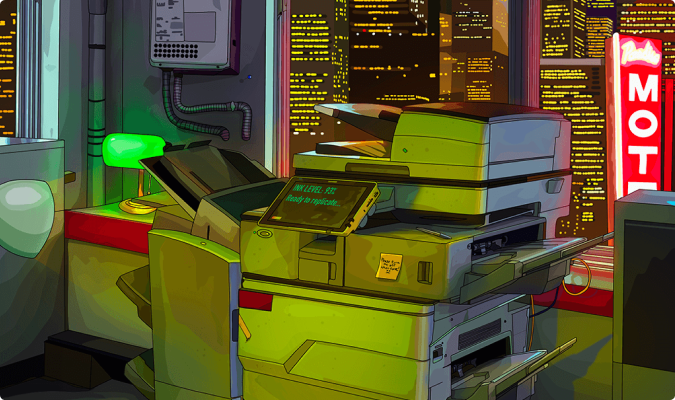
Canadian Mika Doubek created the "evolutionary" NFT "Replicator," selling it for $4.1 million. Its special feature is that the token is made in the form of a printer placed in a night office. This composition includes seven unique generations of artwork. The first one will produce one new image each month for six months. With each subsequent generation, the number of generations decreases. In the end, the buyer will receive up to 220 more NFTs, which can be resold.
The most expensive NFTs are not always static images, but something more. For example, as in this case, a project that lives on its own.
3. Save Thousands of Lives — $4.5 М
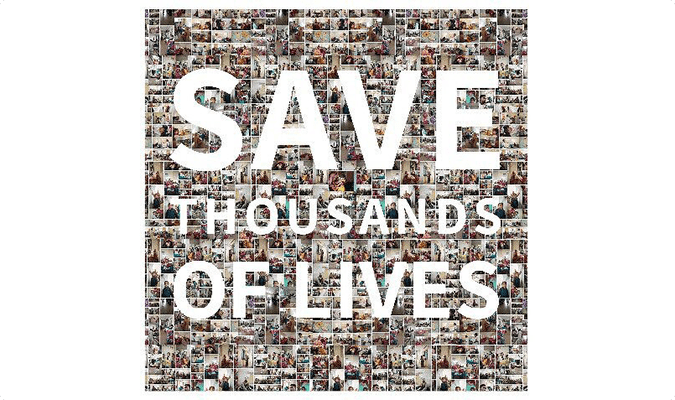
This is one of the most expensive NFT pictures by Noora Health. The company develops programs and equips and trains people caring for the sick in South Asia.
4. CryptoPunk #5217 — $5.4 М

Who would have thought that CryptoPunks’ monkeys would be the most expensive among NFT pictures? The avatar in the red hat was the fourth most expensive of Larva Labs' much-acclaimed collection. It was bought by an anonymous individual for 2,250 ETH, which was $5.4 million at the current exchange rate.
5. Stay Free by Edward Snowden — $5.5M
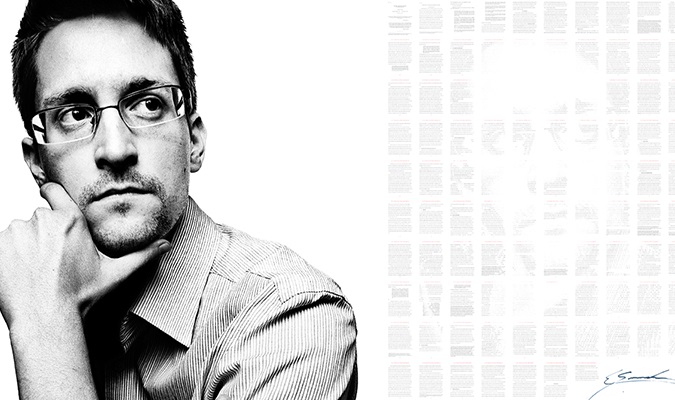
Former NSA and CIA intelligence agent Edward Snowden released his own NFT in January 2023 through the Foundation exchange. The work consists of scanned pages of text from a U.S. court order on the illegality of the National Security Agency's modus operandi. The lines clearly show a portrait of Snowden himself. The proceeds from the sale of the token were transferred to support the Freedom of the Press Foundation.
6. Ocean Front from Beeple — $6 М
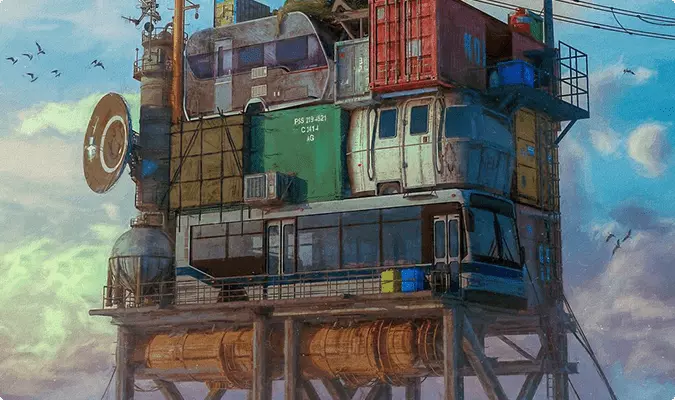
An oppressive dystopian landscape embodying the consequences of detrimental climate change was bought by Justin Sun, founder of the blockchain project Tron, on the Nifty Gateway platform. It's not the most expensive NFT Beeple, but the artist has made a promise that he will transfer the money toward solving environmental problems.
7. A Coin for the Ferryman by Xcopy - $6.01 M
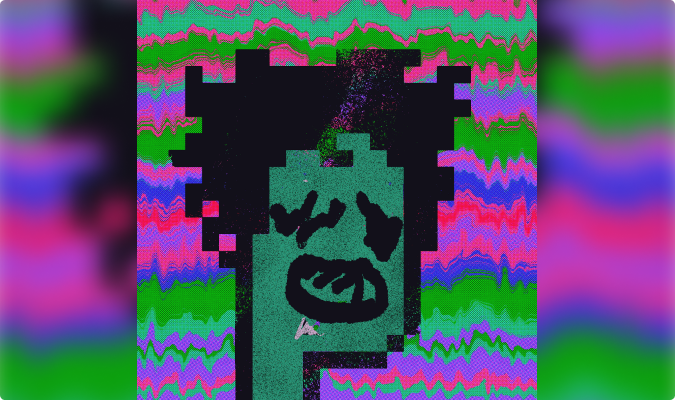
"Coin for the Ferryman" is a work among the first by the now legendary crypto-artist from London under the pseudonym Xcopy. It was among the most expensive NFT paintings of last year.
8. Crossroad by Beeple — $6.6 M
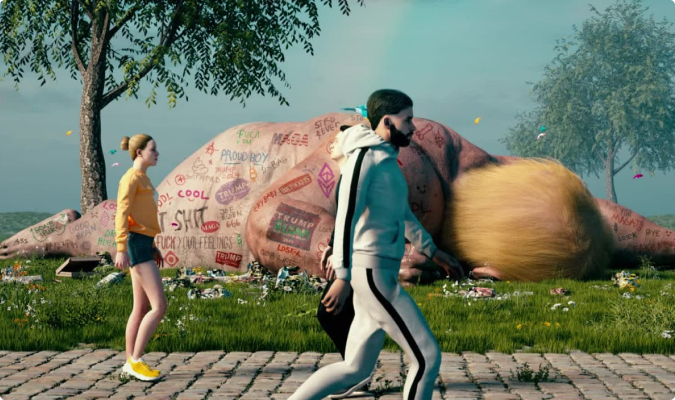
Crossroad is an NFT animation by the familiar Mike Winkelmann. The work is dedicated to the defeat of Donald Trump in the U.S. presidential election (it shows a reclining figure against a background of indifferent passersby). The lot was sold at the cryptocurrency digital art market Nifty Gateway.
9. Art Blocks, Ringers #109 — $6.93 М

Software-generated art from the Art Blocks collection. The latter has over 99,000 non-interchangeable tokens. According to the report of the decentralized site Dappradar, the work was sold for 2,100 ETH.
10. Xcopy: Right-Click and Save As Guy — $7.09 М
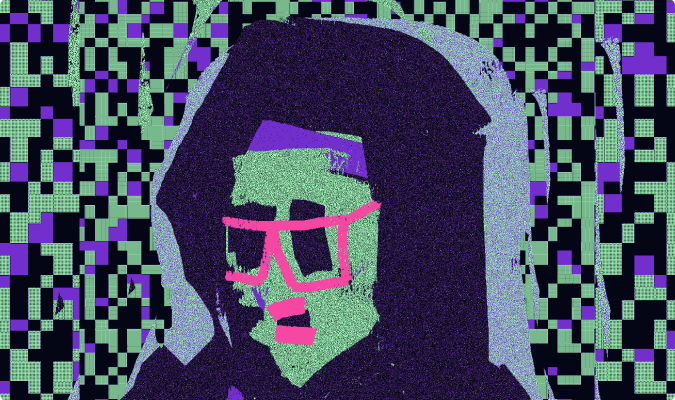
This is the most expensive NFT Xcopy token so far, for which he got 1,600 ETH or $7.09 million. According to the nickname of the buyer "Cozomo de' Medici", it was rapper, producer, and actor Snoop Dogg. This information was later confirmed. Explore Snoop Dogg's crypto portfolio — from multi-million dollar NFT purchases to Metaverse ventures and his growing presence in the blockchain world.
11. Larva Labs, CryptoPunk #3100 — $7.58 М

The alien with a headband instead of a headdress became part of the alien punk collection, ranking among the top 3 most expensive NFTs in the series.
Curious fact: Only 406 of 10,000-pixel punks have the armband. CryptoPunk #3100 was originally listed at $2 million but went under the hammer for $7.58 million. It is currently trading for 35,000 ETH, which is about $62 million at current exchange rates.
12. Larva Labs, CryptoPunk #7523 — $11.75 M

Another CryptoPunk alien #7523, nicknamed "Covid Alien" for the mask on his face. It cost $11.75 million. It was sold on the Sotheby marketplace.
13. Beeple, Human One — $29.98 М
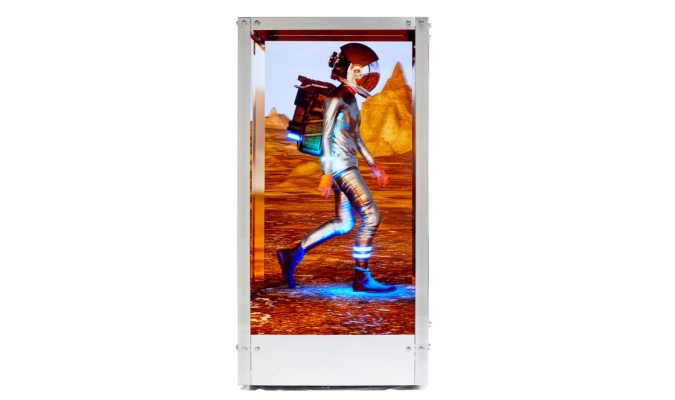
Human One is a futuristic sketch depicting the figure of an astronaut walking endlessly forward against an ever-changing backdrop. The work is displayed on four screens with a total resolution of 16k, which are included in the set. The token was bought in January 2023 for $28.9 million at Christie's by cryptocurrency billionaire Ryan Zurrer.
14. The First 5000 Days — $69.3 М
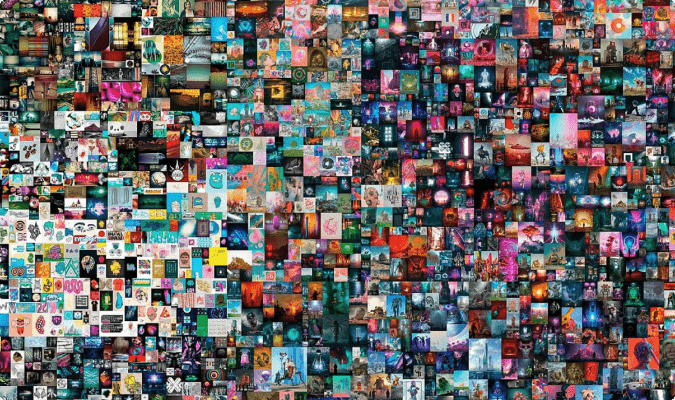
The First 5000 Days is a digital collage created by Beeple and composed of 5,000 individual artworks produced over several years. The NFT was sold at a Christie’s auction for $69.3 million, becoming one of the most expensive NFT sales ever recorded. The artwork played a major role in bringing mainstream attention to digital art and blockchain collectibles.
15. The Merge — $91.8 М
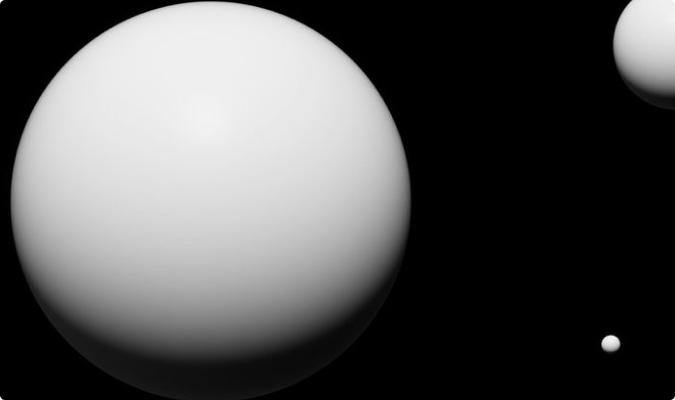
The Merge is a digital project created by an anonymous person with the nickname Pak. In January 2023, this work was successfully sold through the NFT Nifty Gateway service. It is important to note that the token is divided into 313,685 separate elements, which went to 28,983 investors. In fact, users bought individual "masses" that collectively form The Merge. Today it is the most expensive NFT in the world, the cost of which has become an absolute record.
What is NFT?
NFT(non-fungible token) is a special form of cryptocurrency or other asset based on a blockchain architecture. It became a sensation in 2021. Each NFT is unique, so it cannot be equivalently replaced like other coins. It guarantees ownership of any meta-object and can act as an analog of a digital signature.
NFTs are stored in a blockchain, which is a type of database with all the records publicly available. There are many of them, and anyone with the right technical skills can create their own blockchain.
Due to the unique design of the tokens and the blockchain itself, NFTs have several attractive features:
they may refer to a file, such as an image or a music recording;
they can be checked by anyone as relevant information is public.
Note, that the failure to thoroughly figure out exactly what these qualities mean from a technical point of view confuses the technology. The widespread misunderstanding of how NFTs work gives rise to many scammers who use this to extort huge sums of money.
There is a misconception that because of non-convertibility, only one token can be assigned to a given file, so NFT can be used to indicate ownership of a particular file. However, the point is different as multiple NFTs pointing to the same source are acceptable. They can belong to different people. The point is that each person can create a blockchain and sell NFTs on it, pointing to files pointed to by tokens in another blockchain.
Taking into account the aforementioned, remember:
an NFT is not proof of ownership of the file it points to;
the purchase of the NFT doesn’t constitute a grant of copyright on the work to the purchaser.
The capabilities of NFTs are not only useful for exchanging digital art objects, they can be used for serious business applications. The issues are very broad. Let's just note that tokens can be indispensable in creating a marketplace for digital equivalents of real assets, such as homes, businesses, or even bottles of fine wine. Virtually anything can be tokenized.
For example, do you see real estate potential in Spain, but can't afford an apartment to rent? You could buy an NFT that entitles you to a share of the profits. If you believe that Tuscan vineyards have a great future, it is realistic to invest in such a project. Whether you'll make a profit in cash or bottles of wine is another question. The era of using NFTs in serious business is just beginning.
There are a few key points to know about the technology itself:
The most expensive NFT images include works of art, but they can also be collectibles, media and audio files, avatars, memes, skins, etc. Virtually anything that is to be digitized can become a non-exchangeable token;
Even the most expensive NFT paintings don’t exist physically, they are stored as datasets that are unique to a particular piece;
In 2021, the value of all items sold on the NFT market was approximately $41 billion;
The digital art boom was largely due to the work;
CryptoKitties is the first popular example of NFT, it is a collection of artistic images of virtual cats used in the Ethereum game. Users can buy, collect, breed, and sell them. NFT allows us to establish the "origin" of a digital object, confirming its uniqueness.
Why are NFTs gaining popularity?
Many novice investors wish they had bought Bitcoin years ago when it was a hundred times cheaper. Looking at the sharp rise in the exchange rate, some people feel like a scheme to get rich fast is right under their noses. In addition, corporations have for years successfully tweaked consumers to the point where the meaning of "having something" is distorted in a digital world. People are already used to paying for things they don't own after purchase (like iTunes, where purchased movies disappear when Apple loses licenses, or loot boxes in video games, where you buy the chance to get in-game items). This has made consumers very vulnerable to further misrepresentation of the meaning of "ownership."
Today, the most expensive NFTs are not hype or a bubble. Non-interchangeable tokens provide the basis for securing the ownership of valuable items, which strengthens the position of property protection. In business processes, NFTs can be an extremely powerful tool because they can represent any asset—digital or real.
Among the most promising areas for the application of NFTs are:
the field of collecting. The technology can be used to create a new kind of digital collectibles. In turn, traditional collectibles, such as baseball cards and stamps, are also being tokenized;
the sphere of the gaming business and entertainment. Trading game items is one possible use of NFTs. Most implementations revolve around turn-based strategy or card-based collectible games such as Axie Infinity or Gods Unchained;
the sphere of business development in art in the creative industries. With the boom of the art crypto market, the art trade is more relevant than ever. You have seen it yourself by examining the most expensive NFT pictures. Blockchain allows artists to monetize their works and protect copyrights;
virtual assets. Ethereum Name Service and Unstoppable Domains have turned .eth and .crypto into NFTs that can be traded. Real estate in Decentraland and Cryptovoxels virtual worlds is also symbolized in NFT, and the meta-universe industry itself is just gaining momentum;
real assets. The process of tokenizing tangible items, and trading them in virtual space is becoming one of the primary goals of NFT. OpenLaw created an ERC-721 token-based real estate trading system, and last year Nike also patented a shoe tokenization system;
the identity of the information, protecting information databases of vast data. With NFT, internet users can better protect and control personal data, such as a person's medical history, DNA data, birth certificates, employment history, etc.
In the digital economy, blockchain technology and its component, NFTs, are a system of distributed databases that use algorithms to securely record various transactions. The information that enters and is generated in the blockchain system and at the level of NFTs cannot be illegally altered (tampered with, deleted, or destroyed), because the later in time chains protect the data about the transactions already performed earlier. This principle of organization makes NFT technology universal for international business applications.
In 2023, the most expensive NFTs are just the tip of the iceberg, because the future of digitalization stands behind them.
What affects the Bitcoin rate?
As a rule, the most expensive NFTs are the work of famous artists and other famous market figures, but the price is also affected by:
a timely idea;
uniqueness;
utility;
materiality.
The value of digital content is not linked to a basic object in the real world because the NFT price is influenced by demand and market sentiment. So, the author of a token can set any price tag. However, whether there will be those willing to make a deal on the terms put forward is another question. When the demand factors of the seller and the intentional costs of the buyer coincide, the speculative value of the asset will be determined. This is the approximate mechanism of how the most expensive NFT assets appear.
Where can I buy NFTs?
You must have the proper tools to sell or buy NFTs. Traders, investors, and digital artists use cryptocurrency exchanges as well as special platforms (marketplaces) for this purpose.
To acquire NFTs, you must have an appropriate digital wallet to store them. NFTs are purchased using cryptocurrencies or fiat currencies. Currently, Ethereum is considered the most popular payment method for this purpose. The process of buying an NFT can vary significantly, depending on which exchange you choose. Interestingly, the value of NFTs can vary greatly because it is largely based on speculation. The most expensive works of art made with this technology are worth tens of millions of dollars, as was seen above. However, if you want to buy a token, you don't need to spend a fortune. Less popular NFTs can be purchased for just a few dozen dollars.
Services where you can buy the most expensive NFTs:
The Binance NFT Marketplace is a platform that supports all forms of digital art and collectibles. It is based on Binance infrastructure and community, which guarantees the highest liquidity for NFT creation and trading;
Alibaba NFT – The Chinese giant Alibaba Group Holding Limited (BABA) recently launched a new marketplace for non-convertible tokens (NFT), where owners can sell tokenized licenses for their intellectual property;
OpenSea is one of the most famous NFT exchanges. The site not only acts as a trading and auction platform but also offers an intuitive tool for creating your own NFTs or even collections of them.
We have also compiled a list of exchanges where NFTs can be purchased on competitive terms. The selection includes established platforms with strong reputations and user-friendly interfaces designed for trading various asset classes, including unique NFTs.
| OKX | Coinbase | Crypto.com | Cryptohopper | BTCC | |
|---|---|---|---|---|---|
|
NFT |
Yes | Yes | Yes | Yes | Yes |
|
Min. Deposit, $ |
10 | 10 | 1 | No | 10 |
|
Spots |
Yes | Yes | Yes | No | Yes |
|
Futures |
Yes | Yes | Yes | No | Yes |
|
Coins Supported |
600+ | 400+ | 400+ | 1000 | 399 |
|
Cold wallet storage |
Yes | Yes | Yes | No | Yes |
|
Open an account |
Go to broker Your capital is at risk. |
Go to broker Your capital is at risk. |
Go to broker Your capital is at risk. |
Go to broker Your capital is at risk. |
Go to broker Your capital is at risk.
|
NFTs, or non-exchangeable tokens, are rapidly gaining prominence in the cryptocurrency market. Don't miss the opportunity to take your place in the growing market. Who knows, maybe the next most expensive NFT will belong to you.
Risks and Disclosures
Investing in NFTs can generate substantial returns, but it also involves elevated risks. Before purchasing an NFT, investors should carefully assess potential downsides and avoid viewing this market as a guaranteed source of income.
Key risks associated with NFTs:
High market volatility. NFT prices can rise or fall sharply depending on community sentiment and broader crypto market conditions.
Limited liquidity. Even a high-priced NFT may be difficult to sell if demand is insufficient.
Speculative pricing. The value of many tokens lacks a fundamental basis and often depends primarily on market hype.
Fraud and scam risks. Counterfeit collections, fake marketplaces, and phishing websites remain widespread.
No automatic transfer of copyright. Purchasing an NFT typically does not grant the right to use the underlying work or content unless explicitly stated in the terms.
Technological risks. Smart contract vulnerabilities, wallet breaches, or the loss of a seed phrase can result in irreversible asset loss.
Regulatory uncertainty. Legal frameworks governing NFTs remain under development in many jurisdictions, which may affect their future valuation and circulation.
NFT News and Digital Art & Tokenized Asset Market Updates
Tokens without buyers: Why NFT marketplaces are shutting down

Blur to shut down NFT marketplace frontend as trading activity collapses

Porsche ends Web3 project and PIONΞERS CIRCLE

Porsche ends Web3 project as NFT trading activity fades

Alchemy CTO: Blockchain could become the foundation of a national payment system

Justin Bieber's $1.3 million NFT loses 99% of its value
NFTs: A High-Risk Market for Those Who Understand What They Are Buying

I have worked with crypto assets and NFTs since their mass adoption and have witnessed several waves of speculation, during which buyers acquired tokens largely driven by fear of missing out. My primary conclusion is straightforward: NFTs should not be viewed as investments with guaranteed returns. This is a speculative market where prices are shaped less by intrinsic characteristics and more by sentiment and hype.
When evaluating an NFT, I look beyond the artistic concept or the creator’s name. I assess collection liquidity, community engagement, sales history, and the technical structure of the smart contract. If a token cannot be resold without a substantial discount or is associated with a questionable platform, I decline the transaction.
NFTs can serve as a tool for diversification, experimentation, or engagement with digital art. However, capital allocation should be limited to amounts you can afford to lose without financial strain. Discipline, analytical judgment, and a clear understanding of the underlying technology matter far more than headlines about record-breaking token sales.
Conclusion
The meteoric rise of NFTs underscores a fundamental shift in how value, ownership, and art are perceived in the digital age. Driven by headline-grabbing multimillion-dollar sales like Beeple’s 'The First 5000 Days' and Pak’s 'The Merge,' NFTs have not only captured the imagination of investors but also fueled new debates about the nature of digital ownership and speculative markets. While the technology opens up transformative opportunities for artists, businesses, and collectors, it comes with substantial risks, including volatility, fraud, and regulatory uncertainty. Ultimately, those who thrive in the NFT ecosystem are not just chasing trends, but deeply understand both its potential and its pitfalls—a crucial mindset as the boundaries of digital value continue to expand.
FAQs
What factors contribute to the high value of the most expensive NFTs?
Do buyers of expensive NFTs receive any legal rights or copyright to the digital content?
How do NFT transactions ensure authenticity and prevent duplication?
What are potential business applications of NFT technology beyond digital art?
Editors' Top Picks and Insights




Related Articles
Team that worked on the article
Andrey Mastykin is an experienced author, editor, and content strategist who has been with Traders Union since 2020. As an editor, he is meticulous about fact-checking and ensuring the accuracy of all information published on the Traders Union platform.
Dr. BJ Johnson is a PhD in English Language and an editor with over 15 years of experience. He earned his degree in English Language in the U.S and the UK.
Mirjan Hipolito is a journalist and news editor at Traders Union. She is an expert crypto writer with five years of experience in the financial markets.
Bitcoin is a decentralized digital cryptocurrency that was created in 2009 by an anonymous individual or group using the pseudonym Satoshi Nakamoto. It operates on a technology called blockchain, which is a distributed ledger that records all transactions across a network of computers.
CFD is a contract between an investor/trader and seller that demonstrates that the trader will need to pay the price difference between the current value of the asset and its value at the time of contract to the seller.
A trading system is a set of rules and algorithms that a trader uses to make trading decisions. It can be based on fundamental analysis, technical analysis, or a combination of both.
Volatility refers to the degree of variation or fluctuation in the price or value of a financial asset, such as stocks, bonds, or cryptocurrencies, over a period of time. Higher volatility indicates that an asset's price is experiencing more significant and rapid price swings, while lower volatility suggests relatively stable and gradual price movements.
An investor is an individual, who invests money in an asset with the expectation that its value would appreciate in the future. The asset can be anything, including a bond, debenture, mutual fund, equity, gold, silver, exchange-traded funds (ETFs), and real-estate property.

-
 Afghanistan
-
 Albania
-
 Algeria
-
 Angola
-
 Argentina
-
 Armenia
-
 Australia
-
 Austria
-
 Azerbaijan
-
 Bahamas
-
 Bahrain
-
 Bangladesh
-
 Belarus
-
 Belgium
-
 Bolivia
-
 Botswana
-
 Brazil
-
 Brunei
-
 Bulgaria
-
 Cambodia
-
 Cameroon
-
 Canada
-
 Chile
Chile
-
 China
China
-
 Colombia
-
 Congo
Congo
-
 Costa Rica
-
 Cote d'Ivoire
-
 Croatia
-
 Cuba
Cuba
-
 Cyprus
-
 Czechia
-
 DR Congo
-
 Denmark
-
 Dominican Republic
-
 Ecuador
-
 Egypt
Egypt
-
 El Salvador
-
 Estonia
-
 Eswatini
-
 Ethiopia
-
 Finland
-
 France
-
 Georgia
-
 Germany
-
 Ghana
Ghana
-
 Greece
-
 Haiti
Haiti
-
 Hong Kong
-
 Hungary
-
 India
India
-
 Indonesia
-
 Iran, Islamic republic
-
 Iraq
Iraq
-
 Ireland
-
 Israel
-
 Italy
Italy
-
 Jamaica
-
 Japan
Japan
-
 Jordan
-
 Kazakhstan
-
 Kenya
Kenya
-
 Korea
Korea
-
 Kuwait
-
 Kyrgyzstan
-
 Laos
Laos
-
 Latvia
-
 Lebanon
-
 Lesotho
-
 Libya
Libya
-
 Lithuania
-
 Luxembourg
-
 Madagascar
-
 Malaysia
-
 Malta
Malta
-
 Mauritius
-
 Mexico
-
 Moldova
-
 Mongolia
-
 Montenegro
-
 Morocco
-
 Mozambique
-
 Myanmar
-
 Namibia
-
 Nepal
Nepal
-
 Netherlands
-
 New Zealand
-
 Nigeria
-
 North Macedonia
-
 Norway
-
 Oman
Oman
-
 Pakistan
-
 Palestine
-
 Panama
-
 Papua New Guinea
-
 Paraguay
-
 Peru
Peru
-
 Philippines
-
 Poland
-
 Portugal
-
 Puerto Rico
-
 Qatar
Qatar
-
 Reunion
-
 Romania
-
 Rwanda
-
 Saudi Arabia
-
 Serbia
-
 Singapore
-
 Slovakia
-
 Slovenia
-
 Somalia
-
 South Africa
-
 Spain
Spain
-
 Sri Lanka
-
 Sweden
-
 Switzerland
-
 Syria
Syria
-
 Taiwan
-
 Tajikistan
-
 Tanzania
-
 Thailand
-
 Trinidad and Tobago
-
 Tunisia
-
 Turkey
-
 UAE
UAE
-
 Uganda
-
 Ukraine
-
 United Kingdom
-
United States
-
 Uruguay
-
 Uzbekistan
-
 Venezuela
-
 Vietnam
-
 Yemen
Yemen
-
 Zambia
-
 Zimbabwe
- Forex
- Crypto