The tweet was deleted by the author.
But we saved everything 🙂.

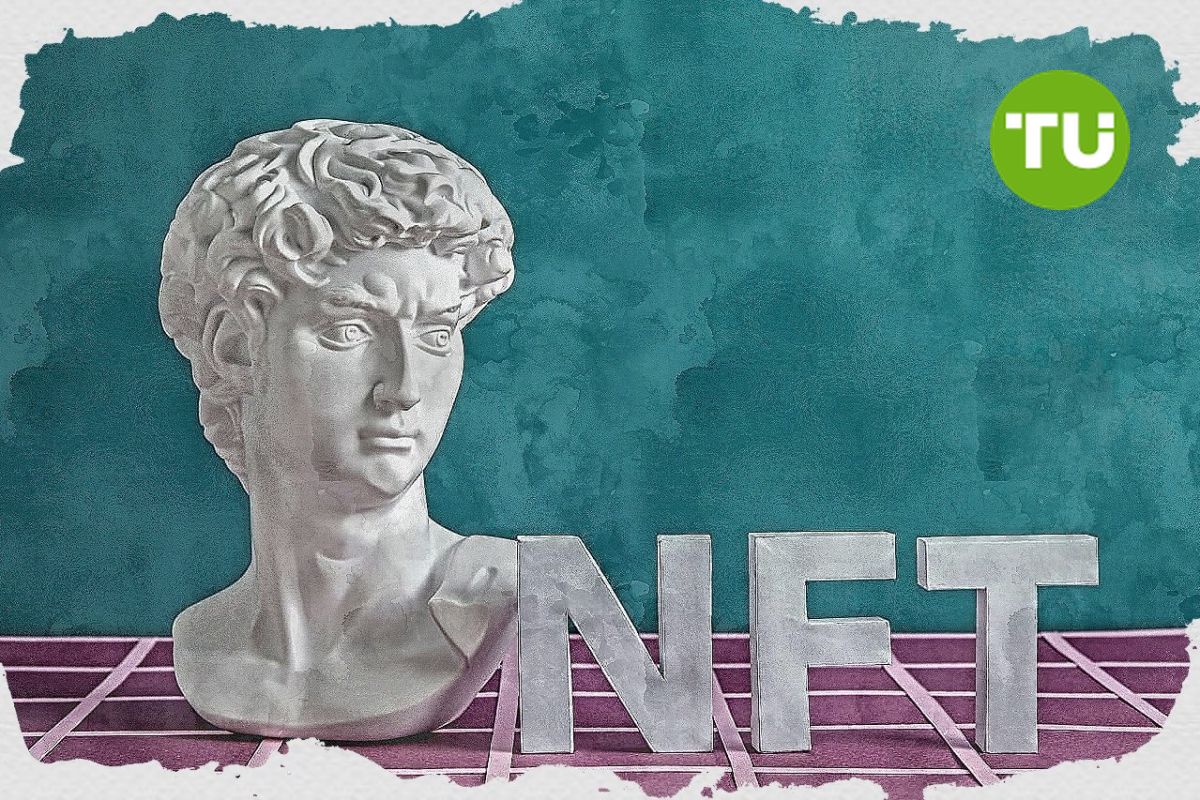
Crypto exchange Binance has decided to shut down its NFT marketplace. This is another signal that non-fungible tokens are no longer of much interest to major platforms. The NFT hype is over, and with it, the sector has lost its main pillar — the belief that a digital image can always be resold at a higher price.
Binance is shutting down its NFT marketplace and moving management of such tokens to Binance Wallet. Users have been given one month to withdraw their NFTs to this or another wallet. After that, the old NFT platform on Binance Exchange will no longer be supported, and tokens left inside the service will become inaccessible.
View post on X Loading...
Formally, Binance calls this an upgrade and explains the decision as an effort to make Web3 and decentralized applications more convenient to use. But behind that wording lies a simpler fact: the exchange no longer needs a separate NFT marketplace.
And Binance is not alone. In April, Foundation, one of the popular NFT marketplaces from the 2021 boom, shut down. The platform had been expected to be sold to digital art platform Blackdove, but the deal fell apart. After that, Foundation founder Kayvon Tehranian said the company was no longer able to bring the marketplace back online. A platform that once facilitated more than $230 million in primary NFT sales could not survive the collapse in liquidity.
A similar process is playing out across other projects. Nifty Gateway, Rodeo, MakersPlace, X2Y2, and Bybit’s NFT marketplace have also shut down, wound down operations, or moved away from the old NFT model. Even OpenSea, the sector’s largest platform, postponed the launch of its own SEA token. The company cited difficult market conditions and is now trying to develop not only as an NFT marketplace, but as an app for trading different assets — from tokens to digital art.
In numbers, the NFT market looks less like a sector “on pause” and more like one that has sharply contracted. According to CoinMarketCap, the NFT market capitalization currently stands at around $2.35 billion. In the past 24 hours alone, the figure fell by 4.2%, while the number of transactions dropped to 24,700. Back in January 2025, the NFT market was valued at as much as $9.2 billion.
Weak liquidity is a separate problem. When the entire market sells around $1.4 million worth of NFTs per day, even expensive collections become hard to exit. A token holder may see a theoretical price on a platform, but finding a buyer at that price becomes much more difficult.
The decline has hit not only small collections that disappeared right after the hype. The most famous NFT projects, once considered the market’s “blue chips,” have also come under pressure. CryptoPunks, Bored Ape Yacht Club, and Pudgy Penguins have lost between 12% and 28% in floor price over the past 30 days.
Art-focused collections such as Autoglyphs, Fidenza, and Chromie Squiggle have held up somewhat better. But this is no longer a mass market for quick flips. It is a narrow niche of digital art, where buyers pay more attention to the artist, rarity, and cultural value of the work. Most NFTs bought in the hope of price growth did not have that kind of support.
The main problem with NFTs is that after the hype ended, most tokens never found a clear practical use. In 2021–2022, they were sold as digital ownership, passes to private communities, access to future games, metaverses, events, and bonuses. But for many collections, all of this either remained at the level of promises or worked only while the market was surrounded by excitement.
For buyers, an NFT was often not a useful asset, but a bet that someone else would later come along and pay more. That model works as long as the market is growing and new participants keep entering. Once the inflow of people stopped, it became clear that many tokens had no cash flow, no real product, and no obvious way to use them outside the NFT platform itself.
That is why the fall of NFTs is different from a regular correction in cryptocurrencies. Bitcoin has its investment narrative, Ethereum has a network of applications and fees, and stablecoins have a payments function. Most NFTs did not have that kind of foundation. If people no longer want to buy a picture for status or resale, its price starts to depend only on rarity, the name of the collection, and the willingness of the next person to pay for it.
The closure of Binance’s NFT marketplace does not look like an isolated decision by one exchange. It is part of a broader process: platforms that tried to profit from the NFT boom several years ago are now closing marketplaces, postponing token launches, or moving into other products. When the market is growing, a separate NFT platform looks like a promising business line. When volumes fall, buyers disappear, and fees no longer justify interest in the product, it turns into an unnecessary storefront.
NFTs will not disappear completely. Digital art, rare collections, niche communities, and individual projects with a clear audience will remain. But the mass story of making quick money on “unique” images is over. The market has become much smaller, liquidity has gone, and major players have made it clear: without real utility and a constant inflow of new buyers, NFTs no longer work as a major segment of the crypto industry.


 Afghanistan
 Albania
 Algeria
 Angola
 Argentina
 Armenia
 Australia
 Austria
 Azerbaijan
 Bahamas
 Bahrain
 Bangladesh
 Belarus
 Belgium
 Bolivia
 Botswana
 Brazil
 Brunei
 Bulgaria
 Cambodia
 Cameroon
 Canada
 Chile
Chile
 China
China
 Colombia
 Congo
Congo
 Costa Rica
 Cote d'Ivoire
 Croatia
 Cuba
Cuba
 Cyprus
 Czechia
 DR Congo
 Denmark
 Dominican Republic
 Ecuador
 Egypt
Egypt
 El Salvador
 Estonia
 Eswatini
 Ethiopia
 Finland
 France
 Georgia
 Germany
 Ghana
Ghana
 Greece
 Haiti
Haiti
 Hong Kong
 Hungary
 India
India
 Indonesia
 Iran, Islamic republic
 Iraq
Iraq
 Ireland
 Israel
 Italy
Italy
 Jamaica
 Japan
Japan
 Jordan
 Kazakhstan
 Kenya
Kenya
 Korea
Korea
 Kuwait
 Kyrgyzstan
 Laos
Laos
 Latvia
 Lebanon
 Lesotho
 Libya
Libya
 Lithuania
 Luxembourg
 Madagascar
 Malaysia
 Malta
Malta
 Mauritius
 Mexico
 Moldova
 Mongolia
 Montenegro
 Morocco
 Mozambique
 Myanmar
 Namibia
 Nepal
Nepal
 Netherlands
 New Zealand
 Nigeria
 North Macedonia
 Norway
 Oman
Oman
 Pakistan
 Palestine
 Panama
 Papua New Guinea
 Paraguay
 Peru
Peru
 Philippines
 Poland
 Portugal
 Puerto Rico
 Qatar
Qatar
 Reunion
 Romania
 Rwanda
 Saudi Arabia
 Serbia
 Singapore
 Slovakia
 Slovenia
 Somalia
 South Africa
 Spain
Spain
 Sri Lanka
 Sweden
 Switzerland
 Syria
Syria
 Taiwan
 Tajikistan
 Tanzania
 Thailand
 Trinidad and Tobago
 Tunisia
 Turkey
 UAE
UAE
 Uganda
 Ukraine
 United Kingdom
United States
United Kingdom
United States
 Uruguay
 Uzbekistan
 Venezuela
 Vietnam
 Yemen
Yemen
 Zambia
 Zimbabwe