
The tweet was deleted by the author.
But we saved everything 🙂.
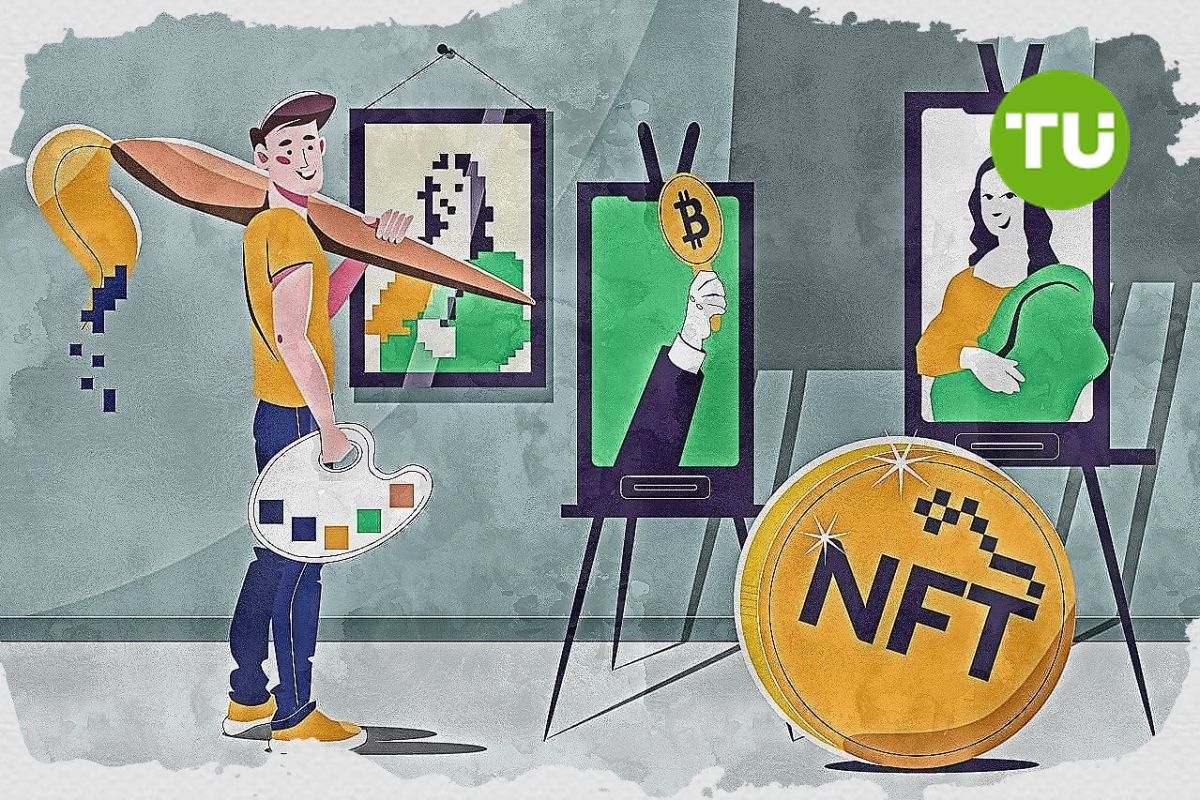
Foundation, one of the most well-known Ethereum-based NFT marketplaces from the 2021 boom era, is shutting down. The platform’s management made the decision after a deal that was supposed to keep it operational fell through.
Foundation founder and CEO Kayvon Tehranian announced on X on Wednesday that the marketplace would cease operations. The reason was the collapse of a deal to sell the platform, which was expected to allow it to continue operating under new ownership.
Although Tehranian did not directly name the buyer, the deal had previously been linked to the digital art platform Blackdove. According to him, the main goal of the transaction was to ensure Foundation’s continued operation, but that is no longer possible. He also noted that the company lacks the resources to relaunch the marketplace on its own.
Foundation later said the website would briefly go back online so users could delist their NFTs. The statement was published on behalf of the Blackdove team.
Foundation was launched in early 2021 and quickly became a prominent part of the NFT boom, when tokenized digital artworks were selling for tens of millions of dollars. At the time, some NFTs were sold for as much as $69 million.
According to Blackdove, artists around the world generated more than $230 million in primary sales through Foundation. The platform hosted works by artists such as Jen Stark, James Jean, and Reuben Wu.
The marketplace also featured digital art linked to former US intelligence contractor Edward Snowden. His NFT piece Stay Free sold for around 2,200 ETH in 2021, worth roughly $5 million at the time.
The NFT market began to decline after its explosive growth in 2021, when demand was largely driven by hype rather than intrinsic value. Many buyers entered the market expecting quick flips, creating a speculative bubble. As interest faded, liquidity dropped sharply: it became harder to find buyers, prices fell, and most collections lost value. At the same time, new users stopped entering the market at previous levels, while existing participants grew disillusioned with returns.
Additional pressure came from broader market factors, including tighter monetary policy, a downturn in the crypto market, and reduced risk appetite. The NFT ecosystem also proved unprepared for long-term sustainability — many projects lacked real utility, and platforms relied on a constant flow of transactions. As a result, the market has shrunk into a more niche segment dominated by major players and projects with real use cases.
It is worth noting that by the end of 2025, the NFT market had already collapsed despite growth in crypto trading activity.

 Afghanistan
 Albania
 Algeria
 Angola
 Argentina
 Armenia
 Australia
 Austria
 Azerbaijan
 Bahamas
 Bahrain
 Bangladesh
 Belarus
 Belgium
 Bolivia
 Botswana
 Brazil
 Brunei
 Bulgaria
 Cambodia
 Cameroon
 Canada
 Chile
Chile
 China
China
 Colombia
 Congo
Congo
 Costa Rica
 Cote d'Ivoire
 Croatia
 Cuba
Cuba
 Cyprus
 Czechia
 DR Congo
 Denmark
 Dominican Republic
 Ecuador
 Egypt
Egypt
 El Salvador
 Estonia
 Eswatini
 Ethiopia
 Finland
 France
 Georgia
 Germany
 Ghana
Ghana
 Greece
 Haiti
Haiti
 Hong Kong
 Hungary
 India
India
 Indonesia
 Iran, Islamic republic
 Iraq
Iraq
 Ireland
 Israel
 Italy
Italy
 Jamaica
 Japan
Japan
 Jordan
 Kazakhstan
 Kenya
Kenya
 Korea
Korea
 Kuwait
 Kyrgyzstan
 Laos
Laos
 Latvia
 Lebanon
 Lesotho
 Libya
Libya
 Lithuania
 Luxembourg
 Madagascar
 Malaysia
 Malta
Malta
 Mauritius
 Mexico
 Moldova
 Mongolia
 Montenegro
 Morocco
 Mozambique
 Myanmar
 Namibia
 Nepal
Nepal
 Netherlands
 New Zealand
 Nigeria
 North Macedonia
 Norway
 Oman
Oman
 Pakistan
 Palestine
 Panama
 Papua New Guinea
 Paraguay
 Peru
Peru
 Philippines
 Poland
 Portugal
 Puerto Rico
 Qatar
Qatar
 Reunion
 Romania
 Rwanda
 Saudi Arabia
 Serbia
 Singapore
 Slovakia
 Slovenia
 Somalia
 South Africa
 Spain
Spain
 Sri Lanka
 Sweden
 Switzerland
 Syria
Syria
 Taiwan
 Tajikistan
 Tanzania
 Thailand
 Trinidad and Tobago
 Tunisia
 Turkey
 UAE
UAE
 Uganda
 Ukraine
 United Kingdom
United States
United Kingdom
United States
 Uruguay
 Uzbekistan
 Venezuela
 Vietnam
 Yemen
Yemen
 Zambia
 Zimbabwe