
Successful Crypto Traders In South Africa

Editorial Note: While we adhere to strict Editorial Integrity, this post may contain references to products from our partners. Here's an explanation for How We Make Money. None of the data and information on this webpage constitutes investment advice according to our Disclaimer.
Top crypto traders in South Africa are:
Jabulani Ngcobo. Public speaker and author claiming wealth through Forex trading.
Sandile Shezi. Self-proclaimed millionaire who built his image on high-risk trading and youth-oriented financial education platforms.
Xolane Ndhlovu. Ex-DJ and ex-convict turned crypto investor and founder of a pan-African fintech holding, with major BNB gains.
Vinny Lingham. Serial entrepreneur and blockchain investor known for launching identity and VC projects, often called “Bitcoin Oracle.”
South Africa is home to a rising class of crypto millionaires whose portfolios have expanded steadily, even amid tough market conditions and shifting regulations. What sets them apart isn’t just the size of their holdings but their openness, many of them publish returns, disclose their tax strategies, and negotiate directly with liquidity providers. This level of transparency marks a shift in how crypto is handled in the region. Some of the most successful crypto traders in South Africa are even building entire financial ecosystems that operate independently of traditional banks.
These individuals don't operate in the shadows. Their success stories are backed by visible performance records, licensing information, and innovative investment models. What makes them stand out is how they’ve structured private capital to create blockchain infrastructure from scratch. By studying the strategies of the best crypto traders in South Africa, we can better understand how the country’s digital asset market has matured, and where it may be headed next.
Best crypto traders in South Africa
The South African crypto scene has produced a number of well-known traders, many of whom have carved out strong reputations in the world of digital assets. What follows is a look at individuals frequently recognized in open sources as among the best crypto traders in South Africa. This overview takes into account factors such as estimated net worth, hands-on involvement in trading or blockchain ventures, participation in educational or social impact initiatives, and any legal history that may have influenced public perception. The list includes both high-profile entrepreneurs with major investments and others whose public images are more complex.
Jabulani Ngcobo

When discussing prominent crypto personalities in South Africa, Jabulani Ngcobo, known to many as Mr. Cashflow, is often among the first names mentioned. He built his image around wealth, style, and fast success. Rather than focusing on technical analysis, Ngcobo leaned into personal branding and storytelling. He gained attention by promoting a lifestyle: luxury cars, public seminars, and the message that financial freedom could be achieved through trading. His business, Cashflow Properties, served as a vehicle for this image.
Ngcobo has never publicly shared his trading strategies, performance records, or risk frameworks. Instead, he sells the belief in success, the idea that confidence alone can attract wealth. This approach made him highly visible, even without transparency. He has personally claimed to be worth millions, and some reports have suggested a net worth of $2.4 million, though no audited figures or verified crypto investments have been released.
A graduate of Langa High School with no additional confirmed academic background, Ngcobo published a book in 2017 titled Cashflow Naked, where he tells the story of building wealth without a university degree. The core message: determination outweighs formal education.
However, in 2019, this message was tested. Ngcobo was convicted of fraud for accepting investments under false pretenses and without a financial advisory license. He received a six-year sentence under the FAIS Act. While this damaged his reputation, it didn’t erase his public presence. Following his release, he resumed activity on social media and continued promoting his brand. Today, his name is still listed among the top crypto traders in South Africa, though his focus remains more on influence than conventional trading.
Sandile Shezi

Sandile Shezi gained national attention when he was labeled the youngest dollar millionaire in the country. His story struck a chord: a student from Umlazi, Durban, who risked his university stipend on the markets without a safety net. Though he initially lost money, he recovered and started to profit from short-term trades. His motto, “to risk is to grow”, became a core part of his brand.
Shezi co-founded the Global Forex Institute with George van der Riet. This training platform focused on youth and low-income communities and offered hands-on education without academic jargon. The business grew quickly, offering seminars, mentorships, and consulting services. Unlike Ngcobo, Shezi emphasized structure, discipline, and emotional control, although he also did not share specific strategies. He stated a preference for forex and short positions over long-term crypto holdings.
His estimated net worth lies between $2 and $3 million, although these figures haven’t been independently verified. Until 2020, he appeared frequently in the media: driving high-end cars, speaking at events, and producing motivational content. While he didn’t limit himself to crypto, his presence in the digital asset space was significant enough to earn him a place among the successful crypto traders in South Africa.
Shezi holds a Communications degree from Durban University of Technology. He also founded the Sandile Shezi Foundation, which focuses on entrepreneurship and education. In 2021, however, his career was disrupted by a fraud case involving over one million rand. After settling with the complainant, the case was closed, and Shezi returned to public life, though with reduced media presence. His name continues to appear on crypto influencer lists, but his audience has become more cautious in their reception.
Xolane Ndhlovu
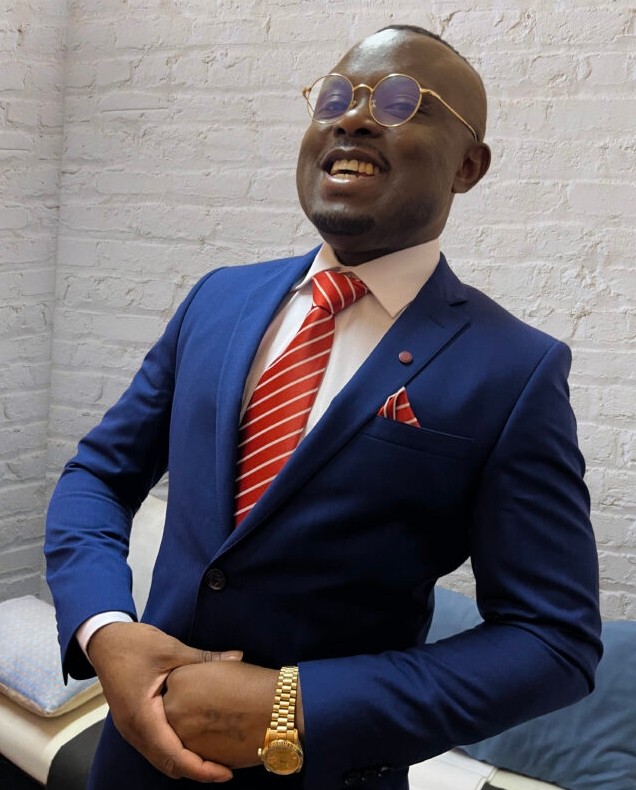
Xolane Ndhlovu’s rise is one of the most dramatic in the local crypto world: from street culture and music to venture capital and large-scale investing. Originally from Burgersfort, he spent his early years immersed in Johannesburg’s nightlife and performed as DJ Master Ziggy. His life took a sharp turn after a prison sentence for armed robbery. While incarcerated, he discovered investing, and it changed the course of his life.
After his release, he reemerged quietly and launched DafriGroup PLC. While the origins of his seed capital remain unverified, he claims to have started with microfinance and small ventures. His real breakthrough came with a large early investment in Binance’s BNB token. At one point, his holdings were valued at over 1.3 billion rand. Unlike many others, he held the asset through its price surge, which significantly expanded his investment capacity.
Today, DafriGroup includes finance, tech, and telecom holdings in South Africa, Nigeria, the UK, and the UAE. Though his exact net worth remains unconfirmed, it is often estimated between $300 and $500 million. Because of his institutional approach, he doesn’t run courses or engage in personal branding, Ndhlovu is typically featured in ratings of the richest crypto traders in South Africa. His DafriBank platform is a regulated digital banking service focused on crypto asset integration.
Ndhlovu later earned multiple degrees, including an MBA from Georgia Institute of Technology. He’s also active in philanthropy, funding housing, education, and support programs for ex-inmates. However, his career has not been free of complications. In 2023, he was arrested again under unclear circumstances, believed to be tied to economic charges. Nonetheless, his businesses remain operational, and he retains influence in corporate crypto circles.
Vinny Lingham

Among globally recognized names in South African crypto, Vinny Lingham stands out for his deep involvement in product development and venture capital. He gained international attention not through flashy displays, but through smart predictions and successful projects. Known as the “Bitcoin Oracle,” Lingham made accurate early calls on both Bitcoin and Ethereum, which gave weight to his opinions in the blockchain world.
Born in the Eastern Cape, he started in e-commerce with Yola and then moved to the U.S. to join the tech startup scene. His blockchain journey began in earnest with Civic, an identity verification platform that raised over $30 million in its ICO. He also co-founded Praxos Capital and worked as managing partner at Multicoin Capital, which invested in projects like Solana and The Graph.
Lingham’s focus has always been on long-term investments rather than short-term trading. His criteria include fundamentals, team credibility, and legal compliance. He studied at the University of South Africa and GIBS and was named a Young Global Leader by the World Economic Forum. He’s also appeared on Shark Tank in the U.S., expanding his reach far beyond crypto.
Importantly, Lingham’s career has been free from controversy. Unlike others in the space, he doesn’t sell courses or promote lifestyle content. His role is strategic, capital-focused, and respected. As a result, he consistently appears among the top crypto traders in South Africa, even though his style leans more toward investment management than day trading.
| Trader | Estimated Net Worth | Trading Strategy | Risk Management | Education / Academy | Public Activities | Legal Controversies |
|---|---|---|---|---|---|---|
| Jabulani Ngcobo | $2.4 million | Marketing-driven seminars, no public data on trades | Not disclosed | High school (Langa High School) | Cashflow Naked book, public events, online promotion | 2019 conviction for fraud (FAIS Act), 6-year sentence |
| Sandile Shezi | $2–3 million | Short-term forex and crypto positions, self-developed methods | Not disclosed | Durban University of Technology, Communications | Global Forex Institute, youth foundation | Multiple fraud allegations since 2021; some cases withdrawn after repayment, warrant reportedly issued |
| Xolane Ndhlovu | $300–500 million | Early crypto investing in Binance, catalyst tech startups | Portfolio diversification across DafriGroup entities | Diploma in Media Management, BA in Economics, MBA (Georgia Tech) | Philanthropy, housing support, public statements on reform | Serving sentence since 2023 (economic crimes) |
| Vinny Lingham | Undisclosed (tens of millions est.) | Venture capital, long-term blockchain infrastructure | Fundamental analysis, due diligence | University of South Africa, GIBS | Global speaking events, Civic identity verification advocacy | None reported |
How to start crypto trading in South Africa

Crypto trading in South Africa is not only legal but also rapidly expanding, with better access and growing regulation. For newcomers, having a well-thought-out entry plan helps avoid common pitfalls and protects capital from unnecessary risk.
Education and preparation
Solid knowledge is the starting point for anyone stepping into crypto space. Binance Academy provides structured and free educational content that covers the fundamentals of blockchain, how to read markets, and manage risk. Luno’s learning section complements this with South Africa, specific guidance on rand-based deposits and withdrawals. Their short video modules and interactive quizzes give beginners a chance to practice concepts before committing actual funds.
Well-known South African traders like Ref Wayne often highlight that consistency in learning, like daily study habits and maintaining a trading journal, was key to their early success. If you're wondering how to become a successful trader, most experts will agree that disciplined learning and consistent review are crucial building blocks.
On the ground, learners can also benefit from local training. Forex Academy SA offers weekend boot camps, while Stock Market College hosts hybrid sessions. Both provide a combination of theory and hands-on sessions, including live chart practice, helping students build real-time decision-making skills before entering the markets.
Choosing a reliable exchange
South African traders typically evaluate crypto exchanges using five key filters:
FSCA licence. Only exchanges approved as Crypto Asset Service Providers are legally allowed to market to South Africans.
Security. Strong security features like cold wallet storage, regular penetration testing, and transparent proof-of-reserves reporting are non-negotiable.
Fees. Understanding the cost structure, including maker/taker spreads, deposit fees, and withdrawal charges, helps avoid surprises.
ZAR support. Local traders often prefer exchanges that support instant bank transfers and affordable rand trading pairs.
Platform stability. Reliable platforms maintain uptime above 99 percent across both mobile and desktop, which is critical during high-volume trading periods.
| Demo | Min. Deposit, $ | Coins Supported | Spot Taker fee, % | Spot Maker Fee, % | Alerts | Copy trading | Tier-1 regulation | TU overall score | Open an account | |
|---|---|---|---|---|---|---|---|---|---|---|
| No | 1 | 2276 | 0.05 | 0 | Yes | Yes | No | 8.7 | Go to broker Your capital is at risk. |
|
| Yes | 1 | 638 | 0.1 | 0.1 | Yes | Yes | Yes | 9.3 | Go to broker Your capital is at risk.
|
|
| No | 10 | 278 | 0.4 | 0.25 | Yes | Yes | Yes | 9.2 | Go to broker Your capital is at risk. |
|
| Yes | 10 | 329 | 0.1 | 0.08 | Yes | Yes | No | 8.9 | Go to broker Your capital is at risk. |
|
| Yes | 10 EUR | 831 | 0.1 | 0.1 | Yes | Yes | Yes | 8.6 | Go to broker Your capital is at risk. |
These exchanges combine transparent pricing with high liquidity, making them suitable starting points.
Practice and discipline
Every trader should begin with a demo environment. Risk-free practice builds order-entry skills and tests emotions. A basic trading plan lists instrument, entry trigger, stop loss and position size as fixed rules. Ref Wayne notes that early career losses stopped only after he logged each mistake and adjusted lot sizes accordingly. Structured routines turn random bets into repeatable processes.
Trading psychology
Volatile crypto prices amplify fear and greed. Consistent performers control both by:
Limiting daily drawdown to a set percentage of equity.
Using breathing resets before re-entering the market.
Recording emotional triggers in a trading diary.
Coach Nelisiwe Masango teaches students to pair chart work with mindset drills such as timed screen breaks and visualisation. Her results show that mental clarity often separates profitable months from costly ones.
South Africa’s top crypto traders build offshore gains and influence markets through presence
Newbies often focus on charts or signals, but the real edge some of South Africa’s wealthiest crypto traders have comes from playing smart with location. They move funds through offshore exchanges that offer better leverage or hold tokens in places where taxes barely touch crypto. By being sharp about where their profits land, they hold onto a much bigger chunk of their earnings. It’s not just about trading well, it’s about keeping what you earn.
One more move that slips under the radar? Building a name. Some of these traders carefully grow a following on social media, dropping hints or half-setups that grab attention. It’s subtle, but it works. The more people watch them, the more power they have to move smaller coins just by being seen looking. They're not hyping or dumping, they're building trust, and getting in early while others are still figuring it out. That kind of influence turns into serious gains.
Conclusion
The South African crypto market has produced a distinct group of public-facing traders, each demonstrating a unique approach to managing digital assets. Their strategies vary in analytical depth, investment horizon, and communication style, yet all share a visible media presence and contribute to the development of local infrastructure. Their biographies reflect a blend of entrepreneurship, public messaging, educational projects, and legal episodes that shape the perception of their credibility. Some prioritize short-term speculation and broad marketing appeal, while others build institutional models with international diversification. Together, they offer a reference point for new market participants and help define the growth paths within South Africa’s crypto ecosystem. These cases remain practical examples for both traders and investors assessing the region’s potential.
FAQs
What risks are most often overlooked by beginners?
They underestimate volatility and the impact of global macro events on local prices. Liquidity of tokens and regulatory hurdles when withdrawing funds are also often ignored.
What are some alternatives to active trading?
Private investors may participate in blockchain project crowdfunding, use staking protocols, or hold crypto assets long term without engaging in daily trading.
How can you identify quality trading education?
Check instructors’ credentials, ask for verified performance records, and look for independent reviews from past students, especially within local trading communities.
How advanced is trading analytics in South Africa?
Local tools offer basic charting, scanners, and economic calendars, but many traders complement them with international platforms to achieve deeper technical and macro analysis.
Editors' Top Picks and Insights

Proof of Reserves: the new standard for cryptocurrency exchanges

Three trends that could reshape the crypto market over the next decade

Trump financial disclosure: How the president's crypto income became a U.S. ethics issue

Code red: What's behind Bitcoin’s sharp selloff?

MiCA is live: How EU new rules are changing crypto market

Bitcoin price prediction based on MVRV: Indicator points to BTC undervaluation
Related Articles
Team that worked on the article
Oleg Tkachenko is an economic analyst and risk manager having more than 14 years of experience in working with systemically important banks, investment companies, and analytical platforms. He has been a Traders Union analyst since 2018.
Andreas Kristo Saragih is a seasoned equity research analyst with over a decade of experience across both buy-side and sell-side roles, focused on the Indonesian capital market. He has extensive sector coverage, including banking, consumer goods, retail, real estate, healthcare, transportation, poultry, cement, pharmaceuticals, construction, and infrastructure.
Chinmay Soni is a financial analyst with more than 5 years of experience in working with stocks, Forex, derivatives, and other assets. As a founder of a boutique research firm and an active researcher, he covers various industries and fields, providing insights backed by statistical data.

-
 Afghanistan
-
 Albania
-
 Algeria
-
 Angola
-
 Argentina
-
 Armenia
-
 Australia
-
 Austria
-
 Azerbaijan
-
 Bahamas
-
 Bahrain
-
 Bangladesh
-
 Belarus
-
 Belgium
-
 Bolivia
-
 Botswana
-
 Brazil
-
 Brunei
-
 Bulgaria
-
 Cambodia
-
 Cameroon
-
 Canada
-
 Chile
Chile
-
 China
China
-
 Colombia
-
 Congo
Congo
-
 Costa Rica
-
 Cote d'Ivoire
-
 Croatia
-
 Cuba
Cuba
-
 Cyprus
-
 Czechia
-
 DR Congo
-
 Denmark
-
 Dominican Republic
-
 Ecuador
-
 Egypt
Egypt
-
 El Salvador
-
 Estonia
-
 Eswatini
-
 Ethiopia
-
 Finland
-
 France
-
 Georgia
-
 Germany
-
 Ghana
Ghana
-
 Greece
-
 Haiti
Haiti
-
 Hong Kong
-
 Hungary
-
 India
India
-
 Indonesia
-
 Iran, Islamic republic
-
 Iraq
Iraq
-
 Ireland
-
 Israel
-
 Italy
Italy
-
 Jamaica
-
 Japan
Japan
-
 Jordan
-
 Kazakhstan
-
 Kenya
Kenya
-
 Korea
Korea
-
 Kuwait
-
 Kyrgyzstan
-
 Laos
Laos
-
 Latvia
-
 Lebanon
-
 Lesotho
-
 Libya
Libya
-
 Lithuania
-
 Luxembourg
-
 Madagascar
-
 Malaysia
-
 Malta
Malta
-
 Mauritius
-
 Mexico
-
 Moldova
-
 Mongolia
-
 Montenegro
-
 Morocco
-
 Mozambique
-
 Myanmar
-
 Namibia
-
 Nepal
Nepal
-
 Netherlands
-
 New Zealand
-
 Nigeria
-
 North Macedonia
-
 Norway
-
 Oman
Oman
-
 Pakistan
-
 Palestine
-
 Panama
-
 Papua New Guinea
-
 Paraguay
-
 Peru
Peru
-
 Philippines
-
 Poland
-
 Portugal
-
 Puerto Rico
-
 Qatar
Qatar
-
 Reunion
-
 Romania
-
 Rwanda
-
 Saudi Arabia
-
 Serbia
-
 Singapore
-
 Slovakia
-
 Slovenia
-
 Somalia
-
 South Africa
-
 Spain
Spain
-
 Sri Lanka
-
 Sweden
-
 Switzerland
-
 Syria
Syria
-
 Taiwan
-
 Tajikistan
-
 Tanzania
-
 Thailand
-
 Trinidad and Tobago
-
 Tunisia
-
 Turkey
-
 UAE
UAE
-
 Uganda
-
 Ukraine
-
 United Kingdom
-
United States
-
 Uruguay
-
 Uzbekistan
-
 Venezuela
-
 Vietnam
-
 Yemen
Yemen
-
 Zambia
-
 Zimbabwe
- Forex
- Crypto











