
Richest Forex Traders In Uzbekistan For 2026

Editorial Note: While we adhere to strict Editorial Integrity, this post may contain references to products from our partners. Here's an explanation for How We Make Money. None of the data and information on this webpage constitutes investment advice according to our Disclaimer.
Public records confirming the success of individual Forex traders in Uzbekistan are limited. One widely mentioned name is Shohjakhon Eshniyozov, better known as “Brat,” who says he began trading at age 17 with $1,000 and by 2014 was managing $19 million. However, these claims have not been independently verified. Other traders with large followings online often focus more on promoting paid courses and signal services, with little evidence of actual trading performance.
Uzbekistan’s Forex market operates without local regulation. Traders in the country use international platforms that are licensed abroad. There is very little verified data on how individual Uzbek traders perform. Still, one personality has been featured regularly in international media and has gained attention among trading circles. Apart from this example, there are a few public figures linked to trading in Uzbekistan. However, concerns around the clarity of their operations and marketing focus remain, which is why they are not included in this overview.
Who are the most successful Forex traders in Uzbekistan?
The Forex market in Uzbekistan is growing fast, though still somewhat behind the scenes. Interest in currency trading is rising: new traders are opening accounts with international brokers, Telegram channels are full of tips, and social media is flooded with stories of success. But when it comes to top Forex traders in Uzbekistan, people with real results and clear strategies, reliable public details are hard to find. In this crowded space, one name does stand out. Most others mentioned in local forums seem to be more talk than proven fact.
Shohjakhon Eshniyozov — a singular profile
Often called “Brat” (Brother) or “The Wolf of Uzbekistan,” Shohjakhon Eshniyozov is the only trader from the country who has gained attention from outside Uzbekistan. Based on his own account, he started trading at 17 with $1,000 and claimed to have grown it to $19 million by 2014. These stories were first seen on Binance Feed and later on ICOholder, highlighting one of the few successful Forex traders Uzbekistan has publicly recognized. His journey continues to be talked about for the way he approaches trading, even if full verification remains limited.
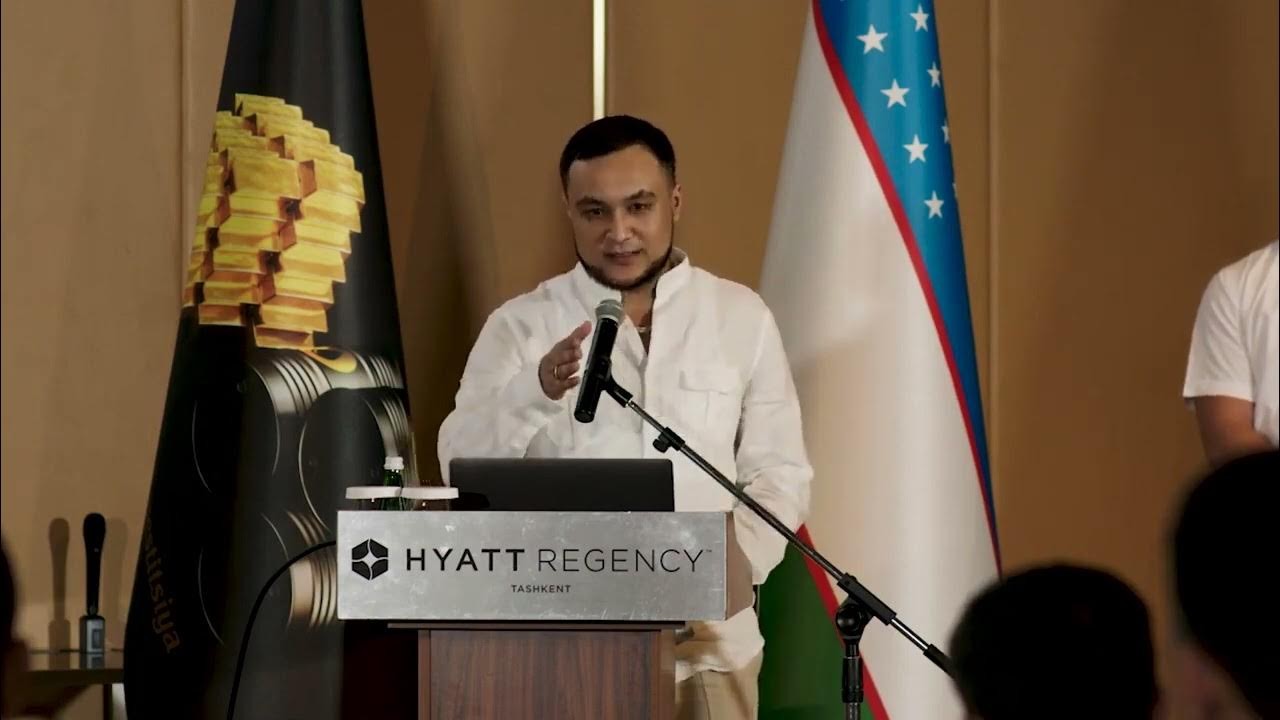
Eshniyozov promotes a strategy he refers to as the “anti-crowd algorithm,” combining trading behavior insights with chart-based tools. He says he operates on his own, no broker links, no paid signal services, and no public trades made just for attention. His online activity is notably low-key, especially compared to louder voices in the space, yet his Telegram posts often spark lively debates and widespread sharing.
Still, there are no public audits, trade logs, or official credentials to back his claims. His story remains unverified by any formal standard. Surprisingly, that hasn’t hurt his image. If anything, it has helped build a kind of legend around him in the Central Asian Forex community.
Potential for success in the Forex market in Uzbekistan
Uzbekistan's Forex market is changing quickly, offering new chances for traders who understand how it works.
In 2024, the country's foreign exchange reserves grew by 19.1%, reaching $41.182 billion by January 1, 2025. This was mainly due to a 30% increase in gold holdings, while foreign currency assets went down by 8.3%. This shift towards holding more gold shows a careful approach to dealing with currency ups and downs. For traders, it means keeping an eye on how such changes might affect market liquidity.
Recent rule changes have made Forex trading in Uzbekistan more accessible. The government removed the need for too much paperwork and no longer requires Central Bank certification for foreign exchange points. These steps show the market is becoming more open. Still, traders need to stay updated on the rules to ensure they're following them properly.
Take Shohjakhon Eshniyozov, for example. He started trading at 17 and is now a well-known trader in Uzbekistan. His story shows how important it is to start learning early, stick to a plan, and be ready to adapt. New traders can look to stories like his for inspiration.
But it's not all easy. Since there aren't many local Forex brokers in Uzbekistan, traders often use offshore platforms, which might not offer the same protections. Also, while high leverage options like 1:500 are available, they can be risky, especially for beginners. It's important to have a careful plan and understand the risks before diving in.
Current legal framework and regulation
Forex trading is legal in Uzbekistan. However, there are no clear rules made specifically for the Forex industry. The Central Bank of Uzbekistan looks after the wider financial system, including banks and officially licensed companies, but it does not directly monitor Forex brokers.
Because of this, most local traders open accounts with international brokers that are regulated in places like the UK (FCA), Australia (ASIC), or Cyprus (CySEC). This gives them access to a broader range of trading tools and platforms, but it also means they need to handle their own tax matters and fully understand the risks that come with using brokers based outside the country.
Opportunities and challenges for traders
Opportunities
Volatility creates short-term setups. The Uzbek som can swing sharply due to policy updates, which smart traders can use for quick gains.
Gold-backed reserve trends signal market timing. Since Uzbekistan's central bank is moving heavily into gold, traders can sync gold-USD correlations to time entries better.
Regulatory simplification attracts liquidity. Newer reforms have reduced barriers to entry, pulling in more volume from regional retail traders and overseas brokers.
Less market saturation creates niche edges. Compared to overexposed global markets, Uzbekistan's Forex landscape is underexplored, letting disciplined traders dominate small niches.
Challenges
Offshore broker reliance weakens security. Most traders operate through foreign platforms, meaning fund protection and dispute resolution are weak or nonexistent.
Data access remains limited. Real-time economic indicators or monetary policy signals from domestic sources are delayed or scattered, making precise analysis hard.
Regulatory gaps create tax uncertainty. With no clear tax policy on Forex gains, traders risk unexpected audits or backdated liabilities if compliance isn't proactive.
Inconsistent internet infrastructure disrupts execution. Outside major cities, internet drops and latency issues can mess with trade timing and stop-loss accuracy.
What the richest Forex traders in Uzbekistan teach
Not many people outside the region know how skilled some of the richest Forex traders in Uzbekistan really are. Traders like Dostonbek K., who is said to have grown just $5,000 into over $1.2 million between 2019 and 2023, don’t copy the usual online playbook. They focus on currency pairs like the ruble or yuan, and even currencies most traders don’t even look at. These pairs move based on local politics, cross-border deals, and trade flows that others miss completely.
These traders pay close attention to political links more than chart patterns. For instance, when Kazakhstan changed its fuel policy in 2022, the Uzbek som surged. Traders who understood how connected these economies are jumped on the opportunity early. They weren’t following indicators, they were following trade trucks, customs rumors, and wheat shipments. It’s not textbook Forex. It’s regional macro thinking.
Their risk methods are just as different. Instead of setting fixed stop-losses, many use flexible methods to protect their trades. One well-known trader hedged ruble exposure using futures on the Moscow Exchange while taking bigger positions in Forex. This strategy that spans across different markets gives them room to profit while limiting their downside. It’s smart, technical, and takes real experience to pull off.
There’s also a strong local network behind it all. Many top traders in Uzbekistan get updates from private chat groups they trust. They swap data from customs, shipping routes, and even border checks. This information never hits the news, but it moves prices. They’re not just reading charts, they’re reading the ground reality. And that’s why the top Forex traders in Uzbekistan often seem a step ahead of the rest.
If you’re looking to trade Forex in Uzbekistan, we suggest you open an account with a Forex broker that is built for traders from your country. In the table below, we have presented the top few of such brokers for you to compare and choose from:
| IUX | XM | Pepperstone | Fusion Markets | RoboForex | |
|---|---|---|---|---|---|
|
Currency pairs |
34 | 57 | 90 | 90 | 28 |
|
Min. deposit, $ |
50 | 5 | No | 1 | 10 |
|
Max. leverage |
1:3000 | 1:1000 | 1:500 | 1:500 | 1:2000 |
|
Deposit fee, % |
No | No | No | No | No |
|
Withdrawal fee, % |
No | No | No | No | 0-4 |
|
Regulation |
FSC, FSCA, ASIC, FSA SVG | CySEC, FSC (Belize), DFSA, FSCA, FSA (Seychelles), FSC (Mauritius), SCA (United Arab Emirates), CMA (Kenya) | ASIC, FCA, DFSA, BaFin, CMA, SCB, CySec | ASIC, VFSC, FSA | Financial Services Commission (FSC), Belize |
|
TU overall score |
9.4 | 9.3 | 9.25 | 9.2 | 9.15 |
|
Open an account |
Go to broker Your capital is at risk. |
Go to broker Your capital is at risk. |
Go to broker Your capital is at risk.
|
Go to broker Your capital is at risk. |
Go to broker Your capital is at risk. |
Why trust us
15+ years of independent market analysis
140+ evaluation criteria, reviewed by 50+ experts
Data-driven reviews of 200+ platforms, updated regularly
20+ industry awards & a wide network of global media partners
Learn more about our methodology and editorial policies.


Uzbekistan’s top Forex traders profit from risky news windows and peer-led exit signal
The wealthiest Forex traders in Uzbekistan don’t trade in isolation. They rely on tight-knit circles of trusted peers to share quick exit cues, especially during unpredictable news events. It’s not some fancy platform feature, it’s an underground rhythm built on trust and timing. While most beginners freeze or wait too long, these traders move almost instinctively. They're reading each other, not just the charts, and they get out before the chaos hits.
One thing that sets them apart is how they time their trades around regional ripple effects, like sudden changes in Russian gas policy or export news from China. Instead of waiting for big currency headlines, they look for small reports that trigger fast market jitters. While others panic or stay out, these traders dive into short bursts of volatility, make their moves, and get out fast. They’re not chasing trends, they’re trading the tremors.
Conclusion
The rise of successful Forex traders in Uzbekistan underscores the transformative potential of determination, strategic planning, and rigorous risk management. Figures like Dilshod K. and Zamira T. have not only amassed substantial wealth but have also become role models for a new generation of traders in the region. Their stories illuminate the necessity of adapting to ever-shifting market dynamics and leveraging both technology and local market insights. Ultimately, the defining trait of Uzbekistan’s top Forex traders is their unwavering commitment to learning and evolving—proving that in a world of volatility, adaptability and discipline remain the most valuable currencies of all.
FAQs
What risks do Forex traders in Uzbekistan face when relying on offshore brokers?
How do internet infrastructure challenges impact Forex trading in Uzbekistan?
Why is reliable trading data hard to access for Forex traders in Uzbekistan?
How does Uzbekistan’s shift towards gold reserves influence Forex trading strategies?
Editors' Top Picks and Insights

SpaceX falls out of orbit: Does anyone still want Musk’s stock?
The crypto IPO problem: How high-profile listings became investor traps
U.S. Bitcoin reserve: Trump’s unrealized crypto promise
Aiming for leadership: Payment giants prepare a new stablecoin
Proof of Reserves: the new standard for cryptocurrency exchanges
Three trends that could reshape the crypto market over the next decade
Related Articles
Team that worked on the article
Maxim Nechiporenko has been a contributor to Traders Union since 2023. He started his professional career in the media in 2006.
Dan Blystone began his trading career in 1998 as an arbitrage clerk on the floor of the Chicago Mercantile Exchange (CME). He later traded bond and Eurex futures at proprietary firms such as Altea Trading, gaining valuable experience in high-frequency trading and risk management.
Chinmay Soni is a financial analyst with more than 5 years of experience in working with stocks, Forex, derivatives, and other assets. As a founder of a boutique research firm and an active researcher, he covers various industries and fields, providing insights backed by statistical data.

-
 Afghanistan
-
 Albania
-
 Algeria
-
 Angola
-
 Argentina
-
 Armenia
-
 Australia
-
 Austria
-
 Azerbaijan
-
 Bahamas
-
 Bahrain
-
 Bangladesh
-
 Belarus
-
 Belgium
-
 Bolivia
-
 Botswana
-
 Brazil
-
 Brunei
-
 Bulgaria
-
 Cambodia
-
 Cameroon
-
 Canada
-
 Chile
Chile
-
 China
China
-
 Colombia
-
 Congo
Congo
-
 Costa Rica
-
 Cote d'Ivoire
-
 Croatia
-
 Cuba
Cuba
-
 Cyprus
-
 Czechia
-
 DR Congo
-
 Denmark
-
 Dominican Republic
-
 Ecuador
-
 Egypt
Egypt
-
 El Salvador
-
 Estonia
-
 Eswatini
-
 Ethiopia
-
 Finland
-
 France
-
 Georgia
-
 Germany
-
 Ghana
Ghana
-
 Greece
-
 Haiti
Haiti
-
 Hong Kong
-
 Hungary
-
 India
India
-
 Indonesia
-
 Iran, Islamic republic
-
 Iraq
Iraq
-
 Ireland
-
 Israel
-
 Italy
Italy
-
 Jamaica
-
 Japan
Japan
-
 Jordan
-
 Kazakhstan
-
 Kenya
Kenya
-
 Korea
Korea
-
 Kuwait
-
 Kyrgyzstan
-
 Laos
Laos
-
 Latvia
-
 Lebanon
-
 Lesotho
-
 Libya
Libya
-
 Lithuania
-
 Luxembourg
-
 Madagascar
-
 Malaysia
-
 Malta
Malta
-
 Mauritius
-
 Mexico
-
 Moldova
-
 Mongolia
-
 Montenegro
-
 Morocco
-
 Mozambique
-
 Myanmar
-
 Namibia
-
 Nepal
Nepal
-
 Netherlands
-
 New Zealand
-
 Nigeria
-
 North Macedonia
-
 Norway
-
 Oman
Oman
-
 Pakistan
-
 Palestine
-
 Panama
-
 Papua New Guinea
-
 Paraguay
-
 Peru
Peru
-
 Philippines
-
 Poland
-
 Portugal
-
 Puerto Rico
-
 Qatar
Qatar
-
 Reunion
-
 Romania
-
 Rwanda
-
 Saudi Arabia
-
 Serbia
-
 Singapore
-
 Slovakia
-
 Slovenia
-
 Somalia
-
 South Africa
-
 Spain
Spain
-
 Sri Lanka
-
 Sweden
-
 Switzerland
-
 Syria
Syria
-
 Taiwan
-
 Tajikistan
-
 Tanzania
-
 Thailand
-
 Trinidad and Tobago
-
 Tunisia
-
 Turkey
-
 UAE
UAE
-
 Uganda
-
 Ukraine
-
 United Kingdom
-
United States
-
 Uruguay
-
 Uzbekistan
-
 Venezuela
-
 Vietnam
-
 Yemen
Yemen
-
 Zambia
-
 Zimbabwe
- Forex
- Crypto











