
Share Buybacks vs Dividends. Which Strategy Maximizes Your Returns?



Editorial Note: While we adhere to strict Editorial Integrity, this post may contain references to products from our partners. Here's an explanation for How We Make Money. None of the data and information on this webpage constitutes investment advice according to our Disclaimer.
Share buybacks and dividends are the two main ways companies return excess capital to shareholders. Buybacks reduce the number of shares in circulation, often increasing earnings per share (EPS) and boosting stock value. Dividends, on the other hand, provide investors with regular cash payouts, making them a popular choice for income-seeking investors. While buybacks offer tax efficiency and flexibility, dividends ensure predictable returns. The best strategy depends on a company’s financial health and an investor’s financial goals.
People love arguing over whether buybacks or dividends are the smarter way for companies to reward investors. But there’s no one-size-fits-all answer. A buyback can mean a company believes its stock is cheap — or it could be covering up a lack of real growth. Dividends give investors cash in hand, but they might also suggest the company doesn’t see exciting ways to reinvest in itself. Instead of picking a side, savvy investors look deeper. What’s really driving the decision? Understanding the reasoning behind buybacks and dividends can reveal far more about a company’s future than the payout itself.
Risk warning: All investments carry risk, including potential capital loss. Economic fluctuations and market changes affect returns, and 40-50% of investors underperform benchmarks. Diversification helps but does not eliminate risks. Invest wisely and consult professional financial advisors.
Understanding capital distribution methods
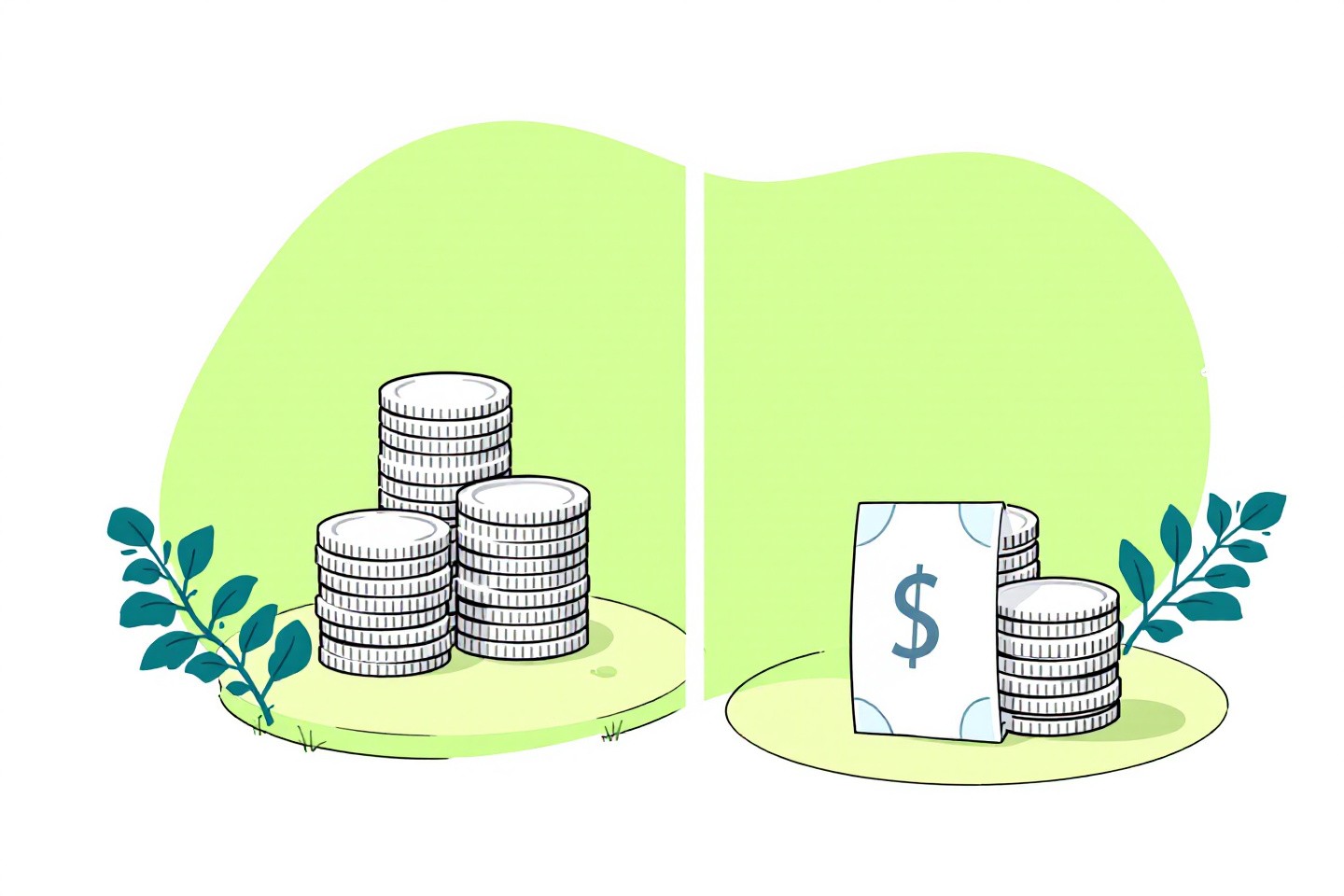
When companies make more money than they need for daily operations, they often return some of it to shareholders. The two main ways they do this are through share buybacks and dividends. Both reward investors, but they work differently and have different effects on stock prices, taxes, and investment strategies.
What are share buybacks?
A share buyback happens when a company repurchases its own stock from the market. This reduces the number of shares available, which can make each remaining share more valuable. Companies choose buybacks for a few reasons:
They think their stock is undervalued and want to show confidence.
They have extra cash but no immediate plans to expand.
They want to improve financial ratios, like earnings per share, to attract investors.
What are dividends?
Dividends are direct cash payments to shareholders, usually given every quarter. Many investors like dividend-paying stocks because they provide regular income. Companies that pay dividends usually:
Have stable earnings and reliable cash flow.
Want to reward investors for staying with them long-term.
Are in industries that do not have many high-growth opportunities.
Both methods give money back to investors, but they differ in flexibility, tax impact, and long-term effects. The choice between them depends on an investor’s financial goals and tax situation.
Impact on shareholders
Dividends can be a valuable part of an investor’s earnings. They provide a source of income, influence stock prices, and contribute to overall returns.
1. Regular income for investors
Many people, especially retirees, rely on dividends as a steady income source. Companies with a history of reliable dividend payments often attract long-term investors looking for stability.
2. Stock price effects
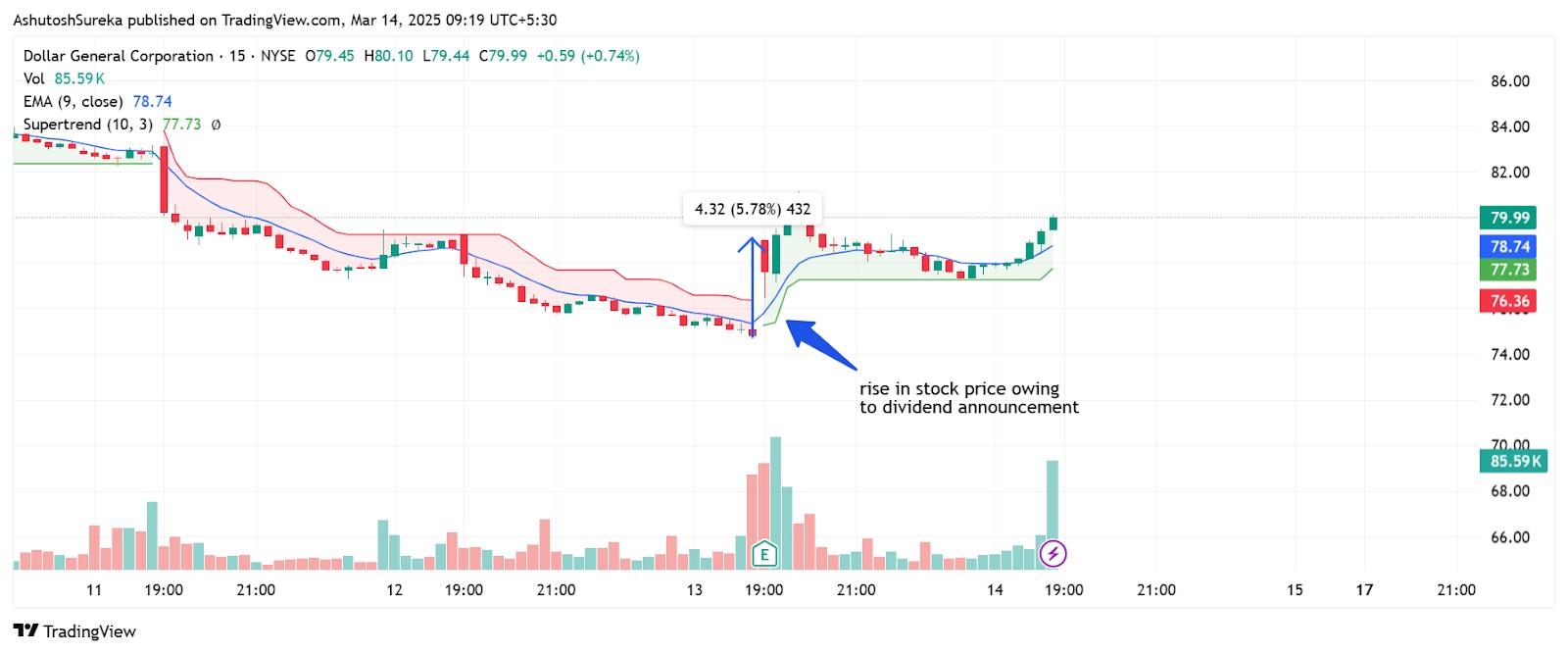
When dividends are announced. Stock prices often rise when companies declare dividends, as it signals financial health.
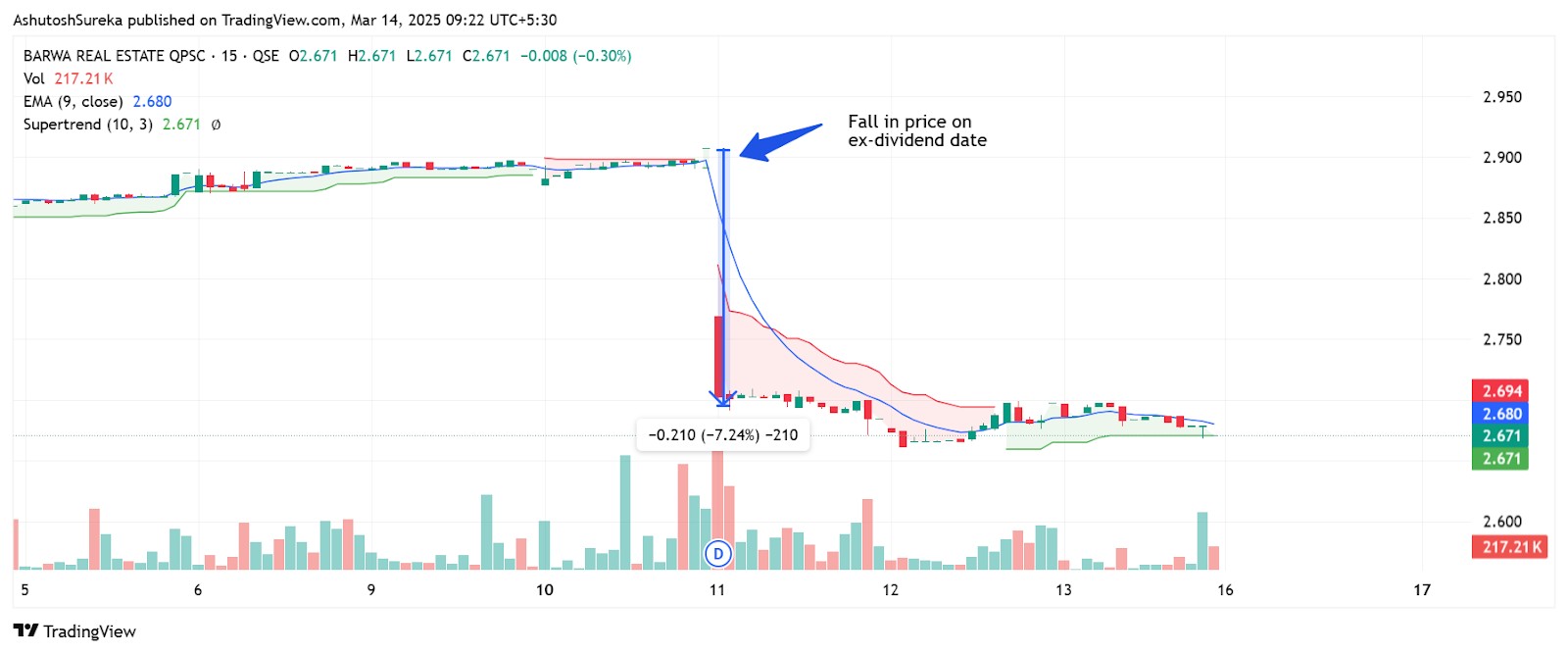
When the ex-dividend date arrives. The stock price usually drops by about the same amount as the dividend, since new investors buying the stock will not receive the upcoming payout.
3. Boosting overall investment returns
Dividends add to the total return investors earn from a stock. Even if a stock’s price stays the same, dividends can help investors grow their wealth over time.
Mechanics of share buybacks
A share buyback happens when a company repurchases its own stock from the market. This reduces the number of shares available, which can affect stock prices and how earnings are divided among shareholders.
How companies buy back shares
Companies can repurchase shares in different ways, depending on their strategy and market conditions.
Buying shares in the open market. The company purchases its own stock like any other investor, buying gradually over time.
Making a tender offer. The company offers to buy a set number of shares at a specific price, often higher than the current market price, to encourage investors to sell.
Using a Dutch auction. The company sets a price range and lets shareholders choose the price at which they want to sell. It then buys the shares at the lowest price possible.
Negotiating directly with large investors. Sometimes, companies strike deals with major shareholders to buy back a large number of shares at once.
Where do repurchased shares go?
After a buyback, a company can either:
Cancel the shares. This permanently reduces the total number of shares, making each remaining share more valuable.
Hold them as treasury stock. These shares do not count as part of the company’s total, and they do not pay dividends or have voting rights. The company can reissue them later if needed.
Methods of repurchasing shares

Companies use different approaches to buy back their shares, depending on their goals and how quickly they want to complete the process.
1. Open market repurchases
This is the most common way companies buy back shares. They simply purchase their own stock in the open market, just like regular investors.
More control. The company can decide when and how many shares to buy, adjusting based on stock price and market trends.
Market-dependent prices. The company buys shares at the market price, which may change during the repurchase period.
No major price shocks. Since the buyback happens gradually, it does not cause sudden stock price swings.
2. Tender offers
In a tender offer, a company announces a fixed price at which it is willing to buy a certain number of shares, often at a premium to attract sellers.
Quick buyback. Instead of spreading purchases over time, the company repurchases a large number of shares at once.
Higher prices for shareholders. Since companies offer more than the current market price, investors may be more willing to sell.
Predictable outcome. The company knows how many shares it will buy, which helps with planning.
Impact on earnings per share (EPS)
One of the biggest effects of share buybacks is their impact on earnings per share (EPS), which investors use to measure a company’s profitability.
Why do buybacks increase EPS?
EPS is calculated using this formula:
EPS = Net Income / Total Outstanding Shares
Since buybacks reduce the number of shares in the market, the total number of shares shrinks, making EPS go up even if the company’s actual profits do not change.
What does this mean for investors?
Can make the stock look more valuable. A rising EPS may attract investors, which can push the stock price higher.
Does not always mean stronger profits. A company’s actual earnings may not be growing, but reducing shares can still boost EPS.
Can hide slowing growth. Some companies use buybacks to improve EPS when their business growth is slowing down.
Effect on share price
Share buybacks can influence a company’s stock price in different ways, depending on whether the company continues to grow after repurchasing shares.
Short-term effects
Stock prices often rise. Investors usually see a buyback as a positive signal, which can push shares higher.
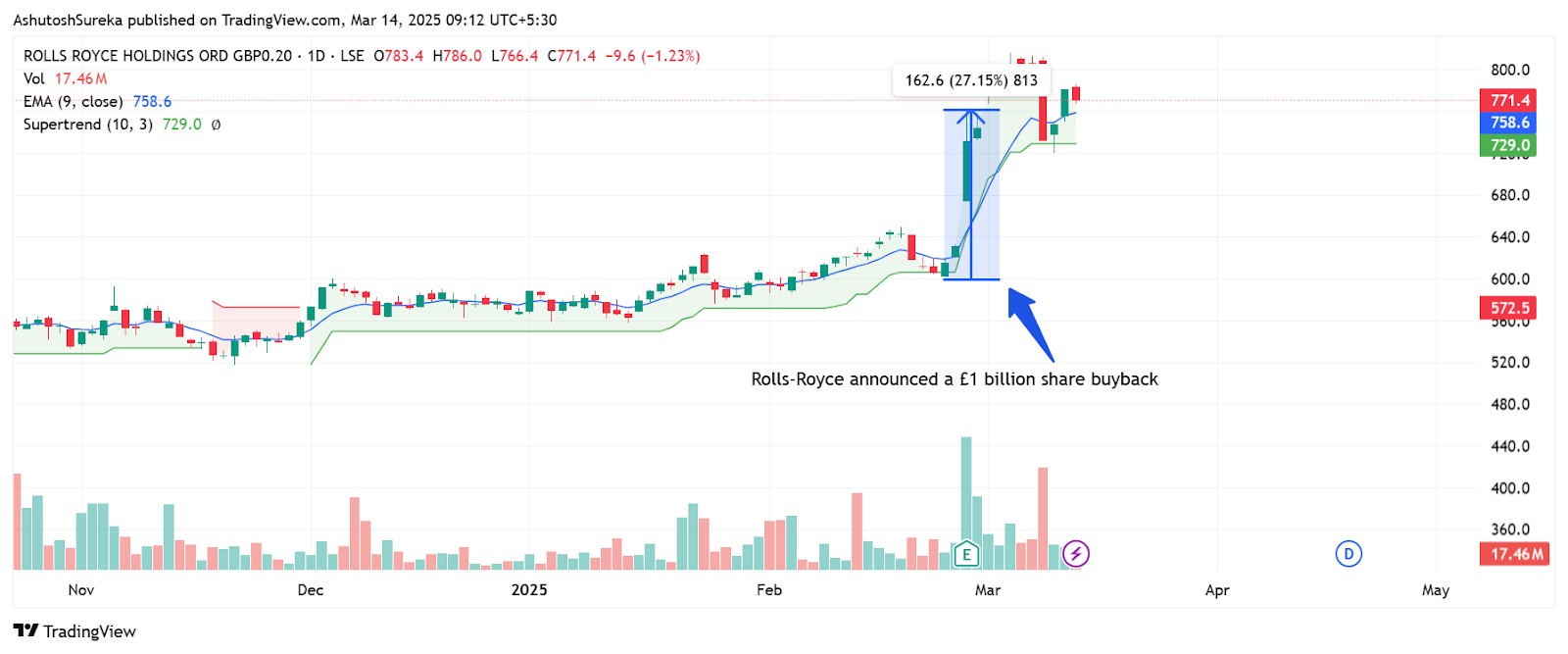
Fewer shares are available. With the company buying up shares, there is less supply in the market, which can increase the price.
Boost can be temporary. If the company does not improve its earnings, the stock price may drop again after the initial excitement fades.
Long-term effects
Good for investors if profits grow. If the company continues to make money, reducing share count can lead to better long-term returns.
May hurt future growth. Companies that spend too much on buybacks may not have enough cash left for new projects or expansions.
Can create risks in downturns. If the economy slows, companies that spent heavily on buybacks may struggle if they need extra cash.
Comparative analysis of dividends vs share buybacks
Both dividends and share buybacks allow companies to return capital to shareholders, but they work differently and have distinct financial implications. Investors should consider factors such as tax treatment, flexibility, and market perception when evaluating these two approaches.
1. Tax implications
The taxes investors pay on dividends and share buybacks can affect how much they actually keep from their investments. In many countries, tax rules favor one method over the other.
How dividends are taxed:
Counted as regular income. Dividends are usually taxed at the same rate as wages or other income.
Some dividends get tax breaks. If investors hold the stock long enough, certain dividends qualify for lower tax rates.
No control over timing. Since companies pay dividends on a set schedule, investors cannot choose when to receive or be taxed on them.
How share buybacks are taxed:
Treated as capital gains. Investors are only taxed when they sell their shares, not when the company buys them back.
Lower tax rates in many cases. Long-term capital gains taxes are often lower than taxes on dividend income.
More control for investors. Since investors decide when to sell, they can plan their taxes more efficiently.
2. Flexibility and control
Dividends and buybacks offer different levels of flexibility for investors who want to decide when and how they get their returns.
Dividends. Set payments at regular times
Predictable income. Companies pay dividends on a set schedule, typically every quarter.
No choice in timing. Investors cannot control when they receive dividends, and they pay taxes as soon as they are paid.
Best for those who want steady cash flow. Dividends are a good option for retirees and others looking for reliable income.
Buybacks. More flexibility for investors
No direct payouts. Instead of getting cash payments, investors benefit when the stock price rises due to fewer shares in circulation.
Investors decide when to sell. Since buybacks do not force investors to receive money, they can sell shares at a time that suits them.
Better for growth-focused investors. Those who prefer tax efficiency and long-term capital appreciation often favor buybacks.
3. Market perception and signaling
Dividends and buybacks do more than just return money to investors. They also give clues about how a company is doing and how confident it is about the future.
Dividends suggest stability
Show a company is financially strong. Businesses that pay regular dividends usually have steady profits and cash flow.
Harder to cut without raising concerns. If a company reduces or stops paying dividends, investors often worry about financial trouble.
Popular with long-term investors. Many pension funds and income-focused investors prefer companies that consistently pay dividends.
Buybacks show confidence in stock value
Suggest the stock is undervalued. If management believes the stock price is too low, they may repurchase shares as a way to increase value.
More flexible than dividends. Companies can reduce or stop buybacks without alarming investors, unlike dividend cuts.
Can signal fewer expansion plans. If a company is using cash for buybacks instead of reinvesting in the business, it may mean there are fewer growth opportunities.
Case studies
Different companies take different approaches to capital distribution based on their financial stability, growth plans, and shareholder expectations. Some consistently pay dividends, others prefer buybacks, and some use a mix of both. Examining real-world examples can help investors understand how each strategy plays out in practice.
Company favoring dividends
A great example of a company that prioritizes dividends is Procter & Gamble (P&G). The consumer goods giant has paid and increased its dividends for over 65 years, making it one of the most reliable dividend-paying stocks in the market.
Why does P&G focus on dividends?
Steady revenue. P&G sells everyday products like detergents, diapers, and razors, which people buy even during economic downturns. This gives the company a stable income to fund regular dividends.
Popular with long-term investors. Many retirees and investment funds prefer P&G because it provides a steady stream of cash payments.
Does not need major reinvestment. Unlike fast-growing tech companies, P&G does not have to spend huge amounts on expansion, so it can afford to pay dividends.
How this benefits investors
P&G’s stock is considered a safe investment, especially in uncertain economic times.
The company offers a competitive dividend yield, making it appealing for those seeking reliable returns.
While P&G does some share buybacks, dividends remain its main way of rewarding investors.
Company favoring buybacks
Apple Inc. has spent over $500 billion on stock buybacks since 2012, making it one of the biggest users of this strategy. While Apple does pay dividends, its main way of returning money to investors is through buybacks.
Why does Apple prefer buybacks?
Raises stock value. By reducing the number of shares available, Apple increases its earnings per share (EPS), which can drive the stock price higher.
More tax-friendly for investors. Unlike dividends, which are taxed immediately, buybacks help investors by increasing the stock’s value, leading to lower-taxed capital gains.
Apple has plenty of cash. The company generates so much cash that it can afford buybacks without affecting its ability to invest in new products and research.
How this affects investors
Apple’s buybacks have helped keep its stock price strong, even when the market is unstable.
The company stays financially flexible because it can slow down buybacks if needed, unlike fixed dividend payments.
Long-term shareholders benefit more from rising stock value rather than direct cash payouts.
Hybrid approach
Microsoft is a prime example of a company that balances both dividends and share buybacks. It regularly pays dividends to reward income-focused investors while using buybacks to boost stock value.
Why Microsoft uses both?
Dividends attract stable investors. Microsoft pays a consistent dividend to appeal to long-term investors looking for regular income.
Buybacks boost share value. By repurchasing shares, Microsoft increases EPS and keeps stock prices attractive for growth-focused investors.
Strong financials support both strategies. Microsoft generates high cash flow, allowing it to afford both dividends and buybacks without hurting future investments.
Investor benefits
Microsoft’s dividend payments provide steady income, making it a solid pick for conservative investors.
Its buybacks contribute to stock growth, benefiting investors who want long-term appreciation.
This balanced strategy makes Microsoft appealing to a wide range of investors, from retirees to growth-focused traders.
For being eligible for either a buyback or dividend, you must first invest in stocks, for which you will need an account with a broker that supports stock trading. We have researched the market and prepared a list of the top stock brokers in your region. You can compare them below and choose the best one as per your requirements:
| eToro USA | Plus500 | eOption | Revolut | Interactive Brokers | |
|---|---|---|---|---|---|
|
Stocks |
Yes | Yes | Yes | Yes | Yes |
|
Foundation year |
2007 | 2008 | 2007 | 2015 | 1978 |
|
Account min. |
50 | EUR500 | No | No | No |
|
Demo |
Yes | Yes | Yes | No | Yes |
|
Research and data |
Yes | Yes | Yes | Yes | Yes |
|
Basic stock/ETF fee |
No | $0.006 | $0 | 0.12%-0.25% | 0-0,0035% |
|
Deposit Fee |
No | No | Not specified | No | No |
|
Withdrawal fee |
No | No | Not specified | No charge up to a limit | No |
|
Regulation |
SEC, FINRA | CySEC, FCA, ASIC, FMA, FSCA, FSA Seychelles, EFSA, MAS, DFSA, SCB | FINRA, SIPC | FCA, SEC, FINRA | SEC, FINRA, SIPC, FCA, NSE, BSE, SEBI, SEHK, HKFE, IIROC, ASIC, CFTC, NFA |
|
TU overall score |
8.8 | 8.48 | 7.93 | 8.6 | 8.53 |
|
Open an account |
Go to broker Your capital is at risk. |
Go to broker 80% of retail CFD accounts lose money. |
Study review | Study review | Study review |
Why trust us
15+ years of independent market analysis
140+ evaluation criteria, reviewed by 50+ experts
Data-driven reviews of 200+ platforms, updated regularly
20+ industry awards & a wide network of global media partners
Learn more about our methodology and editorial policies.


The art of choosing the right strategy

A lot of new investors assume that every buyback is a bullish sign. But just because a company is repurchasing shares doesn’t always mean it’s a smart move. The real question is where the money is coming from. If buybacks are funded by strong profits, great. But if the company is borrowing to shrink share count, that’s a warning sign. Worse, some companies buy back shares at high prices, wasting money instead of creating real value. The best investors don’t just look at the headline — they check whether management is buying at a discount or just trying to boost earnings per share (EPS) on paper.
Dividends have their own pitfalls. A high yield might look tempting, but it can also be misleading. If a stock’s price is dropping while the dividend stays the same, that yield can seem artificially high. What really matters is whether the company can keep paying it. Are profits and cash flow strong enough to support the dividend long-term? Or is the company stretching itself just to keep investors happy? Checking payout ratios and cash flow strength can help you avoid stocks that seem like a great income play but are actually one bad quarter away from cutting their dividends.
Conclusion
There’s no clear winner between buybacks and dividends — it all comes down to why a company is making that choice. A buyback can mean management believes in the stock, or it could mean they’re avoiding real investments. A dividend can be a sign of financial strength, or it could mean the company doesn’t see good growth opportunities. Instead of just looking at what’s being offered, smart investors dig into why it’s happening. Understanding the reasons behind these decisions can help you find companies making smart capital moves — and avoid the ones just trying to keep up appearances.
FAQs
Are share buybacks better than dividends?
Share buybacks can boost stock prices and provide tax efficiency, while dividends offer steady income. The better option depends on investor preference and company strategy.
Are buybacks good for shareholders?
Buybacks can be beneficial by increasing earnings per share and signaling confidence, but they may also reduce cash reserves. Their impact depends on execution and market conditions.
Is it better to take dividends or sell shares?
Dividends provide regular income without selling assets, while selling shares allows more flexibility. The choice depends on tax implications and financial goals.
Is a share buyback a dividend or capital?
A share buyback is a capital return to shareholders, reducing the number of outstanding shares. Unlike dividends, it does not distribute cash directly but enhances stock value.
Editors' Top Picks and Insights

Lean Ethereum: Why Buterin wants to rebuild the network

SK Hynix debuts on Nasdaq: Largest U.S. offering by foreign company

SpaceX falls out of orbit: Does anyone still want Musk’s stock?
The crypto IPO problem: How high-profile listings became investor traps

U.S. Bitcoin reserve: Trump’s unrealized crypto promise
Aiming for leadership: Payment giants prepare a new stablecoin
Related Articles
Team that worked on the article
Rinat Gismatullin is an entrepreneur and a business expert with 9 years of experience in trading. He focuses on long-term investing, but also uses intraday trading.
Chinmay Soni is a financial analyst with more than 5 years of experience in working with stocks, Forex, derivatives, and other assets. As a founder of a boutique research firm and an active researcher, he covers various industries and fields, providing insights backed by statistical data.
Mirjan Hipolito is a journalist and news editor at Traders Union. She is an expert crypto writer with five years of experience in the financial markets.
An investor is an individual, who invests money in an asset with the expectation that its value would appreciate in the future. The asset can be anything, including a bond, debenture, mutual fund, equity, gold, silver, exchange-traded funds (ETFs), and real-estate property.
Index in trading is the measure of the performance of a group of stocks, which can include the assets and securities in it.
Ethereum is a decentralized blockchain platform and cryptocurrency that was proposed by Vitalik Buterin in late 2013 and development began in early 2014. It was designed as a versatile platform for creating decentralized applications (DApps) and smart contracts.
CFD is a contract between an investor/trader and seller that demonstrates that the trader will need to pay the price difference between the current value of the asset and its value at the time of contract to the seller.
Day trading involves buying and selling financial assets within the same trading day, with the goal of profiting from short-term price fluctuations, and positions are typically not held overnight.

-
 Afghanistan
-
 Albania
-
 Algeria
-
 Angola
-
 Argentina
-
 Armenia
-
 Australia
-
 Austria
-
 Azerbaijan
-
 Bahamas
-
 Bahrain
-
 Bangladesh
-
 Belarus
-
 Belgium
-
 Bolivia
-
 Botswana
-
 Brazil
-
 Brunei
-
 Bulgaria
-
 Cambodia
-
 Cameroon
-
 Canada
-
 Chile
Chile
-
 China
China
-
 Colombia
-
 Congo
Congo
-
 Costa Rica
-
 Cote d'Ivoire
-
 Croatia
-
 Cuba
Cuba
-
 Cyprus
-
 Czechia
-
 DR Congo
-
 Denmark
-
 Dominican Republic
-
 Ecuador
-
 Egypt
Egypt
-
 El Salvador
-
 Estonia
-
 Eswatini
-
 Ethiopia
-
 Finland
-
 France
-
 Georgia
-
 Germany
-
 Ghana
Ghana
-
 Greece
-
 Haiti
Haiti
-
 Hong Kong
-
 Hungary
-
 India
India
-
 Indonesia
-
 Iran, Islamic republic
-
 Iraq
Iraq
-
 Ireland
-
 Israel
-
 Italy
Italy
-
 Jamaica
-
 Japan
Japan
-
 Jordan
-
 Kazakhstan
-
 Kenya
Kenya
-
 Korea
Korea
-
 Kuwait
-
 Kyrgyzstan
-
 Laos
Laos
-
 Latvia
-
 Lebanon
-
 Lesotho
-
 Libya
Libya
-
 Lithuania
-
 Luxembourg
-
 Madagascar
-
 Malaysia
-
 Malta
Malta
-
 Mauritius
-
 Mexico
-
 Moldova
-
 Mongolia
-
 Montenegro
-
 Morocco
-
 Mozambique
-
 Myanmar
-
 Namibia
-
 Nepal
Nepal
-
 Netherlands
-
 New Zealand
-
 Nigeria
-
 North Macedonia
-
 Norway
-
 Oman
Oman
-
 Pakistan
-
 Palestine
-
 Panama
-
 Papua New Guinea
-
 Paraguay
-
 Peru
Peru
-
 Philippines
-
 Poland
-
 Portugal
-
 Puerto Rico
-
 Qatar
Qatar
-
 Reunion
-
 Romania
-
 Rwanda
-
 Saudi Arabia
-
 Serbia
-
 Singapore
-
 Slovakia
-
 Slovenia
-
 Somalia
-
 South Africa
-
 Spain
Spain
-
 Sri Lanka
-
 Sweden
-
 Switzerland
-
 Syria
Syria
-
 Taiwan
-
 Tajikistan
-
 Tanzania
-
 Thailand
-
 Trinidad and Tobago
-
 Tunisia
-
 Turkey
-
 UAE
UAE
-
 Uganda
-
 Ukraine
-
 United Kingdom
-
United States
-
 Uruguay
-
 Uzbekistan
-
 Venezuela
-
 Vietnam
-
 Yemen
Yemen
-
 Zambia
-
 Zimbabwe
- Forex
- Crypto











