
What Are Testnet Airdrops? A Practical Guide For Beginners And Advanced Traders



Editorial Note: While we adhere to strict Editorial Integrity, this post may contain references to products from our partners. Here's an explanation for How We Make Money. None of the data and information on this webpage constitutes investment advice according to our Disclaimer.
Testnet airdrop list:
Monad – high-performance Layer 1 with Ethereum compatibility; rewards active testnet users, validators, and developers.
ZetaChain – Omnichain Layer 1 enabling native Bitcoin interoperability; easy testnet tasks ideal for beginners.
Scroll zkEVM – Ethereum-equivalent zkEVM Layer 2; airdrops tied to contract deployment, swaps, and bridging activity.
Taiko – type 1 zk-Rollup with full EVM equivalence; frequent testnet quests and milestone-based rewards.
Celestia – modular data availability network; testnet rewards focus on node operation and validator participation.
Saga Protocol – Chainlet infrastructure for games and dApps; airdrops linked to building, deploying, and NFT testing.
Fuel Network – high-performance execution layer using the Sway language; rewards technical contributors and node runners.
LayerZero – cross-chain messaging protocol; potential retroactive airdrops via activity on LayerZero-powered dApps.
In 2026, testnet airdrops shifted from simple giveaways to structured systems that reward steady engagement. Users earn tokens by taking part in real testing before a project goes live.
If you want a clear testnet vs mainnet with practical steps and real examples, this guide explains how to find the best testnet airdrops, which tasks matter most, and how to benefit from both new and upcoming Testnet projects.
Risk warning: Cryptocurrency markets are highly volatile, with sharp price swings and regulatory uncertainties. Research indicates that 75-90% of traders face losses. Only invest discretionary funds and consult an experienced financial advisor.
Understanding testnet airdrops
A testnet airdrop is a reward program where users earn tokens for testing a project before its mainnet launch. The goal is to check performance, find bugs, confirm user activity, and help developers improve smart contracts.
Public data shows that more than 33 major testnet airdrops went live in the first half of 2025, which is about a 40% jump from 2024. This growth shows that many teams are now using testnets and airdrops to test networks with real community input.
Why they matter
Testnet airdrops are different from token sales because they reward engagement instead of investment. Users earn tokens for real activity on a network, not for buying in early.
Main actions that often count:
bridging assets in a Testnet environment;
running validator or RPC nodes;
deploying or testing smart contracts;
sending bug reports or UX feedback;
joining early governance tests.
Rewards can range from small tokens to several thousand dollars. Projects such as Monad, ZetaChain, and Scroll paid users based on long-term testing and stable activity. ZetaChain alone saw more than 650,000 Testnet wallets in early 2025. Plume Testnet follows a similar model, where consistent on-chain activity, completed quests, and long-term engagement increase the chances of receiving meaningful rewards as the network moves toward full ecosystem growth and future incentive programs.
This model helps projects build a strong community, improve security before launch, and share tokens with real users. It also supports the growth of crypto testnet airdrops, which favor active testers over large investors.
How to benefit
To make the most of testnet airdrop opportunities, focus on steady and meaningful activity. Most projects use repeated snapshots, so early and regular testing matters.
Steps that help you qualify:
tracking a trusted testnet airdrop list through platforms like Free-Airdrop, AirdropAlert, and CoinGecko;
using tools such as Zealy, Layer3, and Galxe to follow tasks and record your activity;
keeping a weekly routine because many testnet airdrops reward long-term testers;
picking both simple and technical tasks to boost your score.
The best testnet airdrops in 2026 offer more than free tokens. They help you join new ecosystems early and gain real value from steady participation. Within this framework, Pharos Testnet stands out by encouraging sustained on-chain activity, real dApp interaction, and ecosystem exploration as part of its broader testnet strategy.
Best testnet airdrops in 2026
The 2026 crypto landscape is packed with testnet airdrops from some of the most innovative Layer 1 and Layer 2 blockchain projects. These airdrops offer early users a chance to earn tokens by participating in testing, providing feedback, or simulating real-world activity before mainnet launch. Below is a curated selection of the most promising testnet campaigns this year, ranked by reward potential, user accessibility, and project maturity.
Monad
Monad is a high-performance Layer 1 blockchain aiming to combine Ethereum compatibility with extremely low latency and high throughput (over 10,000 TPS). It’s built to support trading, DeFi, and game mechanics without congestion.
Why it matters: with $225M+ in VC backing (including Paradigm), Monad’s ecosystem is expected to grow fast post-mainnet.
Airdrop strategy: scored testnet participation involving validator setup, dApp deployment, and stress tests.
Ideal user: developers and validators with experience running nodes.
Notable stat: over 380,000 users already in the testnet Discord.

ZetaChain
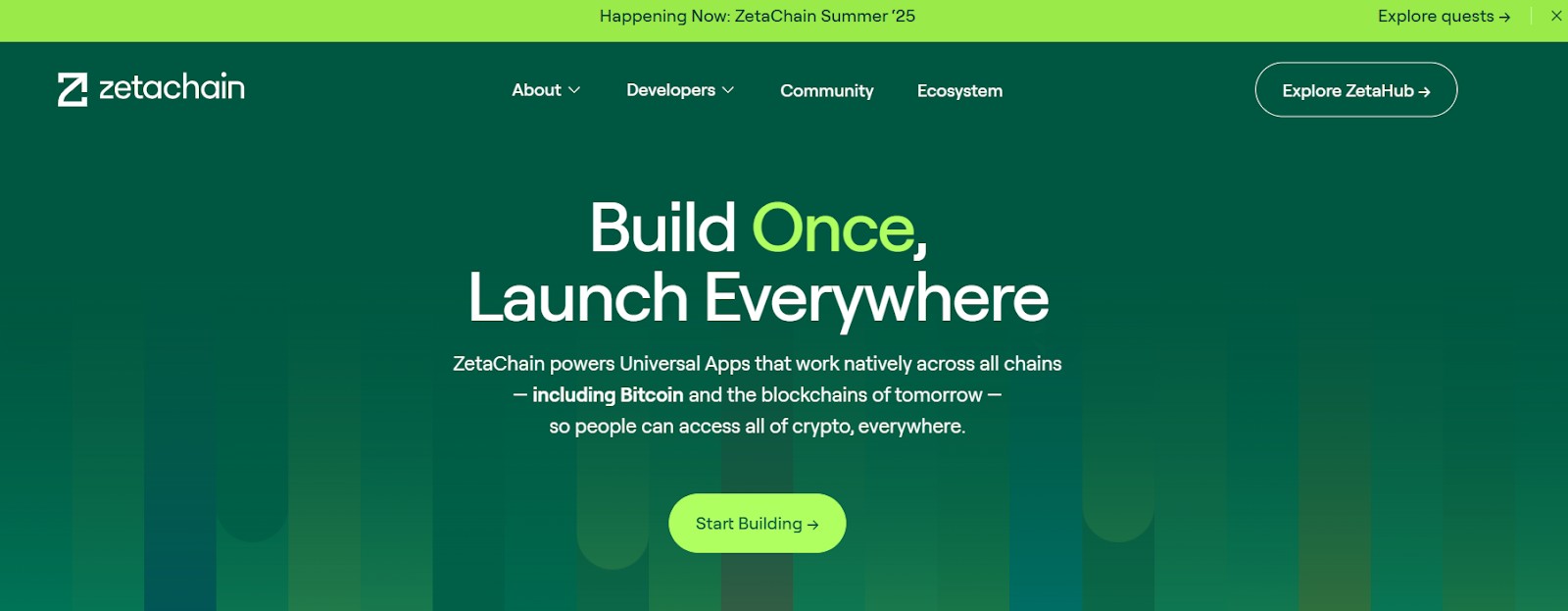
ZetaChain is an omnichain Layer 1 that connects major networks, including Bitcoin, without wrapped assets. It is one of the easiest Testnet Airdrops in 2026 for beginners.
Why it matters: real Bitcoin interoperability (not wrapped BTC) gives ZetaChain a unique selling point.
Airdrop strategy: heavy focus on user interaction – bridging, wallet linking, staking simulators.
Ideal user: beginners or general DeFi users.
Notable stat: 650,000+ wallets interacted during the testnet phase.
Scroll zkEVM
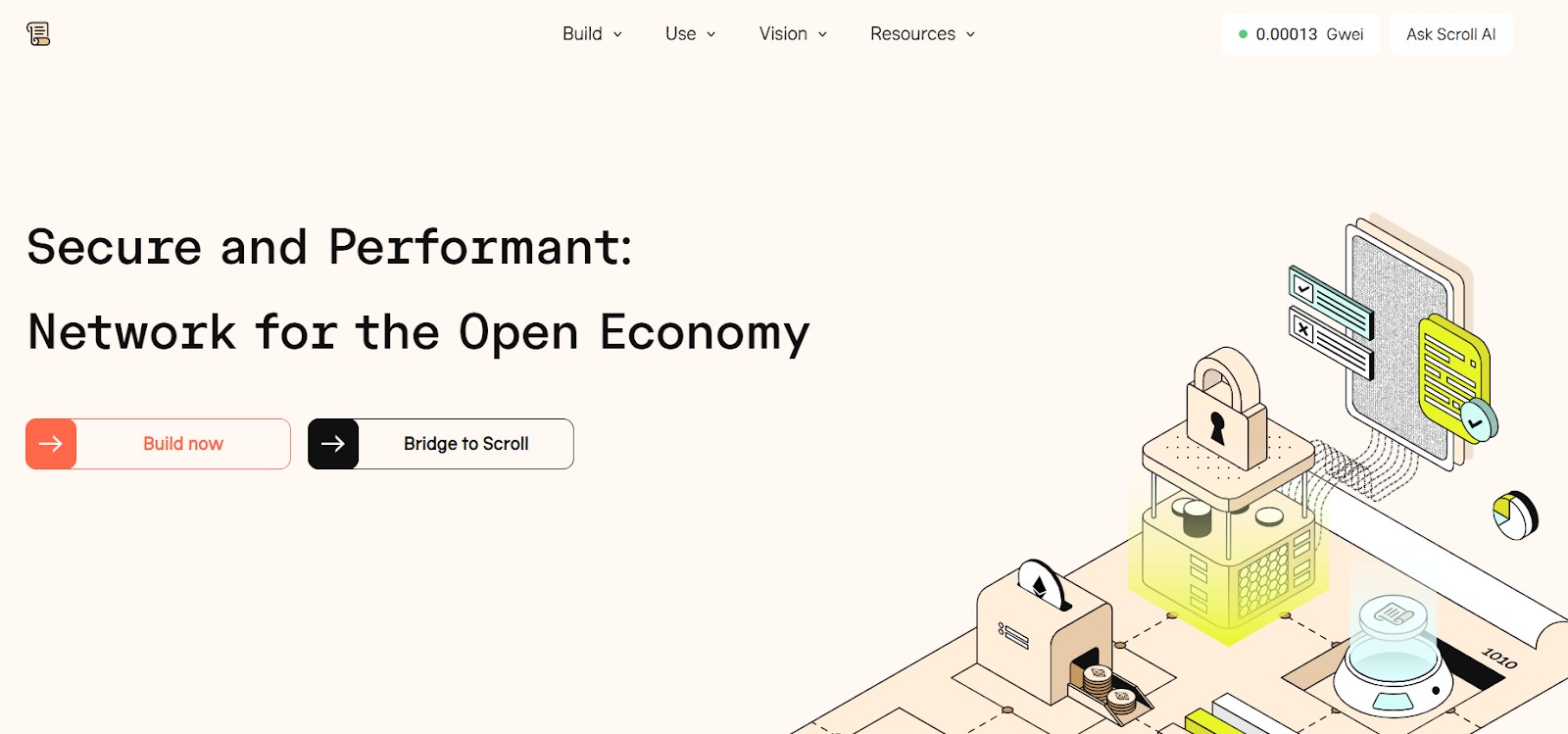
Scroll is a zkEVM Layer 2 that mirrors Ethereum’s environment, making it simple for developers to deploy contracts and test apps.
Why it matters: one of the leading zkEVMs alongside zkSync and Polygon zkEVM, Scroll is expected to play a critical role in Ethereum scaling.
Airdrop strategy: interactions include deploying contracts, swapping, bridging test ETH, and UI feedback.
Ideal user: developers and advanced testers.
Notable stat: 500,000+ users participated in Scroll’s testnet as of Q2 2025.
Taiko
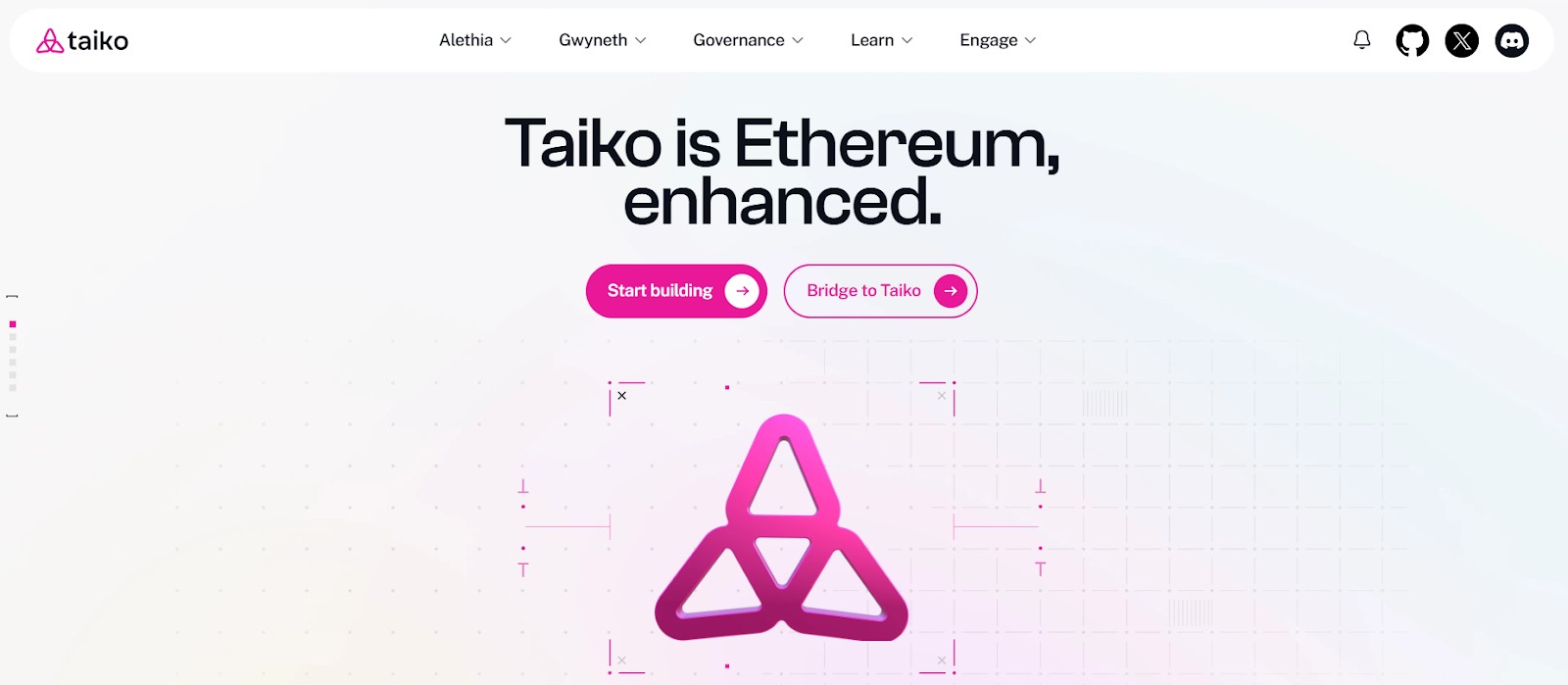
Taiko is a Type 1 zk-Rollup with full Ethereum equivalence. It allows users to test EVM features in a familiar setup.
Why it matters: offers full EVM compatibility without compromise.
Airdrop strategy: frequent “Alpha” testnets with milestone quests and Discord-based rewards.
Ideal user: developer-friendly, but user quests are beginner-accessible too.
Notable stat: over 210,000 active testnet participants.
Celestia
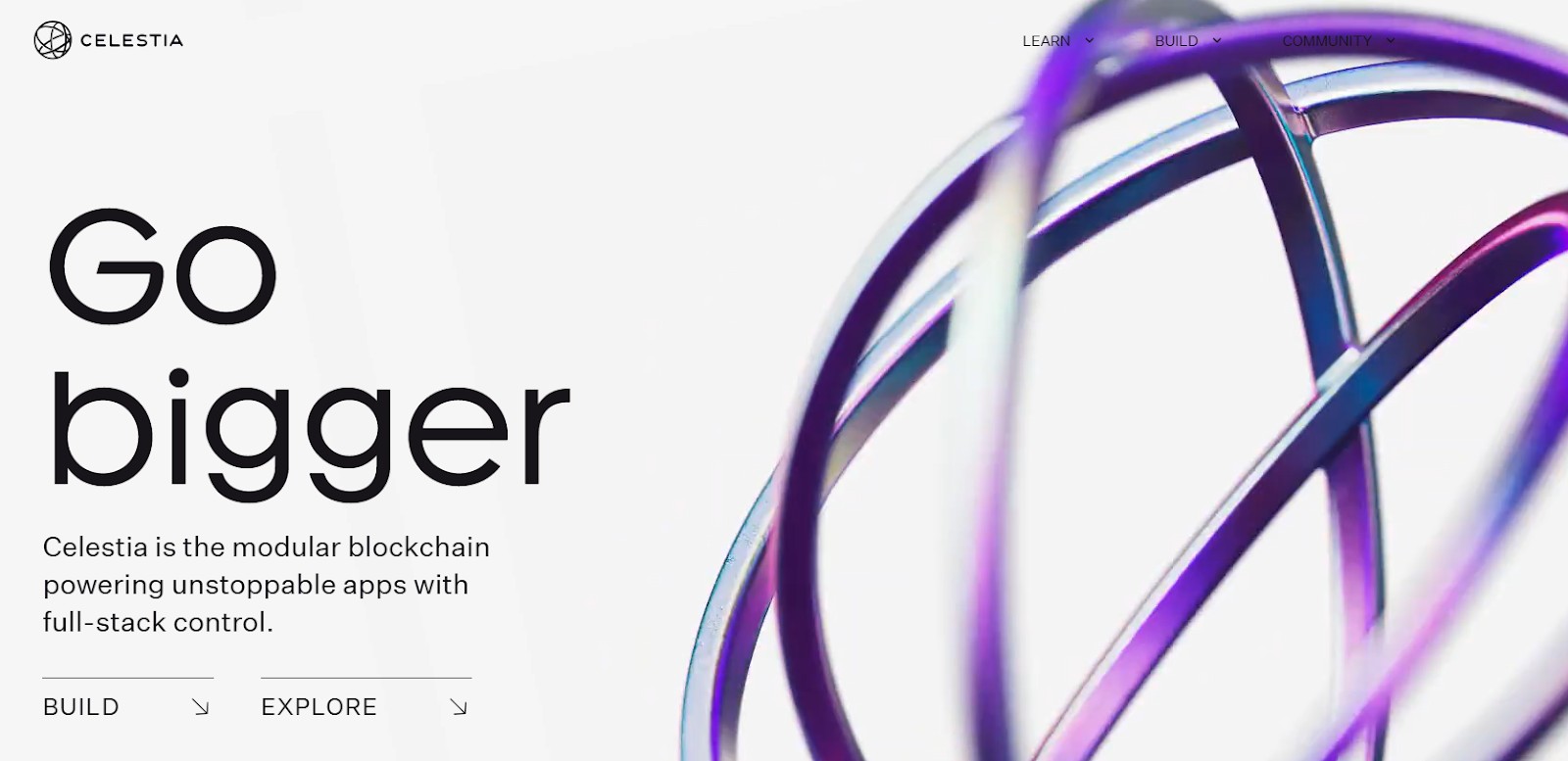
Celestia is a modular data availability network that powers rollups and chains by offering scalable DA layers.
Why it matters: pioneering modular data availability, enabling a new generation of scalable chains.
Airdrop strategy: delegations to light node operators, data availability validators, and RPC testers.
Ideal user: technical users comfortable running nodes.
Notable stat: mainnet launched in late 2023; testnet rewards continue into 2026.
Saga Protocol
Saga provides chainlets for games and dApps, letting developers deploy fast without managing infrastructure.
Why it matters: offers developers fast, isolated environments without writing complex infrastructure code.
Airdrop strategy: build and deploy games, test NFT minting, engage in gamified quests.
Ideal user: indie devs, Web3 game studios, or NFT creators.
Notable stat: over 95,000 registered developers across three alpha testnet phases.
Fuel Network
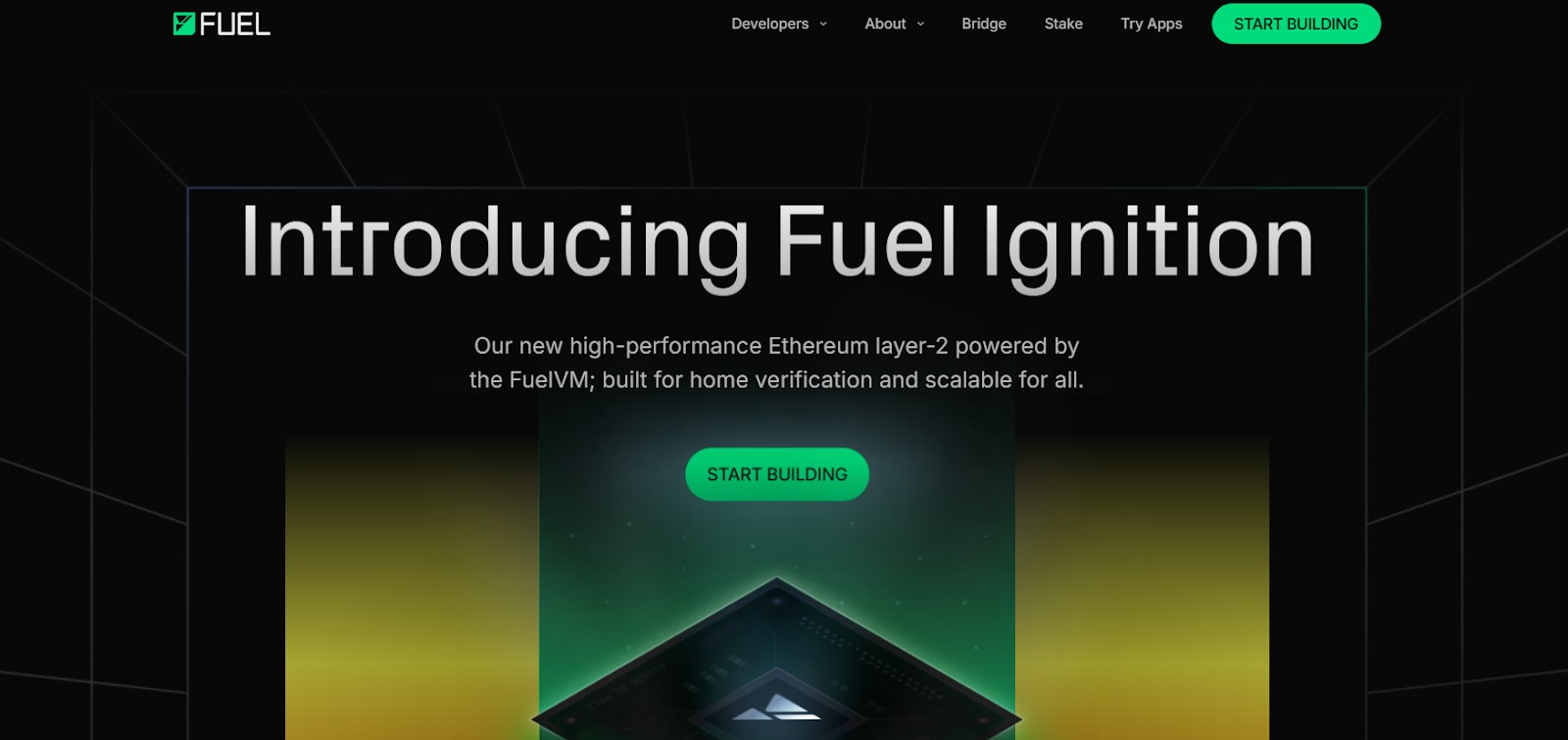
Fuel is a high-performance execution layer centered on parallelism and its native Sway language.
Why it matters: offers a Rust-like dev experience with significant scalability over traditional EVM chains.
Airdrop strategy: deploying smart contracts, running full nodes, contributing to the Sway ecosystem.
Ideal user: hardcore developers and technical contributors.
Notable stat: 180,000+ participants and an active GitHub contributor base.
LayerZero
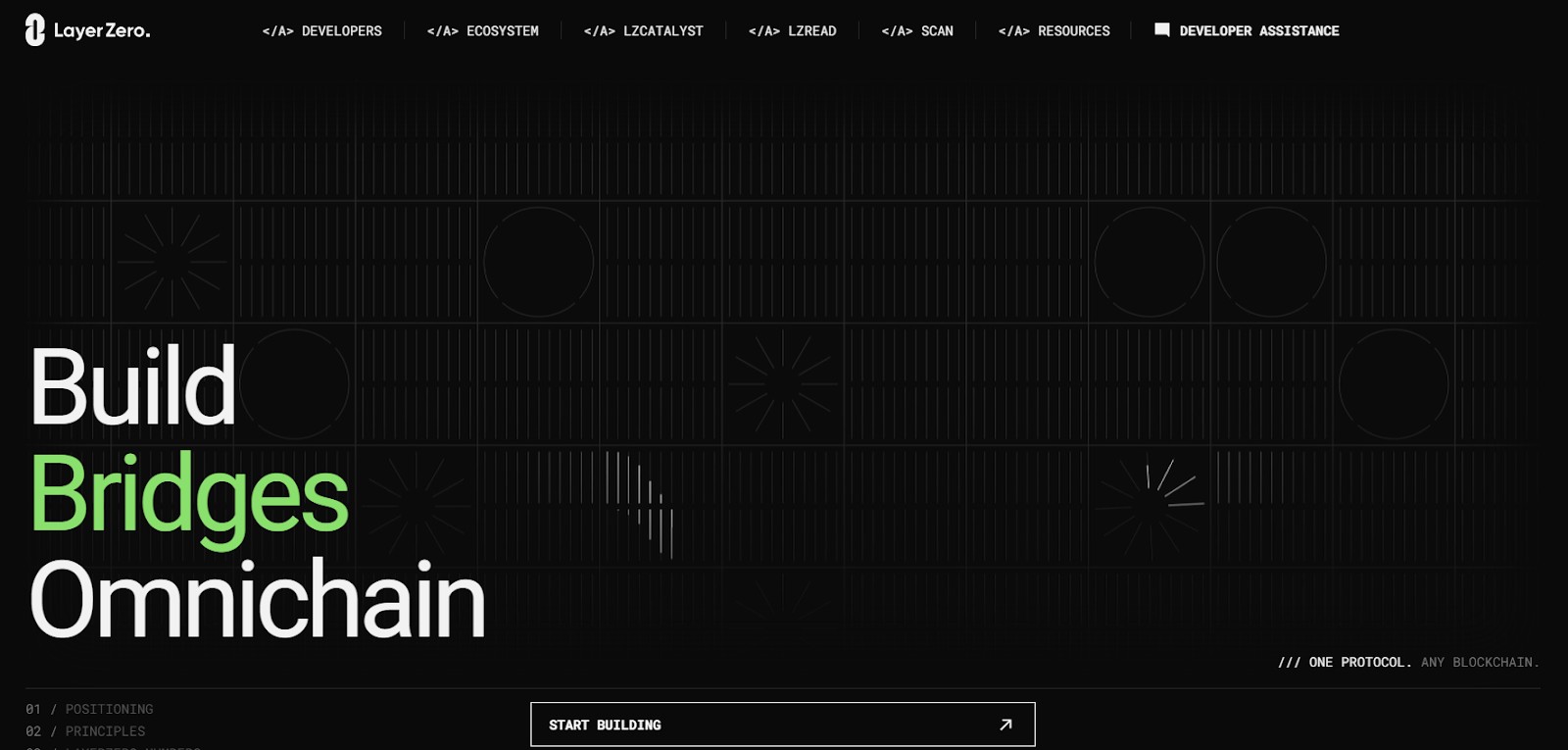
LayerZero powers cross-chain messaging and is used by many major dApps. It does not have a fixed Testnet but rewards activity across its ecosystem.
Why it matters: powering projects like Stargate Finance and expanding into NFTs and DeFi seamlessly.
Airdrop strategy: while no formal testnet exists, LayerZero-based dApps like Stargate, Tapioca, and Radiant all contribute to potential retroactive rewards.
Ideal user: advanced DeFi users bridging assets or experimenting with cross-chain tools.
Notable stat: over 700,000 wallet addresses interacted with LayerZero-based apps in the past 12 months.
Most promising and upcoming testnets
This section focuses on upcoming testnets and early-stage projects that are expected to launch or expand their testnet programs later in 2026. These testnets attract attention because of strong teams, new technology, or planned incentivized testing.
Berachain
Berachain is a new Layer 1 built around liquidity-driven consensus. Its testnet activity has increased as the team prepares for broader ecosystem testing.
Why it looks promising. Strong narrative; growing ecosystem; active community.
What to expect. Expanded testnet phases; dApp testing; validator activity.
Best suited for. Early adopters and DeFi-focused users.
EigenLayer (new testnet phases)
EigenLayer continues to expand its restaking model and is expected to roll out additional testnet environments.
Why it looks promising. Unique restaking concept; high ecosystem interest.
What to expect. Restaking simulations; operator testing; protocol integrations.
Best suited for. Advanced users and infrastructure participants.
Linea (new testnet iterations)
Linea is a zkEVM network backed by a large infrastructure provider and continues to refine its testnet tooling.
Why it looks promising. Enterprise backing; Ethereum compatibility; strong tooling.
What to expect. New testnet versions; dApp onboarding; user testing.
Best suited for. Developers and Ethereum users.
Movement Labs
Movement Labs is developing a Move-based execution environment aimed at high performance and safety.
Why it looks promising. Move language adoption; performance focus; early traction.
What to expect. Developer testnets; tooling experiments; early community roles.
Best suited for. Developers exploring non-EVM environments.
The most promising and upcoming testnets are best suited for users who want to join early and accept higher uncertainty. These projects often offer strong upside if incentivized testing or airdrops follow later. Among these early-stage projects, Somnia Testnet is also worth noting, as it offers a full testnet environment with faucet access, RPC connectivity, and on-chain tools for users who want to get involved early.
Research-driven evolution
Airdrop allocation models changed fast in 2026. Most projects now use merit-based scoring to reward real activity. These scoring models usually measure different traits to spot real users.
Scoring factors teams now use:
wallet longevity and steady interaction;
variety of tasks completed;
off-chain signals such as GitHub updates or Discord roles;
anti-Sybil filters that check wallet clusters and behavior patterns.
Sybil-resistance in action
Many testnet airdrops in 2026 use strong filters to block Sybil attacks. These systems help projects reward real users instead of automated wallets.
GitHub-linked wallets. Used by over 45% of testnets this year.
Zealy-based scoring systems. Evaluates quest engagement over time.
Snapshot checkpoints. Collected randomly to avoid manipulation.
IP and device fingerprinting. To detect multi-wallet operations.
Essential tools and setup
Before you start farming testnet airdrops in 2026, set up a few basic tools. These tools make it easier to track tasks and join new Testnet Airdrop programs.
Wallets. MetaMask, Rabby, Keplr (testnet-compatible).
Tools. Zealy, Galxe, Layer3 for task management.
Faucet access. For getting testnet ETH or MATIC.
GitHub presence. Some projects verify contributions.
This toolkit prepares you for testnet airdrop opportunities in 2026 and helps you stay consistent across many crypto testnet airdrops.
How much can you earn?
Active users often earn between a few hundred and several thousand dollars from testnet airdrops in 2026. The final amount depends on how often you test, how early you join, and how many features you try.
| Metric | Why it matters | What you should do | Examples |
|---|---|---|---|
| Activity consistency | Projects take multiple snapshots over time to assess real engagement | Interact with the testnet weekly (not once and disappear) | Weekly swaps on ZetaChain or Fuel Network |
| Breadth of tasks | Interacting with multiple dApps or features shows deeper testing and usability input | Try swaps, bridges, governance, validators – not just one simple action | Scroll: Swap + Bridge + Deploy contract |
| Test timing | Early participants are often rewarded more generously than late testers | Join testnets during Alpha or Phase 1 releases | Monad Alpha-1 scored higher than Beta testers |
| Community role | Projects value Discord activity, bug reports, and Zealy quests in airdrop scoring | Earn Discord roles, report real bugs, complete Zealy quests | Taiko’s airdrop factored in early Discord badges |
| On-chain reputation | Wallet history and lack of Sybil behavior increase trustworthiness | Use your main testnet wallet consistently and avoid automation abuse | GitHub-linked wallet on Celestia or LayerZero |
| Developer contributions | Protocols often reward code commits or GitHub PRs, especially open-source testnets | Contribute to documentation, test contracts, or fix issues | Fuel Network’s Sway contributors ranked highly |
If you're aiming for top testnet airdrops, it pays to focus on quality contributions over high-volume farming.
Strategy by user type
Different testnet airdrops reward different actions. Your strategy should match your experience and the time you want to invest. Beginners can focus on easy tasks, while developers can target high-value technical work.
For beginners
New users should start with easy tasks such as swapping, bridging, or joining quests.
Best options. ZetaChain; Saga Protocol; Taiko; Scroll.
What to do. Set up a wallet; join Discord; follow Galxe or Layer3 quests; check a Testnet Airdrop List in 2026.
Good habits. Weekly activity; simple swaps; bridging tasks; quiz-based quests.
For developers
Developers can earn more because many crypto testnet airdrops in 2026 reward technical work such as contract deployment or node testing.
Best options. Monad; Fuel Network; Scroll zkEVM; Celestia.
What to do. Deploy contracts; run nodes; contribute to GitHub; test SDKs.
Good habits. Link GitHub; fix issues; join Dev calls; test advanced features.
Why it works. Technical tasks score higher in many incentivized testnets.
Long-term trends and outlook
Engagement scoring grows. More than 60 percent of new Testnets track wallet activity; task mix; community input.
Stronger anti-Sybil checks. GitHub links; Discord roles; IP filters; device checks.
Retroactive drops return. Historical use of dApps and networks leads to surprise rewards.
Gamified tasks rise. Zealy, Layer3, and quest systems gain adoption.
Identity-based rewards. NFTs; badges; decentralized IDs.
| Trend | Forecast |
|---|---|
| Projects involving NFT‑based access passes | 30% of new testnets deployment using NFT gating by Q4 |
| Revenue-sharing drops (e.g. LEND model) | 1 in 4 new chains distributing tokens with ongoing dividends |
| Cross‑chain collaboration drops (LayerZero‑based) | Expected to drive 30–40% of om‑nichain airdrop programmes in 2025–26 |
Successful results in testnet airdrops in 2026 come from steady testing, joining early phases, and giving useful feedback. A clean wallet history also helps. To stay ahead, focus on trusted chains, follow project roadmaps, and stay active across several new Testnet projects instead of relying on a single network.
Once your favorite testnet airdrops turn into real mainnet tokens, you also need a simple way to trade, cash out, or rotate into other assets. That is where using some of the best crypto exchanges in your region becomes important, because they give you a reliable place to move tested ideas into real positions while keeping your activity organized across spot trading, long term holding, and occasional profit taking.
| Kraken | OKX | BTCC | Coinbase | Nebeus | |
|---|---|---|---|---|---|
|
Min. Deposit, $ |
10 | 10 | 10 | 10 | 5 |
|
Coins Supported |
278 | 329 | 399 | 249 | 30 |
|
Spot Taker fee, % |
0.4 | 0.1 | 0.3 | 0.5 | Not available |
|
Spot Maker Fee, % |
0.25 | 0.08 | 0.2 | 0.5 | Not available |
|
Alerts |
Yes | Yes | No | Yes | No |
|
Copy trading |
Yes | Yes | Yes | No | No |
|
TU overall score |
9.2 | 8.9 | 7.84 | 7.68 | 7.6 |
|
Open an account |
Go to broker Your capital is at risk. |
Go to broker Your capital is at risk. |
Go to broker Your capital is at risk.
|
Go to broker Your capital is at risk. |
Go to broker Your capital is at risk.
|
Steady activity across strong projects wins most

In my experience, the strongest results from testnet airdrops in 2026 come from steady participation, not quick farming. I look for projects that communicate clearly, update often, and show real user activity. When a Testnet feels active and well managed, the Airdrop usually follows with better rewards. I try to build a simple weekly routine because most scoring systems track consistent actions over time.
I also split my attention across several new testnet projects instead of focusing on one. This lowers risk and increases the chance of receiving multiple rewards. Projects like Monad, Scroll, Fuel, and ZetaChain offer a good mix of simple tasks and deeper technical options. When you stay organized and follow updates closely, you put yourself in a strong position for high-value Airdrops.
Conclusion
Participating early in testnet airdrops remains one of the most strategic moves for crypto enthusiasts aiming to capitalize on future gains. As highlighted in the article, projects like LayerZero and StarkNet showcase how proactive involvement can lead to significant rewards once mainnets launch and tokens distribute. The key takeaway is that diligence—tracking project criteria, staying engaged, and acting promptly—can make the difference between missing out and securing high-value allocations. Ultimately, those who view testnet participation as a vital part of their crypto strategy will be best positioned to seize the opportunities that 2026's top projects present.
FAQs
What are common mistakes to avoid when participating in testnet airdrops?
How do anti-Sybil measures affect user eligibility for testnet airdrop rewards?
Which user profiles are best suited for high-value testnet airdrop campaigns?
How should participants balance risk and reward when joining early-stage testnet projects?
Editors' Top Picks and Insights

Crypto test drive: How automakers are exploring digital assets

Lindsey Graham death: U.S. senator’s crypto legacy

Tether under pressure: USDT in Europe, audit questions, and the fight for trust

Lean Ethereum: Why Buterin wants to rebuild the network

SK Hynix debuts on Nasdaq: Largest U.S. offering by foreign company

SpaceX falls out of orbit: Does anyone still want Musk’s stock?
Related Articles
Team that worked on the article
Andrey Mastykin is an experienced author, editor, and content strategist who has been with Traders Union since 2020. As an editor, he is meticulous about fact-checking and ensuring the accuracy of all information published on the Traders Union platform.
Dan Blystone began his trading career in 1998 as an arbitrage clerk on the floor of the Chicago Mercantile Exchange (CME). He later traded bond and Eurex futures at proprietary firms such as Altea Trading, gaining valuable experience in high-frequency trading and risk management.
Chinmay Soni is a financial analyst with more than 5 years of experience in working with stocks, Forex, derivatives, and other assets. As a founder of a boutique research firm and an active researcher, he covers various industries and fields, providing insights backed by statistical data.
Copy trading is an investing tactic where traders replicate the trading strategies of more experienced traders, automatically mirroring their trades in their own accounts to potentially achieve similar results.
CFD is a contract between an investor/trader and seller that demonstrates that the trader will need to pay the price difference between the current value of the asset and its value at the time of contract to the seller.
Ethereum is a decentralized blockchain platform and cryptocurrency that was proposed by Vitalik Buterin in late 2013 and development began in early 2014. It was designed as a versatile platform for creating decentralized applications (DApps) and smart contracts.
Risk management is a risk management model that involves controlling potential losses while maximizing profits. The main risk management tools are stop loss, take profit, calculation of position volume taking into account leverage and pip value.
Bitcoin is a decentralized digital cryptocurrency that was created in 2009 by an anonymous individual or group using the pseudonym Satoshi Nakamoto. It operates on a technology called blockchain, which is a distributed ledger that records all transactions across a network of computers.

-
 Afghanistan
-
 Albania
-
 Algeria
-
 Angola
-
 Argentina
-
 Armenia
-
 Australia
-
 Austria
-
 Azerbaijan
-
 Bahamas
-
 Bahrain
-
 Bangladesh
-
 Belarus
-
 Belgium
-
 Bolivia
-
 Botswana
-
 Brazil
-
 Brunei
-
 Bulgaria
-
 Cambodia
-
 Cameroon
-
 Canada
-
 Chile
Chile
-
 China
China
-
 Colombia
-
 Congo
Congo
-
 Costa Rica
-
 Cote d'Ivoire
-
 Croatia
-
 Cuba
Cuba
-
 Cyprus
-
 Czechia
-
 DR Congo
-
 Denmark
-
 Dominican Republic
-
 Ecuador
-
 Egypt
Egypt
-
 El Salvador
-
 Estonia
-
 Eswatini
-
 Ethiopia
-
 Finland
-
 France
-
 Georgia
-
 Germany
-
 Ghana
Ghana
-
 Greece
-
 Haiti
Haiti
-
 Hong Kong
-
 Hungary
-
 India
India
-
 Indonesia
-
 Iran, Islamic republic
-
 Iraq
Iraq
-
 Ireland
-
 Israel
-
 Italy
Italy
-
 Jamaica
-
 Japan
Japan
-
 Jordan
-
 Kazakhstan
-
 Kenya
Kenya
-
 Korea
Korea
-
 Kuwait
-
 Kyrgyzstan
-
 Laos
Laos
-
 Latvia
-
 Lebanon
-
 Lesotho
-
 Libya
Libya
-
 Lithuania
-
 Luxembourg
-
 Madagascar
-
 Malaysia
-
 Malta
Malta
-
 Mauritius
-
 Mexico
-
 Moldova
-
 Mongolia
-
 Montenegro
-
 Morocco
-
 Mozambique
-
 Myanmar
-
 Namibia
-
 Nepal
Nepal
-
 Netherlands
-
 New Zealand
-
 Nigeria
-
 North Macedonia
-
 Norway
-
 Oman
Oman
-
 Pakistan
-
 Palestine
-
 Panama
-
 Papua New Guinea
-
 Paraguay
-
 Peru
Peru
-
 Philippines
-
 Poland
-
 Portugal
-
 Puerto Rico
-
 Qatar
Qatar
-
 Reunion
-
 Romania
-
 Rwanda
-
 Saudi Arabia
-
 Serbia
-
 Singapore
-
 Slovakia
-
 Slovenia
-
 Somalia
-
 South Africa
-
 Spain
Spain
-
 Sri Lanka
-
 Sweden
-
 Switzerland
-
 Syria
Syria
-
 Taiwan
-
 Tajikistan
-
 Tanzania
-
 Thailand
-
 Trinidad and Tobago
-
 Tunisia
-
 Turkey
-
 UAE
UAE
-
 Uganda
-
 Ukraine
-
 United Kingdom
-
United States
-
 Uruguay
-
 Uzbekistan
-
 Venezuela
-
 Vietnam
-
 Yemen
Yemen
-
 Zambia
-
 Zimbabwe
- Forex
- Crypto











