
How The Metaverse Is Reshaping The Crypto Gaming Economy


Editorial Note: While we adhere to strict Editorial Integrity, this post may contain references to products from our partners. Here's an explanation for How We Make Money. None of the data and information on this webpage constitutes investment advice according to our Disclaimer.
The metaverse gaming economy combines blockchain, NFTs, and crypto to let players truly own, trade, and earn from in-game assets. From earning tokens in games like Axie Infinity to owning virtual land in Decentraland, players can now turn play into real-world income. As these digital economies grow, success depends on smart strategy, strong communities, and fair token models. This new frontier is redefining gaming as a space for both entertainment and economic opportunity.
Step inside the next frontier of digital value, where the lines between game and reality blur, and players hold real economic power in their hands. In today’s Metaverse, your virtual armor or real estate plot isn't just for show; it could pay your rent, fund your next adventure, or launch a micro-business. This isn’t hype; it’s the daily reality for pioneering gamers, modders, and coders building living, breathing economies from code, community votes, and cryptographic collectibles.
Risk warning: Cryptocurrency markets are highly volatile, with sharp price swings and regulatory uncertainties. Research indicates that 75-90% of traders face losses. Only invest discretionary funds and consult an experienced financial advisor.
Introduction to the metaverse and gaming economy
The metaverse and blockchain gaming have quickly become two of the most talked-about trends in digital innovation. Together, they are reshaping how people interact, earn, and play. What started as immersive online games has evolved into virtual economies where digital assets hold real-world value. With blockchain and NFTs entering the scene, the line between gaming and investing continues to blur. Understanding this shift is essential for gamers, developers, and investors alike.
Defining the metaverse in the context of gaming
In gaming, the metaverse is more than just a virtual world, it is a shared digital space where players live out experiences, build value, and even earn income. It includes persistent, open-ended game worlds that continue even when you log out. Players have avatars, own digital goods, and interact with others in real time. These worlds are often immersive and social, blending entertainment with digital ownership.
Core elements:
Digital identity. Players create and customize avatars that represent them across games.
In-game economies. Games have their own currencies, items, and marketplaces.
Cross-world interaction. Some platforms aim to let players move items or identities between different games or virtual environments.
The metaverse deepens the gaming experience by transforming games into spaces for creativity, trade, and social connection. It also creates new opportunities for players to earn income, build reputation, and develop digital assets that hold real value.
Emergence of blockchain and NFTs in gaming
As of 2026, the NFT gaming market is poised for rapid expansion after being valued at approximately $4.8 billion in 2024 as per Glob. Forecasts suggest the market could reach $44.1 billion by 2034, reflecting a strong 24.8% CAGR. This growth is driven by rising adoption of blockchain-based game assets, play-to-earn models, and tokenized economies.
What NFTs enable:
Unique items. Each NFT represents a one-of-a-kind item, collectible, or property in the game.
Play-to-earn models. Players earn crypto or NFTs by completing tasks or winning battles, giving real-world value to gameplay.
Marketplace dynamics. Players can buy, sell, or trade items freely, often outside the game’s own ecosystem.

The play-to-earn segment alone is projected to exceed $5.4 billion in 2025, reinforcing its role in shaping the future of interactive entertainment. Platforms like Axie Infinity, Decentraland, and Dapper Labs are among the key players accelerating this trend.
Blockchain brought ownership to virtual assets, and NFTs made it possible for players to truly own parts of the game.
What blockchain adds to gaming:
True ownership. Unlike traditional games where items are controlled by the developer, blockchain lets players own their gear, skins, or currency.
Interoperability. Assets like NFTs can be moved or used across different platforms, depending on the game’s design.
Transparency. Blockchain allows players to verify rarity, trade history, and supply of in-game assets.
If you’re interested in NFT trading, you should open an account with one of the exchanges listed below. They are known for their NFT trading features. Using their services may enhance your experience with NFTs overall.
| OKX | Coinbase | Crypto.com | Cryptohopper | BTCC | |
|---|---|---|---|---|---|
|
Foundation year |
2017 | 2012 | 2016 | 2018 | 2011 |
|
NFT |
Yes | Yes | Yes | Yes | Yes |
|
Coins Supported |
600+ | 400+ | 400+ | 1000 | 399 |
|
Demo account |
Yes | No | No | No | Yes |
|
Min. Deposit, $ |
10 | 10 | 1 | No | 10 |
|
Regulation |
No | No | Malta Financial Services Authority | No | FCIS, FinCEN, FINTRAC |
|
TU overall score |
8.48 | 7.84 | 7.8 | 7.76 | 7.6 |
|
Open an account |
Go to broker Your capital is at risk. |
Go to broker Your capital is at risk. |
Go to broker Your capital is at risk. |
Go to broker Your capital is at risk. |
Go to broker Your capital is at risk.
|
Evolution of in-game economies
Gaming has always had some form of economy whether it was earning coins, trading gear, or unlocking upgrades. But with the rise of blockchain and crypto, in-game economies have moved beyond entertainment. They now involve real money, open markets, and financial systems that reward players directly. The shift from closed, developer-controlled environments to decentralized, player-owned models is changing how games are played and how value is created.
In the past, game economies were controlled by the developers. Players could earn or buy in-game items, but those assets were stuck inside the game and had no value outside it.
In traditional gaming models, players purchased skins, characters, or in-game currency directly from the publisher. These items existed only inside the game ecosystem, had no resale value, and could not be transferred or traded outside the platform. Developers fully controlled pricing, supply, and access, which meant players never truly owned the assets they spent money or time acquiring.
With the rise of play-to-earn models, this structure changed significantly. Players can now earn tokens or NFTs that carry real-world value and exist beyond a single game. These rewards can be traded, sold, or held like digital investments, allowing successful gameplay to generate actual income rather than just in-game status or cosmetic recognition.
Examples of this shift:
Axie Infinity lets players earn crypto by battling creatures. At its peak, some users in emerging markets earned more playing the game than working a job.
The Sandbox and Decentraland allow users to create, buy, and sell virtual land and items just like in real estate markets.
Time spent gaming now has financial upside. Gamers have more incentive to engage long-term. It creates new economic opportunities, especially in underbanked regions
Role of cryptocurrencies in virtual transactions
Crypto has become the backbone of modern in-game economies, powering trade, payments, and asset ownership.
How crypto fits in:
In-game currency. Many blockchain games use tokens like SAND, AXS, or MANA as their core currency.
Ownership and trade. Players can hold and trade these tokens in crypto wallets, just like any other digital asset.
Cross-game utility. Some tokens and items can be used across different games or platforms, thanks to open standards.
Using cryptocurrency in gaming offers several practical advantages. Transactions are often faster and cheaper than traditional payment systems, especially for cross-border transfers. Players gain full ownership of their in-game earnings, allowing them to store value outside the game and move funds freely between wallets or platforms. Crypto also opens access to decentralized finance tools such as staking, lending, and token swaps, which can help players grow or manage their in-game earnings beyond gameplay itself.

At the same time, there are important risks to consider. Game tokens can be highly volatile, with prices rising or falling sharply in short periods. On certain blockchain networks, gas fees may significantly reduce profits, especially during periods of congestion. Regulatory uncertainty is another factor, as crypto payments and blockchain-based games continue to be reviewed by authorities in different regions.
These dynamics are changing gaming at a structural level. Cryptocurrency allows players to trade assets without waiting for developer approval, adding real economic layers to virtual worlds. As a result, players gain greater control over how they spend their time, manage their money, and own digital assets, transforming games from closed systems into open.
Why crypto is changing gaming:
Lets players trade freely, without waiting for developer approval.
Brings real economic layers into virtual worlds.
Gives players more control over their time, money, and digital assets.
Key platforms shaping the crypto gaming landscape
Crypto gaming is not just a trend. It is turning into a real economy. A few platforms are leading this charge, giving players more than just entertainment. Games like Axie Infinity, Decentraland, and The Sandbox are showing how you can earn money, own land, or build experiences that others pay to use. Here’s how each one is shaping the future of gaming.
Overview of Axie Infinity and its economic model
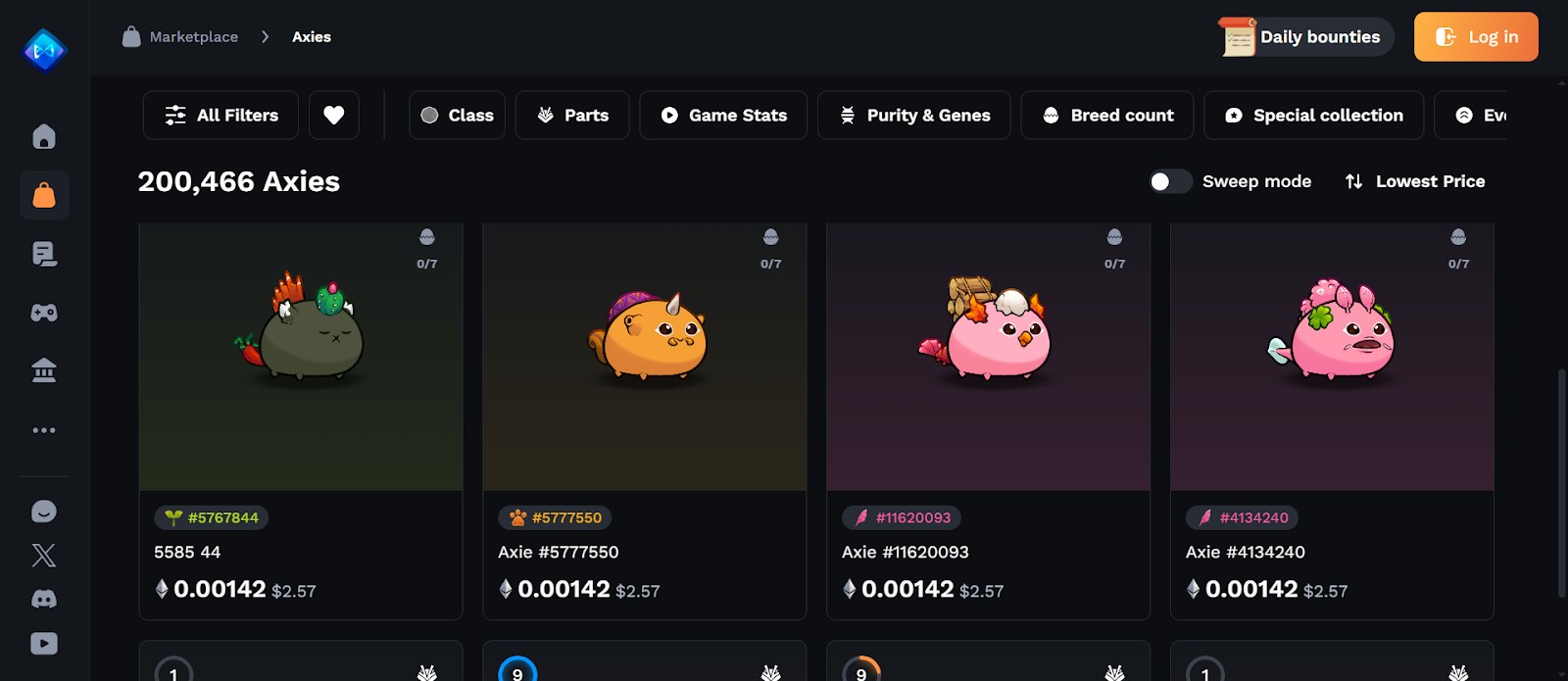
Axie Infinity helped introduce the world to the idea of playing games for real money.
How it works:
You collect and battle NFT creatures called Axies.
Winning earns you tokens, which you can trade or use to make more Axies.
To start, you need three Axies which act like both game pieces and investments.
Axie Infinity grew rapidly because it offered real income opportunities, especially in countries like the Philippines, where some players earned more from the game than from traditional jobs. Scholarship programs made entry easier by allowing new players to borrow Axies from asset owners and share the profits, which helped the ecosystem expand quickly. At its peak, the game functioned as a self-contained economy, supporting millions of active users until growth began to slow and the system became overcrowded.
The project started to struggle when too many tokens entered circulation, which reduced their value and weakened incentives for new players. Entry costs increased, making it harder for newcomers to participate, while the overall model depended heavily on continuous user growth to remain stable. When that growth slowed, the economic imbalance became clear.
The main lesson from Axie Infinity is that it is possible to build a real economy around gameplay, but long-term sustainability depends on sound economic design. Even a strong and engaged community cannot compensate for inflationary pressure or fragile incentives if the balance breaks.
Decentraland's approach to virtual real estate
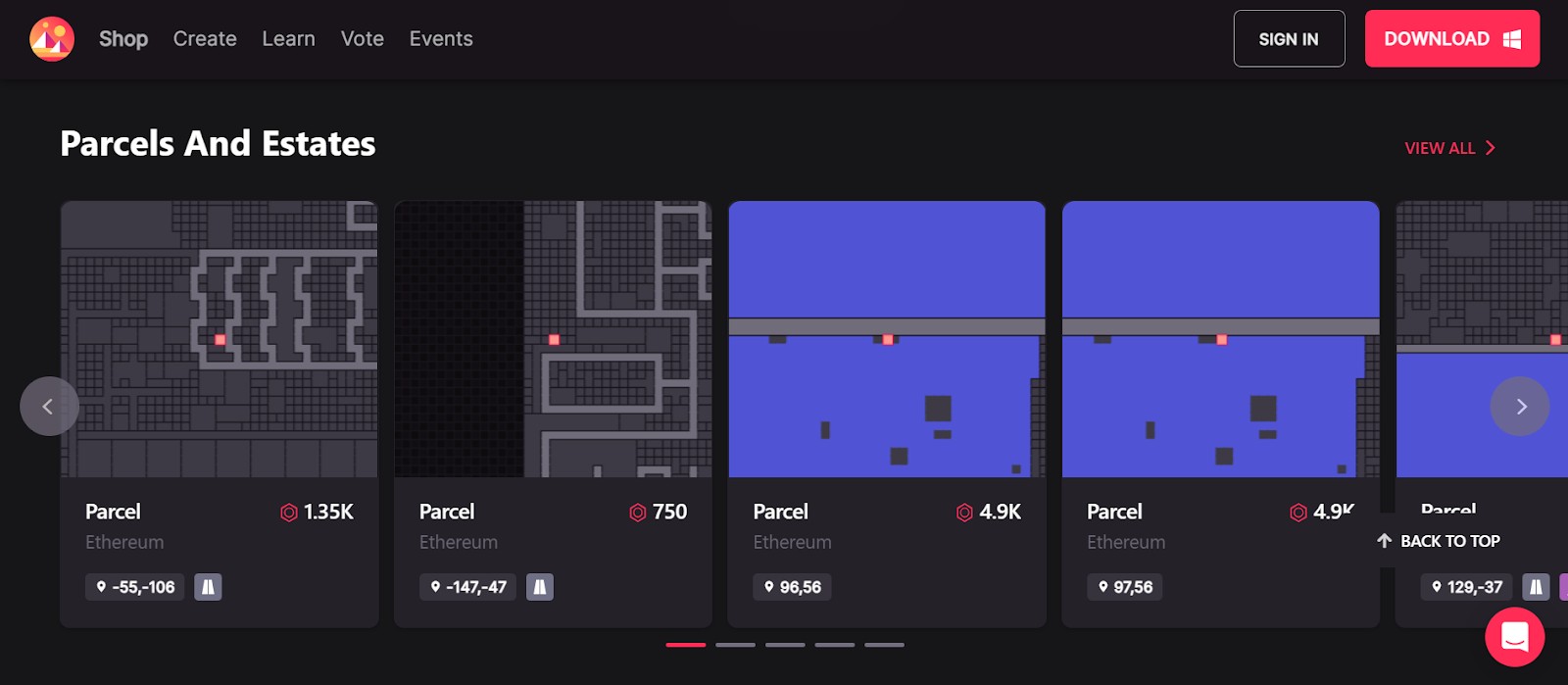
Decentraland turns digital land into something people and companies actually want to own.
How it works:
The world is made up of virtual land plots, sold as NFTs.
You can build anything like games, stores, art galleries, or hangout spots.
MANA is the currency used to buy land and trade inside the game.
Decentraland attracts attention because landowners have full control over what they build and how they use their virtual property. Real-world brands are increasingly buying digital land to host events, open virtual stores, or create interactive experiences, turning the platform into more than just a game. It is evolving into a shared digital space where people can work, socialize, and explore new forms of interaction.
The model works because users truly own what they create, which opens the door to new business models and creative freedom. Virtual land and assets can be used to generate income through events, services, or digital products, giving users economic incentives beyond entertainment. At the same time, there are important factors to consider. Land prices are highly sensitive to hype and can fluctuate sharply, building meaningful experiences requires either technical skills or capital, and the ecosystem is still in an early stage with a relatively limited active user base.
The Sandbox and user-generated content monetization
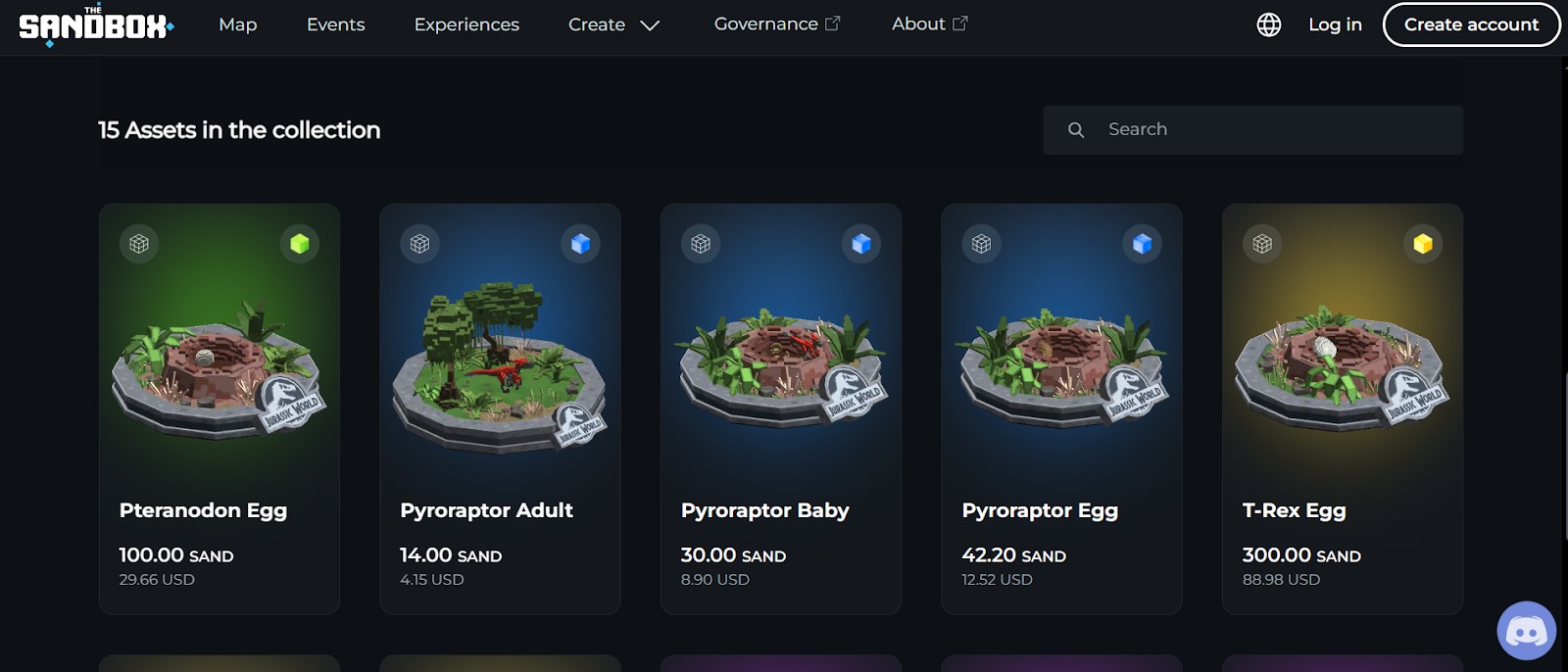
The Sandbox gives players the tools to build their own worlds and get paid for it.
How it works:
You can buy land, create your own games, and sell custom assets.
Everything is tokenized so your creations can be owned and traded.
SAND is the token used for all purchases and rewards.
What makes this platform different is that it focuses on creation rather than just gameplay. Users can design entire experiences, build interactive worlds, and sell their creations like digital products. This creative freedom has attracted not only independent developers but also major brands and celebrities who are building their own spaces inside the platform.
People are drawn to it because players are not limited to consuming content; they become game makers and digital business owners. Well-known names such as Snoop Dogg and Adidas have already joined the ecosystem, reinforcing its visibility and appeal. The platform shifts creative power and profit potential into the hands of the community rather than centralized publishers.
At the same time, there are factors to watch closely. The platform’s success depends heavily on active creators and sustained user engagement. Market hype can quickly inflate asset prices or cause sharp corrections, and unlocking the platform’s full potential requires time and effort to learn its creation tools.
Virtual assets as emerging asset classes
Digital assets like NFTs and virtual land have gone from niche to valuable. They are not just for gamers or collectors anymore. They are being treated as serious investments. These assets live on blockchains, but they are now part of conversations about wealth, ownership, and future value. Knowing how they are priced and what moves their market is becoming just as important as understanding stocks or real estate.
Valuation of NFTs and digital land
While there is no universal formula for pricing NFTs or virtual land, recognizable patterns are beginning to take shape. Factors like rarity, utility, community demand, and platform reputation play a significant role in determining their value.
| Factor | NFTs | Metaverse land |
|---|---|---|
| Scarcity | Fewer copies increase value | Limited supply raises demand |
| Source | Famous creators and iconic collections sell higher | Established platforms trade higher |
| Utility | Functional NFTs are worth more | Build-friendly land has higher value |
| Location / visibility | Cultural relevance boosts price | Proximity to popular areas matters |
| History | Early collections gain premium | Early plots benefit from adoption |
Factors influencing virtual asset prices
Prices in the digital world rise and fall based on hype, usefulness, and community power:
Speculation and hype. A lot of value comes from what people think will be big next. Buzz from celebrities or viral moments can send prices soaring. Rapid price gains are common, but steep declines often follow just as quickly.
Platform strength. If a game or metaverse grows, the assets inside it often grow too. New features, events, or updates keep users engaged and attract buyers.
Ease of selling. The easier it is to trade or resell, the more buyers are willing to pay. Some high-value NFTs are difficult to price or resell due to limited market references.
Laws and rules. New crypto laws or platform bans can shake the market. Clear rules help buyers feel safer and more willing to invest.
Community influence. Strong, loyal fan bases help digital assets hold long-term value. When an NFT becomes widely recognized or culturally relevant, it can evolve into a digital brand with lasting impact.
Crypto News

U.S. Treasury backs crypto oversight as strategic tool in U.S.-China tech race

Robinhood quarterly profit falls as weaker crypto trading offsets broader transaction growth

OKXICE tokenized stock plan faces more issuer opt-outs
Crypto sector prepares quantum security upgrades as wallet risks come into focus

Crypto.com rolls out U.S. crypto perpetual futures with OG.com

Brazil companies boost stablecoin trading after election shock
Specialize, seek hidden opportunities, build real skills

Forget the usual advice about simply earning tokens or flipping virtual land. If you really want to get a head start in the metaverse and crypto-driven game worlds, become obsessed with the mechanics beneath the surface. Look for quiet corners where builders and modders work, not just popular “play to earn” projects. Find those small DAOs or collectives experimenting with how game assets and community rules work. The earliest hints of opportunity always appear there, and the lessons you pick up about voting, asset management, and group strategy will serve you much better than just following big headlines.
Once you are involved, resist the urge to dabble in every shiny new project. Instead, pick one space that fascinates you and go deep. Specialize. Maybe you get skilled at designing custom skins, reading the fine print on how tokens fit into gameplay, or managing a tiny in-game economy for your guild. Reach out to the old hands: people who create mods, write community guides, or quietly run things no one talks about. They are often generous with real knowledge in metaverse communities, and that insight lets you build rare skills. That is how you become valuable in these virtual economies, not just earning, but growing into a role with real demand and respect.
Conclusion
The fusion of the metaverse and crypto-economy is fundamentally transforming how games are played, built, and monetized. By integrating NFTs, blockchain technology, and play-to-earn models, players now have genuine ownership of digital assets, opening up unprecedented opportunities for creativity and profit. Games like Axie Infinity exemplify the shift from mere gameplay to vibrant, user-driven economies where virtual achievements translate into real-world value. As digital worlds continue to evolve, the most significant takeaway is clear: the future of gaming lies in empowering players to not only experience but truly own and shape their virtual destinies.
FAQs
How does interoperability between different games impact the crypto-economy of the metaverse?
What risks should players consider when investing in virtual assets like NFTs or virtual land?
How do play-to-earn models influence economic opportunity in regions with limited banking access?
What factors contribute to the valuation of digital assets in the metaverse gaming economy?
Editors' Top Picks and Insights





Related Articles
Team that worked on the article
Ashutosh Sureka is a finance professional specializing in financial research, credit assessment, and equity analysis.
Dan Blystone began his trading career in 1998 as an arbitrage clerk on the floor of the Chicago Mercantile Exchange (CME). He later traded bond and Eurex futures at proprietary firms such as Altea Trading, gaining valuable experience in high-frequency trading and risk management.
Chinmay Soni is a financial analyst with more than 5 years of experience in working with stocks, Forex, derivatives, and other assets. As a founder of a boutique research firm and an active researcher, he covers various industries and fields, providing insights backed by statistical data.
Bitcoin is a decentralized digital cryptocurrency that was created in 2009 by an anonymous individual or group using the pseudonym Satoshi Nakamoto. It operates on a technology called blockchain, which is a distributed ledger that records all transactions across a network of computers.
Crypto trading involves the buying and selling of cryptocurrencies, such as Bitcoin, Ethereum, or other digital assets, with the aim of making a profit from price fluctuations.
Cryptocurrency is a type of digital or virtual currency that relies on cryptography for security. Unlike traditional currencies issued by governments (fiat currencies), cryptocurrencies operate on decentralized networks, typically based on blockchain technology.
An investor is an individual, who invests money in an asset with the expectation that its value would appreciate in the future. The asset can be anything, including a bond, debenture, mutual fund, equity, gold, silver, exchange-traded funds (ETFs), and real-estate property.
Index in trading is the measure of the performance of a group of stocks, which can include the assets and securities in it.

-
 Afghanistan
-
 Albania
-
 Algeria
-
 Angola
-
 Argentina
-
 Armenia
-
 Australia
-
 Austria
-
 Azerbaijan
-
 Bahamas
-
 Bahrain
-
 Bangladesh
-
 Belarus
-
 Belgium
-
 Bolivia
-
 Botswana
-
 Brazil
-
 Brunei
-
 Bulgaria
-
 Cambodia
-
 Cameroon
-
 Canada
-
 Chile
Chile
-
 China
China
-
 Colombia
-
 Congo
Congo
-
 Costa Rica
-
 Cote d'Ivoire
-
 Croatia
-
 Cuba
Cuba
-
 Cyprus
-
 Czechia
-
 DR Congo
-
 Denmark
-
 Dominican Republic
-
 Ecuador
-
 Egypt
Egypt
-
 El Salvador
-
 Estonia
-
 Eswatini
-
 Ethiopia
-
 Finland
-
 France
-
 Georgia
-
 Germany
-
 Ghana
Ghana
-
 Greece
-
 Haiti
Haiti
-
 Hong Kong
-
 Hungary
-
 India
India
-
 Indonesia
-
 Iran, Islamic republic
-
 Iraq
Iraq
-
 Ireland
-
 Israel
-
 Italy
Italy
-
 Jamaica
-
 Japan
Japan
-
 Jordan
-
 Kazakhstan
-
 Kenya
Kenya
-
 Korea
Korea
-
 Kuwait
-
 Kyrgyzstan
-
 Laos
Laos
-
 Latvia
-
 Lebanon
-
 Lesotho
-
 Libya
Libya
-
 Lithuania
-
 Luxembourg
-
 Madagascar
-
 Malaysia
-
 Malta
Malta
-
 Mauritius
-
 Mexico
-
 Moldova
-
 Mongolia
-
 Montenegro
-
 Morocco
-
 Mozambique
-
 Myanmar
-
 Namibia
-
 Nepal
Nepal
-
 Netherlands
-
 New Zealand
-
 Nigeria
-
 North Macedonia
-
 Norway
-
 Oman
Oman
-
 Pakistan
-
 Palestine
-
 Panama
-
 Papua New Guinea
-
 Paraguay
-
 Peru
Peru
-
 Philippines
-
 Poland
-
 Portugal
-
 Puerto Rico
-
 Qatar
Qatar
-
 Reunion
-
 Romania
-
 Rwanda
-
 Saudi Arabia
-
 Serbia
-
 Singapore
-
 Slovakia
-
 Slovenia
-
 Somalia
-
 South Africa
-
 Spain
Spain
-
 Sri Lanka
-
 Sweden
-
 Switzerland
-
 Syria
Syria
-
 Taiwan
-
 Tajikistan
-
 Tanzania
-
 Thailand
-
 Trinidad and Tobago
-
 Tunisia
-
 Turkey
-
 UAE
UAE
-
 Uganda
-
 Ukraine
-
 United Kingdom
-
United States
-
 Uruguay
-
 Uzbekistan
-
 Venezuela
-
 Vietnam
-
 Yemen
Yemen
-
 Zambia
-
 Zimbabwe
- Forex
- Crypto












