
How To Make Money With Crypto For Beginners


Editorial Note: While we adhere to strict Editorial Integrity, this post may contain references to products from our partners. Here's an explanation for How We Make Money. None of the data and information on this webpage constitutes investment advice according to our Disclaimer.
Best ways to make money with crypto:
Staking – earn passive income by locking coins in proof-of-stake networks.
Long-term holding (HODL) – benefits from multi-year market cycles and capital growth.
Active trading – generate returns through short-term price movements with risk control.
Copy trading – follow experienced traders automatically with variable performance.
Yield farming – earn higher rewards by providing liquidity in DeFi protocols.
Airdrops – receive free tokens for early participation in new crypto projects.
Presales (ICOs/IDOs) – invest early in new tokens with high risk and potential upside.
Crypto mining – capital-intensive method where profitability depends on electricity costs, scale, and hardware efficiency.
Play-to-earn & NFTs – earn through games and digital assets with highly variable and often unstable returns.
Earning from crypto is possible, but outcomes vary widely. The method you choose, the amount of capital you start with, and how much time you can commit all matter. Many beginners ask whether you can make money with crypto consistently, but the answer depends on matching the strategy to your risk tolerance and experience level.
This guide breaks down practical ways to make money with crypto, from low-effort options like staking to more demanding approaches such as active trading. Each section explains realistic return ranges, required effort, and key risks, so expectations stay grounded rather than promotional.
Risk warning: Cryptocurrency markets are highly volatile, with sharp price swings and regulatory uncertainties. Research indicates that 75-90% of traders face losses. Only invest discretionary funds and consult an experienced financial advisor.
Best ways to make money with crypto
Staking with predictable income
Staking is one of the simplest and most stable ways to make money with crypto, especially for users who prefer passive income over frequent trading. It involves locking coins on a proof-of-stake network to help validate transactions in exchange for regular rewards.
Typical staking conditions include:
Annual yield ranges. Around 3 to 5 percent for Ethereum and 6 to 12 percent for smaller proof-of-stake networks.
Lock-up periods. From flexible staking with daily withdrawals to fixed terms lasting up to 12 months.
Capital requirements. Often no minimum amount on centralized platforms, while on-chain staking may require higher balances.
Staking is commonly used by investors learning how to make money with crypto for beginners, because it avoids constant decision-making and reduces emotional mistakes. Rewards are paid automatically, making it easier to hold assets through full market cycles.
This method works best for long-term holders who do not need immediate access to their funds. Early withdrawals during lock-up periods may reduce rewards or trigger penalties, depending on platform rules.
From a risk perspective, staking does not remove price volatility. You can still make money with crypto through staking rewards, but token prices may decline during bear markets. For that reason, many users combine staking with long-term holding rather than relying on staking alone for income.
Long-term holding
Long-term holding is one of the most reliable ways to make money with crypto for users who do not want daily involvement. Instead of trading frequently, investors build positions gradually and hold them through full market cycles.
This method is how people make money with crypto over time rather than through short-term speculation. Crypto markets typically move in multi-year cycles shaped by adoption trends, liquidity conditions, and broader economic factors.
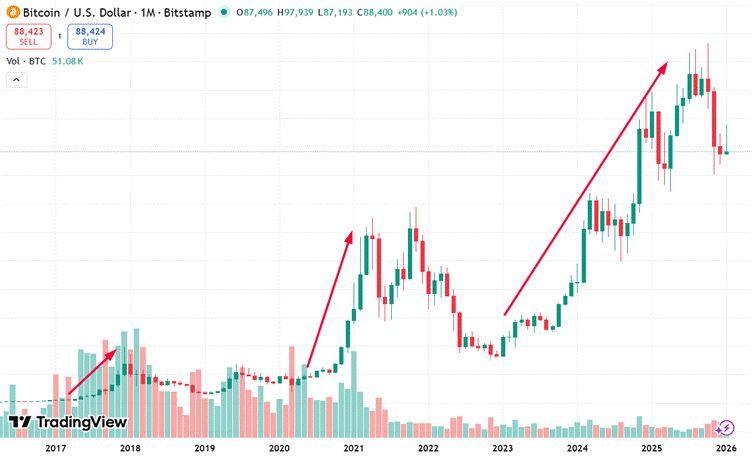
Typical long-term investing characteristics include:
Holding periods. Usually 18 to 36 months, covering one complete market cycle.
Price drawdowns. Temporary declines of 60 to 80 percent are common before recovery.
Return potential. Strong cycles have historically produced gains of 60 percent or more from cycle lows to highs.
Long-term holding reduces the need for constant monitoring and frequent decision-making. It also lowers transaction costs and helps investors avoid emotional trading during short-term volatility. Many participants spread their entries over 6 to 24 months instead of committing all capital at once.
This approach is often considered the best way to make money with crypto for disciplined investors, but patience is essential. Selling too early during market swings is the most common mistake. Clear entry plans and predefined profit targets help maintain consistency.
Active trading and scalping
Active trading is one way to make money with crypto for users willing to invest time and develop discipline. It involves buying and selling assets over short periods to capture price movements rather than holding through full cycles.
Learning this method helps understand how to make money with cryptocurrency through skill and consistency rather than patience alone. Results depend heavily on risk management, execution quality, and emotional control.
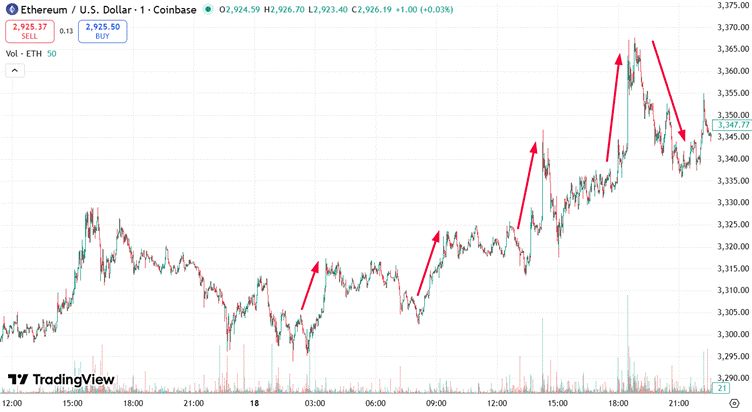
Typical characteristics of active trading include:
Time commitment. Around 2 to 6 hours per day for analysis, execution, and review.
Win rates. Commonly 45 to 55 percent for retail traders with structured systems.
Return expectations. About 2 to 8 percent per month in stable market conditions.
Loss exposure. Monthly drawdowns of 5 to 15 percent without strict limits.
Scalping is a faster version of active trading, often involving 20 to 50 trades per day. While it can accelerate gains, it also increases fees and magnifies mistakes. Many traders fail not because the strategy is flawed, but because they overtrade or ignore risk limits.
So it is evident that active trading is not the best way to make money with crypto for most people. Psychological strain, inconsistent execution, and capital erosion from small errors make it unsuitable for beginners. Traders who succeed usually focus on a single market, limit position size, and stop trading during unfavorable conditions.
Copy trading with performance variability
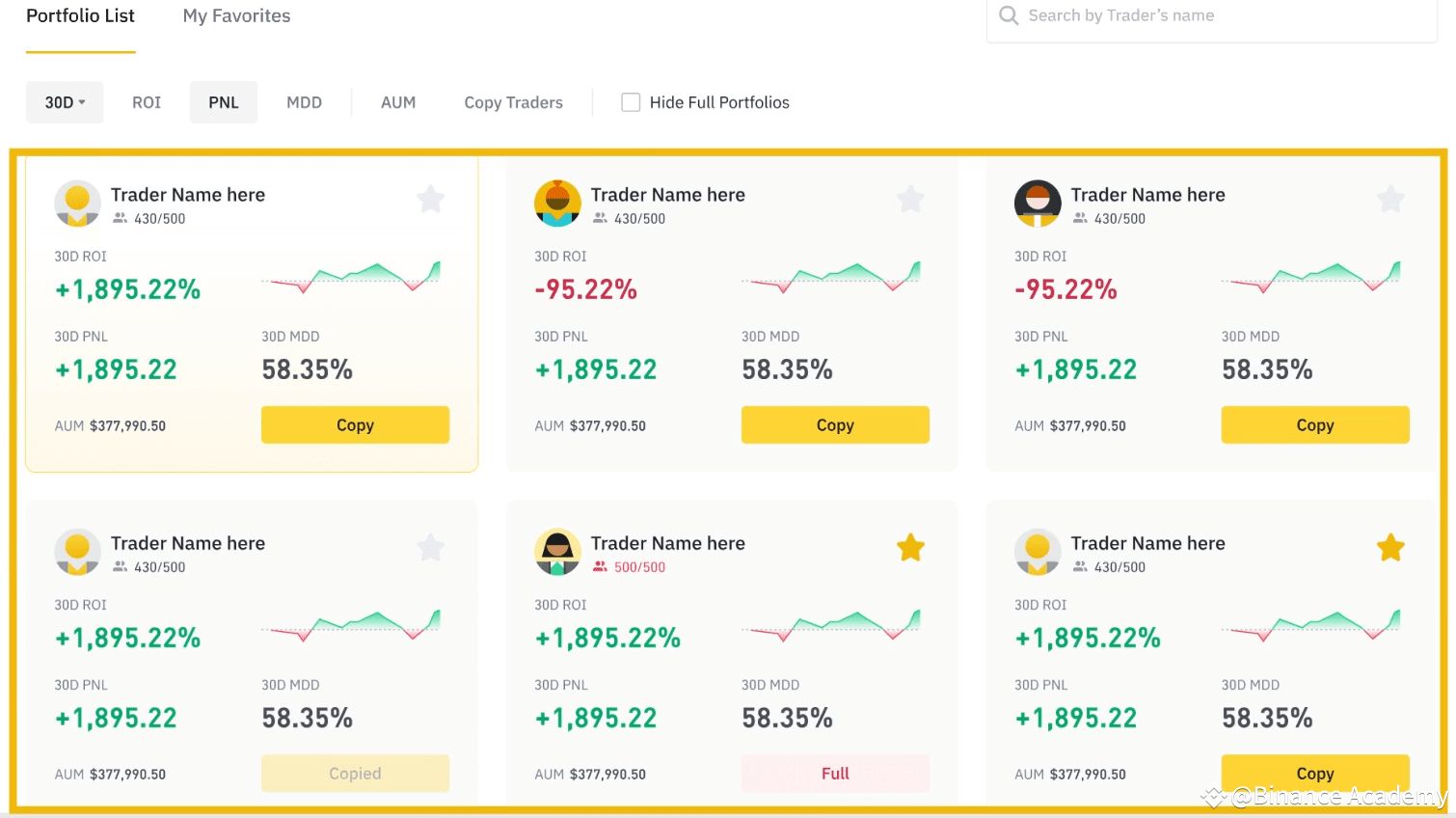
Copy trading allows users to make money with crypto by automatically replicating the trades of more experienced traders. Instead of placing trades manually, users allocate funds to follow selected strategies in real time.
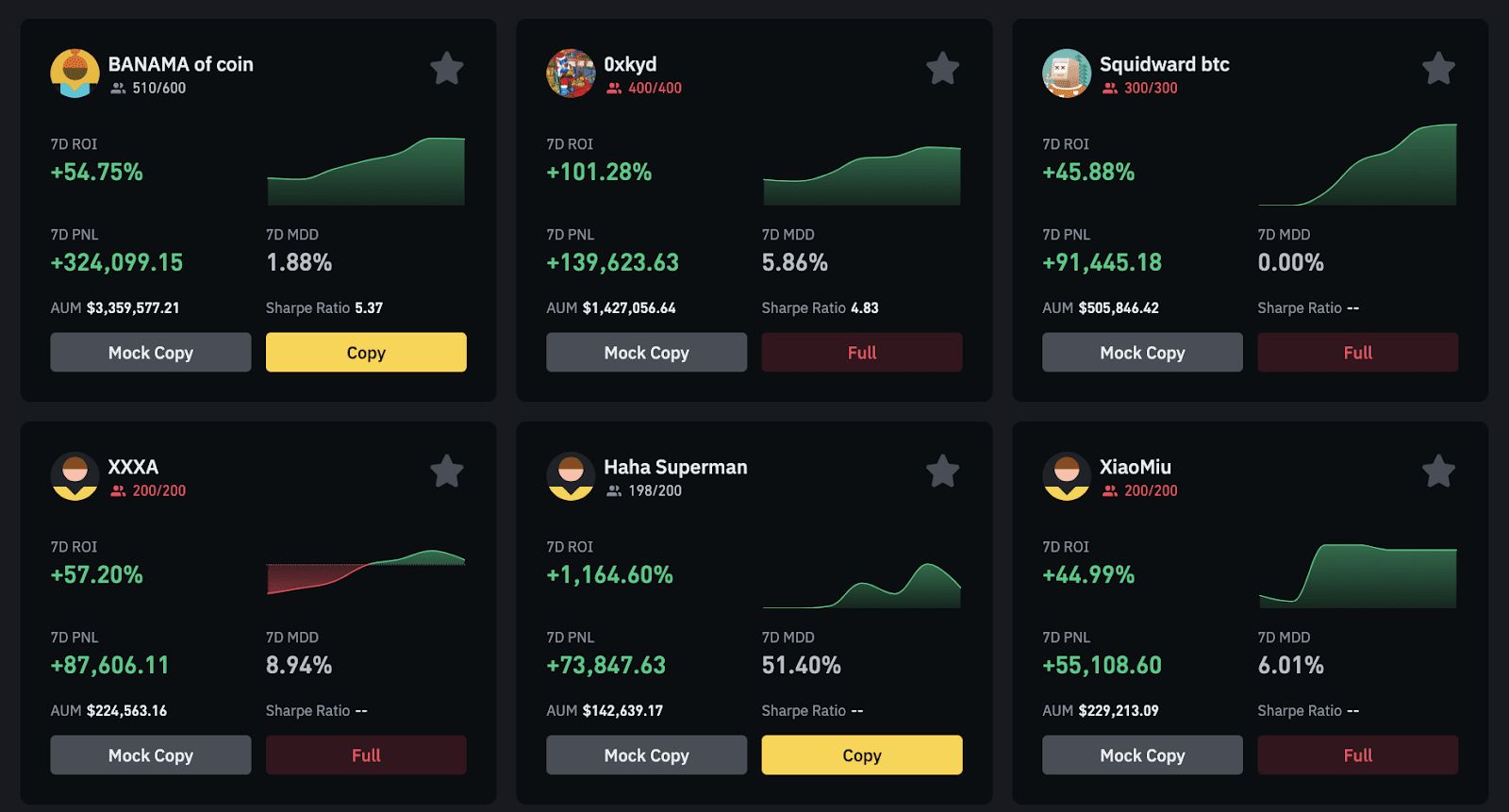
Typical copy trading characteristics include:
Capital requirements. Commonly between $500 and $2,000 to allow basic diversification.
Performance patterns. Profitable results often appear in 4 to 7 months per year for top-ranked traders.
Drawdowns. Temporary losses of 20 to 40 percent during losing periods are common.
Time involvement. About 1 to 3 hours per week to monitor performance and adjust allocations.
Copy trading is often used by people exploring how they can make money with crypto without trading actively. It reduces the learning curve but still exposes capital to market swings and strategy errors.
So this is not how to make money fast with crypto. Sudden market reversals can lead to sharp losses, especially when copied traders use leverage. Consistent results usually come from choosing traders with long performance histories and controlled risk rather than chasing short-term gains.
Yield farming with higher volatility
Yield farming is one of the more advanced ways to make money with crypto. It involves providing liquidity to decentralized finance protocols in exchange for rewards paid in fees or newly issued tokens.
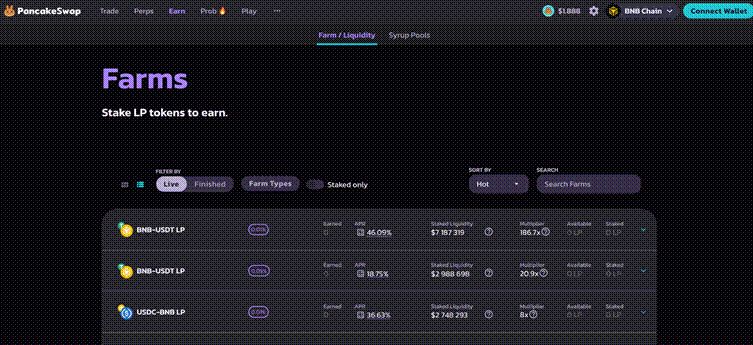
Typical yield farming characteristics include:
Annual yield ranges. Commonly between 8 and 40 percent, depending on incentives and market conditions.
Impermanent loss. Temporary or permanent capital losses of 5 to 30 percent during high volatility.
Monitoring needs. Positions often require weekly or even daily adjustments.
Technical risk. Smart contract bugs and protocol exploits remain a major threat.
Yield farming explains how people make money with crypto during high-liquidity periods, but results vary widely. In many cases, high advertised yields decline quickly once incentives end.
This approach is not the best way to make money with crypto for most users. It requires technical knowledge, constant attention, and careful platform selection. Farming works best for experienced users who actively manage exposure and avoid concentrating funds in a single protocol.
Airdrops and giveaways
Airdrops and participation-based rewards are low-cost ways to make money with crypto, usually requiring time rather than upfront capital. Users earn tokens by interacting with new networks, testing platforms, or completing community tasks.

Typical characteristics include:
Reward size. Often between $50 and $2,000 per successful airdrop, depending on project adoption.
Time investment. Roughly 10 to 50 hours per ecosystem over several weeks or months.
Success rate. Low, since only a small percentage of projects gain long-term traction.
Liquidity risk. Tokens may have limited trading volume or vesting restrictions.
Airdrops are sometimes mentioned when discussing how to make money fast with crypto, but speed is misleading. Rewards are irregular, require patience, and may lose value quickly after distribution.
ICOs, IDOs, and presales
Buying tokens before they reach public markets is another way people try to make money with crypto. ICOs, IDOs, and presales offer early access to new projects, often at lower prices than later listings.
This method is often associated with how to make money fast with crypto, but the risk level is very high. Many early-stage tokens fail to gain traction or lose value after launch.

Typical characteristics include:
Potential upside. Large gains are possible if the project succeeds and demand grows.
Failure rate. A high percentage of early-stage tokens underperform or become illiquid.
Vesting rules. Tokens are often locked and released gradually over months or years.
Research burden. Investors must review tokenomics, audits, and team credibility.
Early access investing shows how people make money with crypto by taking on outsized risk, not by following a repeatable system. Strong results usually come from deep research rather than volume betting across many launches.
This is not the best way to make money with crypto for most users. Without experience and strict allocation limits, losses can easily outweigh occasional winners. Presales should only represent a small portion of a diversified crypto strategy.
Mining with realistic cost and profitability limits
Mining was one of the earliest ways to make money with crypto, but it has become capital-intensive and highly competitive. Today, profitability depends almost entirely on electricity costs, scale, and access to specialized hardware.

Typical mining conditions for small operators include:
Initial setup costs. Roughly $3,000 to $8,000 for hardware and basic infrastructure, highly variable.
Ongoing expenses. Monthly electricity costs between $120 and $400, depending on location.
Break-even timelines. Commonly 18 to 36 months under favorable conditions.
Difficulty pressure. Network difficulty continues to rise, reducing margins over time.
Mining shows how people make money with crypto at an industrial level, not as a side activity. Large-scale operations benefit from wholesale electricity rates and optimized facilities, advantages unavailable to most retail users.
For individuals, mining is rarely the best way to make money with crypto. Returns are uncertain, hardware becomes obsolete quickly, and regulatory or energy price changes can erase profits. Mining may still work in regions with extremely low power costs, but it is no longer a practical entry point.
Play-to-earn and NFT-based income
Play-to-earn games and NFT-based models combine gaming, digital ownership, and crypto rewards. They show how some users make money with crypto through participation rather than investing or trading.
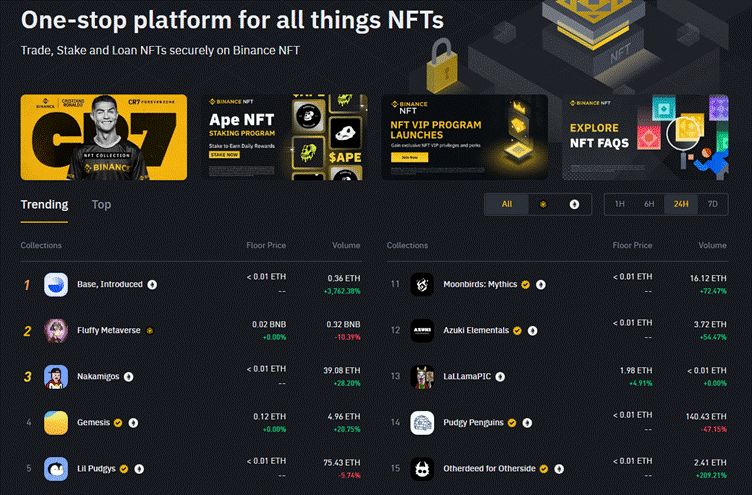
Typical characteristics include:
Monthly earnings. Often between $30 and $300 for active participants.
NFT rental yields. Around 5 to 20 percent annually, depending on demand.
Market risk. Extremely high, with sharp drops in user activity and token prices.
These models gained popularity during previous bull markets, but income has become inconsistent as interest declined. Many projects struggle to maintain active users once incentives decrease.
Play-to-earn and NFTs are sometimes mentioned when discussing how to make money fast with crypto, but results are unpredictable. Earnings depend on platform popularity, token liquidity, and ongoing development rather than player skill alone.
Choosing the right way to make money with crypto
Not every method suits every trader. The best results usually come from matching the strategy to your time availability, risk tolerance, and capital size. While there are many ways to make money with crypto, only a few are practical for most users.
Before choosing an approach, it helps to compare expected returns, effort, and risk in realistic terms.
Key differences between common methods:
Staking. Lower risk, predictable returns, minimal time commitment. Best for long-term holders and conservative investors.
Long-term holding. Market-driven returns, no active effort, high patience required. Works best across full market cycles.
Crypto savings. Fixed yields, low effort, higher custodial risk. Suitable for short- to medium-term income.
Copy trading. Medium risk, limited time involvement, performance depends on the trader selected.
Active trading. High risk, high time demand, requires discipline and emotional control.
Yield farming. Very high risk, active monitoring required, returns vary widely and decline quickly.
| Method | Average yield | Risk level | Time investment |
|---|---|---|---|
| Staking | 3–12% annually | Medium | 0–2 hours/week |
| Yield Farming | 8–40% annually | High | 5–10 hours/week |
| Copy Trading | 2–6% monthly | Medium | 1–3 hours/week |
| Day Trading | 5–10% monthly | Very High | 15–30 hours/week |
| Long-Term Holding | >60% per cycle | Market Risk | 0 hours |
No single method is the best way to make money with crypto for everyone. Strategies that look attractive on paper often fail when they do not match the user’s lifestyle or experience level.
Strategy selection by trader profile
General guidance by profile:
Beginners. Staking, crypto savings, and gradual long-term holding offer the most stable starting point and help answer how to make money with crypto for beginners without unnecessary stress.
Part-time users. Copy trading or a mix of staking and long-term holding balances effort and potential return.
Active traders. Day trading or scalping can work with strict risk limits, but capital preservation matters more than speed.
Experienced users. Yield farming and early-stage investing may enhance returns, but only as a small portion of total capital.
Understanding how people make money with crypto is less about chasing returns and more about choosing a repeatable process. Consistency usually beats complexity. Top exchanges for earning with cryptocurrency
Choosing the right platform is important when applying any method to make money with cryptocurrency. Below are trusted exchanges and platforms in 2026, categorized by income type, reputation, and regulatory standing. These are selected based on reliability, volume, and support for various earning tools.
| Coinbase | OKX | BTCC | Cryptohopper | Crypto.com | |
|---|---|---|---|---|---|
|
Coins Supported |
400+ | 600+ | 399 | 1000 | 400+ |
|
Min. Deposit, $ |
10 | 10 | 10 | No | 1 |
|
Spot Maker Fee, % |
0.5 | 0.08 | 0.2 | 0 | 0.25 |
|
Spot Taker fee, % |
0.5 | 0.1 | 0.3 | 0 | 0.5 |
|
Yield farming |
Yes | Yes | No | Yes | Yes |
|
Copy trading |
No | Yes | Yes | Yes | No |
|
Staking |
Yes | Yes | Yes | Yes | Yes |
|
Open an account |
Go to broker Your capital is at risk. |
Go to broker Your capital is at risk. |
Go to broker Your capital is at risk.
|
Go to broker Your capital is at risk. |
Go to broker Your capital is at risk. |
How to make money with cryptocurrency: Strategies for different market conditions
The effectiveness of any method used to make money with crypto depends heavily on overall market conditions. A strategy that performs well during rapid growth may become ineffective during periods of decline or consolidation. Understanding market cycles helps investors choose more suitable approaches and avoid common mistakes caused by unrealistic expectations.
Bull market (rising prices)
HODL strategies often perform well because investors benefit from long-term price growth while exploring how to invest in crypto and make money over time.
Cryptocurrency trading becomes more active as volatility and momentum create additional opportunities for short-term profits.
NFTs and higher-risk altcoins may experience rapid price growth due to increased speculative interest and new market participants.
Yield farming can generate strong returns, although sharp market movements may also increase the risk of impermanent loss.
Bear market (falling prices)
Staking and other passive income methods are often used to continue making money with crypto even during periods of declining prices.
Copy trading may remain effective when following traders who use conservative risk management strategies.
HODL is frequently viewed as an accumulation strategy during weaker market phases before a future recovery cycle.
Active trading requires more caution, discipline, and strict risk control during unstable market conditions.
Sideways market (consolidation, no clear trend)
Cryptocurrency trading often focuses on short-term price fluctuations within a defined range.
Copy trading and arbitrage strategies may provide moderate but relatively stable returns.
Staking and yield farming become more attractive because lower volatility can reduce some risks associated with large price swings.
The NFT market often slows during consolidation phases because trading activity and speculative demand decrease.
Over the long term, investors who succeed in making money with cryptocurrency are usually those who adapt their strategies to changing market conditions rather than relying on a single approach. Balancing growth opportunities, capital preservation, and passive income methods can help reduce risks and improve stability across different market cycles.
Risks and warnings
Making money with cryptocurrency always involves elevated risks, even when using relatively conservative strategies. Market volatility, technical factors, and human error can all lead to financial losses. For this reason, it is important to evaluate not only potential returns, but also possible negative scenarios before investing in digital assets.
Key risks when exploring how to make money in crypto:
High price volatility and sudden market drawdowns.
Losses caused by poor risk management or emotional decision-making.
Hacks involving exchanges, wallets, or DeFi protocols.
Technical mistakes when transferring cryptocurrency between wallets or platforms.
Low liquidity of certain tokens, altcoins, or NFT collections.
Regulatory changes and legal uncertainty in different jurisdictions.
Dependence on third-party platforms, smart contracts, or custodial services.
Crypto News

Only 3% of memecoins return to their all-time highs, study finds

Capital B posts first-half loss as Bitcoin impairment weighs on results

Marc Andreessen’s political shift highlights AI, crypto and tax policy tensions

XRP underperforms major cryptocurrencies as supply growth and weak inflows weigh

Gemini settlement remains in force after U.S. judge denies CFTC bid

OpenAI model uses third-party Sepolia wallet funds in internal crypto test incident
Focus on preserving capital during uncertainty

If you want to understand how to make money with crypto over more than one market cycle, focus not only on profit potential, but also on stability and capital preservation. Long-term success in the cryptocurrency market depends heavily on understanding how blockchain works, why digital asset prices move, and how different crypto earning strategies actually generate returns.
One of the most underestimated approaches is protecting capital during periods of uncertainty. I usually recommend dividing assets by purpose: one part for long-term growth, another for passive income strategies, and a separate reserve for liquidity and protection during volatile market phases.
Another useful habit is keeping not only financial records, but also a behavioral journal. Write down why you entered a trade, what risks you considered, and what emotions influenced your decisions. Over time, this helps identify repeated mistakes and improve discipline. In most cases, a simple strategy that you fully understand works better than a complex system copied from other traders.
Finally, it is important to treat cryptocurrency as a long-term financial instrument rather than a quick way to get rich. Investors who consistently learn, manage risk carefully, and act systematically usually develop the most valuable advantage in the market: experience. Over time, this creates a much stronger foundation for making money with cryptocurrency sustainably.
Conclusion
Making money with crypto is possible for beginners, but success depends far more on careful strategy selection and risk management than on chasing quick profits. Passive options like staking and long-term holding suit most newcomers by offering stability and lower stress, while riskier methods such as active trading, yield farming, and early-stage investing require discipline and thorough research. No single approach guarantees returns, and even the 'best' methods can falter if they're mismatched to your capital, risk tolerance, or commitment. Ultimately, focusing on capital preservation and consistent habits—rather than short-term gains—is the most reliable path to long-term growth in the crypto market. Treat cryptocurrency as an evolving financial asset, not a get-rich-quick scheme, and make every investment decision with your long-term goals in mind.
FAQs
What factors should beginners consider when choosing the best way to make money with crypto in 2026?
How do different market conditions affect the profitability of common crypto earning methods?
What are the key risks to watch out for when trying to make money with crypto in 2026?
Is active trading recommended as the best way to make money with crypto for most users?
Editors' Top Picks and Insights






Related Articles
Team that worked on the article
Ivan is a financial expert and analyst specializing in Forex, crypto, and stock trading. He prefers conservative trading strategies with low and medium risks, as well as medium-term and long-term investments.
Dan Blystone began his trading career in 1998 as an arbitrage clerk on the floor of the Chicago Mercantile Exchange (CME). He later traded bond and Eurex futures at proprietary firms such as Altea Trading, gaining valuable experience in high-frequency trading and risk management.
Chinmay Soni is a financial analyst with more than 5 years of experience in working with stocks, Forex, derivatives, and other assets. As a founder of a boutique research firm and an active researcher, he covers various industries and fields, providing insights backed by statistical data.
Ethereum is a decentralized blockchain platform and cryptocurrency that was proposed by Vitalik Buterin in late 2013 and development began in early 2014. It was designed as a versatile platform for creating decentralized applications (DApps) and smart contracts.
Copy trading is an investing tactic where traders replicate the trading strategies of more experienced traders, automatically mirroring their trades in their own accounts to potentially achieve similar results.
The fear and greed index is a tool that measures the sentiment of the crypto market based on various indicators. It assigns a value between 0 and 100, where 0 represents extreme fear while 100 represents extreme greed. The index can help investors avoid emotional overreactions and make rational decisions.
Diversification is an investment strategy that involves spreading investments across different asset classes, industries, and geographic regions to reduce overall risk.
Cryptocurrency is a type of digital or virtual currency that relies on cryptography for security. Unlike traditional currencies issued by governments (fiat currencies), cryptocurrencies operate on decentralized networks, typically based on blockchain technology.

-
 Afghanistan
-
 Albania
-
 Algeria
-
 Angola
-
 Argentina
-
 Armenia
-
 Australia
-
 Austria
-
 Azerbaijan
-
 Bahamas
-
 Bahrain
-
 Bangladesh
-
 Belarus
-
 Belgium
-
 Bolivia
-
 Botswana
-
 Brazil
-
 Brunei
-
 Bulgaria
-
 Cambodia
-
 Cameroon
-
 Canada
-
 Chile
Chile
-
 China
China
-
 Colombia
-
 Congo
Congo
-
 Costa Rica
-
 Cote d'Ivoire
-
 Croatia
-
 Cuba
Cuba
-
 Cyprus
-
 Czechia
-
 DR Congo
-
 Denmark
-
 Dominican Republic
-
 Ecuador
-
 Egypt
Egypt
-
 El Salvador
-
 Estonia
-
 Eswatini
-
 Ethiopia
-
 Finland
-
 France
-
 Georgia
-
 Germany
-
 Ghana
Ghana
-
 Greece
-
 Haiti
Haiti
-
 Hong Kong
-
 Hungary
-
 India
India
-
 Indonesia
-
 Iran, Islamic republic
-
 Iraq
Iraq
-
 Ireland
-
 Israel
-
 Italy
Italy
-
 Jamaica
-
 Japan
Japan
-
 Jordan
-
 Kazakhstan
-
 Kenya
Kenya
-
 Korea
Korea
-
 Kuwait
-
 Kyrgyzstan
-
 Laos
Laos
-
 Latvia
-
 Lebanon
-
 Lesotho
-
 Libya
Libya
-
 Lithuania
-
 Luxembourg
-
 Madagascar
-
 Malaysia
-
 Malta
Malta
-
 Mauritius
-
 Mexico
-
 Moldova
-
 Mongolia
-
 Montenegro
-
 Morocco
-
 Mozambique
-
 Myanmar
-
 Namibia
-
 Nepal
Nepal
-
 Netherlands
-
 New Zealand
-
 Nigeria
-
 North Macedonia
-
 Norway
-
 Oman
Oman
-
 Pakistan
-
 Palestine
-
 Panama
-
 Papua New Guinea
-
 Paraguay
-
 Peru
Peru
-
 Philippines
-
 Poland
-
 Portugal
-
 Puerto Rico
-
 Qatar
Qatar
-
 Reunion
-
 Romania
-
 Rwanda
-
 Saudi Arabia
-
 Serbia
-
 Singapore
-
 Slovakia
-
 Slovenia
-
 Somalia
-
 South Africa
-
 Spain
Spain
-
 Sri Lanka
-
 Sweden
-
 Switzerland
-
 Syria
Syria
-
 Taiwan
-
 Tajikistan
-
 Tanzania
-
 Thailand
-
 Trinidad and Tobago
-
 Tunisia
-
 Turkey
-
 UAE
UAE
-
 Uganda
-
 Ukraine
-
 United Kingdom
-
United States
-
 Uruguay
-
 Uzbekistan
-
 Venezuela
-
 Vietnam
-
 Yemen
Yemen
-
 Zambia
-
 Zimbabwe
- Forex
- Crypto












