
TRM Labs warns World Cup crypto scams target ticketing and betting demand
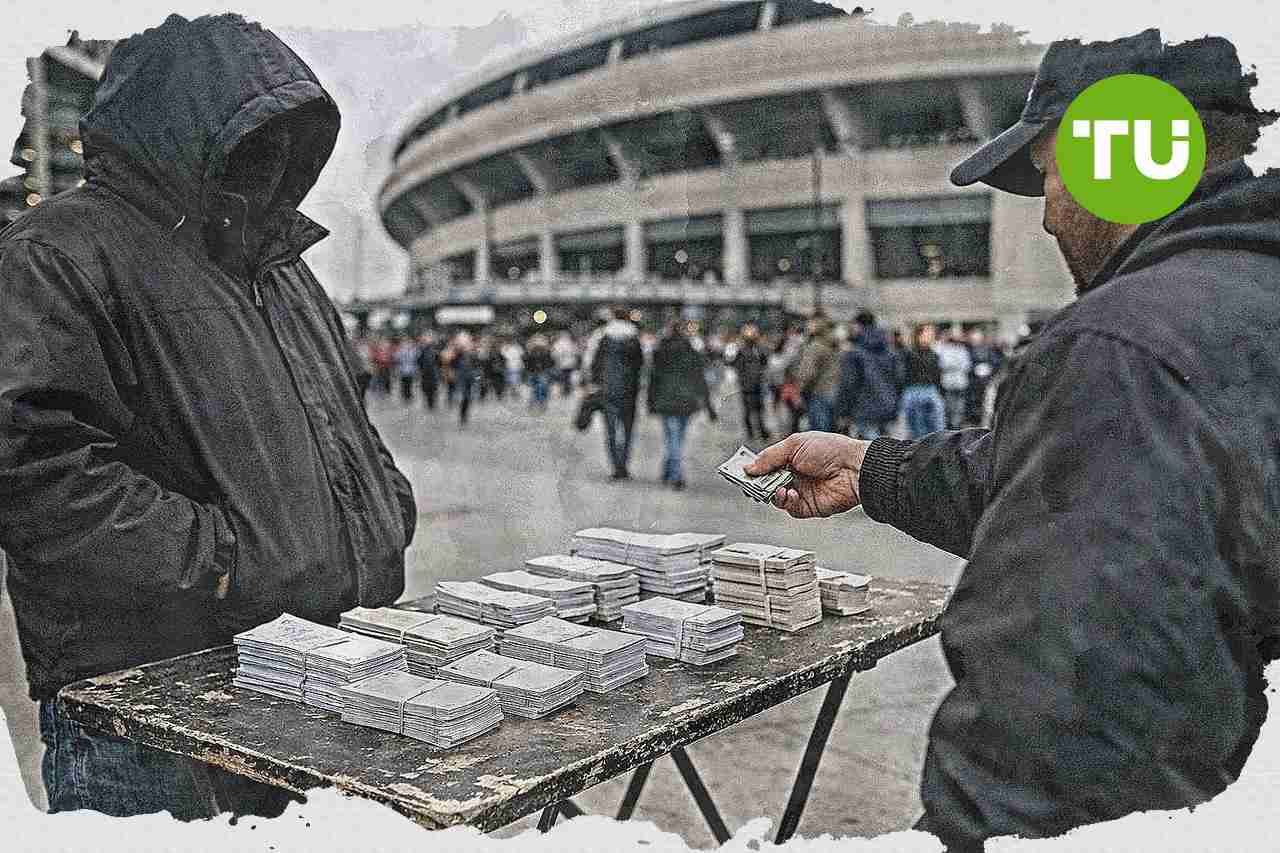
As the 2026 World Cup begins across Canada, Mexico and the U.S., rising demand for tickets, travel and betting is creating new openings for crypto-related fraud. TRM Labs says scammers are already using fake ticketing sites, fixed-match betting schemes and tournament-themed crypto promotions to target fans before losses spread.
Highlights
- TRM Labs identified multiple World Cup-related crypto scams, including two fake ticketing sites and a fixed-match betting scheme linked to four crypto addresses.
- FIFA expects 6.5 million attendees and a $40.9 billion GDP impact for the 2026 World Cup, creating significant consumer demand targeted by scammers.
- The FBI and FIFA have issued official fraud warnings as unsold tickets remain high, with 176,000 group-stage seats still available on resale portals.
Fraud schemes emerge around tournament demand
As reported by Cointelegraph, blockchain intelligence company TRM Labs says it has identified several World Cup-related scam operations, including two fake ticketing sites and one fixed-match betting pitch linked to four crypto addresses.Ari Redbord, global head of policy at TRM Labs, says criminals move early around major cultural events, building infrastructure weeks in advance and expanding it when public attention peaks. He adds that the onchain nature of crypto payments allows investigators and compliance teams to trace activity and respond before losses grow.
The 2026 World Cup opened on Thursday, and FIFA expects about 6.5 million fans to attend during the tournament. FIFA also projects a roughly $40.9 billion impact on global gross domestic product, a scale that creates a broad pool of consumer demand for scammers to exploit.
Authorities and organizers tighten warnings
The tournament, hosted by Canada, Mexico and the U.S., is expected to drive a surge in ticketing, travel and betting activity. That concentration of demand has already prompted warnings from both law enforcement and organizers about fraud risks tied to unofficial sales channels.In May, the Federal Bureau of Investigation warned that threat actors were spoofing FIFA websites ahead of the tournament to collect personal information, sell fake tickets and merchandise, and potentially conduct other malicious activity. FIFA has also warned that tickets bought outside its official website may expose buyers to fraud and could be ruled invalid or canceled without notice.
The ticketing backdrop is also becoming more complicated for organizers. The Council on Foreign Relations reported that several opening matches in the U.S. and Canada were not sold out on FIFA's platform as of Monday, while the Financial Times reported on Tuesday that official resale portals still had 176,000 unsold group-stage tickets.
Our earlier report on the House committee’s scrutiny of ActBlue’s donation verification described lawmakers’ concerns about fraudulent and potentially foreign-linked political contributions. The hearing focused on whether ActBlue’s anti-fraud controls were sufficient, including issues such as card-security checks and the platform leader’s refusal to answer key questions under oath.


Latest USA News







-
 Afghanistan
-
 Albania
-
 Algeria
-
 Angola
-
 Argentina
-
 Armenia
-
 Australia
-
 Austria
-
 Azerbaijan
-
 Bahamas
-
 Bahrain
-
 Bangladesh
-
 Belarus
-
 Belgium
-
 Bolivia
-
 Botswana
-
 Brazil
-
 Brunei
-
 Bulgaria
-
 Cambodia
-
 Cameroon
-
 Canada
-
 Chile
Chile
-
 China
China
-
 Colombia
-
 Congo
Congo
-
 Costa Rica
-
 Cote d'Ivoire
-
 Croatia
-
 Cuba
Cuba
-
 Cyprus
-
 Czechia
-
 DR Congo
-
 Denmark
-
 Dominican Republic
-
 Ecuador
-
 Egypt
Egypt
-
 El Salvador
-
 Estonia
-
 Eswatini
-
 Ethiopia
-
 Finland
-
 France
-
 Georgia
-
 Germany
-
 Ghana
Ghana
-
 Greece
-
 Haiti
Haiti
-
 Hong Kong
-
 Hungary
-
 India
India
-
 Indonesia
-
 Iran, Islamic republic
-
 Iraq
Iraq
-
 Ireland
-
 Israel
-
 Italy
Italy
-
 Jamaica
-
 Japan
Japan
-
 Jordan
-
 Kazakhstan
-
 Kenya
Kenya
-
 Korea
Korea
-
 Kuwait
-
 Kyrgyzstan
-
 Laos
Laos
-
 Latvia
-
 Lebanon
-
 Lesotho
-
 Libya
Libya
-
 Lithuania
-
 Luxembourg
-
 Madagascar
-
 Malaysia
-
 Malta
Malta
-
 Mauritius
-
 Mexico
-
 Moldova
-
 Mongolia
-
 Montenegro
-
 Morocco
-
 Mozambique
-
 Myanmar
-
 Namibia
-
 Nepal
Nepal
-
 Netherlands
-
 New Zealand
-
 Nigeria
-
 North Macedonia
-
 Norway
-
 Oman
Oman
-
 Pakistan
-
 Palestine
-
 Panama
-
 Papua New Guinea
-
 Paraguay
-
 Peru
Peru
-
 Philippines
-
 Poland
-
 Portugal
-
 Puerto Rico
-
 Qatar
Qatar
-
 Reunion
-
 Romania
-
 Rwanda
-
 Saudi Arabia
-
 Serbia
-
 Singapore
-
 Slovakia
-
 Slovenia
-
 Somalia
-
 South Africa
-
 Spain
Spain
-
 Sri Lanka
-
 Sweden
-
 Switzerland
-
 Syria
Syria
-
 Taiwan
-
 Tajikistan
-
 Tanzania
-
 Thailand
-
 Trinidad and Tobago
-
 Tunisia
-
 Turkey
-
 UAE
UAE
-
 Uganda
-
 Ukraine
-
 United Kingdom
-
United States
-
 Uruguay
-
 Uzbekistan
-
 Venezuela
-
 Vietnam
-
 Yemen
Yemen
-
 Zambia
-
 Zimbabwe
- Forex
- Crypto











