

Tennessee, Georgia tighten crypto ATM operations as new state laws take effect
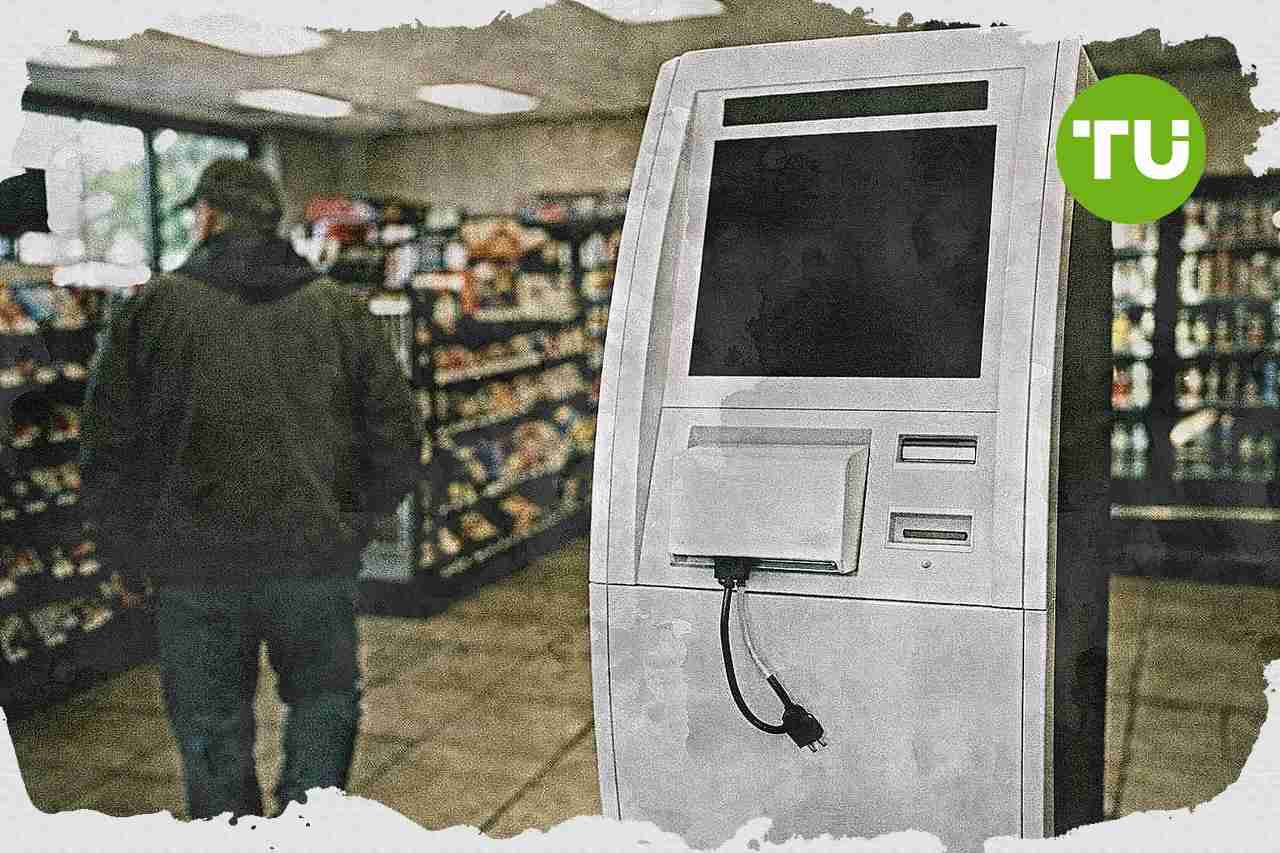
State-level oversight of cryptocurrency kiosks is intensifying in the U.S. as Tennessee and Georgia put new restrictions into force on July 1. Tennessee now bans crypto ATMs outright, while Georgia imposes transaction caps, customer warnings and some fraud-related refund requirements.
Highlights
- Tennessee banned cryptocurrency ATMs and kiosks statewide on July 1, removing 185 machines, while Georgia imposed transaction limits, warnings, and required some refunds.
- Industry leader Bitcoin Depot filed for Chapter 11 bankruptcy in May, citing mounting regulatory and legal pressures affecting the U.S. crypto ATM sector.
- Minnesota will enforce its own ATM ban from August 1, while Canadian and several U.S. states—including Delaware and New Jersey—are actively considering broader or full bans.
State enforcement expands on July 1
Tennessee and Georgia's new rules take effect on Wednesday, Cointelegraph reported, marking another step in a broader state crackdown on cryptocurrency ATM operators in the U.S.The Tennessee law, signed by Governor Bill Lee in April, prohibits the use and installation of cryptocurrency ATMs and kiosks across the state. Georgia's law requires operators to limit the amount of money sent by new and existing users, provide warnings to customers and, in some cases, refund people who may have been defrauded.
Before the Tennessee ban took effect on July 1, there were 185 crypto ATMs and kiosks operating in the state, according to CoinATMRadar. The measures follow a ban in Indiana that took effect in March, while Minnesota is set to begin enforcing its own ATM ban on Aug. 1.
Industry pressure builds across North America
U.S. state governments and municipalities are increasingly moving against crypto ATM operators after incidents in which residents, particularly senior citizens, are persuaded to send funds to scammers. Lawmakers in Delaware and New Jersey have also proposed measures that would fully ban the machines.The regulatory shift may already be weighing on operators. In May, Bitcoin Depot filed for Chapter 11 bankruptcy after saying days earlier that it had substantial doubts about its future amid a difficult regulatory environment and lawsuits.
Roshan Dharia, chief executive of Echo Base and a restructuring adviser, said after the filing that Bitcoin Depot's bankruptcy could preview broader pressure on the U.S. crypto ATM industry in the coming years. He said the traditional business model is coming under strain as states impose stronger consumer protection standards that reduce fees, increase operator liability for scam-related activity and raise expectations for transaction monitoring and reimbursement.
In Canada, federal policymakers have also proposed a nationwide ban on crypto ATMs, though it is not yet in effect. The proposal would still allow Canadians to buy digital assets from brick-and-mortar money services businesses.
Our earlier article on Mastercard’s role in digital assets focused on the company joining a large consortium to launch the Open USD stablecoin and the incentives designed to drive adoption across partner networks. It also noted MA’s recent price strength and highlighted that the stablecoin initiative could become an important catalyst as payment giants expand deeper into crypto-related infrastructure.








-
 Afghanistan
-
 Albania
-
 Algeria
-
 Angola
-
 Argentina
-
 Armenia
-
 Australia
-
 Austria
-
 Azerbaijan
-
 Bahamas
-
 Bahrain
-
 Bangladesh
-
 Belarus
-
 Belgium
-
 Bolivia
-
 Botswana
-
 Brazil
-
 Brunei
-
 Bulgaria
-
 Cambodia
-
 Cameroon
-
 Canada
-
 Chile
-
 China
-
 Colombia
-
 Congo
-
 Costa Rica
-
 Cote d'Ivoire
-
 Croatia
-
 Cuba
-
 Cyprus
-
 Czechia
-
 DR Congo
-
 Denmark
-
 Dominican Republic
-
 Ecuador
-
 Egypt
-
 El Salvador
-
 Estonia
-
 Eswatini
-
 Ethiopia
-
 Finland
-
 France
-
 Georgia
-
 Germany
-
 Ghana
-
 Greece
-
 Haiti
-
 Hong Kong
-
 Hungary
-
 India
-
 Indonesia
-
 Iran, Islamic republic
-
 Iraq
-
 Ireland
-
 Israel
-
 Italy
-
 Jamaica
-
 Japan
-
 Jordan
-
 Kazakhstan
-
 Kenya
-
 Korea
-
 Kuwait
-
 Kyrgyzstan
-
 Laos
-
 Latvia
-
 Lebanon
-
 Lesotho
-
 Libya
-
 Lithuania
-
 Luxembourg
-
 Madagascar
-
 Malaysia
-
 Malta
-
 Mauritius
-
 Mexico
-
 Moldova
-
 Mongolia
-
 Montenegro
-
 Morocco
-
 Mozambique
-
 Myanmar
-
 Namibia
-
 Nepal
-
 Netherlands
-
 New Zealand
-
 Nigeria
-
 North Macedonia
-
 Norway
-
 Oman
-
 Pakistan
-
 Palestine
-
 Panama
-
 Papua New Guinea
-
 Paraguay
-
 Peru
-
 Philippines
-
 Poland
-
 Portugal
-
 Puerto Rico
-
 Qatar
-
 Reunion
-
 Romania
-
 Rwanda
-
 Saudi Arabia
-
 Serbia
-
 Singapore
-
 Slovakia
-
 Slovenia
-
 Somalia
-
 South Africa
-
 Spain
-
 Sri Lanka
-
 Sweden
-
 Switzerland
-
 Syria
-
 Taiwan
-
 Tajikistan
-
 Tanzania
-
 Thailand
-
 Trinidad and Tobago
-
 Tunisia
-
 Turkey
-
 UAE
-
 Uganda
-
 Ukraine
-
 United Kingdom
-
United States
-
 Uruguay
-
 Uzbekistan
-
 Venezuela
-
 Vietnam
-
 Yemen
-
 Zambia
-
 Zimbabwe
- Forex
- Crypto












