

Australia deficits and private investment pressures keep rate hikes in focus

Australia's inflation debate is centring on whether budget policy or broader demand pressures are driving interest rate increases. The argument comes as private-sector investment, oil price shocks and long-running structural deficits add to concerns about debt and borrowing costs across developed economies.
Highlights
- Australia maintains a budget deficit with a 1% of GDP gap, despite federal spending falling to 26.8% of GDP from the 31.3% pandemic peak.
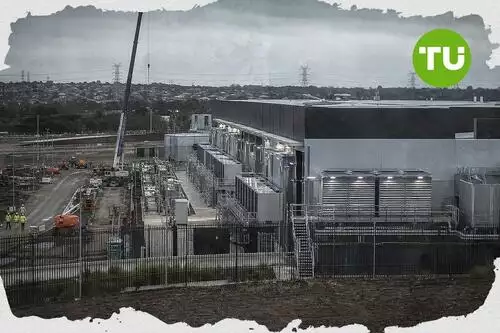
- Private-sector investment, especially in data centres, is the main driver of recent Australia spending momentum, fueling higher construction costs alongside rising oil prices.
- Developed economies, including Australia and the U.S. with its $US1 trillion annual interest bill, face rising borrowing costs as persistent deficits and elevated debt collide with inflation.
Fiscal pressures and the inflation debate
As reported by ABC News, the article argues that budget deficits, rather than government spending alone, are the more relevant fiscal driver of inflation because deficits inject net stimulus into the economy while surpluses withdraw it.It says Australia is still running a deficit and faces a longer-term structural budget imbalance after years of tax decisions that reduced revenue. In the near term, the piece points to two major oil price shocks as a key force lifting costs across the economy and weighing on household living standards.
The analysis also challenges the political focus on headline spending levels, noting that Australia has recorded surpluses only twice in the past 20 years despite the support of a major mining boom. It adds that tax changes, including the removal of the mining tax and carbon tax, cut budget revenue while leaving spending pressures in place or, in some cases, adding new outlays.
Private-sector demand and global debt strain
Another central argument is that recent spending momentum in Australia has been driven more by private investment than by public outlays. The article cites Australian Bureau of Statistics data showing strong business spending, especially on data centre construction, which has increased demand for materials, construction labour and skilled electrical and IT workers.That investment wave is described as a contributor to higher construction costs, alongside rising fuel prices. The article says federal spending this year is estimated in the May budget papers at 26.8% of GDP, below the pandemic peak of 31.3%, while the gap between revenue and spending is put at 1% of GDP, narrower than the 2% to 3% deficits seen about a decade ago.
Beyond Australia, the piece says developed economies are facing a broader reckoning as years of tax cuts, persistent deficits and rising debt servicing costs collide with higher inflation and rising market rates. It highlights the U.S. annual interest bill as exceeding $US1 trillion and says investors are pushing borrowing costs higher globally as governments also confront rising demands for defence, energy transition, health, aged care and education spending.
Our earlier article on surging U.S. Treasury yields and the widening deficit explained how higher long-term borrowing costs are feeding through to mortgages, federal interest expenses and broader financing conditions as annual shortfalls near $2 trillion. It also noted that political gridlock and new spending promises make near-term deficit reduction unlikely, leaving debt-service costs a growing constraint as global investors demand higher compensation to fund heavy government issuance.






Latest Australia News




-
 Afghanistan
-
 Albania
-
 Algeria
-
 Angola
-
 Argentina
-
 Armenia
-
 Australia
-
 Austria
-
 Azerbaijan
-
 Bahamas
-
 Bahrain
-
 Bangladesh
-
 Belarus
-
 Belgium
-
 Bolivia
-
 Botswana
-
 Brazil
-
 Brunei
-
 Bulgaria
-
 Cambodia
-
 Cameroon
-
 Canada
-
 Chile
-
 China
-
 Colombia
-
 Congo
-
 Costa Rica
-
 Cote d'Ivoire
-
 Croatia
-
 Cuba
-
 Cyprus
-
 Czechia
-
 DR Congo
-
 Denmark
-
 Dominican Republic
-
 Ecuador
-
 Egypt
-
 El Salvador
-
 Estonia
-
 Eswatini
-
 Ethiopia
-
 Finland
-
 France
-
 Georgia
-
 Germany
-
 Ghana
-
 Greece
-
 Haiti
-
 Hong Kong
-
 Hungary
-
 India
-
 Indonesia
-
 Iran, Islamic republic
-
 Iraq
-
 Ireland
-
 Israel
-
 Italy
-
 Jamaica
-
 Japan
-
 Jordan
-
 Kazakhstan
-
 Kenya
-
 Korea
-
 Kuwait
-
 Kyrgyzstan
-
 Laos
-
 Latvia
-
 Lebanon
-
 Lesotho
-
 Libya
-
 Lithuania
-
 Luxembourg
-
 Madagascar
-
 Malaysia
-
 Malta
-
 Mauritius
-
 Mexico
-
 Moldova
-
 Mongolia
-
 Montenegro
-
 Morocco
-
 Mozambique
-
 Myanmar
-
 Namibia
-
 Nepal
-
 Netherlands
-
 New Zealand
-
 Nigeria
-
 North Macedonia
-
 Norway
-
 Oman
-
 Pakistan
-
 Palestine
-
 Panama
-
 Papua New Guinea
-
 Paraguay
-
 Peru
-
 Philippines
-
 Poland
-
 Portugal
-
 Puerto Rico
-
 Qatar
-
 Reunion
-
 Romania
-
 Rwanda
-
 Saudi Arabia
-
 Serbia
-
 Singapore
-
 Slovakia
-
 Slovenia
-
 Somalia
-
 South Africa
-
 Spain
-
 Sri Lanka
-
 Sweden
-
 Switzerland
-
 Syria
-
 Taiwan
-
 Tajikistan
-
 Tanzania
-
 Thailand
-
 Trinidad and Tobago
-
 Tunisia
-
 Turkey
-
 UAE
-
 Uganda
-
 Ukraine
-
 United Kingdom
-
United States
-
 Uruguay
-
 Uzbekistan
-
 Venezuela
-
 Vietnam
-
 Yemen
-
 Zambia
-
 Zimbabwe
- Forex
- Crypto












