
Major importers seek refunds as court orders return of Trump-era IEEPA tariffs
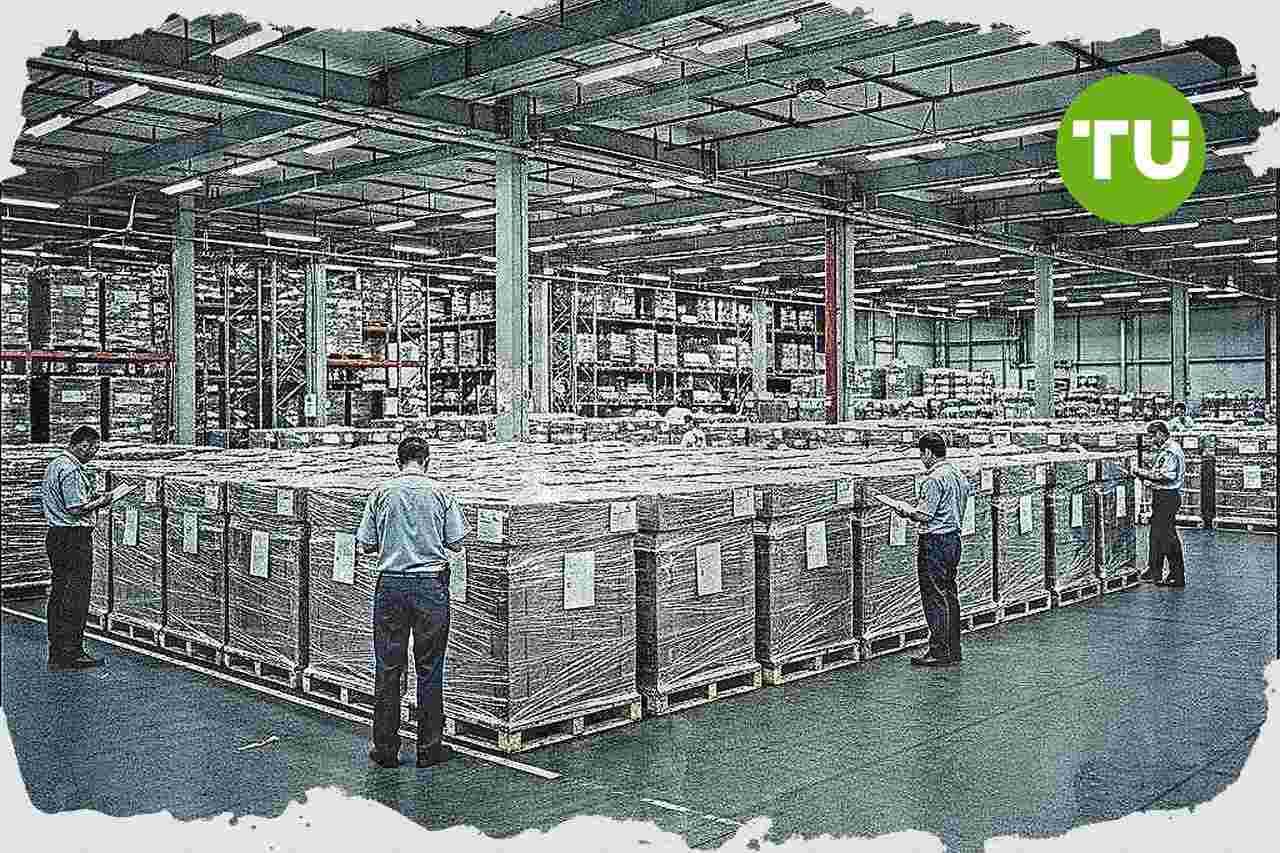
A wave of large importers is moving to recover duties paid under tariffs imposed using the International Emergency Economic Powers Act, after a series of court actions cast the levies as unlawful. In a March 6 court filing, U.S. Customs and Border Protection said it cannot immediately comply with a March 4 order from the Court of International Trade to return IEEPA tariff collections, citing limits in current technology and staffing, but said it could start issuing refunds by late April after system changes.
Highlights
- The Supreme Court ruled Trump-era IEEPA tariffs illegal on February 20, prompting the Court of International Trade to order Customs and Border Protection (CBP) to refund over $129 billion in collected tariffs.
- Major importers including Costco, Toyota-linked entities, BYD, Goodyear Tire & Rubber, Alcoa, FedEx, and Nintendo have filed lawsuits seeking full refunds, emphasizing risks from liquidation deadlines that could make duties unrecoverable.
- CBP stated on March 6 that refunds may begin in late April, contingent on technology changes, while sectors including auto supply and materials face significant exposure, with steel and aluminum tariffs rising to 50% as of June 2025.
Courts, CBP and the refund timeline
On February 20, the Supreme Court ruled that Trump administration tariffs enacted under IEEPA were illegal. Customs and Border Protection has collected more than $129 billion in tariff revenue under IEEPA as of December 10, according to the agency, according to a report from Business Insider. While the Supreme Court did not explicitly order repayments, the Court of International Trade on March 4 directed CBP to return all IEEPA tariffs. In response on March 6, CBP told the court it could not comply immediately, and said refunds could begin in late April after revamping its technology.Getting money back can also be affected by the customs “liquidation” process, which typically occurs within a year after goods are entered. Once liquidation happens, it becomes harder to recover duties, though an attorney quoted in the source article said it is “not an unsolvable problem.” Several companies argue they must act before entries become final as a matter of law. That urgency has driven lawsuits that were filed both before and after the Supreme Court decision.
Largest companies pressing for repayment
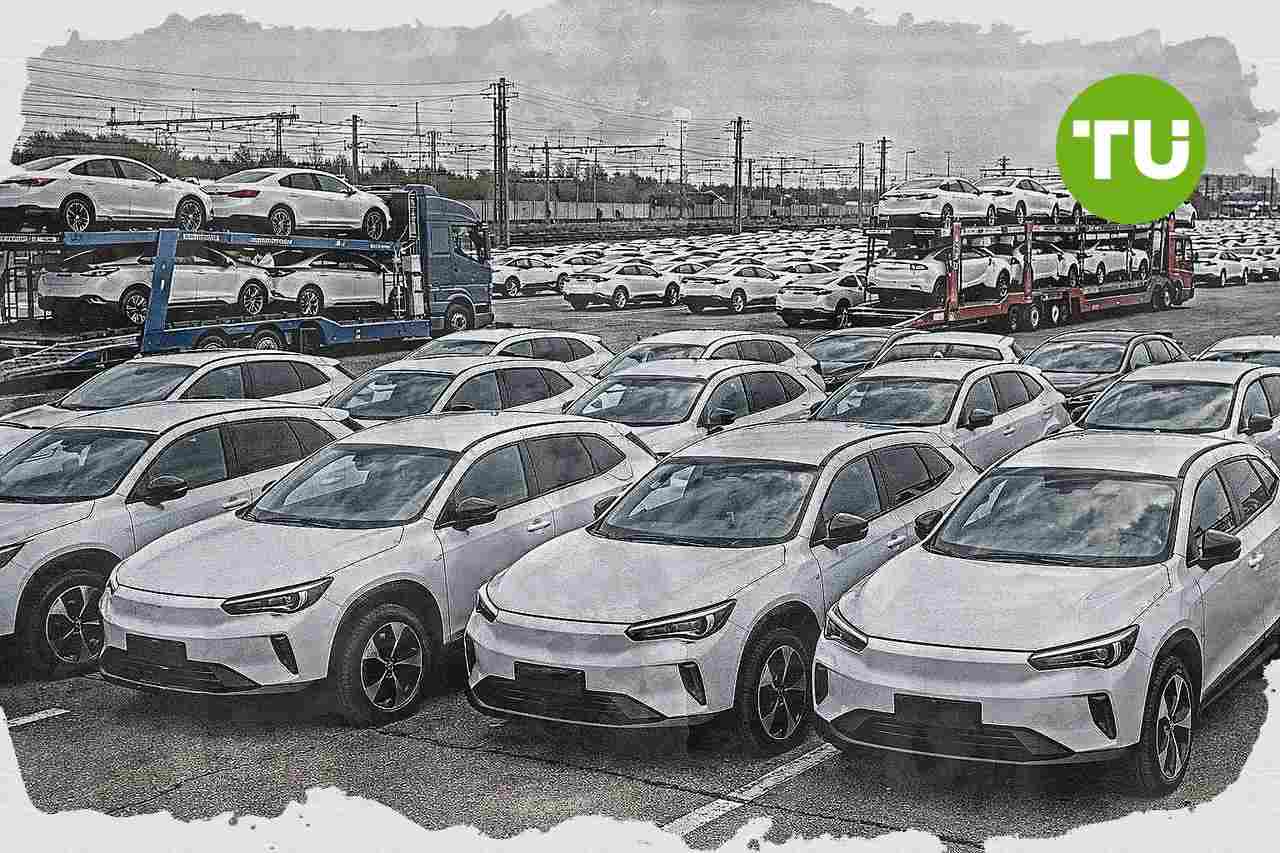
Costco is seeking a “full refund” of IEEPA tariffs, arguing the law has never authorized tariffs and warning that liquidation timelines could make duties unrecoverable. The retailer filed its case in December 2025 at the Court of International Trade and said Customs had declined to extend the liquidation timeline, but it did not disclose how much it paid. Toyota-linked entities, including Toyota Tsusho America and Toyota Tsusho Canada, sued in November 2025, saying entries could begin becoming liquidated and final by January 31, 2026. Toyota has previously flagged the cost impact of higher trade rates, saying in May 2025 that increased import and export rates could cost about $1.3 billion over a two-month period.BYD filed suit on February 9, described as the first case from a Chinese carmaker challenging the tariffs, and sought refunds of “all IEEPA tariffs paid to date” as well as any future payments. The company said its U.S.-bound imports from countries including Canada, Germany, Mexico and Poland were also affected; it does not sell passenger cars in the U.S. but operates businesses including buses, commercial vehicles, batteries, energy storage and solar panels. Goodyear Tire & Rubber filed a complaint on December 10, 2025, detailing how tariff changes, particularly those involving China, affected the company and arguing the court should block liquidation in certain circumstances. Alcoa filed for refunds on November 26, 2025, and the source article notes its case was among dozens consolidated into litigation led by AGS Company Automotive Solutions v. United States Customs and Border Protection, as steel and aluminum tariffs rose, including to 50% on most imports as of June 2025.
Sector exposure and operational ripple effects
The auto supply chain and materials sectors are highlighted as among those most exposed, given duties applied to vehicles as well as steel and aluminum used across manufacturing. Companies’ court filings emphasize not only the legality question but the practical risk that routine customs finalization could limit recoveries without separate judgments. FedEx filed on February 23, seeking a “full refund” of IEEPA tariffs it paid and arguing the Court of International Trade has exclusive jurisdiction to order refunds. The logistics company did not specify an amount, but pointed to its scale of operations, processing 17 million packages per day across hundreds of countries, to underscore exposure to import-related duties.Nintendo also sued in March seeking a “prompt refund, with interest” for duties it says it paid under IEEPA. The company filed shortly after the Supreme Court decision, and the source article ties the tariff environment to product and pricing decisions, noting Nintendo delayed preorders and raised prices on several products. Across cases, the common thread is that even with a Supreme Court ruling on legality, companies are pursuing court orders they believe are necessary to secure repayment. CBP’s March 6 filing, meanwhile, signals that refund execution may hinge on system changes and administrative capacity, not only on court outcomes.
Our previous report on Costco highlighted the retailer’s strong technical setup and investor support after solid fiscal Q2 2026 results, including revenue, EPS, and membership-fee growth, alongside ongoing buybacks. The article also noted that Costco remained active in seeking recovery of tariff payments from the U.S. government, a focus that is now resurfacing as court battles over IEEPA duties move into the refund phase.


Latest BYD News






-
 Afghanistan
-
 Albania
-
 Algeria
-
 Angola
-
 Argentina
-
 Armenia
-
 Australia
-
 Austria
-
 Azerbaijan
-
 Bahamas
-
 Bahrain
-
 Bangladesh
-
 Belarus
-
 Belgium
-
 Bolivia
-
 Botswana
-
 Brazil
-
 Brunei
-
 Bulgaria
-
 Cambodia
-
 Cameroon
-
 Canada
-
 Chile
Chile
-
 China
China
-
 Colombia
-
 Congo
Congo
-
 Costa Rica
-
 Cote d'Ivoire
-
 Croatia
-
 Cuba
Cuba
-
 Cyprus
-
 Czechia
-
 DR Congo
-
 Denmark
-
 Dominican Republic
-
 Ecuador
-
 Egypt
Egypt
-
 El Salvador
-
 Estonia
-
 Eswatini
-
 Ethiopia
-
 Finland
-
 France
-
 Georgia
-
 Germany
-
 Ghana
Ghana
-
 Greece
-
 Haiti
Haiti
-
 Hong Kong
-
 Hungary
-
 India
India
-
 Indonesia
-
 Iran, Islamic republic
-
 Iraq
Iraq
-
 Ireland
-
 Israel
-
 Italy
Italy
-
 Jamaica
-
 Japan
Japan
-
 Jordan
-
 Kazakhstan
-
 Kenya
Kenya
-
 Korea
Korea
-
 Kuwait
-
 Kyrgyzstan
-
 Laos
Laos
-
 Latvia
-
 Lebanon
-
 Lesotho
-
 Libya
Libya
-
 Lithuania
-
 Luxembourg
-
 Madagascar
-
 Malaysia
-
 Malta
Malta
-
 Mauritius
-
 Mexico
-
 Moldova
-
 Mongolia
-
 Montenegro
-
 Morocco
-
 Mozambique
-
 Myanmar
-
 Namibia
-
 Nepal
Nepal
-
 Netherlands
-
 New Zealand
-
 Nigeria
-
 North Macedonia
-
 Norway
-
 Oman
Oman
-
 Pakistan
-
 Palestine
-
 Panama
-
 Papua New Guinea
-
 Paraguay
-
 Peru
Peru
-
 Philippines
-
 Poland
-
 Portugal
-
 Puerto Rico
-
 Qatar
Qatar
-
 Reunion
-
 Romania
-
 Rwanda
-
 Saudi Arabia
-
 Serbia
-
 Singapore
-
 Slovakia
-
 Slovenia
-
 Somalia
-
 South Africa
-
 Spain
Spain
-
 Sri Lanka
-
 Sweden
-
 Switzerland
-
 Syria
Syria
-
 Taiwan
-
 Tajikistan
-
 Tanzania
-
 Thailand
-
 Trinidad and Tobago
-
 Tunisia
-
 Turkey
-
 UAE
UAE
-
 Uganda
-
 Ukraine
-
 United Kingdom
-
United States
-
 Uruguay
-
 Uzbekistan
-
 Venezuela
-
 Vietnam
-
 Yemen
Yemen
-
 Zambia
-
 Zimbabwe
- Forex
- Crypto











