

Brent drops below $100 as markets react to possible Hormuz deal
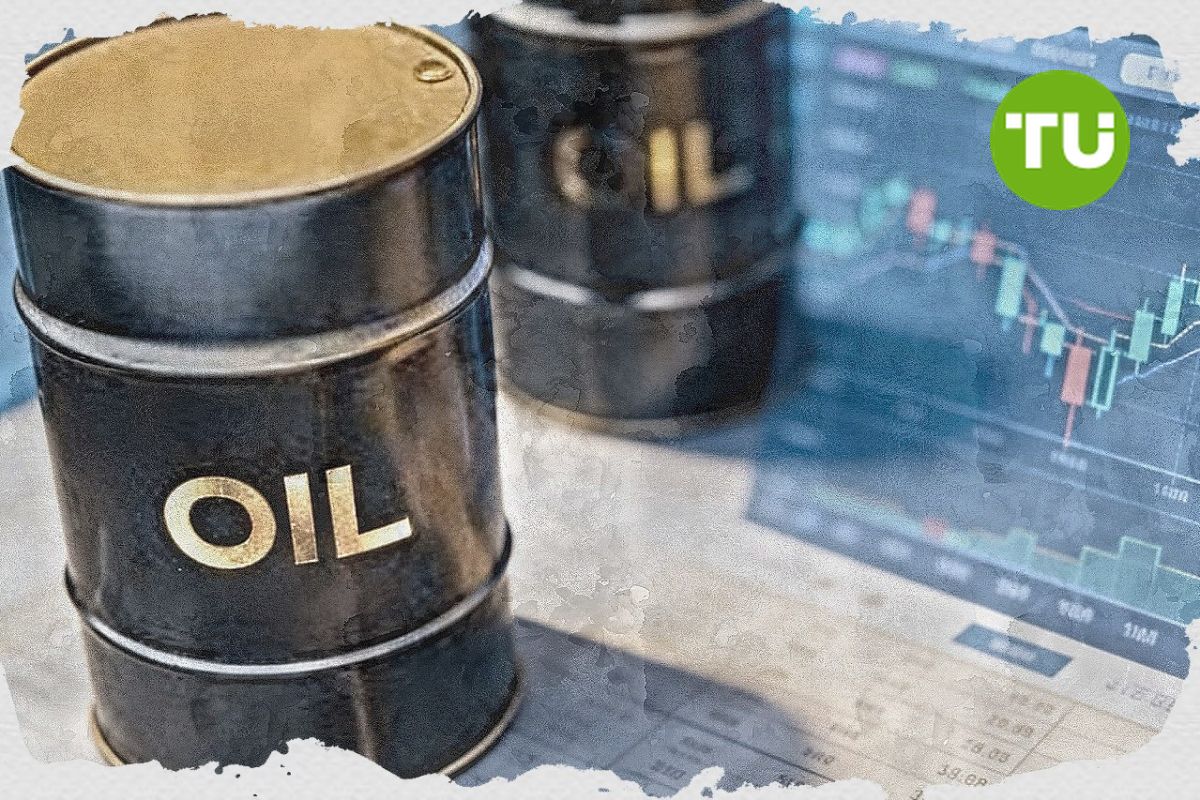
Oil prices dropped sharply on Thursday, with Brent crude falling below the $100-per-barrel mark for the first time in recent weeks. The decline came after reports that the United States and Iran are discussing a potential framework deal to ease tensions and reopen the Strait of Hormuz.
Highlights
- Brent crude fell to $98.71 (−2.27%).
- WTI dropped to $92.45 (−2.40%).
- Prices reacted to reports of possible progress toward reopening the Strait of Hormuz.
- The conflict caused the most serious disruption to oil markets in recent years.
Market reaction
By late trading, Brent crude had fallen 2.27% to $98.71 a barrel, while West Texas Intermediate lost 2.40% and was trading at $92.45. Both benchmarks posted significant one-day declines following several weeks of elevated prices caused by disruptions in the key shipping route.
Saudi broadcaster Al Arabiya reported, citing sources, that Washington and Tehran are close to an understanding under which the US would ease its blockade in exchange for a gradual reopening of the Strait of Hormuz. President Donald Trump has been pushing for an exit from the conflict, which has driven energy prices higher and undermined his political standing.
Background of the conflict
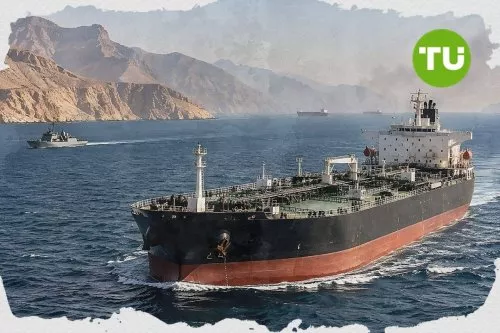
The Strait of Hormuz, through which about one-fifth of global seaborne oil trade passes, has been under a dual blockade: Iran restricting vessel movement and the US preventing Iranian oil exports. The resulting supply disruptions caused one of the most severe shocks to the oil market in years, pushing prices to their highest levels since 2022.
Analysts note that the market remains highly sensitive to any positive news regarding de-escalation. Emily Ashford, head of energy research at Standard Chartered, believes that the strategy of combining military escalation with parallel diplomatic efforts will continue, so oil prices will continue to fluctuate depending on the news.
Geopolitics continues to drive oil markets
The sharp decline below $100 a barrel illustrates how heavily the oil market depends on geopolitical developments. Even the mere prospect of easing tensions and restoring flow through the Strait of Hormuz triggered significant profit-taking after months of gains.
As long as negotiations continue, prices are likely to remain extremely volatile. The coming days will depend on whether diplomatic efforts produce concrete results and whether shipping through the critical waterway resumes.
In an earlier report, we noted that oil prices plunge more than 7% to two-week lows.










-
 Afghanistan
-
 Albania
-
 Algeria
-
 Angola
-
 Argentina
-
 Armenia
-
 Australia
-
 Austria
-
 Azerbaijan
-
 Bahamas
-
 Bahrain
-
 Bangladesh
-
 Belarus
-
 Belgium
-
 Bolivia
-
 Botswana
-
 Brazil
-
 Brunei
-
 Bulgaria
-
 Cambodia
-
 Cameroon
-
 Canada
-
 Chile
Chile
-
 China
China
-
 Colombia
-
 Congo
Congo
-
 Costa Rica
-
 Cote d'Ivoire
-
 Croatia
-
 Cuba
Cuba
-
 Cyprus
-
 Czechia
-
 DR Congo
-
 Denmark
-
 Dominican Republic
-
 Ecuador
-
 Egypt
Egypt
-
 El Salvador
-
 Estonia
-
 Eswatini
-
 Ethiopia
-
 Finland
-
 France
-
 Georgia
-
 Germany
-
 Ghana
Ghana
-
 Greece
-
 Haiti
Haiti
-
 Hong Kong
-
 Hungary
-
 India
India
-
 Indonesia
-
 Iran, Islamic republic
-
 Iraq
Iraq
-
 Ireland
-
 Israel
-
 Italy
Italy
-
 Jamaica
-
 Japan
Japan
-
 Jordan
-
 Kazakhstan
-
 Kenya
Kenya
-
 Korea
Korea
-
 Kuwait
-
 Kyrgyzstan
-
 Laos
Laos
-
 Latvia
-
 Lebanon
-
 Lesotho
-
 Libya
Libya
-
 Lithuania
-
 Luxembourg
-
 Madagascar
-
 Malaysia
-
 Malta
Malta
-
 Mauritius
-
 Mexico
-
 Moldova
-
 Mongolia
-
 Montenegro
-
 Morocco
-
 Mozambique
-
 Myanmar
-
 Namibia
-
 Nepal
Nepal
-
 Netherlands
-
 New Zealand
-
 Nigeria
-
 North Macedonia
-
 Norway
-
 Oman
Oman
-
 Pakistan
-
 Palestine
-
 Panama
-
 Papua New Guinea
-
 Paraguay
-
 Peru
Peru
-
 Philippines
-
 Poland
-
 Portugal
-
 Puerto Rico
-
 Qatar
Qatar
-
 Reunion
-
 Romania
-
 Rwanda
-
 Saudi Arabia
-
 Serbia
-
 Singapore
-
 Slovakia
-
 Slovenia
-
 Somalia
-
 South Africa
-
 Spain
Spain
-
 Sri Lanka
-
 Sweden
-
 Switzerland
-
 Syria
Syria
-
 Taiwan
-
 Tajikistan
-
 Tanzania
-
 Thailand
-
 Trinidad and Tobago
-
 Tunisia
-
 Turkey
-
 UAE
UAE
-
 Uganda
-
 Ukraine
-
 United Kingdom
-
United States
-
 Uruguay
-
 Uzbekistan
-
 Venezuela
-
 Vietnam
-
 Yemen
Yemen
-
 Zambia
-
 Zimbabwe
- Forex
- Crypto












