
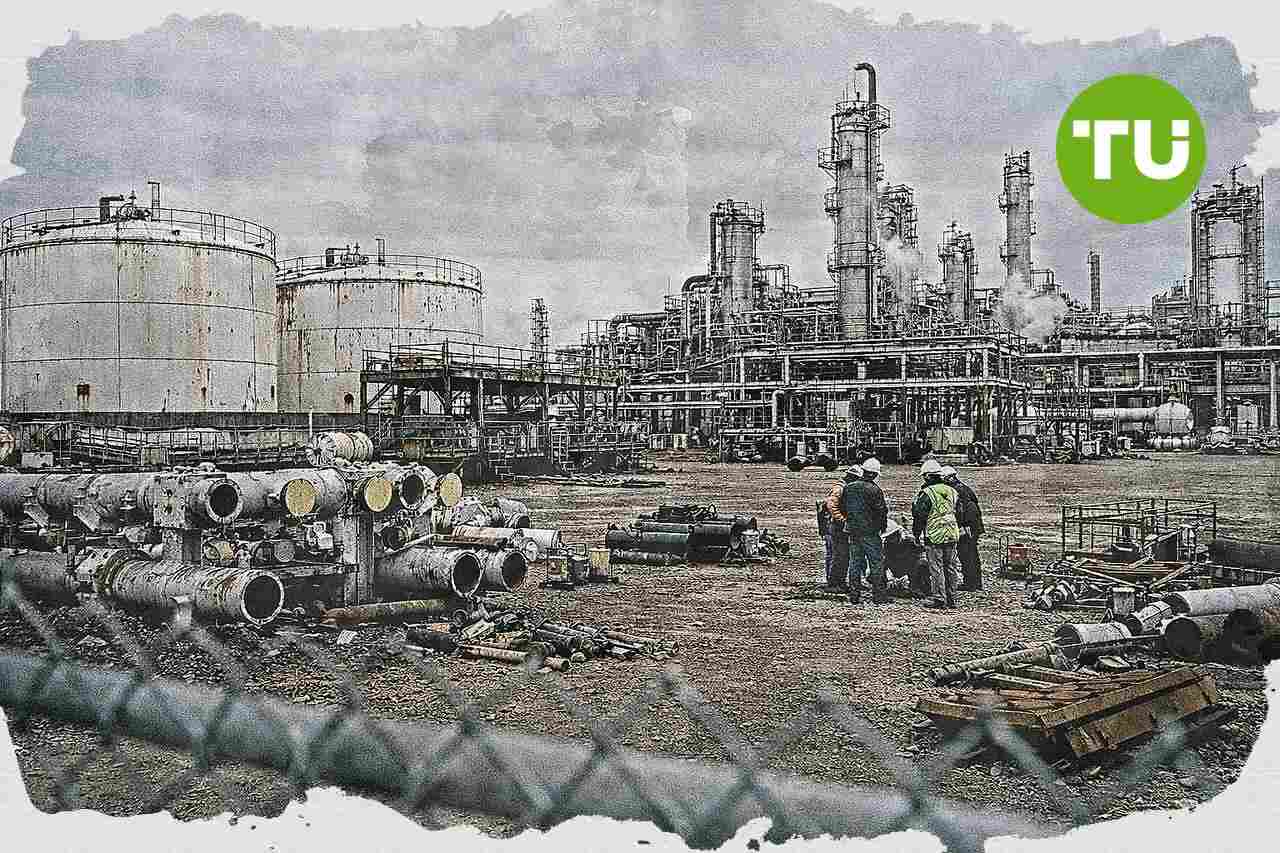
BP retains an A issuer rating with a Stable trend as its balance sheet strengthens alongside ongoing asset sales and the suspension of share buybacks. The confirmation reflects improved credit headroom after the company lifted its cash flow-to-net debt ratio to about 52% in March 2026 from about 35% a year earlier.
Highlights
- DBRS Ratings Limited affirms BP p.l.c.'s Issuer Rating at A with a Stable trend, citing improved leverage, a 2.3 million boe/d production base, and strong trading results.
- BP's cash flow-to-net debt ratio improved to 52% as of March 2026 from 35% in March 2025 due to suspended share buybacks and a USD 20 billion divestment plan.
- BP targets 2.3–2.5 million boe/d through 2030, achieved USD 2.8 billion cost savings by 2025, and aims for USD 6.5–7.5 billion savings by 2027.
Rating rationale and financial metrics
As reported by Morningstar DBRS, DBRS Ratings Limited confirms BP p.l.c.'s Issuer Rating at A and maintains a Stable trend, citing the group's large global footprint, vertically integrated operations and production base of about 2.3 million barrels of oil equivalent per day in the first quarter of 2026, including equity-accounted entities.The agency says BP's standing within the A category has improved since the previous rating action, when limited headroom reflected a weaker financial profile relative to the rating. Since then, BP has suspended its share buyback programme and is executing a USD 20 billion divestment plan aimed at reducing net debt, while a strong trading result in the first quarter of 2026 supports stronger cash generation.
Morningstar DBRS says those steps improve BP's cash flow-to-net debt ratio to about 52% as of March 2026, up from about 35% in March 2025. It expects the company to sustain that stronger leverage profile as it continues to carry out its strategy, underpinning the Stable trend.
Production outlook and sector implications
Looking ahead, BP's long-term production target through 2030 is broadly flat or slightly above 2025 levels, at 2.3 million to 2.5 million barrels of oil equivalent per day. Morningstar DBRS also expects oil prices to rise notably in 2026 from 2025 levels before normalising through 2028, while natural gas prices remain stable.The company is also advancing its structural cost-reduction plan, with USD 2.8 billion in savings achieved as of 2025 against an expanded target of USD 6.5 billion to USD 7.5 billion by 2027, compared with a 2023 base. For the energy sector, the rating action signals that tighter capital allocation, lower leverage and cost discipline remain central to preserving higher-grade credit profiles amid shifting commodity assumptions.
In our earlier analysis of Suncor Energy (SU), we looked at how investors were weighing the company’s integrated oil model and dividend yield while the stock traded under short- and medium-term moving averages. We noted that, despite near-term selling pressure, oversold signals and longer-term support pointed to a likely consolidation range, with attention on whether SU could reclaim key resistance to restore upside momentum.








-
 Afghanistan
-
 Albania
-
 Algeria
-
 Angola
-
 Argentina
-
 Armenia
-
 Australia
-
 Austria
-
 Azerbaijan
-
 Bahamas
-
 Bahrain
-
 Bangladesh
-
 Belarus
-
 Belgium
-
 Bolivia
-
 Botswana
-
 Brazil
-
 Brunei
-
 Bulgaria
-
 Cambodia
-
 Cameroon
-
 Canada
-
 Chile
Chile
-
 China
China
-
 Colombia
-
 Congo
Congo
-
 Costa Rica
-
 Cote d'Ivoire
-
 Croatia
-
 Cuba
Cuba
-
 Cyprus
-
 Czechia
-
 DR Congo
-
 Denmark
-
 Dominican Republic
-
 Ecuador
-
 Egypt
Egypt
-
 El Salvador
-
 Estonia
-
 Eswatini
-
 Ethiopia
-
 Finland
-
 France
-
 Georgia
-
 Germany
-
 Ghana
Ghana
-
 Greece
-
 Haiti
Haiti
-
 Hong Kong
-
 Hungary
-
 India
India
-
 Indonesia
-
 Iran, Islamic republic
-
 Iraq
Iraq
-
 Ireland
-
 Israel
-
 Italy
Italy
-
 Jamaica
-
 Japan
Japan
-
 Jordan
-
 Kazakhstan
-
 Kenya
Kenya
-
 Korea
Korea
-
 Kuwait
-
 Kyrgyzstan
-
 Laos
Laos
-
 Latvia
-
 Lebanon
-
 Lesotho
-
 Libya
Libya
-
 Lithuania
-
 Luxembourg
-
 Madagascar
-
 Malaysia
-
 Malta
Malta
-
 Mauritius
-
 Mexico
-
 Moldova
-
 Mongolia
-
 Montenegro
-
 Morocco
-
 Mozambique
-
 Myanmar
-
 Namibia
-
 Nepal
Nepal
-
 Netherlands
-
 New Zealand
-
 Nigeria
-
 North Macedonia
-
 Norway
-
 Oman
Oman
-
 Pakistan
-
 Palestine
-
 Panama
-
 Papua New Guinea
-
 Paraguay
-
 Peru
Peru
-
 Philippines
-
 Poland
-
 Portugal
-
 Puerto Rico
-
 Qatar
Qatar
-
 Reunion
-
 Romania
-
 Rwanda
-
 Saudi Arabia
-
 Serbia
-
 Singapore
-
 Slovakia
-
 Slovenia
-
 Somalia
-
 South Africa
-
 Spain
Spain
-
 Sri Lanka
-
 Sweden
-
 Switzerland
-
 Syria
Syria
-
 Taiwan
-
 Tajikistan
-
 Tanzania
-
 Thailand
-
 Trinidad and Tobago
-
 Tunisia
-
 Turkey
-
 UAE
UAE
-
 Uganda
-
 Ukraine
-
 United Kingdom
-
United States
-
 Uruguay
-
 Uzbekistan
-
 Venezuela
-
 Vietnam
-
 Yemen
Yemen
-
 Zambia
-
 Zimbabwe
- Forex
- Crypto












