
Mercedes-Benz faces potential U.S. sales and manufacturing ban under House bill
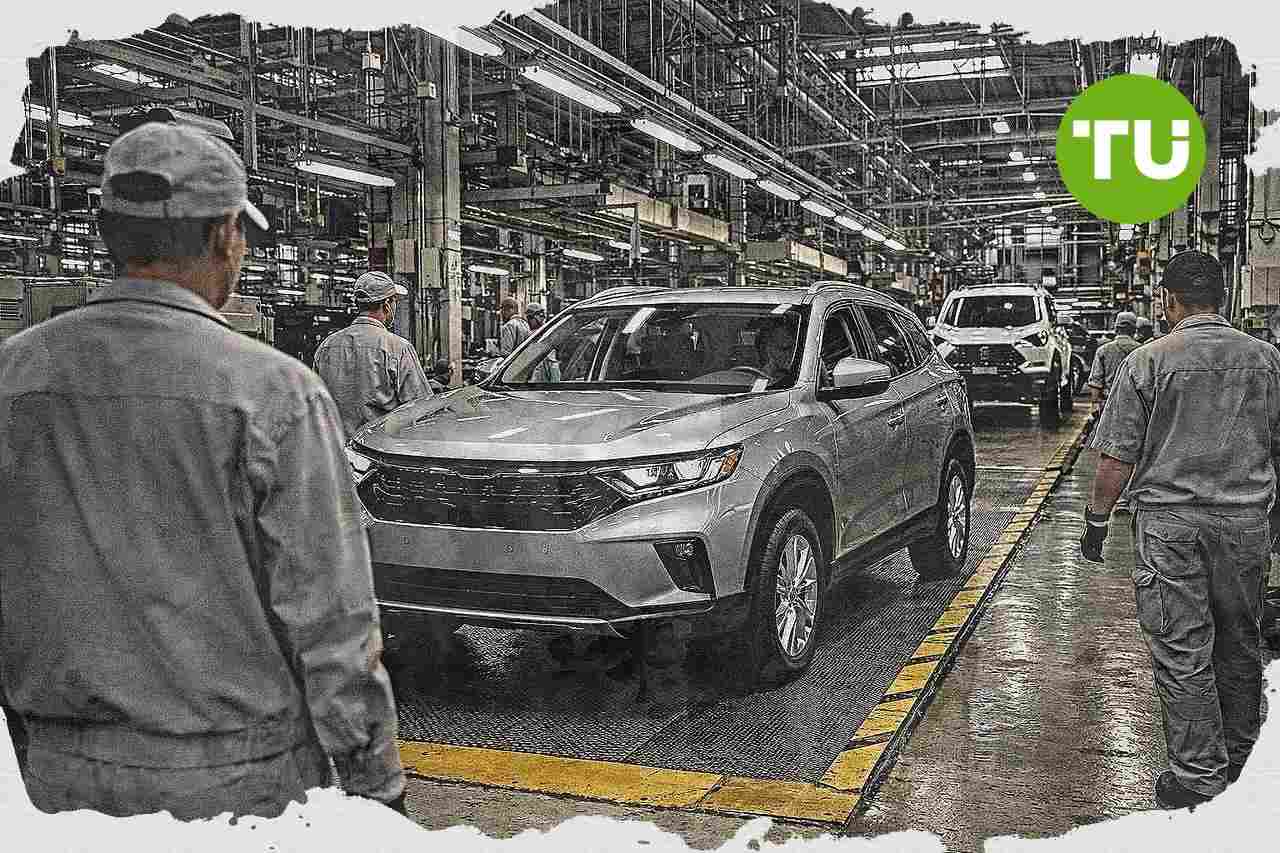
Congress is considering bipartisan legislation that could block some automakers with Chinese state-linked ownership from importing, selling or building new vehicles in the U.S. As currently written, the proposal may also affect Mercedes-Benz because BAIC, a Chinese state-owned automaker, is its largest individual shareholder with a 9.98% stake.
Highlights
- Mercedes-Benz faces a potential U.S. sales and manufacturing ban under a House bill due to its ownership links and significant Tuscaloosa, Alabama plant operations.
- The Connected Vehicle Security Act of 2026 introduces a 15% Chinese ownership threshold, potentially impacting Volvo, Faraday Future, Lotus and Karma Automotive based on exemption details.
- Industry groups support stricter security rules but warn tightening ownership restrictions could disrupt U.S. manufacturing and affect sales, with Mercedes-Benz delivering 303,200 cars and 12,400 vans in 2023.
Industry exposure and U.S. manufacturing implications
Mercedes-Benz has a major manufacturing footprint in the U.S., including its largest local plant in Tuscaloosa, Alabama. According to the company's website, the facility has produced more than 4.5 million vehicles since production began in 1997, meaning any restriction on the brand could extend beyond imports to domestic operations and regional employment.The proposed rules sit alongside a wider push in Washington to curb Chinese influence in the auto sector. A separate measure, the Connected Vehicle Security Act of 2026, includes a similar 15% ownership stipulation and could affect other manufacturers with Chinese ownership links, including Volvo, Faraday Future, Lotus and Karma Automotive, depending on how exemptions are written.
Industry groups are backing the broader policy direction while warning about unintended effects. John Bozzella, chief executive of the Alliance for Automotive Innovation, says in a letter to lawmakers that the bill makes substantial progress on several priorities shared by the U.S. auto industry, but adds that details matter; Autos Drive America similarly says it supports the overall goal of related legislation while cautioning against consequences for U.S. manufacturing.
The legislative debate also comes on top of previously enacted restrictions on connected vehicles using software from countries such as China starting with the 2027 model year and hardware from those countries starting with the 2030 model year. In the U.S. market last year, Volvo sells 121,600 vehicles, while Mercedes-Benz sells 303,200 passenger cars and 12,400 vans, underscoring the commercial scale that could be affected if ownership rules tighten further.
Ultium Cells’ delayed worker recall at its Warren, Ohio, battery plant highlighted how softer-than-expected EV demand is forcing manufacturers to slow output and adjust staffing plans. Our earlier coverage noted that the demand slowdown—along with shifting incentives—has added pressure across the EV supply chain, extending uncertainty for workers and local communities tied to major U.S. manufacturing investments.








-
 Afghanistan
-
 Albania
-
 Algeria
-
 Angola
-
 Argentina
-
 Armenia
-
 Australia
-
 Austria
-
 Azerbaijan
-
 Bahamas
-
 Bahrain
-
 Bangladesh
-
 Belarus
-
 Belgium
-
 Bolivia
-
 Botswana
-
 Brazil
-
 Brunei
-
 Bulgaria
-
 Cambodia
-
 Cameroon
-
 Canada
-
 Chile
Chile
-
 China
China
-
 Colombia
-
 Congo
Congo
-
 Costa Rica
-
 Cote d'Ivoire
-
 Croatia
-
 Cuba
Cuba
-
 Cyprus
-
 Czechia
-
 DR Congo
-
 Denmark
-
 Dominican Republic
-
 Ecuador
-
 Egypt
Egypt
-
 El Salvador
-
 Estonia
-
 Eswatini
-
 Ethiopia
-
 Finland
-
 France
-
 Georgia
-
 Germany
-
 Ghana
Ghana
-
 Greece
-
 Haiti
Haiti
-
 Hong Kong
-
 Hungary
-
 India
India
-
 Indonesia
-
 Iran, Islamic republic
-
 Iraq
Iraq
-
 Ireland
-
 Israel
-
 Italy
Italy
-
 Jamaica
-
 Japan
Japan
-
 Jordan
-
 Kazakhstan
-
 Kenya
Kenya
-
 Korea
Korea
-
 Kuwait
-
 Kyrgyzstan
-
 Laos
Laos
-
 Latvia
-
 Lebanon
-
 Lesotho
-
 Libya
Libya
-
 Lithuania
-
 Luxembourg
-
 Madagascar
-
 Malaysia
-
 Malta
Malta
-
 Mauritius
-
 Mexico
-
 Moldova
-
 Mongolia
-
 Montenegro
-
 Morocco
-
 Mozambique
-
 Myanmar
-
 Namibia
-
 Nepal
Nepal
-
 Netherlands
-
 New Zealand
-
 Nigeria
-
 North Macedonia
-
 Norway
-
 Oman
Oman
-
 Pakistan
-
 Palestine
-
 Panama
-
 Papua New Guinea
-
 Paraguay
-
 Peru
Peru
-
 Philippines
-
 Poland
-
 Portugal
-
 Puerto Rico
-
 Qatar
Qatar
-
 Reunion
-
 Romania
-
 Rwanda
-
 Saudi Arabia
-
 Serbia
-
 Singapore
-
 Slovakia
-
 Slovenia
-
 Somalia
-
 South Africa
-
 Spain
Spain
-
 Sri Lanka
-
 Sweden
-
 Switzerland
-
 Syria
Syria
-
 Taiwan
-
 Tajikistan
-
 Tanzania
-
 Thailand
-
 Trinidad and Tobago
-
 Tunisia
-
 Turkey
-
 UAE
UAE
-
 Uganda
-
 Ukraine
-
 United Kingdom
-
United States
-
 Uruguay
-
 Uzbekistan
-
 Venezuela
-
 Vietnam
-
 Yemen
Yemen
-
 Zambia
-
 Zimbabwe
- Forex
- Crypto











