
U.S. Energy Department expands coal plant support and modernization push
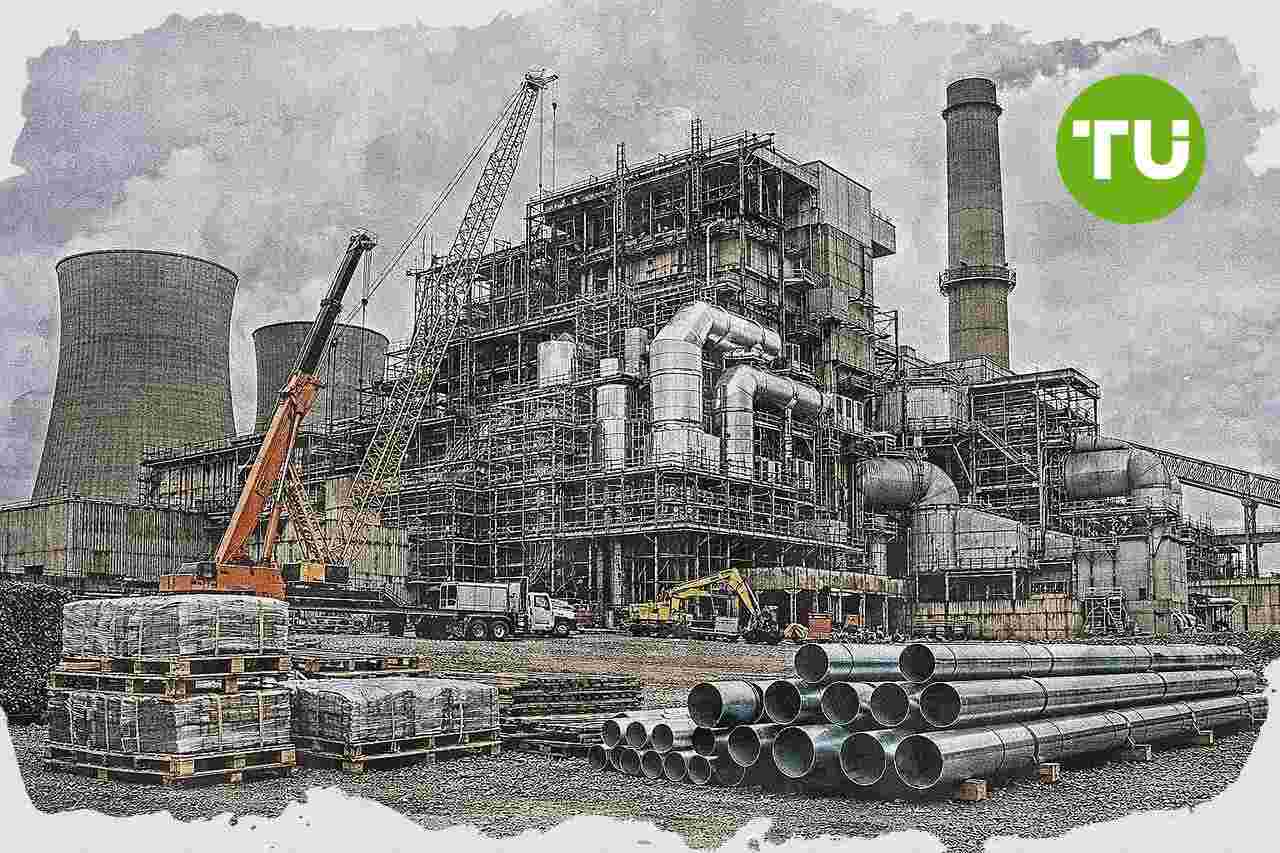
The U.S. administration is widening its effort to keep coal-fired generation online as it argues the fuel is needed for grid reliability, lower power costs and national security. On June 4, 2026, the Department of Energy says it intends to save or support 17 more coal plants and one export facility, extending a broader program that now covers 45 plants and more than 40 gigawatts of coal capacity.
Highlights
- The Department of Energy is awarding up to $350 million for four projects upgrading and modernizing coal plants, including facilities in Alaska, West Virginia, Maryland, and Puerto Rico.
- Recent actions bring the total number of U.S. coal plants supported to 45, representing over 40 GW of capacity, averting approximately $50 billion in construction costs and spurring $1.7 billion in private investment.
- On June 4, 2025, $500 million in Defense Production Act funding was announced for 13 coal plants and the West Gateway Terminal Project, supporting national energy reliability and export infrastructure.
Coal funding plan and project scope
As reported by the Department of Energy, four projects are set to receive up to $350 million through the agency’s Restoring Reliability: Coal Recommissioning and Modernization initiative for upgrades aimed at improving efficiency, extending plant life and adding dependable capacity to the grid.The selected projects include assessments for two new coal-powered plants, a 1.25 GW facility in Anchorage, Alaska, and a 1.6 GW plant at the West Virginia Energy Campus. The program also includes recommissioning the 205 MW AES Warrior Run Generating Plant in Cumberland, Maryland, which was shuttered in 2024, and retrofitting and modernizing the existing 510 MW AES Puerto Rico coal-fired plant in Guayama, Puerto Rico.
The department says its latest actions bring the total number of coal plants saved or supported to 45, representing more than 40 GW of coal power. It also says the effort avoids about $50 billion in new power generation construction costs and is expected to spur about $1.7 billion in private-sector investment, while helping keep at least 42 coal mines operating.
The agency adds that it previously committed $175 million for six earlier projects to upgrade existing coal facilities. It links the latest step to five presidential determinations issued on April 30, 2026, authorizing deployment of funding to strengthen domestic energy production and infrastructure, including coal generation.
Grid reliability and national energy strategy
The coal initiative forms part of a wider administration policy to prevent what it describes as premature coal plant retirements and to expand supporting infrastructure. The department says the strategy is designed to reinforce electricity reliability during periods of high demand and extreme weather while supporting mining, power and export jobs.The fact sheet also points to a June 4, 2025 announcement under which the department says it will support 13 coal plants and coal export infrastructure with $500 million in Defense Production Act funding. Of that amount, $425 million is allocated to 13 coal plants across 10 states, while $75 million is directed to the West Gateway Terminal Project in Oakland, California, to expand U.S. coal export capacity.
According to the department, the administration saved more than 17 GW of coal-powered electricity generation in 2025 by preventing shutdowns of coal-fired plants. It says that since January 2025, emergency orders issued by Secretary Wright prevented the closure of six coal-fired power plants, and that more than 15 additional plants later reversed plans to shut down voluntarily.
Our earlier coverage of the U.S. Department of Energy’s $500 million Defense Production Act package explained how the agency aimed to support coal plant upgrades while expanding export infrastructure through Oakland’s West Gateway Terminal Project. We noted that DOE framed the effort as a way to preserve baseload capacity, strengthen domestic coal supply chains, and improve energy infrastructure resilience, including by enabling additional shipments to allied Asian markets.


Latest National Grid News





-
 Afghanistan
-
 Albania
-
 Algeria
-
 Angola
-
 Argentina
-
 Armenia
-
 Australia
-
 Austria
-
 Azerbaijan
-
 Bahamas
-
 Bahrain
-
 Bangladesh
-
 Belarus
-
 Belgium
-
 Bolivia
-
 Botswana
-
 Brazil
-
 Brunei
-
 Bulgaria
-
 Cambodia
-
 Cameroon
-
 Canada
-
 Chile
Chile
-
 China
China
-
 Colombia
-
 Congo
Congo
-
 Costa Rica
-
 Cote d'Ivoire
-
 Croatia
-
 Cuba
Cuba
-
 Cyprus
-
 Czechia
-
 DR Congo
-
 Denmark
-
 Dominican Republic
-
 Ecuador
-
 Egypt
Egypt
-
 El Salvador
-
 Estonia
-
 Eswatini
-
 Ethiopia
-
 Finland
-
 France
-
 Georgia
-
 Germany
-
 Ghana
Ghana
-
 Greece
-
 Haiti
Haiti
-
 Hong Kong
-
 Hungary
-
 India
India
-
 Indonesia
-
 Iran, Islamic republic
-
 Iraq
Iraq
-
 Ireland
-
 Israel
-
 Italy
Italy
-
 Jamaica
-
 Japan
Japan
-
 Jordan
-
 Kazakhstan
-
 Kenya
Kenya
-
 Korea
Korea
-
 Kuwait
-
 Kyrgyzstan
-
 Laos
Laos
-
 Latvia
-
 Lebanon
-
 Lesotho
-
 Libya
Libya
-
 Lithuania
-
 Luxembourg
-
 Madagascar
-
 Malaysia
-
 Malta
Malta
-
 Mauritius
-
 Mexico
-
 Moldova
-
 Mongolia
-
 Montenegro
-
 Morocco
-
 Mozambique
-
 Myanmar
-
 Namibia
-
 Nepal
Nepal
-
 Netherlands
-
 New Zealand
-
 Nigeria
-
 North Macedonia
-
 Norway
-
 Oman
Oman
-
 Pakistan
-
 Palestine
-
 Panama
-
 Papua New Guinea
-
 Paraguay
-
 Peru
Peru
-
 Philippines
-
 Poland
-
 Portugal
-
 Puerto Rico
-
 Qatar
Qatar
-
 Reunion
-
 Romania
-
 Rwanda
-
 Saudi Arabia
-
 Serbia
-
 Singapore
-
 Slovakia
-
 Slovenia
-
 Somalia
-
 South Africa
-
 Spain
Spain
-
 Sri Lanka
-
 Sweden
-
 Switzerland
-
 Syria
Syria
-
 Taiwan
-
 Tajikistan
-
 Tanzania
-
 Thailand
-
 Trinidad and Tobago
-
 Tunisia
-
 Turkey
-
 UAE
UAE
-
 Uganda
-
 Ukraine
-
 United Kingdom
-
United States
-
 Uruguay
-
 Uzbekistan
-
 Venezuela
-
 Vietnam
-
 Yemen
Yemen
-
 Zambia
-
 Zimbabwe
- Forex
- Crypto












