
Senate agriculture panel advances USDA rural development nominee
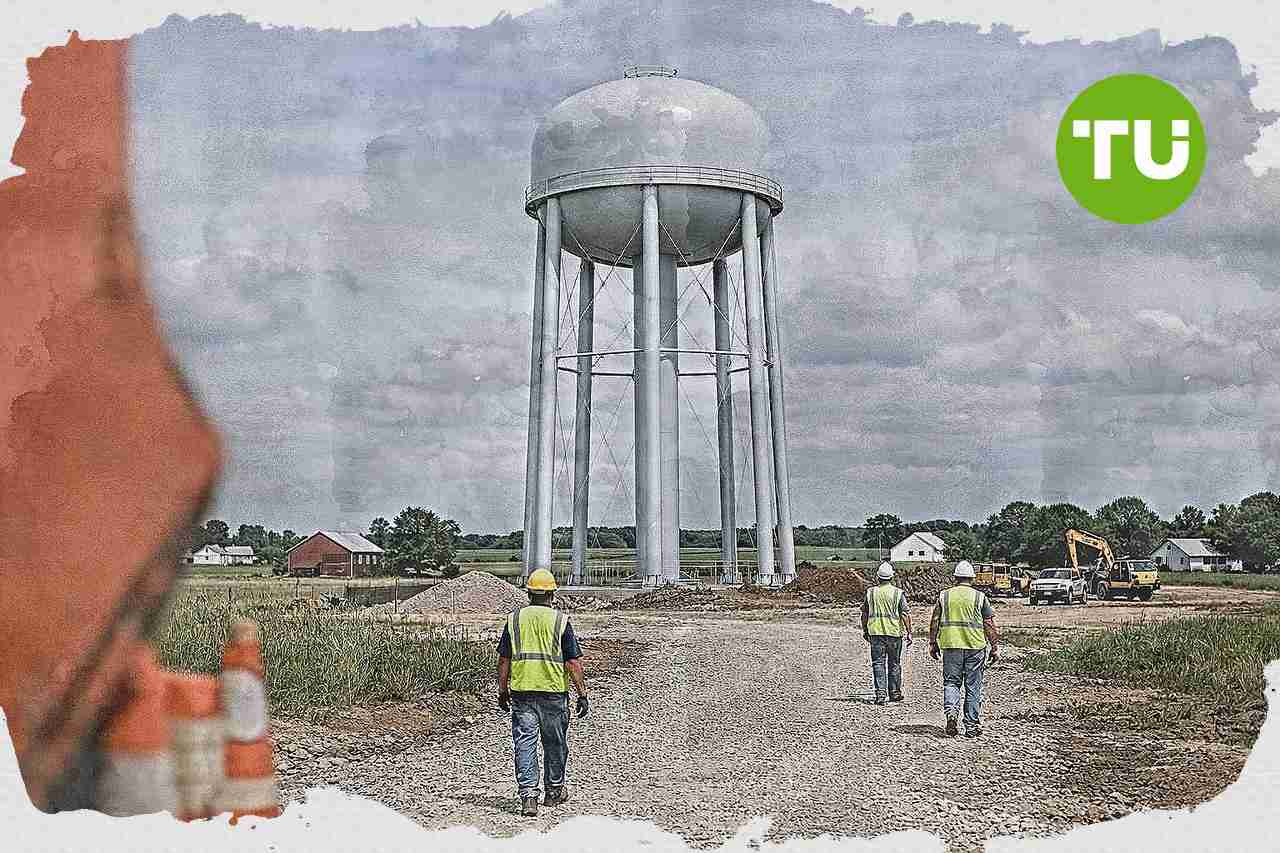
The Senate Agriculture Committee moves forward with the nomination of Glen Smith to serve as Under Secretary of Agriculture for Rural Development at the U.S. Department of Agriculture. The step highlights the agency's central role in supporting economic opportunity, essential services and community development across rural America.
Highlights
- Senate Committee on Agriculture, Nutrition, and Forestry advances Smith's nomination for the USDA rural development leadership role under Chairman John Boozman.
- If confirmed, Smith would oversee federal support for rural infrastructure, local services, and community development at a senior USDA post.
- The nomination progresses as lawmakers highlight USDA program impacts on long-term rural U.S. economic conditions.
Committee action on rural development post
As reported by the Senate Committee on Agriculture, Nutrition, and Forestry, Chairman John Boozman leads the panel in advancing Smith's nomination for the USDA role overseeing rural development programs.Boozman says USDA plays a critical role in strengthening quality of life in rural America through investments that back economic opportunity, essential services and community development. He says Smith's leadership will be instrumental in helping rural communities secure the tools and resources needed to serve residents into the future.
Implications for rural America
If confirmed by the full Senate, Smith would take on a senior USDA position tied to federal support for rural infrastructure, local services and broader community development efforts.The committee's action keeps the nomination moving at a time when lawmakers are emphasizing how USDA programs affect long-term economic conditions in rural regions across the U.S.
Our earlier article on SBA drought-related Economic Injury Disaster Loans (EIDL) explained how low-interest federal financing was opened to eligible small businesses and private nonprofits in drought-affected counties, even when there was no physical damage. We noted the key terms, including borrowing up to $2 million, long repayment periods, and a 12-month payment deferral, while most agricultural producers generally remained ineligible except for small aquaculture enterprises.


Latest Transportation News





-
 Afghanistan
-
 Albania
-
 Algeria
-
 Angola
-
 Argentina
-
 Armenia
-
 Australia
-
 Austria
-
 Azerbaijan
-
 Bahamas
-
 Bahrain
-
 Bangladesh
-
 Belarus
-
 Belgium
-
 Bolivia
-
 Botswana
-
 Brazil
-
 Brunei
-
 Bulgaria
-
 Cambodia
-
 Cameroon
-
 Canada
-
 Chile
Chile
-
 China
China
-
 Colombia
-
 Congo
Congo
-
 Costa Rica
-
 Cote d'Ivoire
-
 Croatia
-
 Cuba
Cuba
-
 Cyprus
-
 Czechia
-
 DR Congo
-
 Denmark
-
 Dominican Republic
-
 Ecuador
-
 Egypt
Egypt
-
 El Salvador
-
 Estonia
-
 Eswatini
-
 Ethiopia
-
 Finland
-
 France
-
 Georgia
-
 Germany
-
 Ghana
Ghana
-
 Greece
-
 Haiti
Haiti
-
 Hong Kong
-
 Hungary
-
 India
India
-
 Indonesia
-
 Iran, Islamic republic
-
 Iraq
Iraq
-
 Ireland
-
 Israel
-
 Italy
Italy
-
 Jamaica
-
 Japan
Japan
-
 Jordan
-
 Kazakhstan
-
 Kenya
Kenya
-
 Korea
Korea
-
 Kuwait
-
 Kyrgyzstan
-
 Laos
Laos
-
 Latvia
-
 Lebanon
-
 Lesotho
-
 Libya
Libya
-
 Lithuania
-
 Luxembourg
-
 Madagascar
-
 Malaysia
-
 Malta
Malta
-
 Mauritius
-
 Mexico
-
 Moldova
-
 Mongolia
-
 Montenegro
-
 Morocco
-
 Mozambique
-
 Myanmar
-
 Namibia
-
 Nepal
Nepal
-
 Netherlands
-
 New Zealand
-
 Nigeria
-
 North Macedonia
-
 Norway
-
 Oman
Oman
-
 Pakistan
-
 Palestine
-
 Panama
-
 Papua New Guinea
-
 Paraguay
-
 Peru
Peru
-
 Philippines
-
 Poland
-
 Portugal
-
 Puerto Rico
-
 Qatar
Qatar
-
 Reunion
-
 Romania
-
 Rwanda
-
 Saudi Arabia
-
 Serbia
-
 Singapore
-
 Slovakia
-
 Slovenia
-
 Somalia
-
 South Africa
-
 Spain
Spain
-
 Sri Lanka
-
 Sweden
-
 Switzerland
-
 Syria
Syria
-
 Taiwan
-
 Tajikistan
-
 Tanzania
-
 Thailand
-
 Trinidad and Tobago
-
 Tunisia
-
 Turkey
-
 UAE
UAE
-
 Uganda
-
 Ukraine
-
 United Kingdom
-
United States
-
 Uruguay
-
 Uzbekistan
-
 Venezuela
-
 Vietnam
-
 Yemen
Yemen
-
 Zambia
-
 Zimbabwe
- Forex
- Crypto












