
U.S. SNAP curbs pressure packaged food spending across states
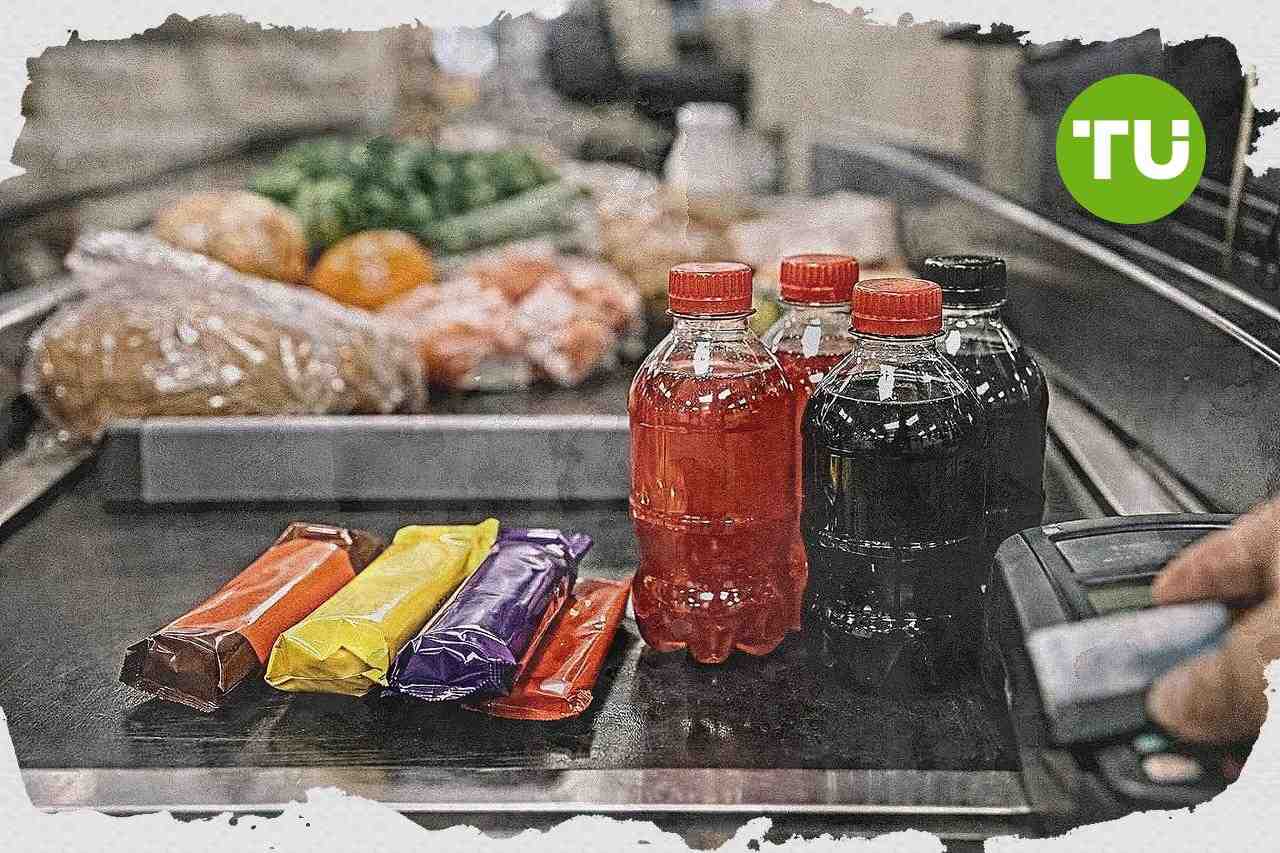
State-level restrictions on Supplemental Nutrition Assistance Program purchases are expanding across the U.S., pushing food and beverage groups to reassess demand for soda, candy and other processed products. The approved waivers now cover 23 states and about one-third of SNAP recipients, with Numerator estimating as much as $830 million in reduced sales this year.
Highlights
- USDA-approved food restriction waivers in 23 states impact about one-third of SNAP participants and could reduce food and beverage sales by up to $830 million in 2024.
- Iowa enacts a pioneering law banning synthetic dyes in K-12 schools and restricting SNAP purchases of soda and candy, signaling a targeted regulatory shift affecting major consumer brands.
- Packaged food companies like Hershey, PepsiCo, Coca-Cola, and Kraft Heinz are monitoring and researching SNAP-driven demand changes as ingredient scrutiny and processing claims drive portfolio adaptations.
State waivers reshape SNAP purchasing rules
As reported by CNBC, the U.S. Department of Agriculture had approved food restriction waivers in 23 states as of May, extending limits on what SNAP recipients can buy and widening the policy shift across a large share of the program. Numerator says the changes affect roughly one-third of all participants and could cut food and beverage sales by up to $830 million this year as shoppers either move to eligible items or reduce overall purchases.Most of the waivers center on sugar-sweetened beverages and confectionery products rather than broad bans across grocery categories. Iowa recently becomes the first state to write elements of the Make America Healthy Again, or MAHA, movement into law, with measures targeting artificial food dyes, ultra-processed foods in schools and SNAP-funded purchases.
The Iowa law bans several synthetic dyes from most K-12 school meals and vending machines, while also preventing SNAP benefits from being used for products such as soda and candy. The restrictions signal a more targeted regulatory approach that could still have meaningful consequences for large consumer brands with heavy exposure to those categories.
Food companies track demand and product shifts
Major packaged food companies including Hershey, PepsiCo, Coca-Cola and Kraft Heinz are closely watching whether the restrictions change shopping patterns in a lasting way. The policy pressure adds to a broader industry effort to adapt portfolios as consumers increasingly scrutinize ingredients, processing levels and health claims.At a Goldman Sachs conference, Hershey says it has researchers conducting in-store interviews with shoppers who receive SNAP benefits to better understand how buying behavior is changing under the new rules. The company is examining product substitutions and household budget tradeoffs, offering an early view of how manufacturers are preparing for a possible demand shift.
J.M. Smucker's chief executive says he expects the SNAP policy changes to have a more muted effect, arguing the current environment is not dramatically different from patterns seen over time. Even so, the curbs remain one of the clearest regulatory changes the food sector is monitoring as it navigates shifting consumer preferences and state-led nutrition policy.
Greencore’s share price came under pressure after interim results showed a pre-tax loss driven by transaction costs tied to its Bakkavor acquisition. Our earlier article noted that despite the headline loss and a sharp post-results drop, management reaffirmed its 2026 profit guidance and outlined an $80 million cost-synergy plan, with a board-level share purchase seen as a confidence signal in the integration story.


Latest Kraft Heinz Co News





-
 Afghanistan
-
 Albania
-
 Algeria
-
 Angola
-
 Argentina
-
 Armenia
-
 Australia
-
 Austria
-
 Azerbaijan
-
 Bahamas
-
 Bahrain
-
 Bangladesh
-
 Belarus
-
 Belgium
-
 Bolivia
-
 Botswana
-
 Brazil
-
 Brunei
-
 Bulgaria
-
 Cambodia
-
 Cameroon
-
 Canada
-
 Chile
Chile
-
 China
China
-
 Colombia
-
 Congo
Congo
-
 Costa Rica
-
 Cote d'Ivoire
-
 Croatia
-
 Cuba
Cuba
-
 Cyprus
-
 Czechia
-
 DR Congo
-
 Denmark
-
 Dominican Republic
-
 Ecuador
-
 Egypt
Egypt
-
 El Salvador
-
 Estonia
-
 Eswatini
-
 Ethiopia
-
 Finland
-
 France
-
 Georgia
-
 Germany
-
 Ghana
Ghana
-
 Greece
-
 Haiti
Haiti
-
 Hong Kong
-
 Hungary
-
 India
India
-
 Indonesia
-
 Iran, Islamic republic
-
 Iraq
Iraq
-
 Ireland
-
 Israel
-
 Italy
Italy
-
 Jamaica
-
 Japan
Japan
-
 Jordan
-
 Kazakhstan
-
 Kenya
Kenya
-
 Korea
Korea
-
 Kuwait
-
 Kyrgyzstan
-
 Laos
Laos
-
 Latvia
-
 Lebanon
-
 Lesotho
-
 Libya
Libya
-
 Lithuania
-
 Luxembourg
-
 Madagascar
-
 Malaysia
-
 Malta
Malta
-
 Mauritius
-
 Mexico
-
 Moldova
-
 Mongolia
-
 Montenegro
-
 Morocco
-
 Mozambique
-
 Myanmar
-
 Namibia
-
 Nepal
Nepal
-
 Netherlands
-
 New Zealand
-
 Nigeria
-
 North Macedonia
-
 Norway
-
 Oman
Oman
-
 Pakistan
-
 Palestine
-
 Panama
-
 Papua New Guinea
-
 Paraguay
-
 Peru
Peru
-
 Philippines
-
 Poland
-
 Portugal
-
 Puerto Rico
-
 Qatar
Qatar
-
 Reunion
-
 Romania
-
 Rwanda
-
 Saudi Arabia
-
 Serbia
-
 Singapore
-
 Slovakia
-
 Slovenia
-
 Somalia
-
 South Africa
-
 Spain
Spain
-
 Sri Lanka
-
 Sweden
-
 Switzerland
-
 Syria
Syria
-
 Taiwan
-
 Tajikistan
-
 Tanzania
-
 Thailand
-
 Trinidad and Tobago
-
 Tunisia
-
 Turkey
-
 UAE
UAE
-
 Uganda
-
 Ukraine
-
 United Kingdom
-
United States
-
 Uruguay
-
 Uzbekistan
-
 Venezuela
-
 Vietnam
-
 Yemen
Yemen
-
 Zambia
-
 Zimbabwe
- Forex
- Crypto











