
U.S. Energy Department offers conditional nuclear loans to expand reactor pipeline
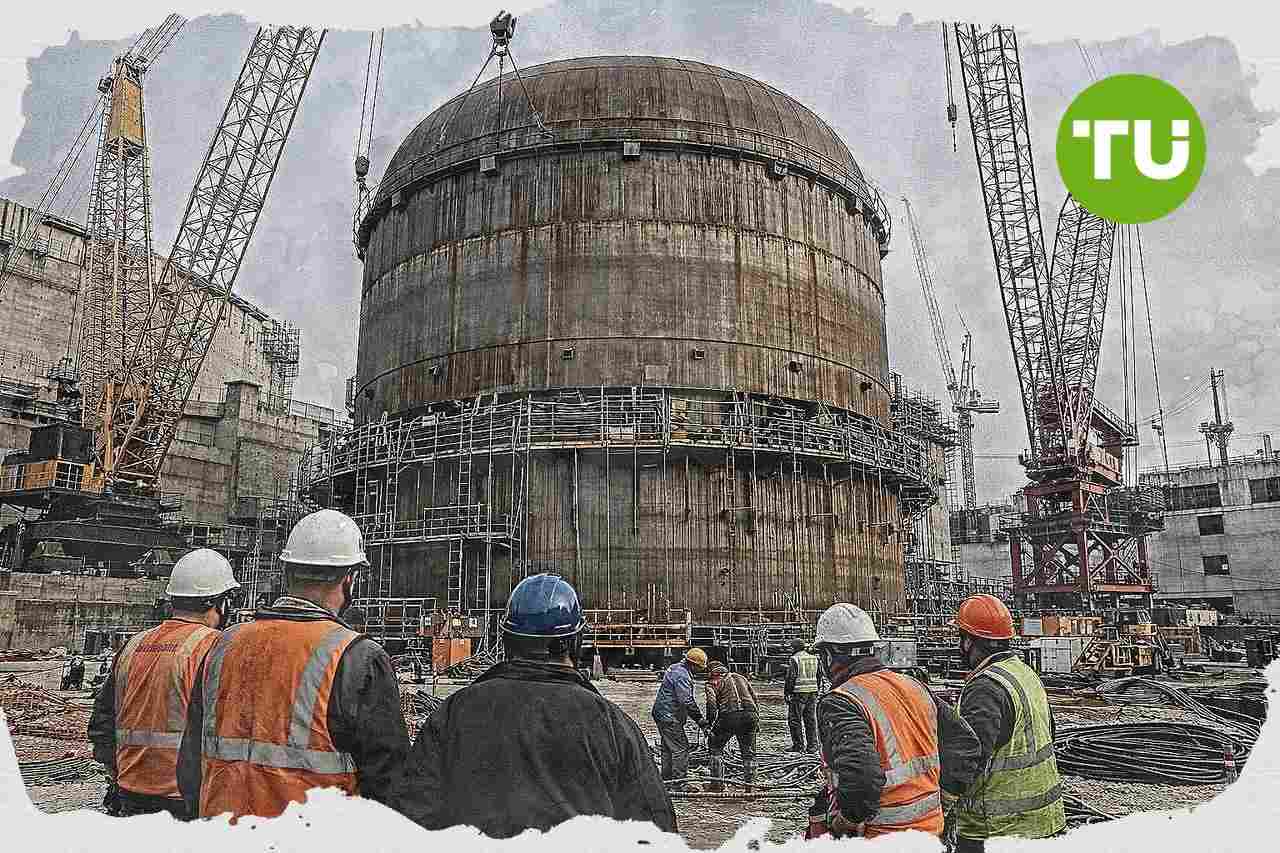
Growing electricity demand from data centers and artificial intelligence investment is pushing the U.S. to accelerate plans to rebuild its commercial nuclear supply chain. The Energy Department says $17.5 billion in conditional loans is meant to support reactor purchases and related infrastructure, with a goal of putting 10 new large-scale reactors under construction by 2030.
Highlights
- The U.S. Department of Energy's Energy Dominance Financing program will offer up to five conditional loans, each supporting two 1.1 gigawatt Westinghouse reactors, enabling up to 10 new reactors.
- Utilities and Westinghouse must each contribute $500 million per project to access DOE funding, with seven utilities having expressed interest though identities and sites remain undisclosed.
- The initiative targets accelerating nuclear construction by up to three years, addressing surging U.S. electricity demand from data centers, and aims to bolster domestic nuclear manufacturing capacity.
Loan structure and reactor buildout plan
As reported by Reuters, the U.S. Department of Energy announced on Tuesday that its Energy Dominance Financing program will back up to five conditional loans for utilities and energy companies. Each loan will support two 1.1 gigawatt Westinghouse reactors at a project site, creating a framework for as many as 10 new large-scale reactors.Energy Secretary Chris Wright says the financing can help the U.S. meet its 2030 construction target and could accelerate that timeline by three years. He also says each project will be jointly owned by Westinghouse and a utility or energy company partner, with both sides required to commit $500 million each before gaining access to DOE loan funds.
Wright says seven utilities have expressed interest so far, but he does not disclose their identities or project locations. He characterizes the initiative as a low-risk effort and says the projects are expected to be economic for utility shareholders, ratepayers and hyperscalers.
Power demand and implications for the energy sector
The financing push comes as U.S. electricity demand rises sharply alongside the rapid buildout of data centers supporting artificial intelligence capabilities. Wright says the initiative is attracting strong interest from data center hyperscalers, the technology groups that operate global cloud and computing infrastructure, as well as from energy companies.If the loans move forward, the program could strengthen domestic nuclear manufacturing and construction capacity while giving utilities another pathway to meet long-term power demand. The plan also signals broader federal support for large-scale nuclear development as the U.S. looks for stable generation sources to serve expanding industrial and digital loads.
Our earlier article on the DOE’s $17.5 billion nuclear loan package explained how the program is designed to back five projects with two Westinghouse AP1000 (1.1 GW) reactors each, potentially enabling 10 new large-scale units. We noted that the financing is intended to lower costs, secure long-lead components, and pull deployment timelines forward by about three years, with Westinghouse partnering with utilities that have already submitted initial commitments.









-
 Afghanistan
-
 Albania
-
 Algeria
-
 Angola
-
 Argentina
-
 Armenia
-
 Australia
-
 Austria
-
 Azerbaijan
-
 Bahamas
-
 Bahrain
-
 Bangladesh
-
 Belarus
-
 Belgium
-
 Bolivia
-
 Botswana
-
 Brazil
-
 Brunei
-
 Bulgaria
-
 Cambodia
-
 Cameroon
-
 Canada
-
 Chile
Chile
-
 China
China
-
 Colombia
-
 Congo
Congo
-
 Costa Rica
-
 Cote d'Ivoire
-
 Croatia
-
 Cuba
Cuba
-
 Cyprus
-
 Czechia
-
 DR Congo
-
 Denmark
-
 Dominican Republic
-
 Ecuador
-
 Egypt
Egypt
-
 El Salvador
-
 Estonia
-
 Eswatini
-
 Ethiopia
-
 Finland
-
 France
-
 Georgia
-
 Germany
-
 Ghana
Ghana
-
 Greece
-
 Haiti
Haiti
-
 Hong Kong
-
 Hungary
-
 India
India
-
 Indonesia
-
 Iran, Islamic republic
-
 Iraq
Iraq
-
 Ireland
-
 Israel
-
 Italy
Italy
-
 Jamaica
-
 Japan
Japan
-
 Jordan
-
 Kazakhstan
-
 Kenya
Kenya
-
 Korea
Korea
-
 Kuwait
-
 Kyrgyzstan
-
 Laos
Laos
-
 Latvia
-
 Lebanon
-
 Lesotho
-
 Libya
Libya
-
 Lithuania
-
 Luxembourg
-
 Madagascar
-
 Malaysia
-
 Malta
Malta
-
 Mauritius
-
 Mexico
-
 Moldova
-
 Mongolia
-
 Montenegro
-
 Morocco
-
 Mozambique
-
 Myanmar
-
 Namibia
-
 Nepal
Nepal
-
 Netherlands
-
 New Zealand
-
 Nigeria
-
 North Macedonia
-
 Norway
-
 Oman
Oman
-
 Pakistan
-
 Palestine
-
 Panama
-
 Papua New Guinea
-
 Paraguay
-
 Peru
Peru
-
 Philippines
-
 Poland
-
 Portugal
-
 Puerto Rico
-
 Qatar
Qatar
-
 Reunion
-
 Romania
-
 Rwanda
-
 Saudi Arabia
-
 Serbia
-
 Singapore
-
 Slovakia
-
 Slovenia
-
 Somalia
-
 South Africa
-
 Spain
Spain
-
 Sri Lanka
-
 Sweden
-
 Switzerland
-
 Syria
Syria
-
 Taiwan
-
 Tajikistan
-
 Tanzania
-
 Thailand
-
 Trinidad and Tobago
-
 Tunisia
-
 Turkey
-
 UAE
UAE
-
 Uganda
-
 Ukraine
-
 United Kingdom
-
United States
-
 Uruguay
-
 Uzbekistan
-
 Venezuela
-
 Vietnam
-
 Yemen
Yemen
-
 Zambia
-
 Zimbabwe
- Forex
- Crypto











