
Chemours agrees $450 million PFAS settlement across three U.S. states
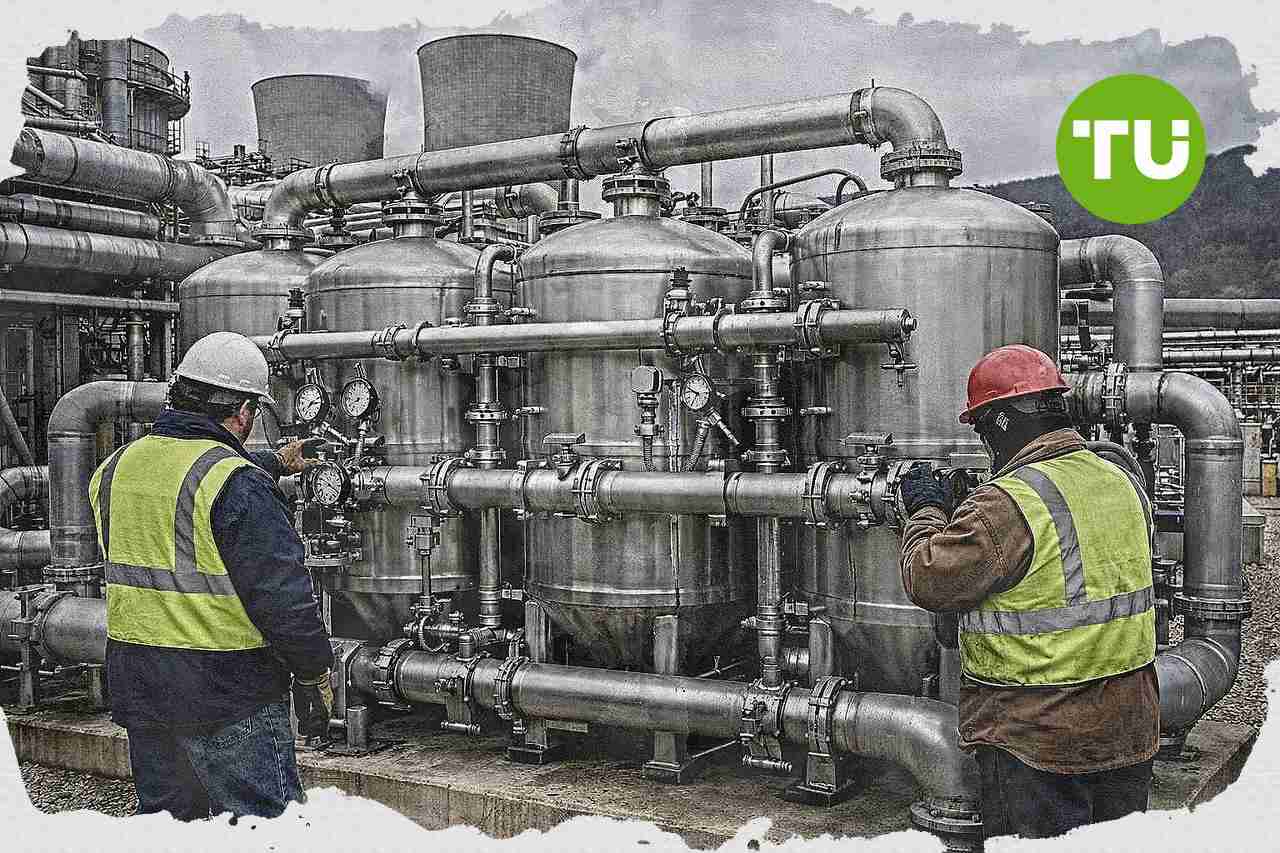
Federal and state regulators are securing a broad enforcement deal with Chemours over PFAS releases from four facilities in West Virginia, North Carolina and New Jersey. The agreement includes a civil penalty, pollution controls and long-term drinking water measures, while allowing the company to continue producing PFAS for critical industrial and military uses.
Highlights
- Chemours agreed to a $450 million settlement covering four facilities in three states, including a $22.5 million civil penalty for PFAS violations.
- Chemours will spend an estimated $430 million on PFAS pollution controls, local water provisions, and compliance projects across West Virginia, New Jersey, and North Carolina.
- The consent decree, subject to public comment, marks the first federal comprehensive PFAS settlement, signaling more stringent industrywide environmental enforcement and higher compliance costs.
Settlement terms and compliance measures
As reported by the U.S. Department of Justice, the settlement is the federal government's first comprehensive resolution of enforcement claims over pollution by a manufacturer of PFAS, often known as forever chemicals. The Justice Department, the Environmental Protection Agency and the West Virginia Department of Environmental Protection say the agreement is brought under multiple federal and state environmental laws covering water pollution, hazardous waste and toxic substances.Chemours is to pay a $22.5 million civil penalty for alleged violations and carry out a multi-year $90 million program to mitigate PFAS discharges. The company is also to install PFAS pollution controls for surface water discharges and air emissions at its West Virginia facility at an estimated cost of $60 million, provide clean drinking water for more than a decade to communities near its facilities in West Virginia and New Jersey at an estimated cost of $280 million, and evaluate and implement measures to reduce PFAS and other toxic releases from its North Carolina facility.
The consent decree also calls for 14 specified projects to cut PFAS in wastewater, stormwater and groundwater from the West Virginia plant. Chemours is required to test drinking water near plants in West Virginia and New Jersey, provide treated or alternative clean water where needed, control releases of GenX from each facility at an efficiency of at least 99%, strengthen leak detection and repair programs, and certify compliance for hazardous waste storage.
Regional impact and next steps
The settlement covers four Chemours facilities in three states and is aimed at reducing exposure for nearby communities that regulators say were affected by illegal PFAS releases. Authorities say scientific studies link exposure to some PFAS in the environment with potentially harmful effects in humans and animals, adding to pressure on manufacturers to curb emissions at the source.For Chemours, the agreement is designed to preserve operations for commercial and military supply chains while imposing tighter environmental controls and higher compliance costs. Regulators say the measures are intended both to prevent future contamination and begin addressing past harm, a signal that PFAS enforcement in the U.S. chemicals sector is becoming more expansive and operationally significant.
The consent decree has been lodged in the U.S. District Court for the Southern District of West Virginia and remains subject to a public comment period. The EPA investigated the case with assistance from the West Virginia Department of Environmental Protection.
Our earlier coverage of the House Committee on Energy and Commerce’s weekly agenda outlined a packed slate of hearings and bill markups spanning critical mineral recovery, electricity and pipeline safety, Medicaid fraud oversight, and healthcare price transparency. The schedule underscored lawmakers’ growing focus on compliance, consumer protection, and how regulatory decisions shape costs across major U.S. industries.









-
 Afghanistan
-
 Albania
-
 Algeria
-
 Angola
-
 Argentina
-
 Armenia
-
 Australia
-
 Austria
-
 Azerbaijan
-
 Bahamas
-
 Bahrain
-
 Bangladesh
-
 Belarus
-
 Belgium
-
 Bolivia
-
 Botswana
-
 Brazil
-
 Brunei
-
 Bulgaria
-
 Cambodia
-
 Cameroon
-
 Canada
-
 Chile
Chile
-
 China
China
-
 Colombia
-
 Congo
Congo
-
 Costa Rica
-
 Cote d'Ivoire
-
 Croatia
-
 Cuba
Cuba
-
 Cyprus
-
 Czechia
-
 DR Congo
-
 Denmark
-
 Dominican Republic
-
 Ecuador
-
 Egypt
Egypt
-
 El Salvador
-
 Estonia
-
 Eswatini
-
 Ethiopia
-
 Finland
-
 France
-
 Georgia
-
 Germany
-
 Ghana
Ghana
-
 Greece
-
 Haiti
Haiti
-
 Hong Kong
-
 Hungary
-
 India
India
-
 Indonesia
-
 Iran, Islamic republic
-
 Iraq
Iraq
-
 Ireland
-
 Israel
-
 Italy
Italy
-
 Jamaica
-
 Japan
Japan
-
 Jordan
-
 Kazakhstan
-
 Kenya
Kenya
-
 Korea
Korea
-
 Kuwait
-
 Kyrgyzstan
-
 Laos
Laos
-
 Latvia
-
 Lebanon
-
 Lesotho
-
 Libya
Libya
-
 Lithuania
-
 Luxembourg
-
 Madagascar
-
 Malaysia
-
 Malta
Malta
-
 Mauritius
-
 Mexico
-
 Moldova
-
 Mongolia
-
 Montenegro
-
 Morocco
-
 Mozambique
-
 Myanmar
-
 Namibia
-
 Nepal
Nepal
-
 Netherlands
-
 New Zealand
-
 Nigeria
-
 North Macedonia
-
 Norway
-
 Oman
Oman
-
 Pakistan
-
 Palestine
-
 Panama
-
 Papua New Guinea
-
 Paraguay
-
 Peru
Peru
-
 Philippines
-
 Poland
-
 Portugal
-
 Puerto Rico
-
 Qatar
Qatar
-
 Reunion
-
 Romania
-
 Rwanda
-
 Saudi Arabia
-
 Serbia
-
 Singapore
-
 Slovakia
-
 Slovenia
-
 Somalia
-
 South Africa
-
 Spain
Spain
-
 Sri Lanka
-
 Sweden
-
 Switzerland
-
 Syria
Syria
-
 Taiwan
-
 Tajikistan
-
 Tanzania
-
 Thailand
-
 Trinidad and Tobago
-
 Tunisia
-
 Turkey
-
 UAE
UAE
-
 Uganda
-
 Ukraine
-
 United Kingdom
-
United States
-
 Uruguay
-
 Uzbekistan
-
 Venezuela
-
 Vietnam
-
 Yemen
Yemen
-
 Zambia
-
 Zimbabwe
- Forex
- Crypto











