
Senate Banking Committee presses Fed to keep affordability at core of policy agenda
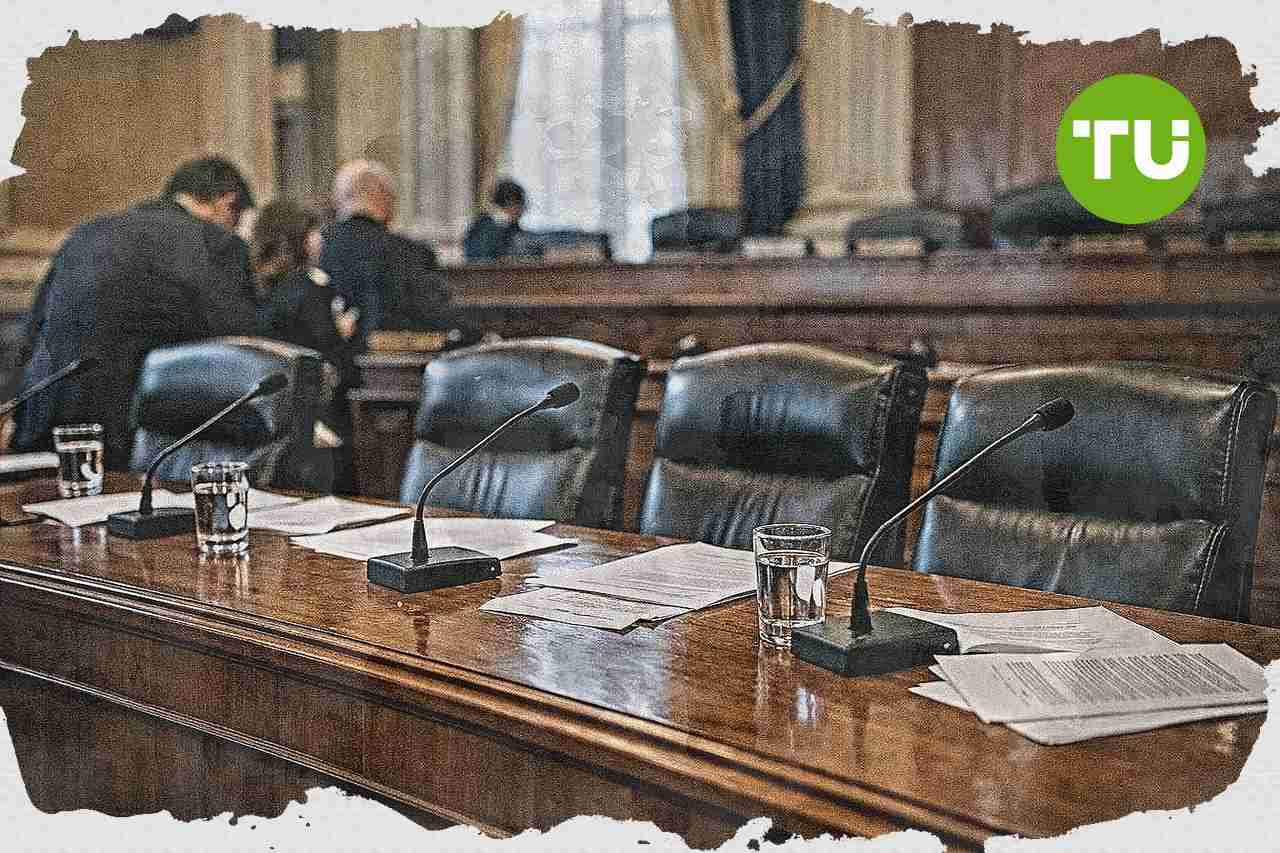
At his first semiannual monetary policy hearing since Federal Reserve Chairman Kevin Warsh took office, Senate Banking Committee Chairman Tim Scott says the central bank’s decisions directly shape borrowing costs and household finances across the country. He argues the Fed should stay focused on price stability, employment and affordability while avoiding mandate expansion into areas such as artificial intelligence and overly restrictive bank capital rules.
Highlights
- Senate Banking Committee Chair Scott urges the Federal Reserve to prioritize affordability and economic durability, emphasizing interest rates' impact on families and small businesses.
- Scott endorses Warsh's establishment of five independent task forces, with focus on balance sheet reduction, advocating for debate to avoid market instability during Fed reforms.
- Scott emphasizes capital rules like Basel III Endgame must protect banking resilience without restricting lending or credit access, warning excess constraints could harm mortgages and small businesses.
Hearing sets priorities for Fed leadership
As reported by Senate Banking Committee, citing the Senate Committee on Banking, Housing, and Urban Affairs, Scott uses the hearing to frame affordability as the central test of the Federal Reserve’s work and to back Warsh’s early reform efforts at the central bank.Scott says families and small businesses feel Fed policy through mortgage payments, credit card bills, business loan costs and broader household budgets. He tells the hearing that while lawmakers can work on housing supply and permitting reform, interest rates remain a decisive factor for affordability and long-term economic durability.
He also says the Fed protects its independence by staying within its statutory mission of maximum employment and stable prices. In his remarks, Scott criticizes what he describes as years of mission creep and says restoring credibility requires clearer communication, more discipline and a stronger commitment to following data rather than relying on detailed short-term rate forecasts.
Scott points to Warsh’s creation of five independent task forces as a sign of a more reform-oriented approach. He highlights the balance sheet working group in particular, saying a deliberate and intellectually rigorous debate is needed as the Fed considers how to reduce a large balance sheet without creating instability or volatility in financial markets.
Regulation and AI remain key policy concerns
Scott says the Fed should study how AI affects jobs, wages, productivity, prices and the financial system, but should not use technological change as a reason to broaden its mandate.He applies the same argument to bank oversight, saying regulation and supervision should stay clear, tailored and focused on real risks. Citing the July 2026 Monetary Policy Report, he says bank capital is near historically high levels and argues that final Basel III Endgame and other capital rules should be calibrated to preserve resilience without unnecessarily restricting lending.
Scott warns that excess capital constraints can limit mortgage access for families, make borrowing harder for small businesses and increase compliance burdens for community banks. He says the committee will continue to press for rules that protect the banking system without cutting off access to credit, linking the Fed’s policy choices to wage growth, market confidence and households’ ability to save, invest and buy homes.
Our earlier coverage of Kevin Warsh’s Senate Banking Committee testimony noted that he reiterated the Fed’s commitment to fighting inflation while offering few signals about the future path or timing of interest-rate changes. We also highlighted how Warsh emphasized sticking to the central bank’s defined mandate and protecting institutional independence despite lawmakers’ attempts to draw him into broader political and fiscal debates.


Latest Housing Market News







-
 Afghanistan
-
 Albania
-
 Algeria
-
 Angola
-
 Argentina
-
 Armenia
-
 Australia
-
 Austria
-
 Azerbaijan
-
 Bahamas
-
 Bahrain
-
 Bangladesh
-
 Belarus
-
 Belgium
-
 Bolivia
-
 Botswana
-
 Brazil
-
 Brunei
-
 Bulgaria
-
 Cambodia
-
 Cameroon
-
 Canada
-
 Chile
Chile
-
 China
China
-
 Colombia
-
 Congo
Congo
-
 Costa Rica
-
 Cote d'Ivoire
-
 Croatia
-
 Cuba
Cuba
-
 Cyprus
-
 Czechia
-
 DR Congo
-
 Denmark
-
 Dominican Republic
-
 Ecuador
-
 Egypt
Egypt
-
 El Salvador
-
 Estonia
-
 Eswatini
-
 Ethiopia
-
 Finland
-
 France
-
 Georgia
-
 Germany
-
 Ghana
Ghana
-
 Greece
-
 Haiti
Haiti
-
 Hong Kong
-
 Hungary
-
 India
India
-
 Indonesia
-
 Iran, Islamic republic
-
 Iraq
Iraq
-
 Ireland
-
 Israel
-
 Italy
Italy
-
 Jamaica
-
 Japan
Japan
-
 Jordan
-
 Kazakhstan
-
 Kenya
Kenya
-
 Korea
Korea
-
 Kuwait
-
 Kyrgyzstan
-
 Laos
Laos
-
 Latvia
-
 Lebanon
-
 Lesotho
-
 Libya
Libya
-
 Lithuania
-
 Luxembourg
-
 Madagascar
-
 Malaysia
-
 Malta
Malta
-
 Mauritius
-
 Mexico
-
 Moldova
-
 Mongolia
-
 Montenegro
-
 Morocco
-
 Mozambique
-
 Myanmar
-
 Namibia
-
 Nepal
Nepal
-
 Netherlands
-
 New Zealand
-
 Nigeria
-
 North Macedonia
-
 Norway
-
 Oman
Oman
-
 Pakistan
-
 Palestine
-
 Panama
-
 Papua New Guinea
-
 Paraguay
-
 Peru
Peru
-
 Philippines
-
 Poland
-
 Portugal
-
 Puerto Rico
-
 Qatar
Qatar
-
 Reunion
-
 Romania
-
 Rwanda
-
 Saudi Arabia
-
 Serbia
-
 Singapore
-
 Slovakia
-
 Slovenia
-
 Somalia
-
 South Africa
-
 Spain
Spain
-
 Sri Lanka
-
 Sweden
-
 Switzerland
-
 Syria
Syria
-
 Taiwan
-
 Tajikistan
-
 Tanzania
-
 Thailand
-
 Trinidad and Tobago
-
 Tunisia
-
 Turkey
-
 UAE
UAE
-
 Uganda
-
 Ukraine
-
 United Kingdom
-
United States
-
 Uruguay
-
 Uzbekistan
-
 Venezuela
-
 Vietnam
-
 Yemen
Yemen
-
 Zambia
-
 Zimbabwe
- Forex
- Crypto











