
Wall Street banks flag stronger consumer loan growth as U.S. household credit stays resilient

Large U.S. banks are presenting a steadier picture of household finances as consumer borrowing rises and spending remains firm despite elevated interest rates and wider economic uncertainty. Credit card balances are increasing across major lenders, while executives and strategists say credit quality and delinquency trends still point to a broadly resilient consumer.
Highlights
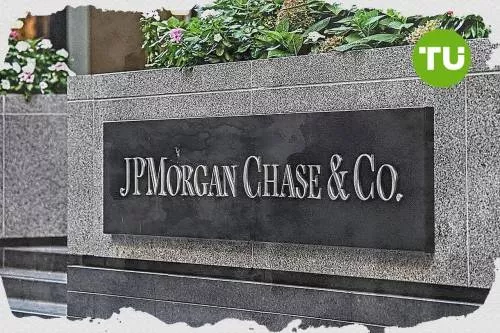
- JPMorgan reports a 7.3% rise in credit card loans to $249.9 billion, while Bank of America posts a 4.4% increase, signaling stronger consumer credit appetite.
- Consumer Price Index rises 3.5% in the 12 months through June—up from 4.2% in May—approaching the fastest increase since April 2023 and fueling inflation concerns.
- U.S. job growth slows to 57,000 in June versus expectations of 110,000, but Q2 employment gains average 111,000 per month, supporting robust household credit quality.
Bank earnings highlight loan and spending trends
As reported by Reuters, the latest results and executive commentary from JPMorgan, Bank of America and Wells Fargo indicate that consumer loan growth is picking up modestly, with credit cards providing much of the momentum.Bank of America CEO Brian Moynihan says the U.S. economy has proved more durable than expected, adding on a call with analysts that spending has recently expanded and continues to outperform expectations. JPMorgan CFO Jeremy Barnum also says spending remains robust across income segments, while delinquencies come in lower than expected.
Across the three lenders, overall consumer loan growth is mixed, but credit card balances rise at each bank. JPMorgan reports a 7.3% increase in period-end credit card loans in the quarter to $249.9 billion, while consumer balances excluding credit cards fall 1% from a year earlier. Bank of America posts a 3.2% rise in overall consumer loans and a 4.4% jump in credit card balances, with home equity and residential mortgage balances also edging higher.
Wells Fargo says total consumer loan balances are up 5.4%, helped by a 32% rise in auto loans. Its credit card balances climb nearly 5.6%, while residential mortgages record a modest decline.
Inflation and conflict risks test household outlook
The more confident tone from banks comes as investors remain cautious about the economic effects of the U.S.-Iran war, which is pushing up oil prices and complicating the outlook for interest rates because of renewed inflation fears. A prolonged conflict threatens to raise the cost of essential goods and put more pressure on discretionary spending, especially for lower-income households already facing tighter budgets.The Consumer Price Index rises 3.5% in the 12 months through June after jumping 4.2% in May, the biggest year-on-year increase since April 2023, according to Labor Department Bureau of Labor Statistics data. Even so, banks say employment levels and household balance sheets generally remain healthy enough to support spending and borrowing.
U.S. job growth slows sharply in June, with nonfarm payrolls increasing by 57,000, below expectations for a gain of 110,000. Still, employment gains average 111,000 per month in the second quarter, well above the 34,000 recorded in the same period last year.
Strategists say the banking data still show a solid consumer backdrop. Annex Wealth Management chief economic strategist Brian Jacobsen says households do not typically take on mortgage debt unless they feel more secure about income prospects, while Zacks Investment Management chief market strategist Brian Mulberry says both the economy and the U.S. consumer remain strong by the numbers. Wells Fargo CFO Michael Santomassimo adds that delinquency trends are better than modeled in most months and that overall consumer performance is very good.
Our earlier coverage of Bank of America’s Q2 2026 results and BAC share performance noted that the stock was in a strong bullish trend after an earnings beat and revenue growth, supported by improving credit quality and capital returns. At the same time, technical indicators were flashing overbought conditions, pointing to a higher risk of near-term consolidation even as upside momentum remained intact.


Latest JPMorgan Chase News






-
 Afghanistan
-
 Albania
-
 Algeria
-
 Angola
-
 Argentina
-
 Armenia
-
 Australia
-
 Austria
-
 Azerbaijan
-
 Bahamas
-
 Bahrain
-
 Bangladesh
-
 Belarus
-
 Belgium
-
 Bolivia
-
 Botswana
-
 Brazil
-
 Brunei
-
 Bulgaria
-
 Cambodia
-
 Cameroon
-
 Canada
-
 Chile
Chile
-
 China
China
-
 Colombia
-
 Congo
Congo
-
 Costa Rica
-
 Cote d'Ivoire
-
 Croatia
-
 Cuba
Cuba
-
 Cyprus
-
 Czechia
-
 DR Congo
-
 Denmark
-
 Dominican Republic
-
 Ecuador
-
 Egypt
Egypt
-
 El Salvador
-
 Estonia
-
 Eswatini
-
 Ethiopia
-
 Finland
-
 France
-
 Georgia
-
 Germany
-
 Ghana
Ghana
-
 Greece
-
 Haiti
Haiti
-
 Hong Kong
-
 Hungary
-
 India
India
-
 Indonesia
-
 Iran, Islamic republic
-
 Iraq
Iraq
-
 Ireland
-
 Israel
-
 Italy
Italy
-
 Jamaica
-
 Japan
Japan
-
 Jordan
-
 Kazakhstan
-
 Kenya
Kenya
-
 Korea
Korea
-
 Kuwait
-
 Kyrgyzstan
-
 Laos
Laos
-
 Latvia
-
 Lebanon
-
 Lesotho
-
 Libya
Libya
-
 Lithuania
-
 Luxembourg
-
 Madagascar
-
 Malaysia
-
 Malta
Malta
-
 Mauritius
-
 Mexico
-
 Moldova
-
 Mongolia
-
 Montenegro
-
 Morocco
-
 Mozambique
-
 Myanmar
-
 Namibia
-
 Nepal
Nepal
-
 Netherlands
-
 New Zealand
-
 Nigeria
-
 North Macedonia
-
 Norway
-
 Oman
Oman
-
 Pakistan
-
 Palestine
-
 Panama
-
 Papua New Guinea
-
 Paraguay
-
 Peru
Peru
-
 Philippines
-
 Poland
-
 Portugal
-
 Puerto Rico
-
 Qatar
Qatar
-
 Reunion
-
 Romania
-
 Rwanda
-
 Saudi Arabia
-
 Serbia
-
 Singapore
-
 Slovakia
-
 Slovenia
-
 Somalia
-
 South Africa
-
 Spain
Spain
-
 Sri Lanka
-
 Sweden
-
 Switzerland
-
 Syria
Syria
-
 Taiwan
-
 Tajikistan
-
 Tanzania
-
 Thailand
-
 Trinidad and Tobago
-
 Tunisia
-
 Turkey
-
 UAE
UAE
-
 Uganda
-
 Ukraine
-
 United Kingdom
-
United States
-
 Uruguay
-
 Uzbekistan
-
 Venezuela
-
 Vietnam
-
 Yemen
Yemen
-
 Zambia
-
 Zimbabwe
- Forex
- Crypto











