

Rolls-Royce expects Airbus decision on larger A350 within a year
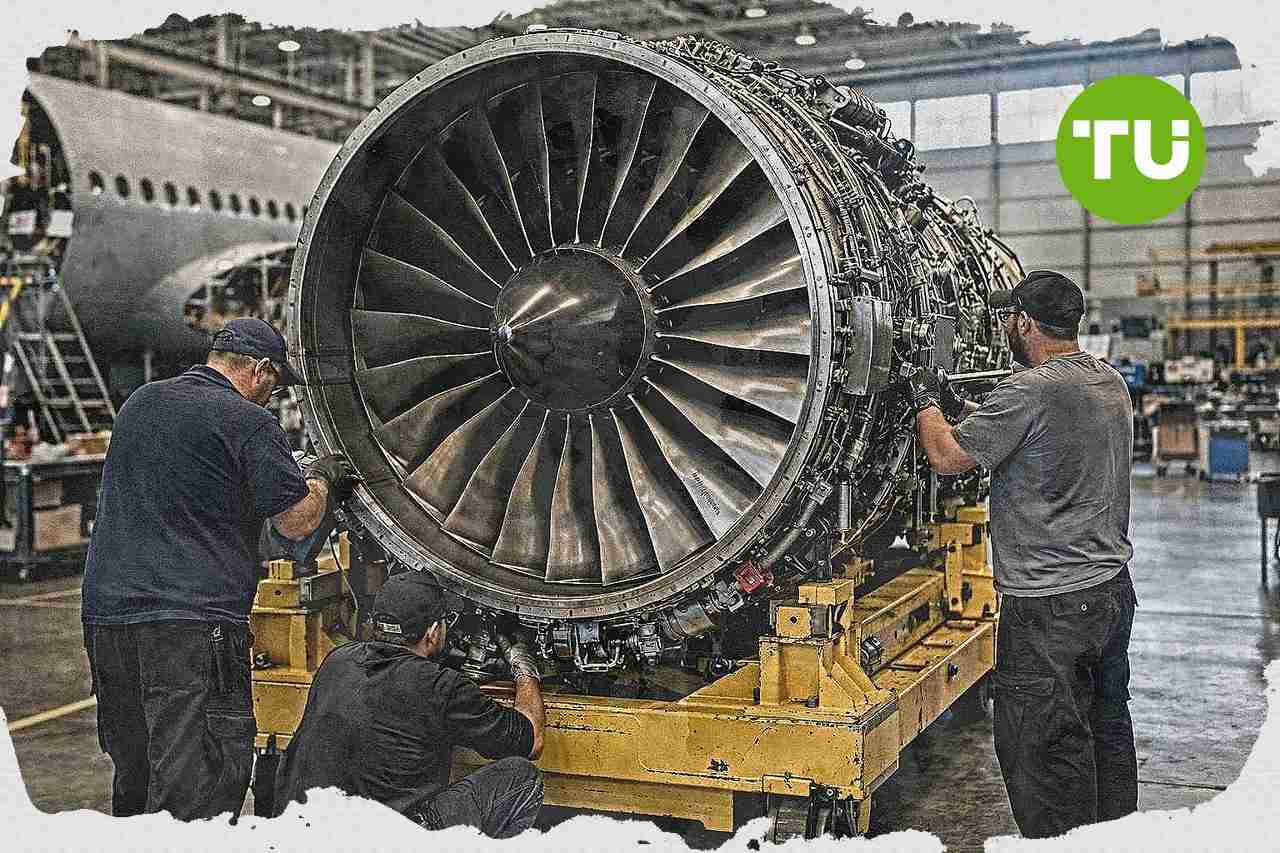
Airbus is weighing a larger A350 variant as demand grows for bigger long-haul aircraft and competition with Boeing’s 777X remains in focus. Rolls-Royce says the project could require a new, more powerful engine, with any aircraft entry into service seen in the early 2030s.
Highlights
- Rolls-Royce anticipates Airbus will decide on an enlarged A350 within a year, requiring a new engine based on the Trent XWB-84.
- Rolls-Royce urges UK government support for a demonstrator short-haul engine, with Airbus and Boeing expected to choose future narrow-body engine suppliers in two years.
- Airbus announces a €5 billion share buyback over three years and targets €12–13 billion adjusted operating profit by 2029, nearly double 2025's level.
A350 expansion plans take shape
As reported by Financial Times, Rolls-Royce is working with Airbus on potential plans for an enlarged A350, with chief executive Tufan Erginbilgic saying at the Farnborough Airshow that he expects the planemaker to decide within the next year.Erginbilgic says Rolls-Royce would need to build a new engine for the proposed A350-2000 if Airbus selects a design requiring a larger turbine. He says any new powerplant would be based on the group’s existing Trent XWB-84 engine.
Airbus says no decision has been made, but confirms that market demand for large wide-body aircraft is real and that it is studying possible A350 evolutions to meet that demand. The manufacturer has been examining a larger A350 for long-haul routes since last year, while Emirates is among airlines seen as potential customers.
Boeing’s 777X remains the main rival in the segment after Airbus discontinued the A380, exiting the market for the world’s biggest passenger jets. The 777X, which had been expected to enter service in 2020, has faced repeated delays, including around certification, while Emirates president Tim Clark says he expects his first deliveries around the middle of next year.
UK engine strategy and industrial stakes
Rolls-Royce is also intensifying its push for UK government backing for a new engine aimed at the short-haul market. Erginbilgic urges ministers to decide as soon as possible, saying the programme would support economic growth and transform advanced manufacturing in the UK.The company has previously sought public support for a demonstrator engine that could help it re-enter the narrow-body aircraft market, a key segment now dominated by suppliers to Airbus A320 and Boeing 737 Max family jets. Progress on those talks has been slowed by political turmoil in the UK, preventing an announcement at the Farnborough Airshow.
Erginbilgic says Airbus and Boeing are expected to decide on engine choices for future narrow-body aircraft within two years, ahead of possible replacement programmes for their current bestselling models at the start of the next decade. He warns that if the UK does not support the project, Rolls-Royce still has the option to pursue development abroad.
Separately, Airbus announces a 5 billion euro share buyback programme over three years and sets an adjusted operating profit target of 12 billion euros to 13 billion euros for 2029, nearly double its 2025 level, as it increases aircraft output despite supply-chain bottlenecks.
Our earlier report on Canada’s funding for Pratt & Whitney Canada detailed Ottawa’s plan to provide up to $34 million to support a $275 million modernization of the company’s aircraft engine manufacturing centre in Longueuil, Quebec, aimed at upgrading advanced production and protecting around 650 jobs. We noted that officials framed the investment as part of a broader push to strengthen Canada’s position in the global engine market and improve resilience in critical aerospace supply chains.






Latest Rolls-Royce News



-
 Afghanistan
-
 Albania
-
 Algeria
-
 Angola
-
 Argentina
-
 Armenia
-
 Australia
-
 Austria
-
 Azerbaijan
-
 Bahamas
-
 Bahrain
-
 Bangladesh
-
 Belarus
-
 Belgium
-
 Bolivia
-
 Botswana
-
 Brazil
-
 Brunei
-
 Bulgaria
-
 Cambodia
-
 Cameroon
-
 Canada
-
 Chile
-
 China
-
 Colombia
-
 Congo
-
 Costa Rica
-
 Cote d'Ivoire
-
 Croatia
-
 Cuba
-
 Cyprus
-
 Czechia
-
 DR Congo
-
 Denmark
-
 Dominican Republic
-
 Ecuador
-
 Egypt
-
 El Salvador
-
 Estonia
-
 Eswatini
-
 Ethiopia
-
 Finland
-
 France
-
 Georgia
-
 Germany
-
 Ghana
-
 Greece
-
 Haiti
-
 Hong Kong
-
 Hungary
-
 India
-
 Indonesia
-
 Iran, Islamic republic
-
 Iraq
-
 Ireland
-
 Israel
-
 Italy
-
 Jamaica
-
 Japan
-
 Jordan
-
 Kazakhstan
-
 Kenya
-
 Korea
-
 Kuwait
-
 Kyrgyzstan
-
 Laos
-
 Latvia
-
 Lebanon
-
 Lesotho
-
 Libya
-
 Lithuania
-
 Luxembourg
-
 Madagascar
-
 Malaysia
-
 Malta
-
 Mauritius
-
 Mexico
-
 Moldova
-
 Mongolia
-
 Montenegro
-
 Morocco
-
 Mozambique
-
 Myanmar
-
 Namibia
-
 Nepal
-
 Netherlands
-
 New Zealand
-
 Nigeria
-
 North Macedonia
-
 Norway
-
 Oman
-
 Pakistan
-
 Palestine
-
 Panama
-
 Papua New Guinea
-
 Paraguay
-
 Peru
-
 Philippines
-
 Poland
-
 Portugal
-
 Puerto Rico
-
 Qatar
-
 Reunion
-
 Romania
-
 Rwanda
-
 Saudi Arabia
-
 Serbia
-
 Singapore
-
 Slovakia
-
 Slovenia
-
 Somalia
-
 South Africa
-
 Spain
-
 Sri Lanka
-
 Sweden
-
 Switzerland
-
 Syria
-
 Taiwan
-
 Tajikistan
-
 Tanzania
-
 Thailand
-
 Trinidad and Tobago
-
 Tunisia
-
 Turkey
-
 UAE
-
 Uganda
-
 Ukraine
-
 United Kingdom
-
United States
-
 Uruguay
-
 Uzbekistan
-
 Venezuela
-
 Vietnam
-
 Yemen
-
 Zambia
-
 Zimbabwe
- Forex
- Crypto












