
Nvidia stock slips 2.2% as investors question sustainability of AI growth

As of September 8, Nvidia stock is trading at $166.09, down 2.2% in the past 24 hours. This marks a third straight session of hesitation near $170 resistance. The stock opened at $167.89 and hit an intraday high of $171.48.
Highlights
- Nvidia fell 2.2% to $166.09 amid post-earnings consolidation and resistance near $170.
- Despite slowing growth momentum, analysts highlight strong AI demand, stable BWU shipments, and extended lead times.
- Management reaffirmed the Vera Rubin platform remains on schedule for launch in H2 fiscal 2026.
Currently, Nvidia remains above its 50-day simple moving average (SMA), which stands near $154.60, while continuing to hold well above the 200-day SMA, which is situated around $122.30. This configuration maintains a technically bullish outlook over the medium term, despite near-term exhaustion in buying pressure. The rising slope of both the 50- and 200-day averages confirms that the stock is still in a structural uptrend.
Immediate support lies at $160, a level that has acted as a short-term floor multiple times over the last three weeks. A deeper retracement could test the more significant support zone between $145 and $150, coinciding with the 100-day moving average. On the upside, $170 remains the key resistance, followed by a potential breakout level at $177.50, where prior rallies faced distribution.

Nvidia stock price dynamics (June 2025 - September 2025). Source: TradingView
Volume has been tapering off in recent sessions, suggesting a period of indecision rather than conviction buying or panic selling. Relative Strength Index (RSI) readings are hovering near 52, indicating a neutral momentum bias. A break above $170 on strong volume could trigger a bullish momentum push, while a close below $160 would imply a possible short-term trend reversal.
Investor skepticism softens as AI hardware demand holds firm
Nvidia shares have come under moderate pressure since the company reported fiscal Q2 earnings. While the results showed continued year-over-year strength, the pace of growth appeared to normalize, prompting some investors to question whether the company’s explosive AI-fueled momentum is reaching its peak. That concern was amplified by a 33% sequential rise in inventory levels, interpreted by some as a sign of demand softening or oversupply risks.
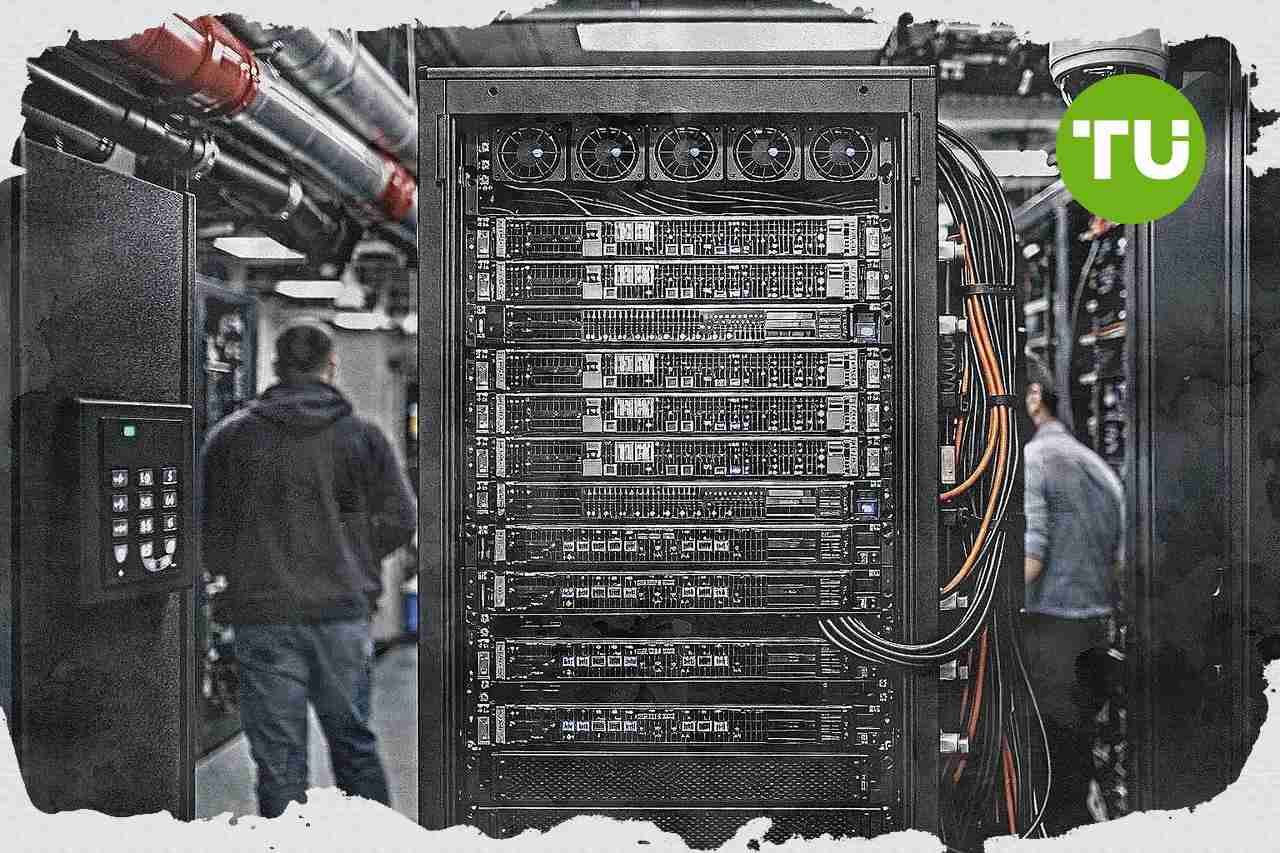
However, top Wall Street analysts have pushed back on that view. Following a recent investor meeting with Nvidia’s VP of IR and Strategic Finance, J.P. Morgan’s Harlan Sur highlighted that demand still materially exceeds supply, with lead times remaining stable and long—measured in quarters, not months. According to management, shipments of Blackwell and Blackwell Ultra racks have remained steady at approximately 1,000 units per week, with BWU now making up around 50% of the mix. Most of the elevated inventory was reportedly shipped early in the current quarter to support a sharp BWU ramp in Q3, suggesting the stock build was strategic, not a sign of slowing demand.
The long-term product roadmap also remains intact. Nvidia reaffirmed that the Vera Rubin AI platform is on schedule for a second-half fiscal 2026 launch, with all six chips already taped out at TSMC. Citi’s Atif Malik, speaking after the Citi Global TMT Conference, echoed the bullish outlook, citing over 40% projected AI market growth in 2026 and a smooth product transition from GB200 to GB300. While he cautioned that the stock may consolidate in the short term after an extended rally, Malik emphasized the significance of CEO Jensen Huang’s upcoming GTC keynote on October 28 as a likely upside catalyst. Both analysts maintain Buy ratings, with price targets of $210–$215, implying over 25% upside from current levels.
Range-bound action likely, breakout scenario still in play
Over the coming week, Nvidia is likely to remain range-bound between $160 and $170, with the next directional move hinging on volume and macro sentiment. The base case is continued sideways consolidation with minor dips being bought near $160, and resistance pressuring upside at $170–$172. Options market activity also supports this range, with implied volatility flattening and open interest clustering around $165 strike prices.
In a bullish breakout scenario, a daily close above $172, ideally on volume above 50 million shares, could trigger a rally toward $180, followed by a measured move to $185–$190. This would align with renewed investor rotation into growth stocks and AI optimism resurfacing. A sustained move above $180 would likely invite momentum-driven inflows from trend-following funds and quant models.
Nvidia remains a key player in AI hardware, with its H100 chips powering major generative AI systems across OpenAI, Meta, and Amazon. Its recent investment in quantum firm Quantinuum signals a strategic shift toward integrating quantum computing into its long-term AI roadmap.







-
 Afghanistan
-
 Albania
-
 Algeria
-
 Angola
-
 Argentina
-
 Armenia
-
 Australia
-
 Austria
-
 Azerbaijan
-
 Bahamas
-
 Bahrain
-
 Bangladesh
-
 Belarus
-
 Belgium
-
 Bolivia
-
 Botswana
-
 Brazil
-
 Brunei
-
 Bulgaria
-
 Cambodia
-
 Cameroon
-
 Canada
-
 Chile
Chile
-
 China
China
-
 Colombia
-
 Congo
Congo
-
 Costa Rica
-
 Cote d'Ivoire
-
 Croatia
-
 Cuba
Cuba
-
 Cyprus
-
 Czechia
-
 DR Congo
-
 Denmark
-
 Dominican Republic
-
 Ecuador
-
 Egypt
Egypt
-
 El Salvador
-
 Estonia
-
 Eswatini
-
 Ethiopia
-
 Finland
-
 France
-
 Georgia
-
 Germany
-
 Ghana
Ghana
-
 Greece
-
 Haiti
Haiti
-
 Hong Kong
-
 Hungary
-
 India
India
-
 Indonesia
-
 Iran, Islamic republic
-
 Iraq
Iraq
-
 Ireland
-
 Israel
-
 Italy
Italy
-
 Jamaica
-
 Japan
Japan
-
 Jordan
-
 Kazakhstan
-
 Kenya
Kenya
-
 Korea
Korea
-
 Kuwait
-
 Kyrgyzstan
-
 Laos
Laos
-
 Latvia
-
 Lebanon
-
 Lesotho
-
 Libya
Libya
-
 Lithuania
-
 Luxembourg
-
 Madagascar
-
 Malaysia
-
 Malta
Malta
-
 Mauritius
-
 Mexico
-
 Moldova
-
 Mongolia
-
 Montenegro
-
 Morocco
-
 Mozambique
-
 Myanmar
-
 Namibia
-
 Nepal
Nepal
-
 Netherlands
-
 New Zealand
-
 Nigeria
-
 North Macedonia
-
 Norway
-
 Oman
Oman
-
 Pakistan
-
 Palestine
-
 Panama
-
 Papua New Guinea
-
 Paraguay
-
 Peru
Peru
-
 Philippines
-
 Poland
-
 Portugal
-
 Puerto Rico
-
 Qatar
Qatar
-
 Reunion
-
 Romania
-
 Rwanda
-
 Saudi Arabia
-
 Serbia
-
 Singapore
-
 Slovakia
-
 Slovenia
-
 Somalia
-
 South Africa
-
 Spain
Spain
-
 Sri Lanka
-
 Sweden
-
 Switzerland
-
 Syria
Syria
-
 Taiwan
-
 Tajikistan
-
 Tanzania
-
 Thailand
-
 Trinidad and Tobago
-
 Tunisia
-
 Turkey
-
 UAE
UAE
-
 Uganda
-
 Ukraine
-
 United Kingdom
-
United States
-
 Uruguay
-
 Uzbekistan
-
 Venezuela
-
 Vietnam
-
 Yemen
Yemen
-
 Zambia
-
 Zimbabwe
- Forex
- Crypto











