
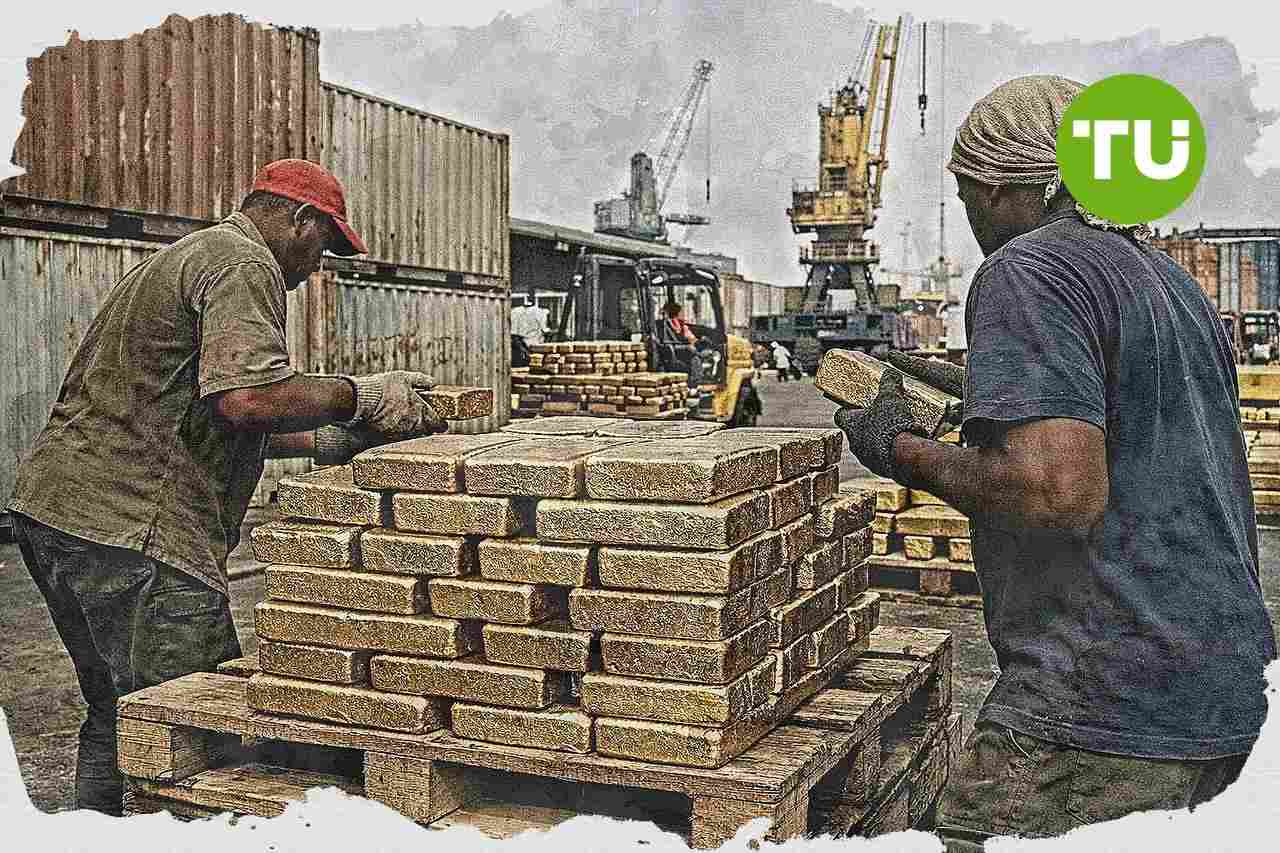
Sudan remains a critical supplier of gum arabic to global food, cosmetics and pharmaceutical industries even as conflict disrupts the country and deepens a humanitarian crisis. The UN says proceeds from looted gum arabic and gold exports continue to help bankroll the fighting, exposing traders and local communities to mounting abuse.
Highlights
- Declared 2024 gold production in SAF-controlled areas reaches 65 tonnes, with 28 tonnes exported via Port Sudan valued at about $1.6 billion, representing 48.5 percent of Sudan’s total exports.
- OHCHR reports that nearly 48 percent of Sudan’s 2024 gold output is smuggled, with ongoing extraction and trade likely from RSF-controlled regions including Darfur and Kordofan.
- UN urges intensified international scrutiny of Sudanese commodities and logistics, highlighting rising supply chain risks for industries sourcing raw materials from Sudan.
Gold exports remain a major revenue stream
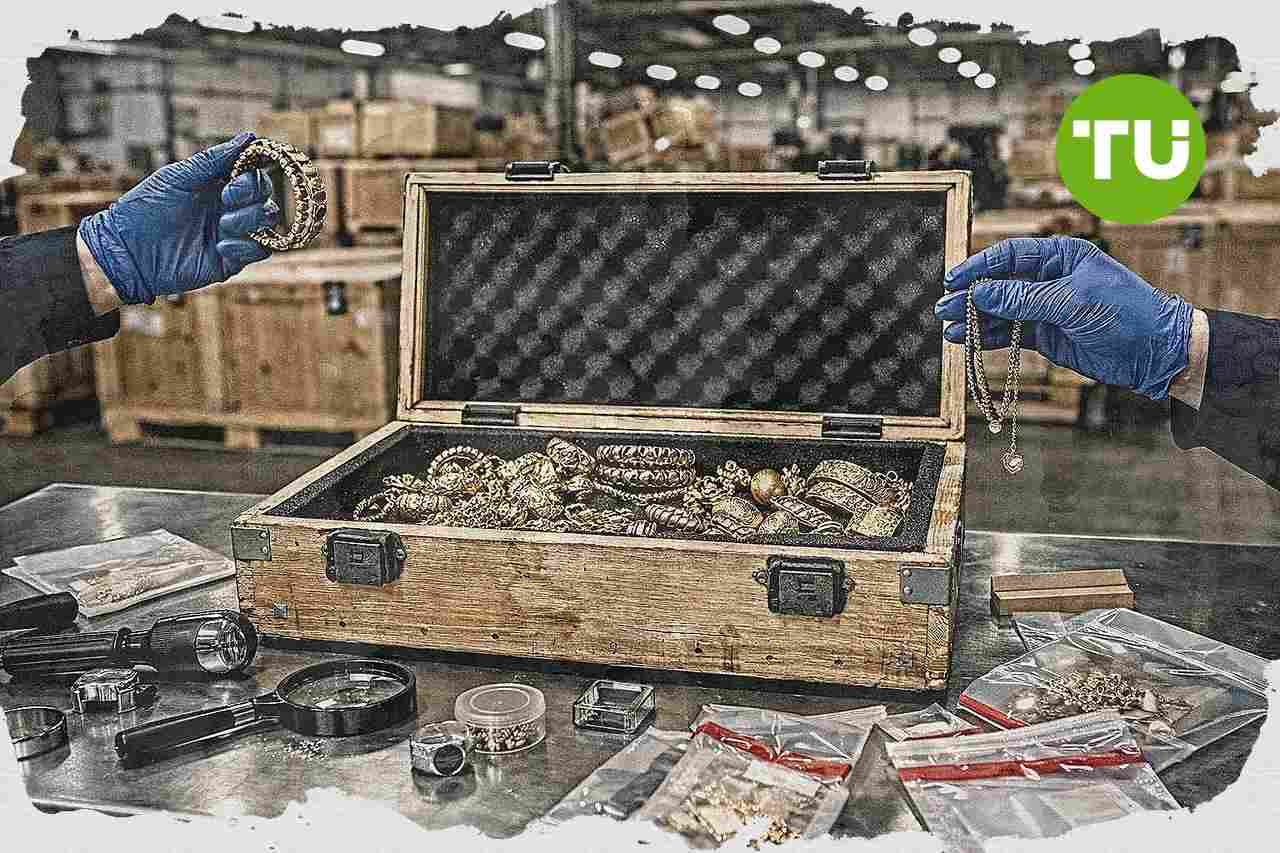
As reported by UN News, citing OHCHR, gold sales also remain a major source of income for both the Sudanese Armed Forces, or SAF, and the RSF. In 2024, declared gold production in SAF-controlled areas reaches about 65 tonnes, with around 28 tonnes officially exported through Port Sudan at a reported value of about $1.6 billion, equal to roughly 48.5 percent of Sudan’s total exports.Reports and official statements cited by OHCHR indicate that nearly 48 percent of Sudan’s 2024 gold output is smuggled out of the country. No production data is available for RSF-controlled areas, but the UN says extraction and trade likely continue from mining zones in Darfur and Kordofan, including Jebel Amer in North Darfur, Songo in South Darfur and Talodi in South Kordofan.
OHCHR says disrupting this war economy requires closer international scrutiny of the commodities and transport routes that keep it functioning. The findings underscore growing supply chain risks for industries that rely on Sudanese raw materials while the conflict continues.
Our earlier article on India’s Electronic Gold Receipt (EGR) initiative explained how NSE and Augmont are working to expand an exchange-regulated framework that converts physical gold into tradable, dematerialized receipts. We noted that bringing privately held gold into the formal system could improve spot-market liquidity and price discovery, enable pledging and lending, and potentially reduce reliance on bullion imports.


Latest Gold News






-
 Afghanistan
-
 Albania
-
 Algeria
-
 Angola
-
 Argentina
-
 Armenia
-
 Australia
-
 Austria
-
 Azerbaijan
-
 Bahamas
-
 Bahrain
-
 Bangladesh
-
 Belarus
-
 Belgium
-
 Bolivia
-
 Botswana
-
 Brazil
-
 Brunei
-
 Bulgaria
-
 Cambodia
-
 Cameroon
-
 Canada
-
 Chile
Chile
-
 China
China
-
 Colombia
-
 Congo
Congo
-
 Costa Rica
-
 Cote d'Ivoire
-
 Croatia
-
 Cuba
Cuba
-
 Cyprus
-
 Czechia
-
 DR Congo
-
 Denmark
-
 Dominican Republic
-
 Ecuador
-
 Egypt
Egypt
-
 El Salvador
-
 Estonia
-
 Eswatini
-
 Ethiopia
-
 Finland
-
 France
-
 Georgia
-
 Germany
-
 Ghana
Ghana
-
 Greece
-
 Haiti
Haiti
-
 Hong Kong
-
 Hungary
-
 India
India
-
 Indonesia
-
 Iran, Islamic republic
-
 Iraq
Iraq
-
 Ireland
-
 Israel
-
 Italy
Italy
-
 Jamaica
-
 Japan
Japan
-
 Jordan
-
 Kazakhstan
-
 Kenya
Kenya
-
 Korea
Korea
-
 Kuwait
-
 Kyrgyzstan
-
 Laos
Laos
-
 Latvia
-
 Lebanon
-
 Lesotho
-
 Libya
Libya
-
 Lithuania
-
 Luxembourg
-
 Madagascar
-
 Malaysia
-
 Malta
Malta
-
 Mauritius
-
 Mexico
-
 Moldova
-
 Mongolia
-
 Montenegro
-
 Morocco
-
 Mozambique
-
 Myanmar
-
 Namibia
-
 Nepal
Nepal
-
 Netherlands
-
 New Zealand
-
 Nigeria
-
 North Macedonia
-
 Norway
-
 Oman
Oman
-
 Pakistan
-
 Palestine
-
 Panama
-
 Papua New Guinea
-
 Paraguay
-
 Peru
Peru
-
 Philippines
-
 Poland
-
 Portugal
-
 Puerto Rico
-
 Qatar
Qatar
-
 Reunion
-
 Romania
-
 Rwanda
-
 Saudi Arabia
-
 Serbia
-
 Singapore
-
 Slovakia
-
 Slovenia
-
 Somalia
-
 South Africa
-
 Spain
Spain
-
 Sri Lanka
-
 Sweden
-
 Switzerland
-
 Syria
Syria
-
 Taiwan
-
 Tajikistan
-
 Tanzania
-
 Thailand
-
 Trinidad and Tobago
-
 Tunisia
-
 Turkey
-
 UAE
UAE
-
 Uganda
-
 Ukraine
-
 United Kingdom
-
United States
-
 Uruguay
-
 Uzbekistan
-
 Venezuela
-
 Vietnam
-
 Yemen
Yemen
-
 Zambia
-
 Zimbabwe
- Forex
- Crypto











